
Patong
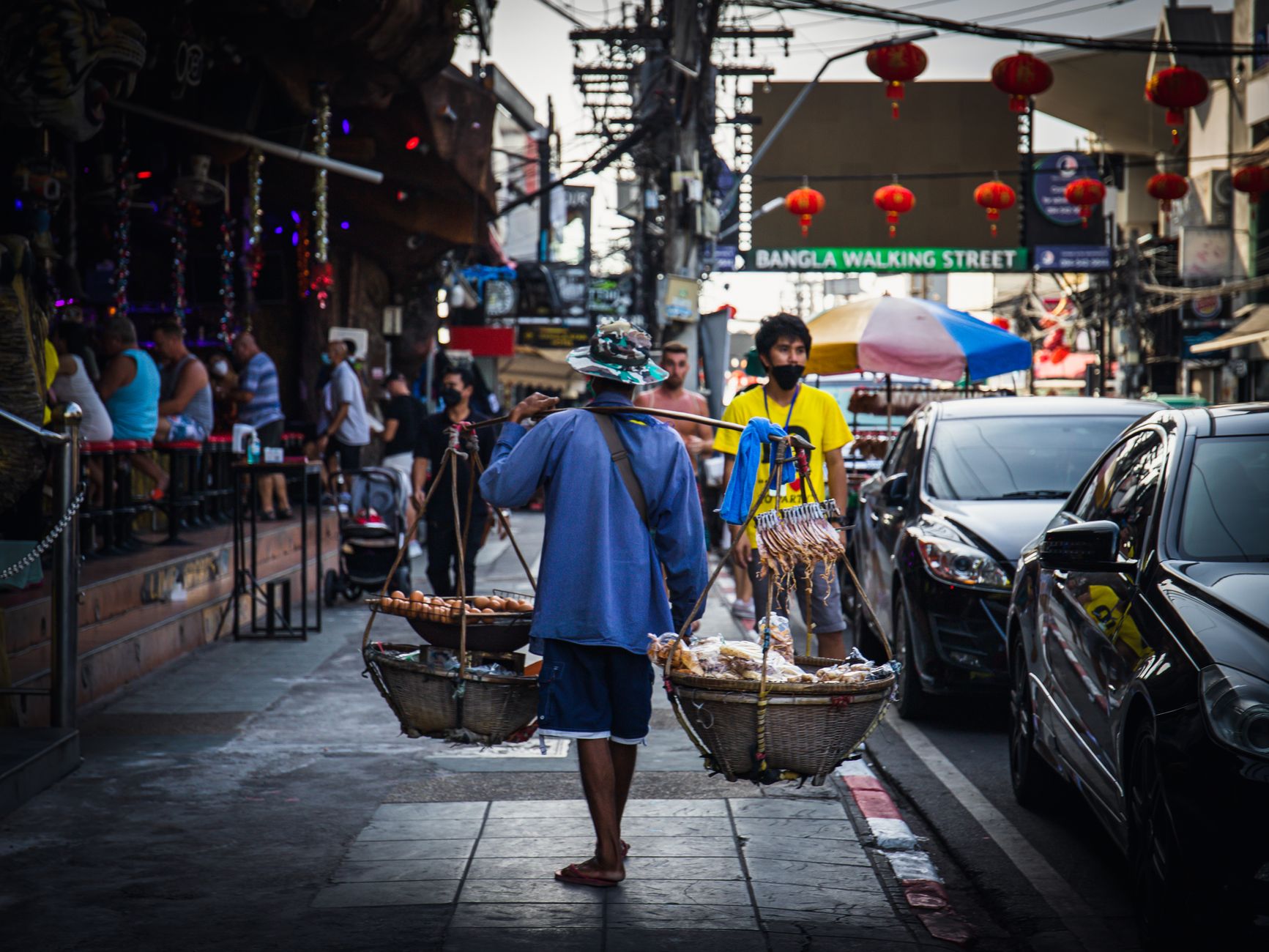
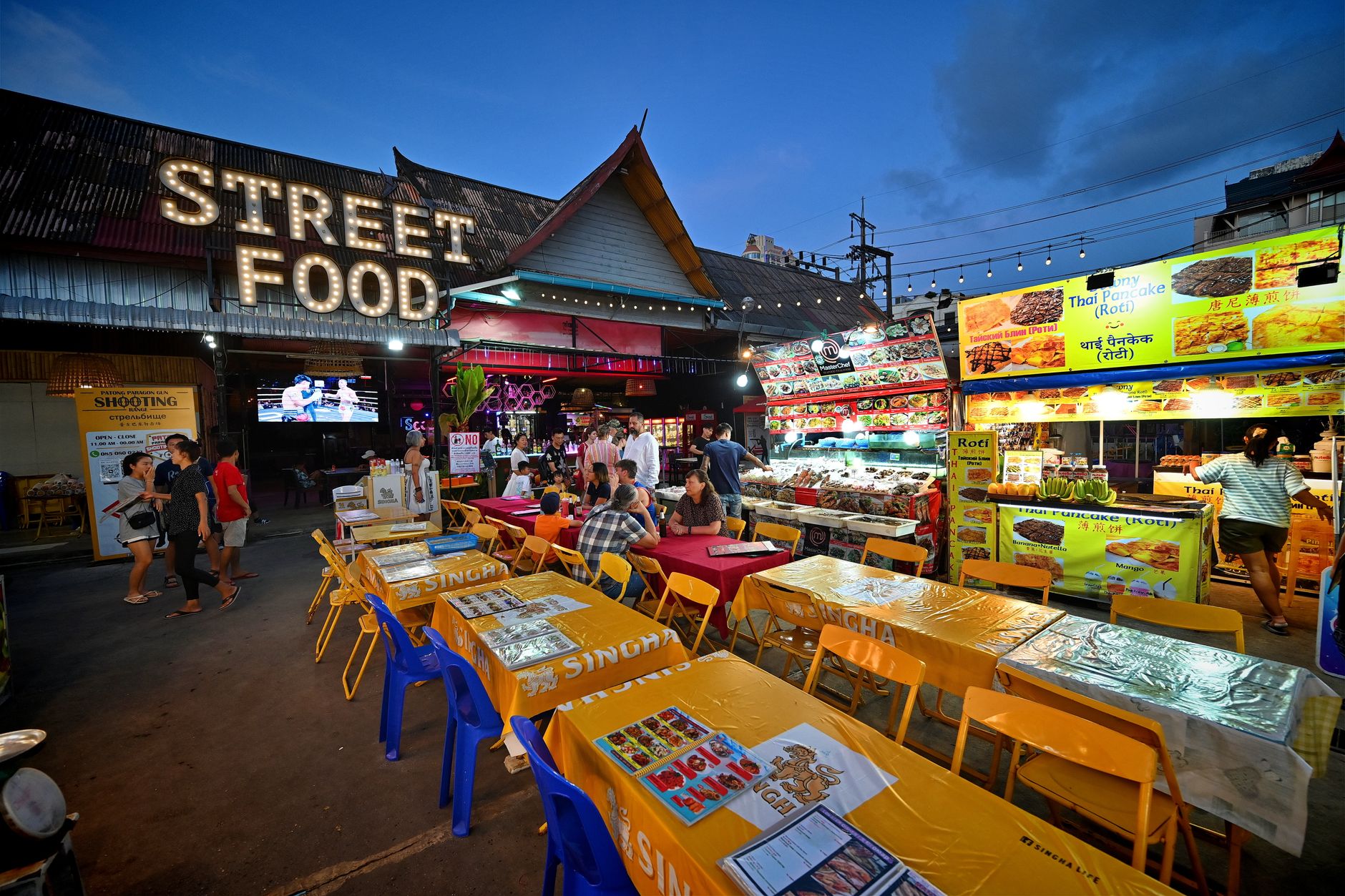
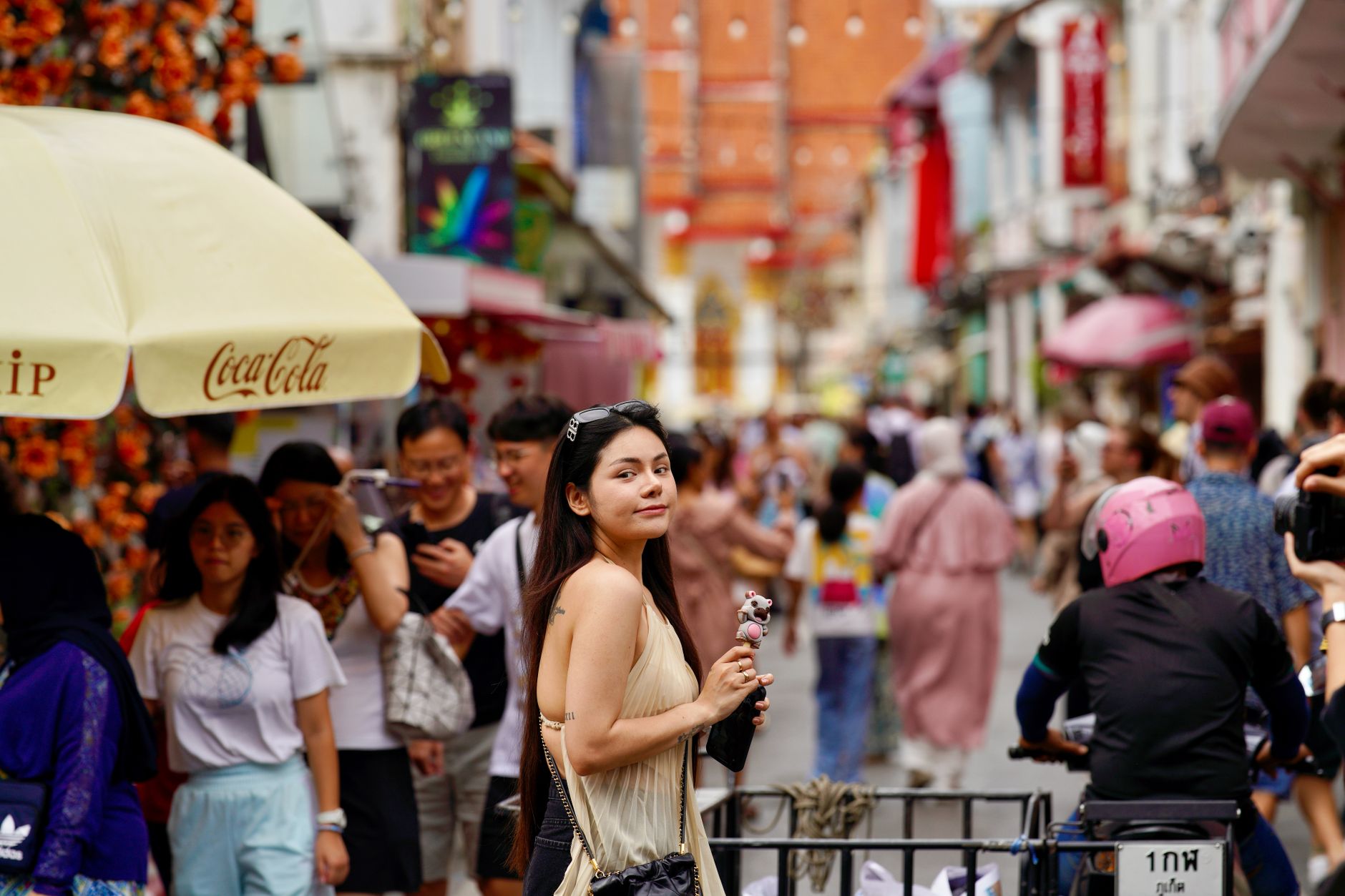
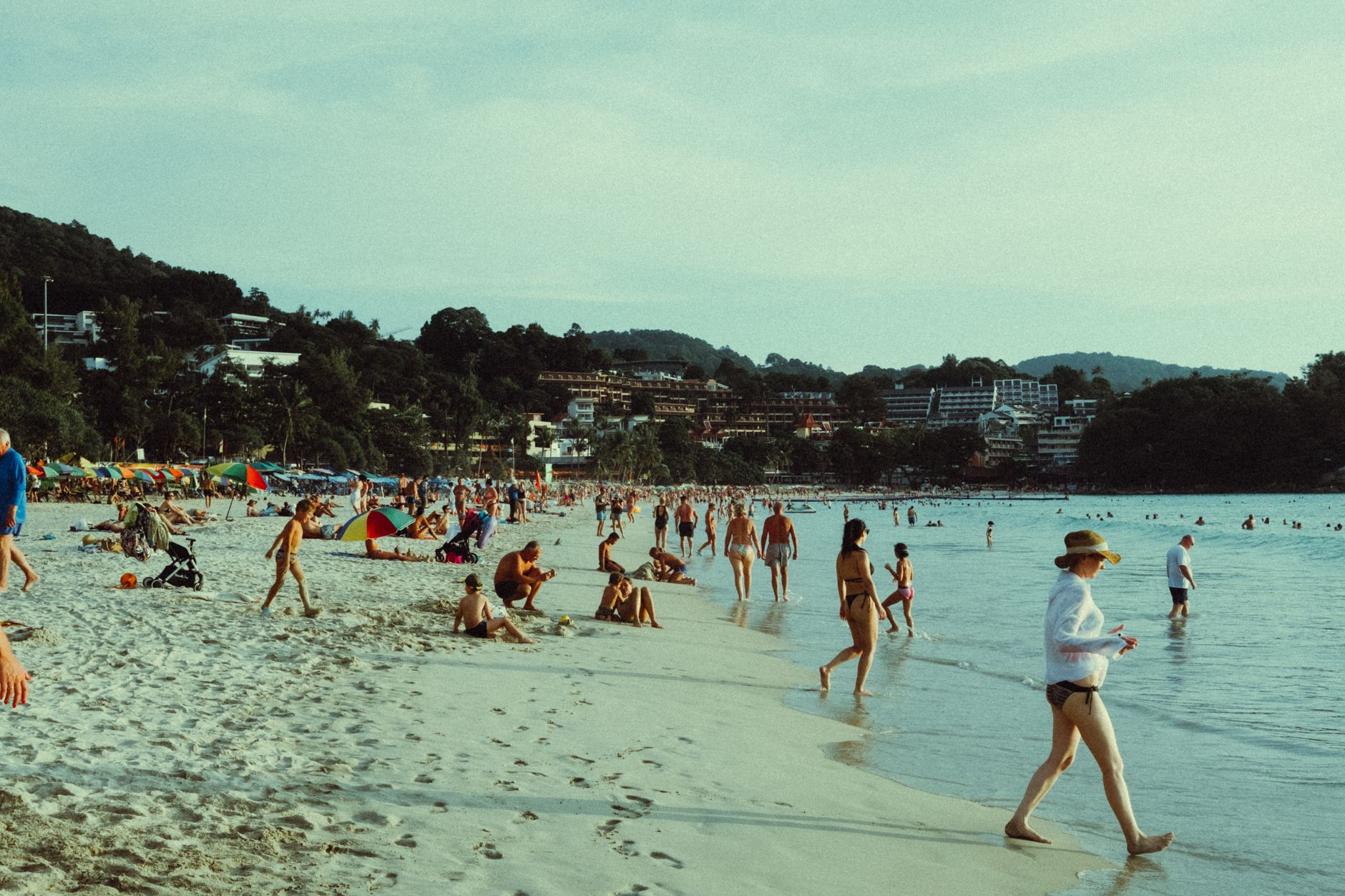
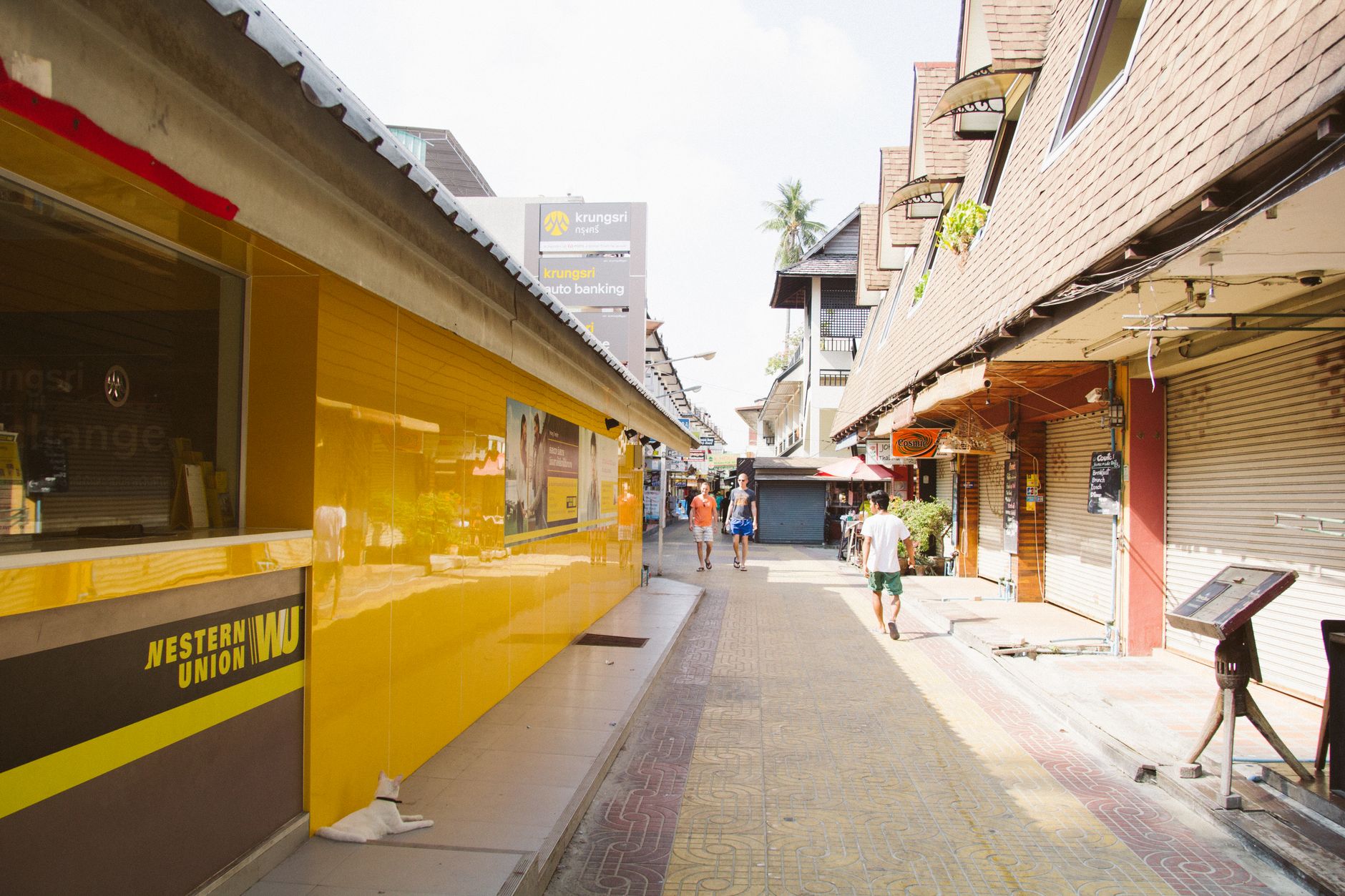
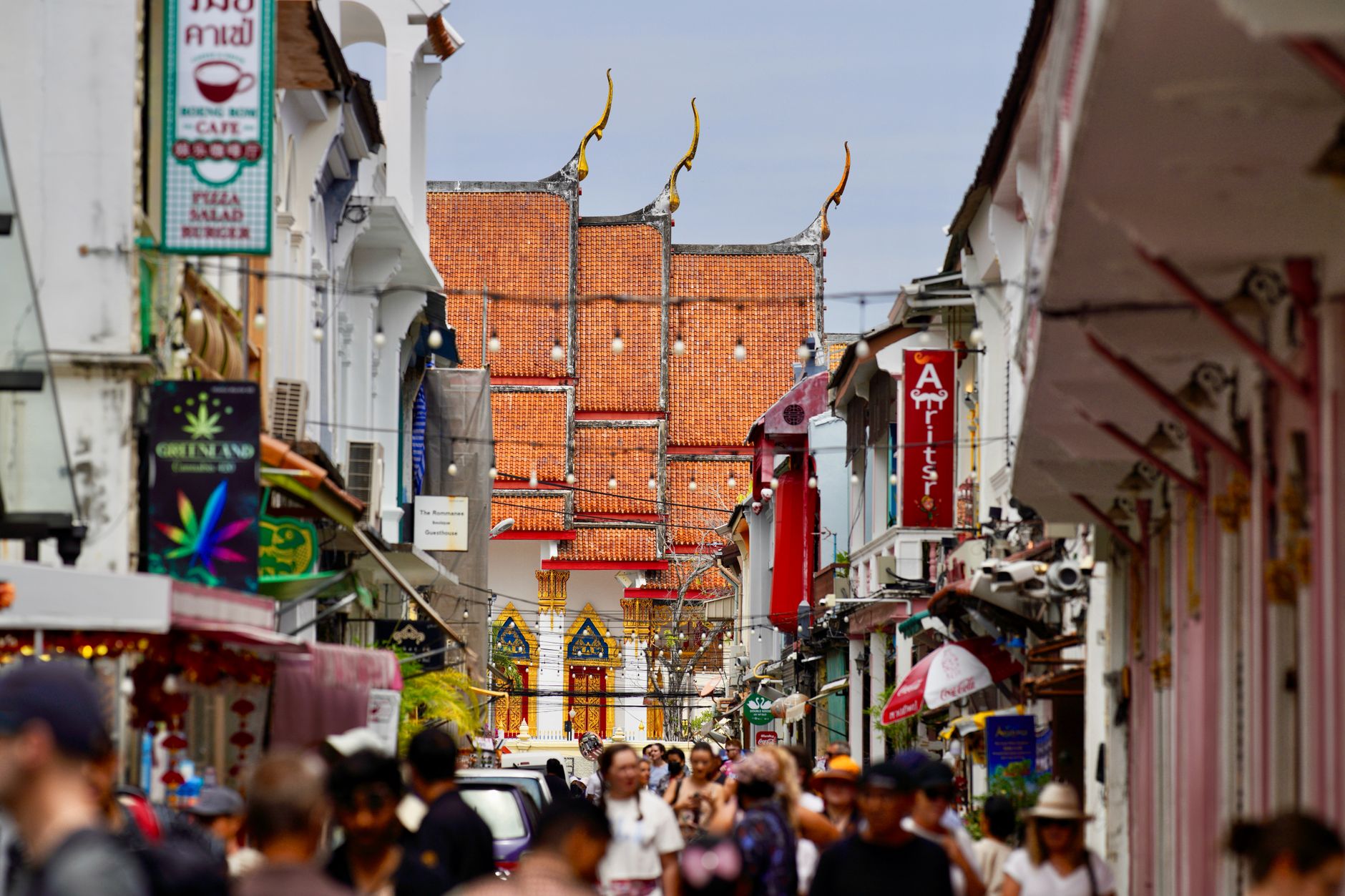
Patong's name translates as 'banana forest,' which tells you everything about how recently this stretch of Andaman coast was something other than what it is now. The 2,850-metre beach still anchors everything — a long, open crescent where longtail boats idle in turquoise water and the horizon stays clean no matter what's happening behind you.
Behind you, though, is the point. Patong is Phuket's loudest district, the one that runs on neon and night markets and Muay Thai on Monday, Thursday and Saturday. It doesn't pretend otherwise, and that honesty is part of the deal.
💛 What travellers fall for
People who come back tend to time Bangla Road for after 10 p.m., when it hits its stride, and leave before 2 a.m. They eat at Malin Plaza Night Market rather than the restaurant-row places closer to the beach, and they book a room a street or two back from the waterfront — quieter, cheaper, and close enough to walk the sand before the crowds arrive.
Deals in Patong
Book directly at the provider

How Patong came to be
Before the resorts arrived, Patong was banana plantations and dense jungle sloping to a small fishing settlement, home mostly to Moken — the sea-nomad people of the Andaman coast. The beach stayed that way well into the twentieth century, its remoteness preserved partly by the absence of decent roads.
It was the early reforms of Governor Phraya Ratsadanupradit in the early 1900s — road-building and infrastructure across Phuket province — that eventually made places like Patong reachable. Western tourists, mostly European, began arriving in serious numbers in the late 1980s, and the transformation was swift. On 26 December 2004, the Indian Ocean tsunami struck the waterfront hard; the destruction was extensive, though the death toll in Patong itself was, remarkably, limited to one recorded fatality.
Who and what shaped it
People who shaped it
Landmark buildings
See Patong in motion
Plan your visit
On the map
When to go
Day temperatures sit between 30°C and 33°C year-round, with the sea rarely dropping below 28°C. The dry season runs January through March — February averages barely a millimetre of rain — while May to November brings the southwest monsoon, with September and October the wettest months of all.
Right now
Background & history adapted from Wikipedia (CC BY-SA) · specs from Wikidata (CC0) · weather from Open-Meteo · map data © OpenStreetMap contributors · photos from Wikimedia Commons / Unsplash with per-image credit. No third-party reviews or social posts reproduced.