
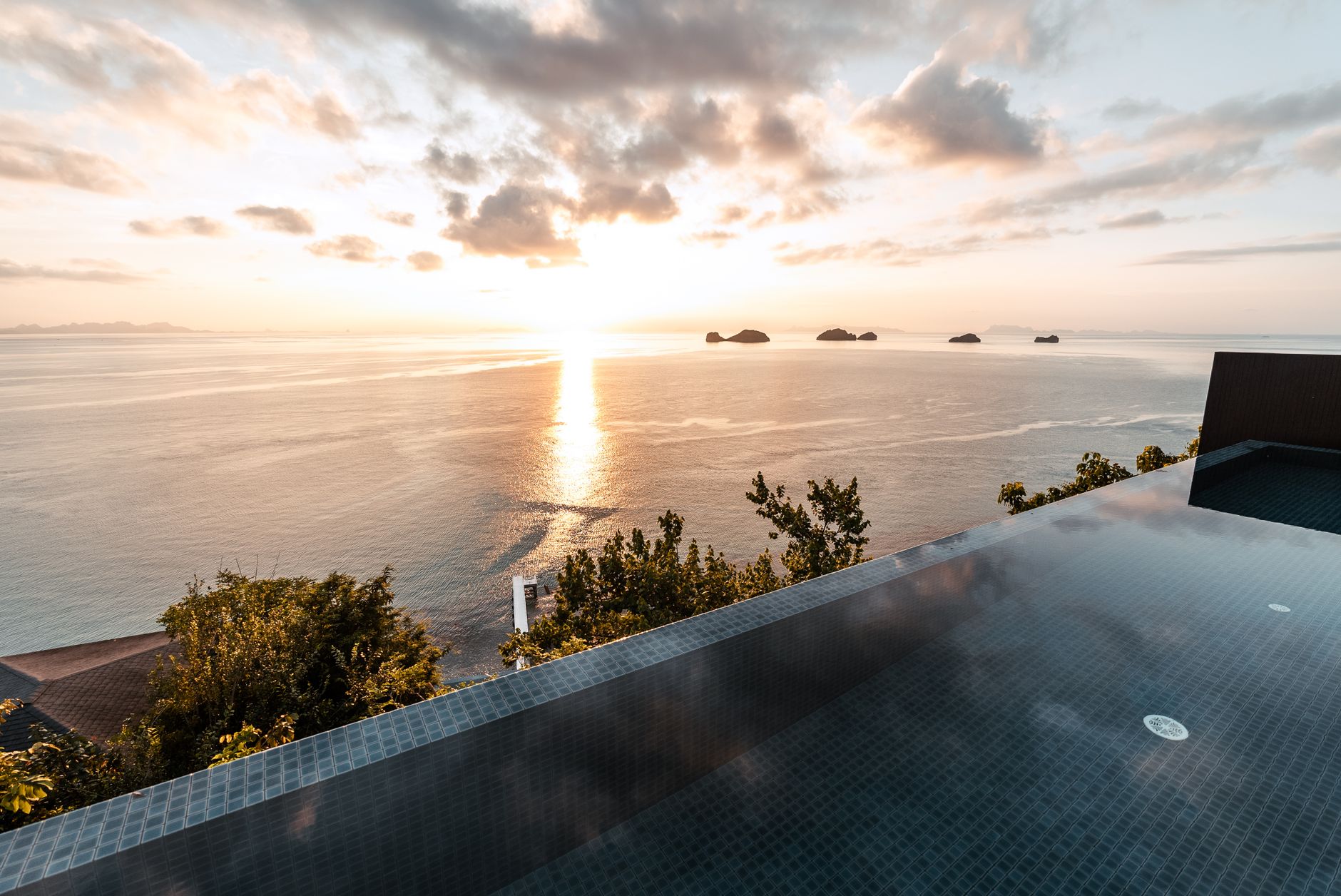




⭐⭐⭐⭐⭐⭐ I spent my birthday weekend at Cape Panwa Hotel, and it was truly an incredible experience from check-in to check-out. Every single part of our stay exceeded our expectations. The room was beautiful, spacious, and came with a large balcony that was perfect for relaxing. The pool, beach access, restaurants, and bars were all fantastic, and everything was well maintained and thoughtfully designed. Breakfast offered an excellent variety of choices, with something for everyone, and the quality was outstanding. What really made the stay special, though, was the consistently warm, friendly, and professional service from every member of the team. Thank you for making my birthday celebration so memorable. If I could give Cape Panwa Hotel 6 stars out of 5, I absolutely would. I can't wait to come back!
Cape Panwa
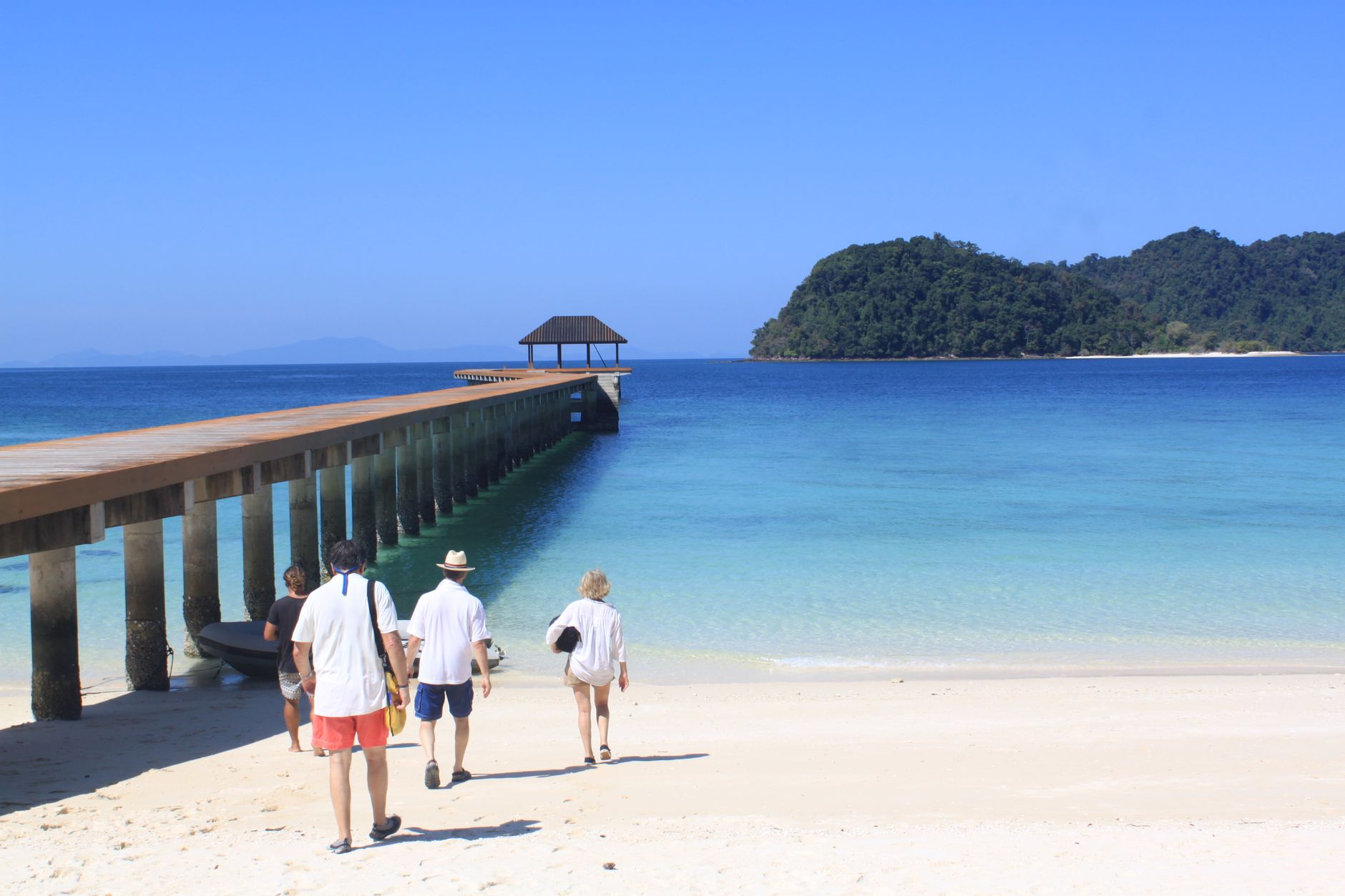
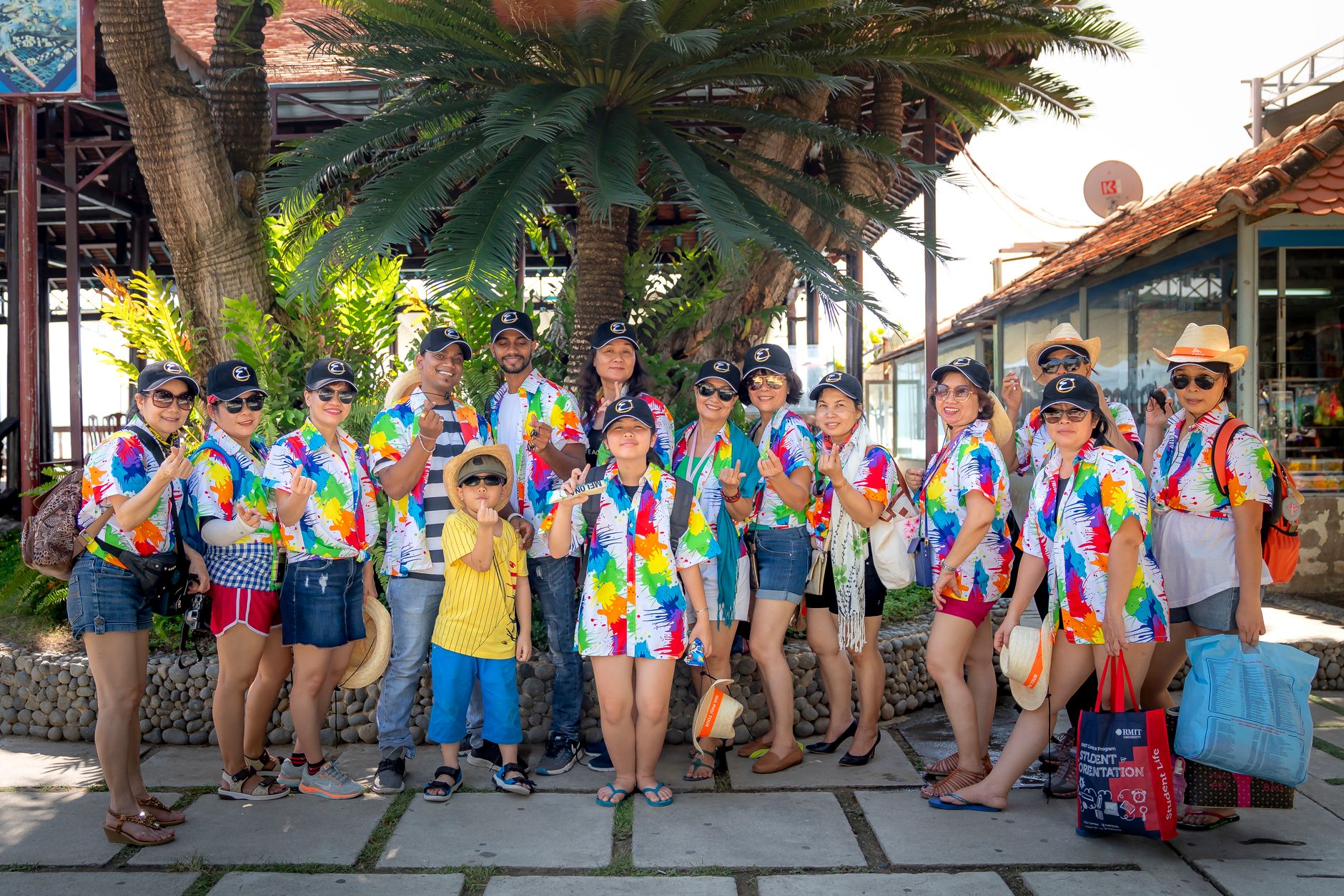
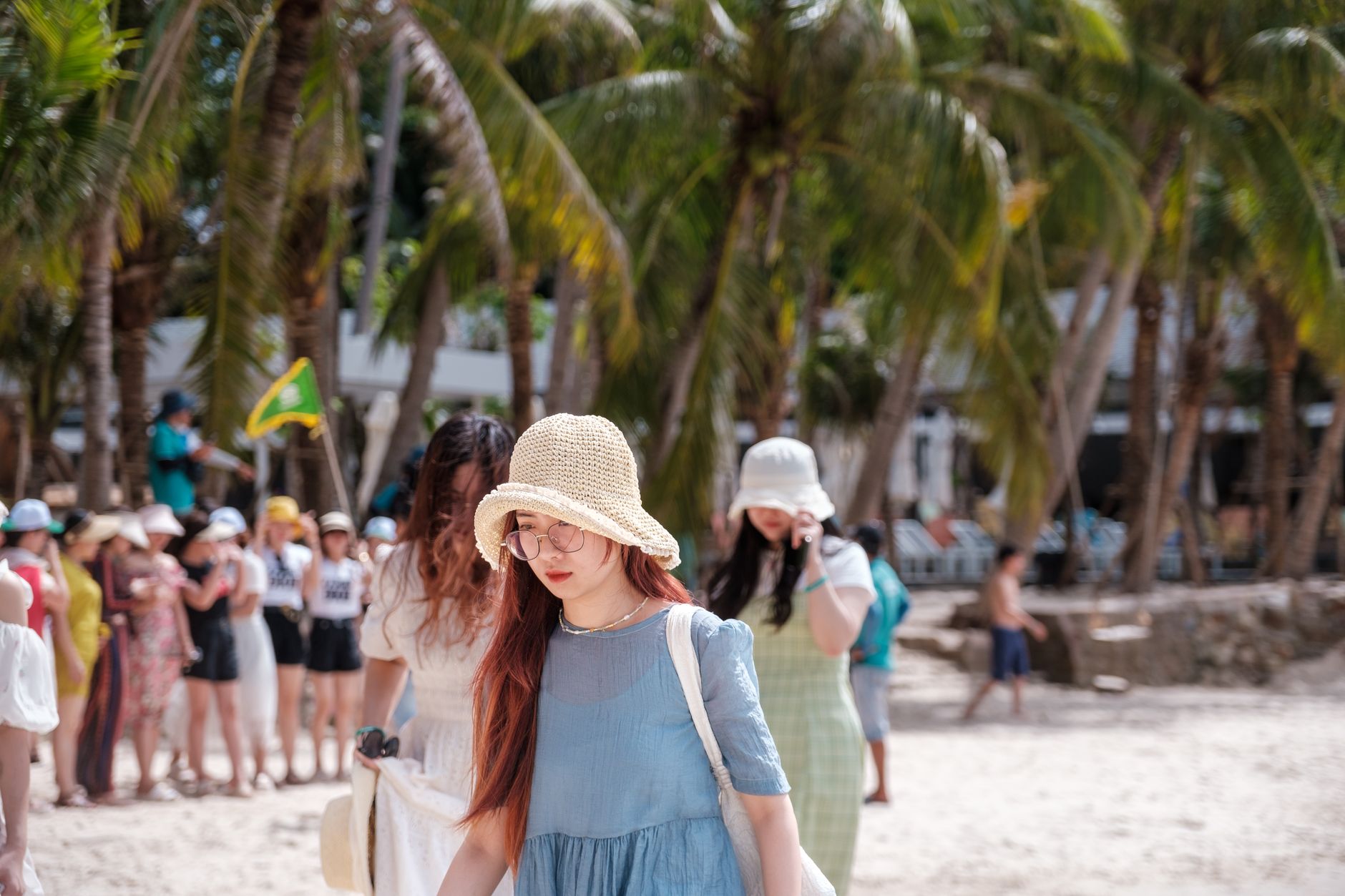
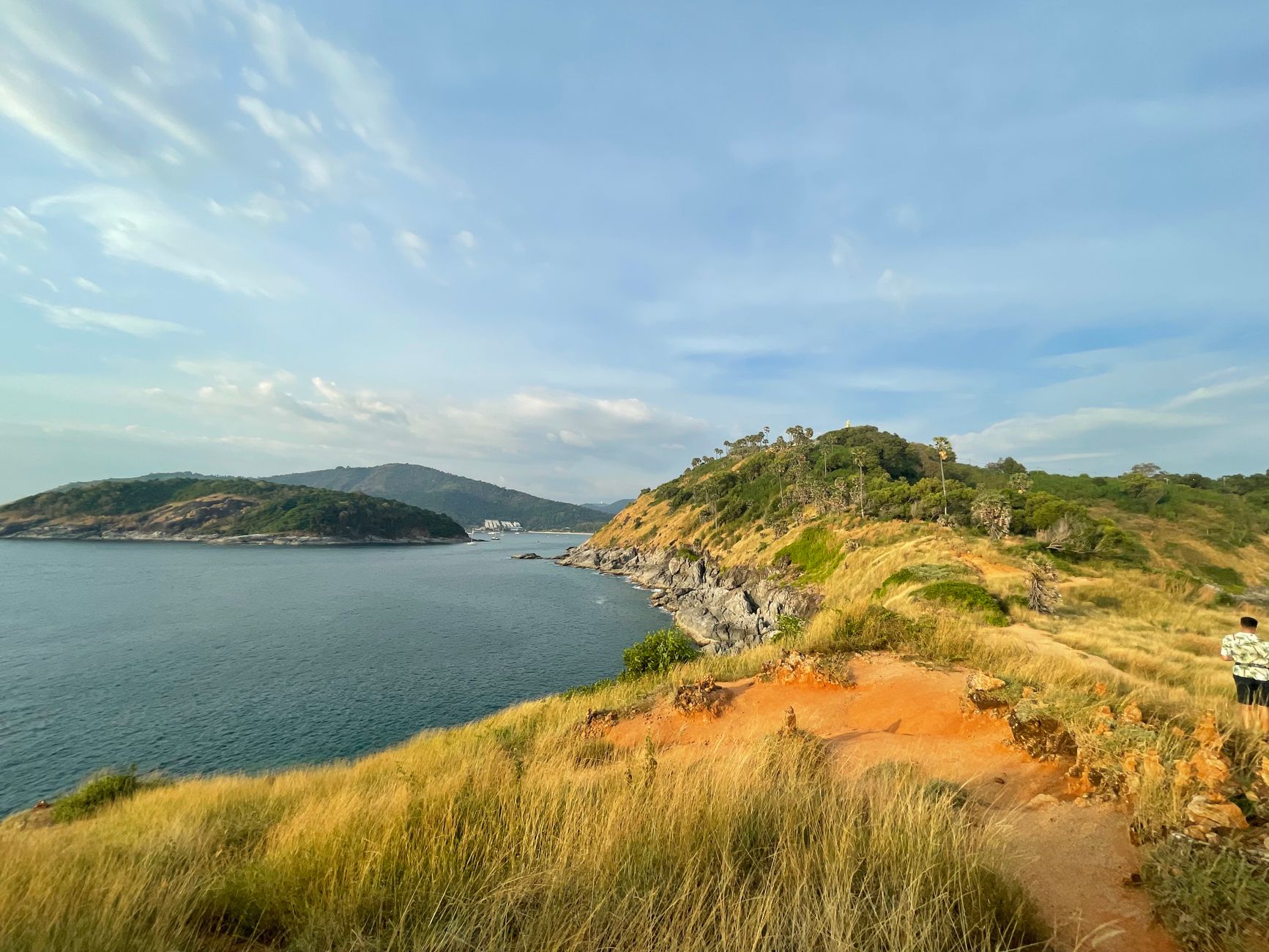
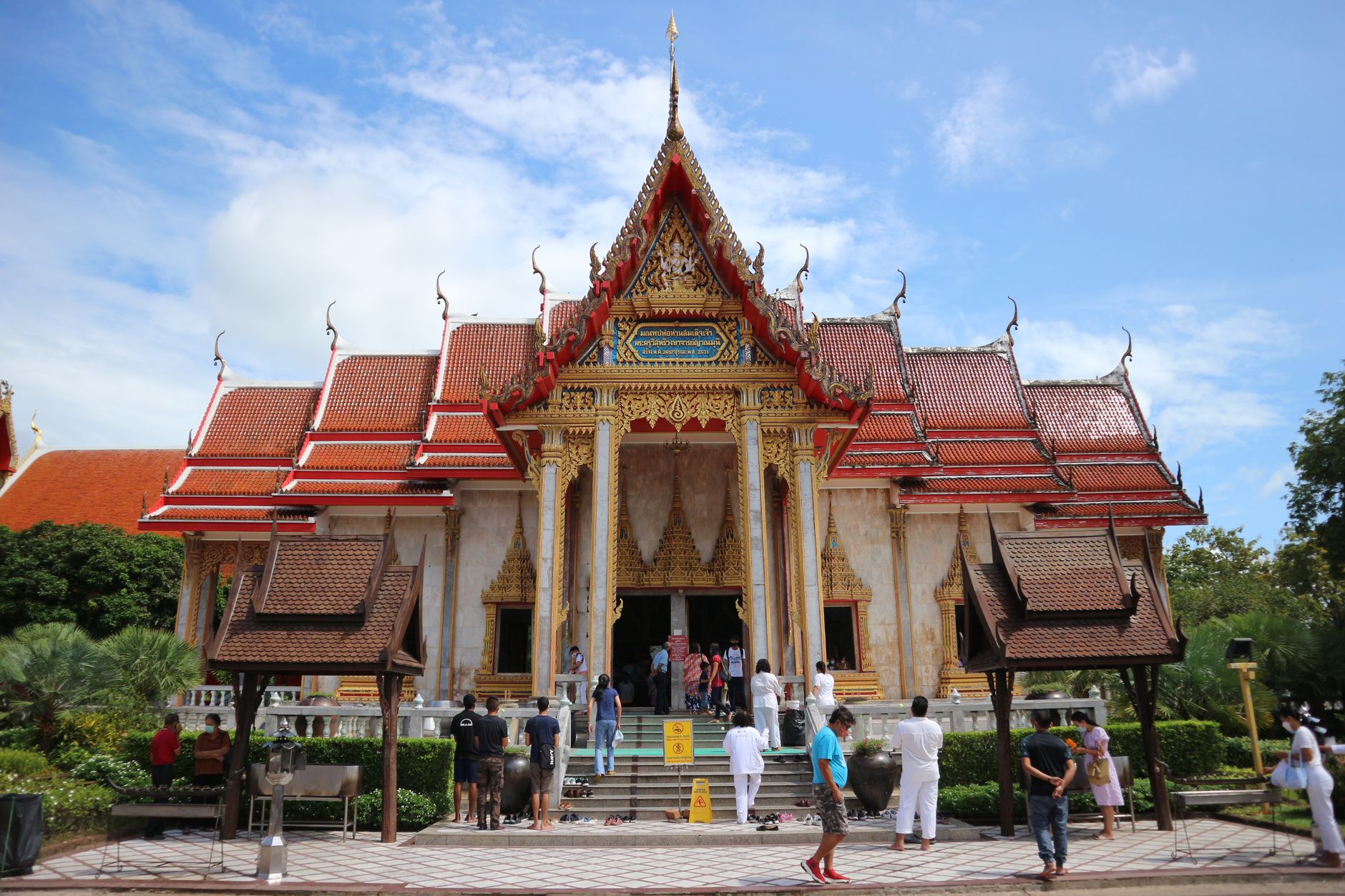
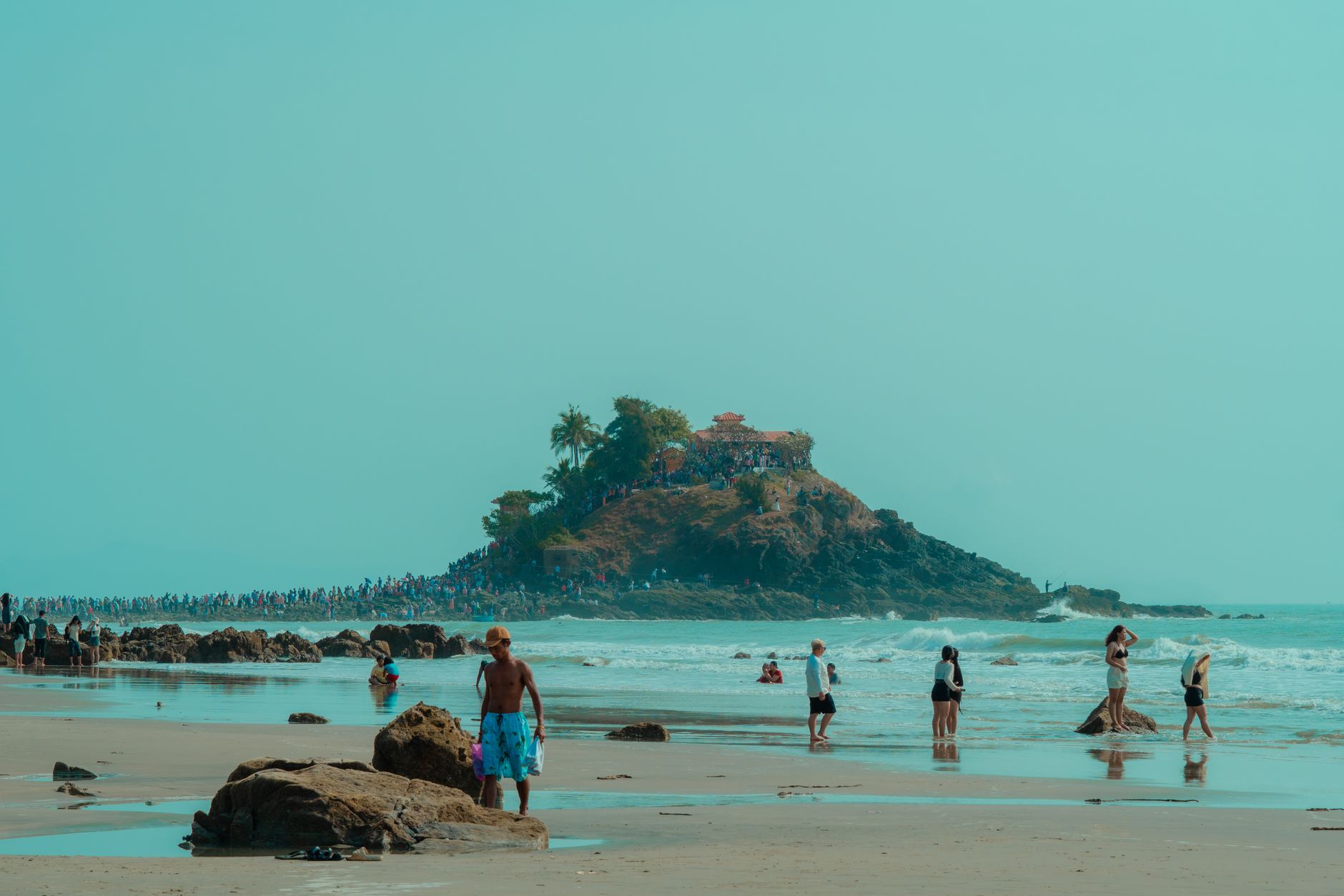
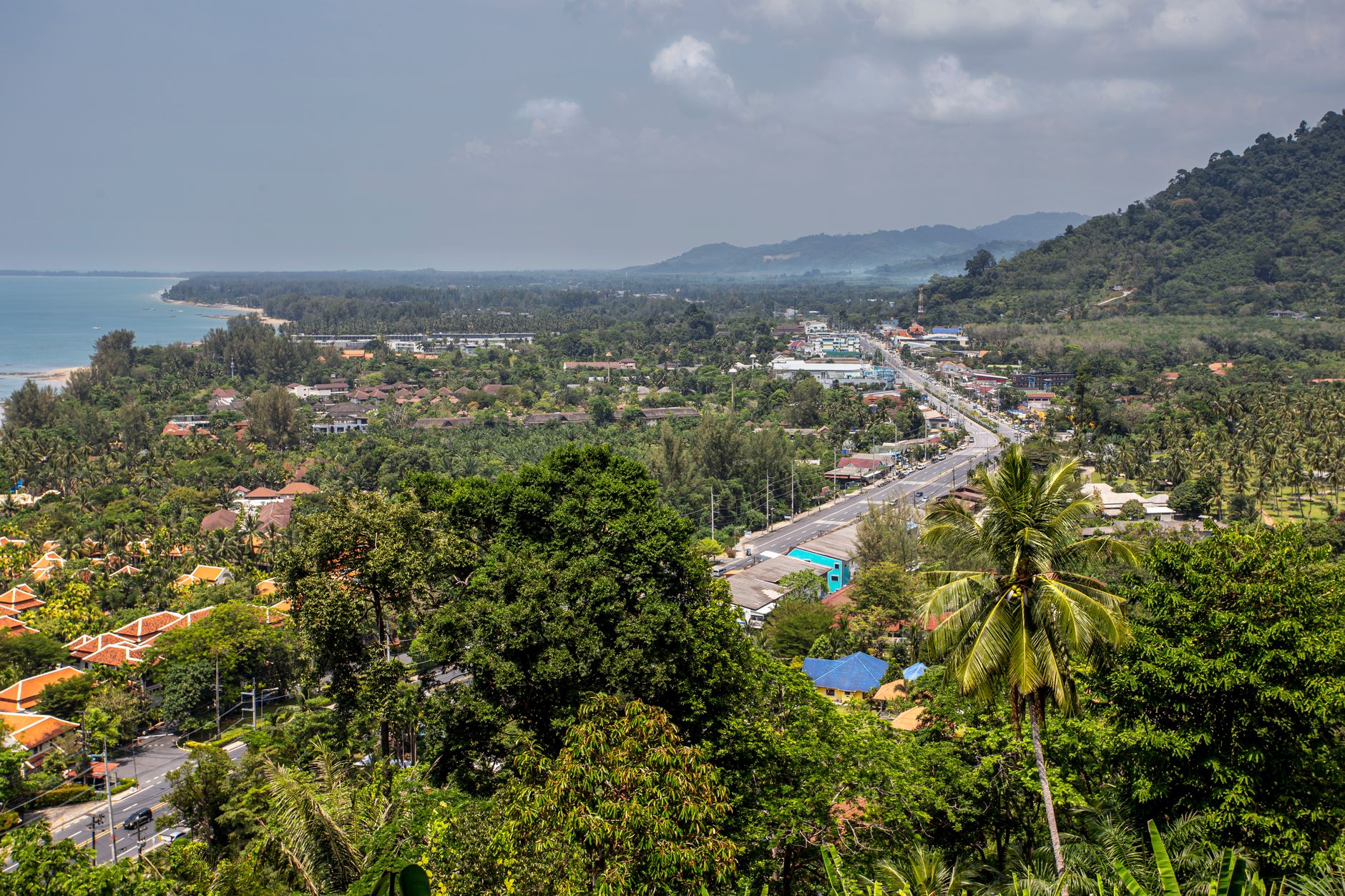
Ten kilometres south of Phuket Town, Cape Panwa occupies the island's southeastern tip with the kind of quietness that feels earned rather than manufactured. Rubber and palm plantations still outnumber resorts here, and Phuket's deep-sea port and naval base sit close enough to remind you this is a working place.
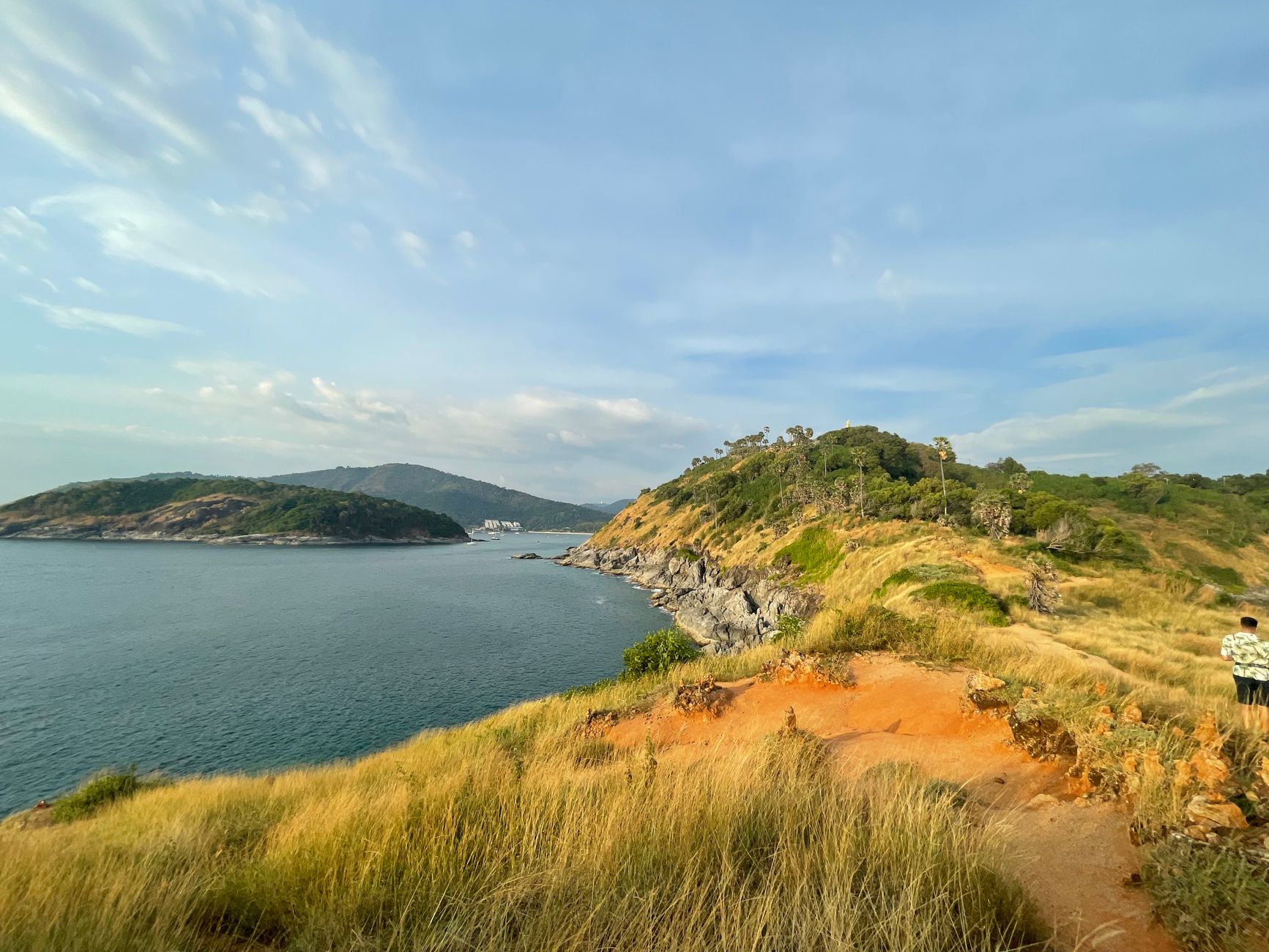
The western beach runs about 700 metres, with five-star villas pressed up against fishermen's shacks in a coexistence that nobody seems to have planned. At dusk, small food stalls gather near the sea, and the Khao Khad viewpoint tower — built in an Eastern architectural style — gives you Chalong Bay, Ao Yon Beach, and the distant silhouette of the Big Buddha all at once.
💛 What travellers fall for
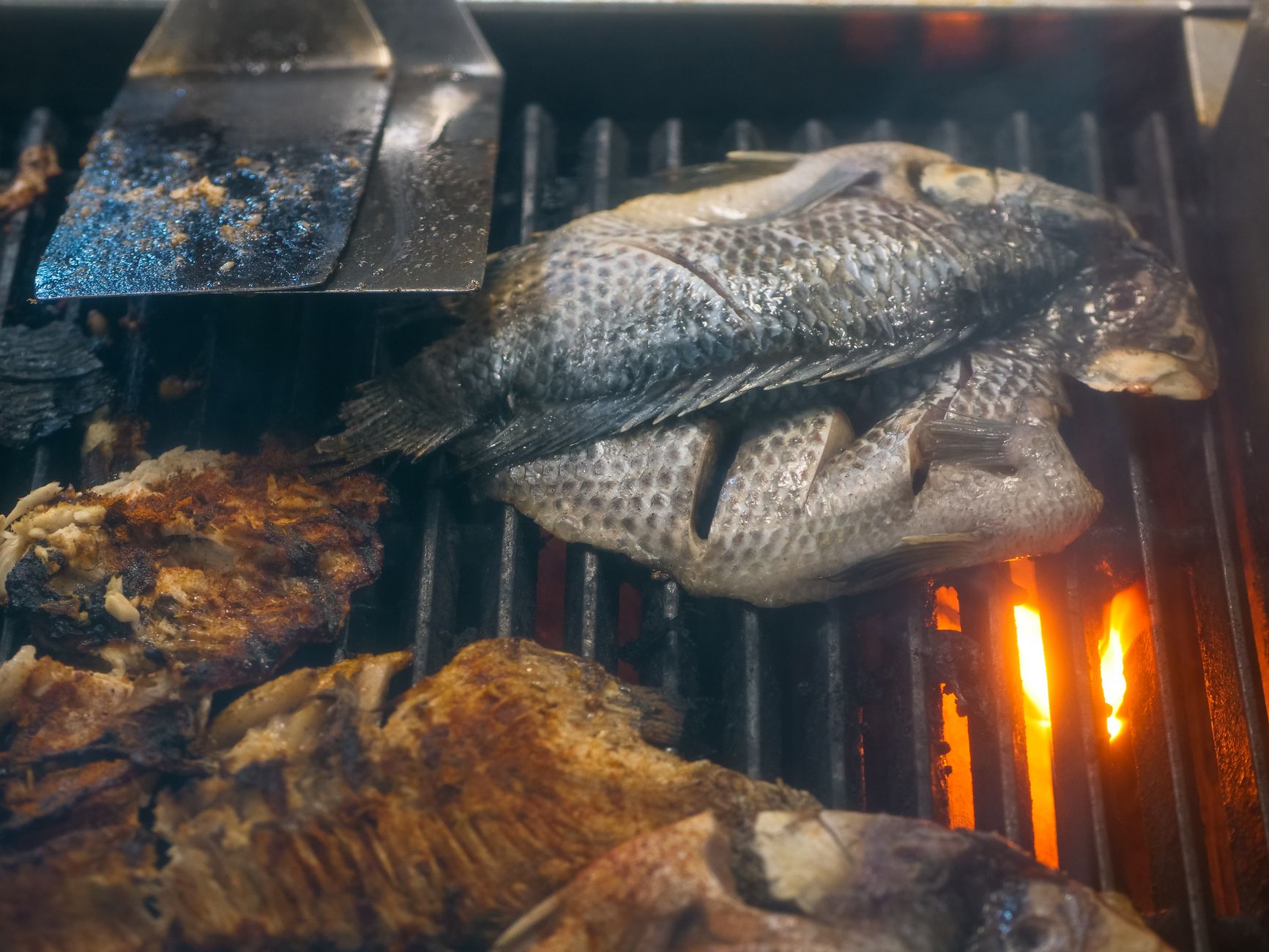
People who come back tend to time the Khao Khad viewpoint for late afternoon, when the light over Chalong Bay goes flat and golden. They eat at the evening stalls near the water rather than the hotel restaurants, and they catch the longtail from Panwa Pier for a day out to Coral Island before the tour groups arrive.
Experiences you don't want to miss
Deals in Cape Panwa
Book directly at the providerHow Cape Panwa came to be
Cape Panwa Hotel opened in December 1987, and by most accounts it was among the first luxury properties to stake a claim on this quieter, less-developed corner of the island. At the time, the cape was still defined by its plantations and its port rather than any tourist infrastructure.
The hotel drew a notable early crowd — Elizabeth Taylor visited in 1989, and over the following decades Pierce Brosnan, Leonardo DiCaprio, Gordon Ramsay, Michelle Yeoh, and others passed through. That early reputation for seclusion shaped the area's trajectory: subsequent development stayed in the five-star register, leaving the working character of the cape largely intact around it.
Who and what shaped it
People who shaped it
Landmark buildings
See Cape Panwa in motion
Plan your visit
On the map
When to go
November through March brings the best conditions — winds ease, seas settle, and January averages nearly eight hours of daily sunshine with humidity at its annual low. From May through October the southwest monsoon takes over; October is the wettest month, averaging 22 rainy days, and September offers barely three hours of sun a day.
Right now
What travellers say about Cape Panwa
We had such a wonderful stay at Cape Panwa Hotel over the weekend. From the moment we arrived, we were greeted by Maggie with genuine warmth and outstanding hospitality that made us feel right at home. The hotel is beautifully maintained, despite its many years of service, with breathtaking ocean views, and peaceful surroundings. It was and is the perfect place to unwind and enjoy a relaxing getaway. The private beach was stunning, and the facilities were excellent. The food was delicious with a great variety, and every member of the staff went above and beyond to ensure we had an enjoyable stay. Their friendliness, attentiveness, and professionalism truly made all the difference. Thank you William for being an amazing host. Thank you to the entire team at Cape Panwa Hotel for creating such a memorable experience. We left with wonderful memories and would not hesitate to return. Highly recommended for anyone looking for a luxurious and relaxing escape in Phuket!
When we checked in the young thai lady was very informative and her english was very good. (there were westerner staff there as well) my husband and I highly recommend dinning at Cafè Andaman and Breafast as well. It's one of the best breakfast we ever had through our travelling. Chef Nattavut ran his kitchen very well, his food is delicious!! We went to the sunset dinner and the fire dance. We have seen better, it was uncoordinated dance and the food wasn't great. You be better off eating at Andaman Cafè. The little variety shop in the hotel was quiet cheap. Cape Spa and Beauty Salon was exceptional. Highly recommended! The hotel have shuttle bus to Phuket Town, Central Festival Shopping Centre 200 Baht per person return trip. And to Patong Beach 400 Baht per person return trip. Overall we will be returning for another brief stay.
An incredible experience. The rooms are spacious and luxurious with stunning views from the balcony. Massive choice of dining experience - some require dress code. A short walk to the beach will leave you breathless, not from the walk but from the incredible beauty and scenery. The water is only a few degrees cooler than air temperature. This hotel has to be top of your list of hotels.
I had an absolutely exceptional experience at the SPA. Everything was simply perfect from beginning to end. As a therapist myself, with over 5 years of experience working in Australia in high-end, luxury spa environments, I can confidently say that the standards here are truly outstanding. The level of professionalism, attention to detail, and overall experience exceeded my expectations. From the moment you arrive, the welcome is flawless, the refreshing cold towel, the warm and genuine hospitality, and the calming atmosphere immediately set the tone. The space is beautiful, the treatment rooms are divine, and the cleanliness and presentation are impeccable. The treatments themselves were incredible. The therapists are highly skilled, attentive, and intuitive, it was honestly one of the best massages I’ve ever had. I visited with a group of five people, and every single one of us left feeling happy, relaxed, and completely satisfied with our treatments. Every small detail is thoughtfully considered, from the delicate floral touches to the delicious tea and cookies served after the treatment. You can truly feel the care and intention behind every step of the experience. I can’t recommend this place enough. A perfect, luxurious, and unforgettable spa experience.
Background & history adapted from Wikipedia (CC BY-SA) · specs from Wikidata (CC0) · weather from Open-Meteo · map data © OpenStreetMap contributors · photos from Wikimedia Commons / Unsplash with per-image credit. No third-party reviews or social posts reproduced.