
Kamala
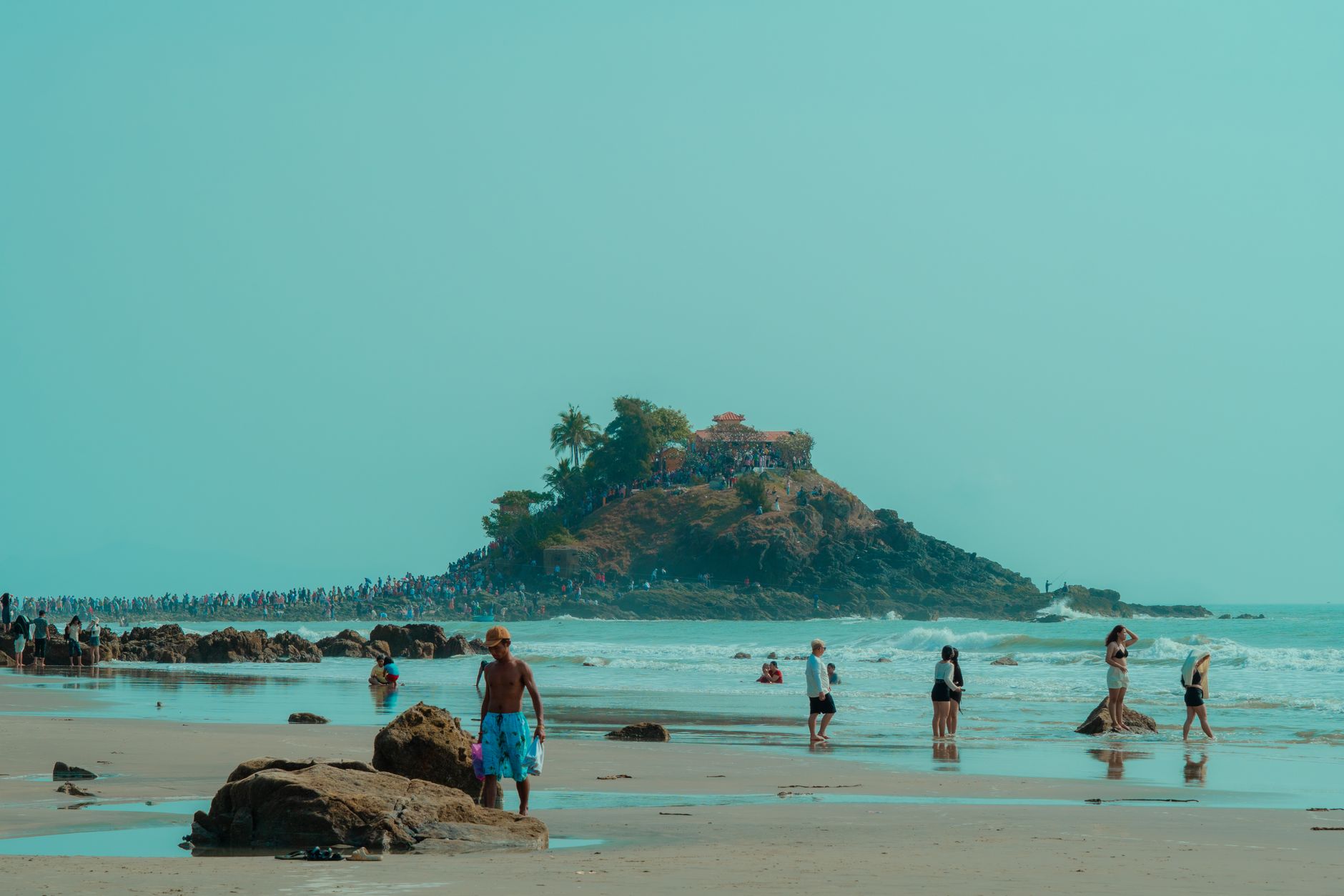
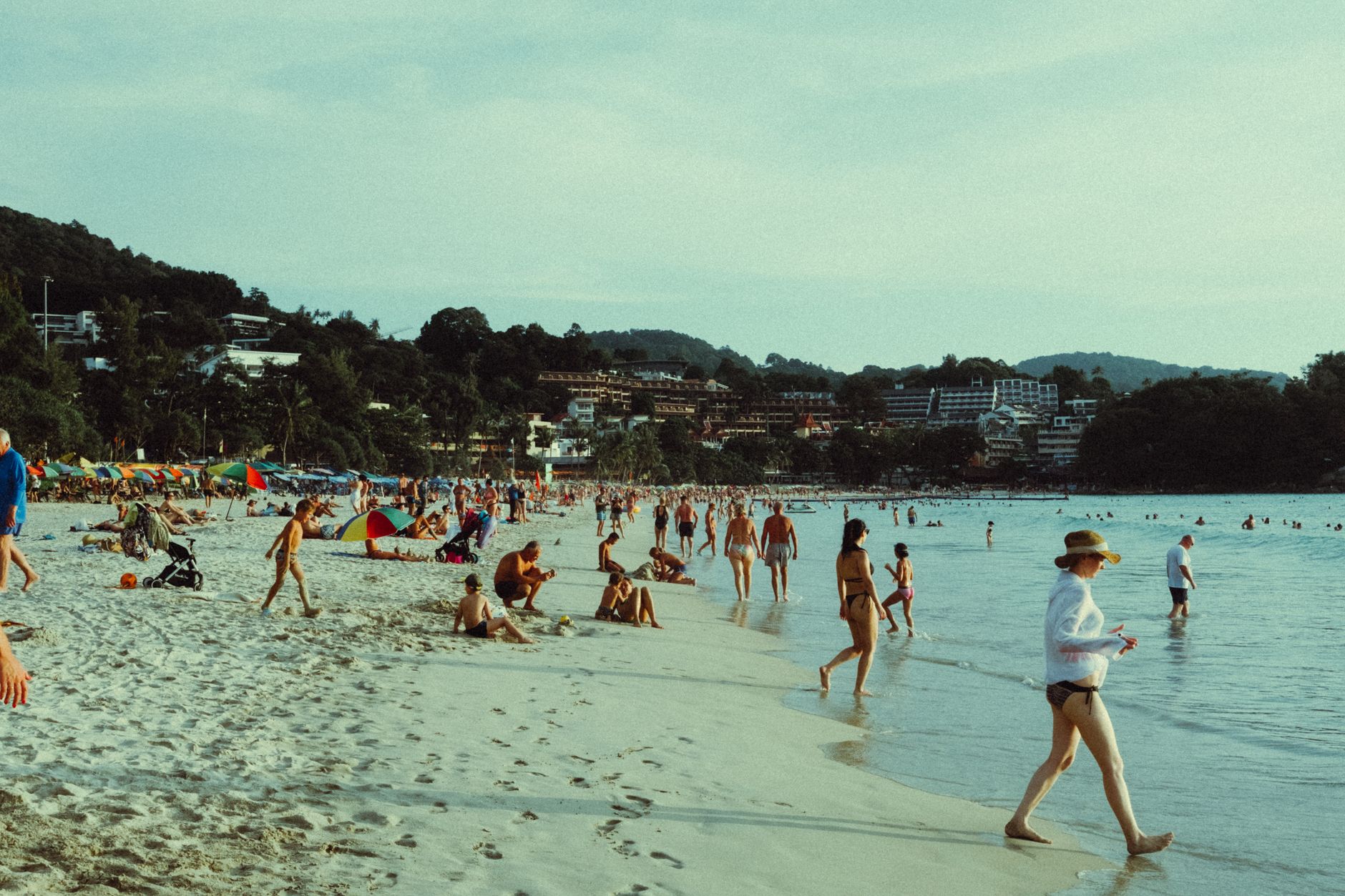
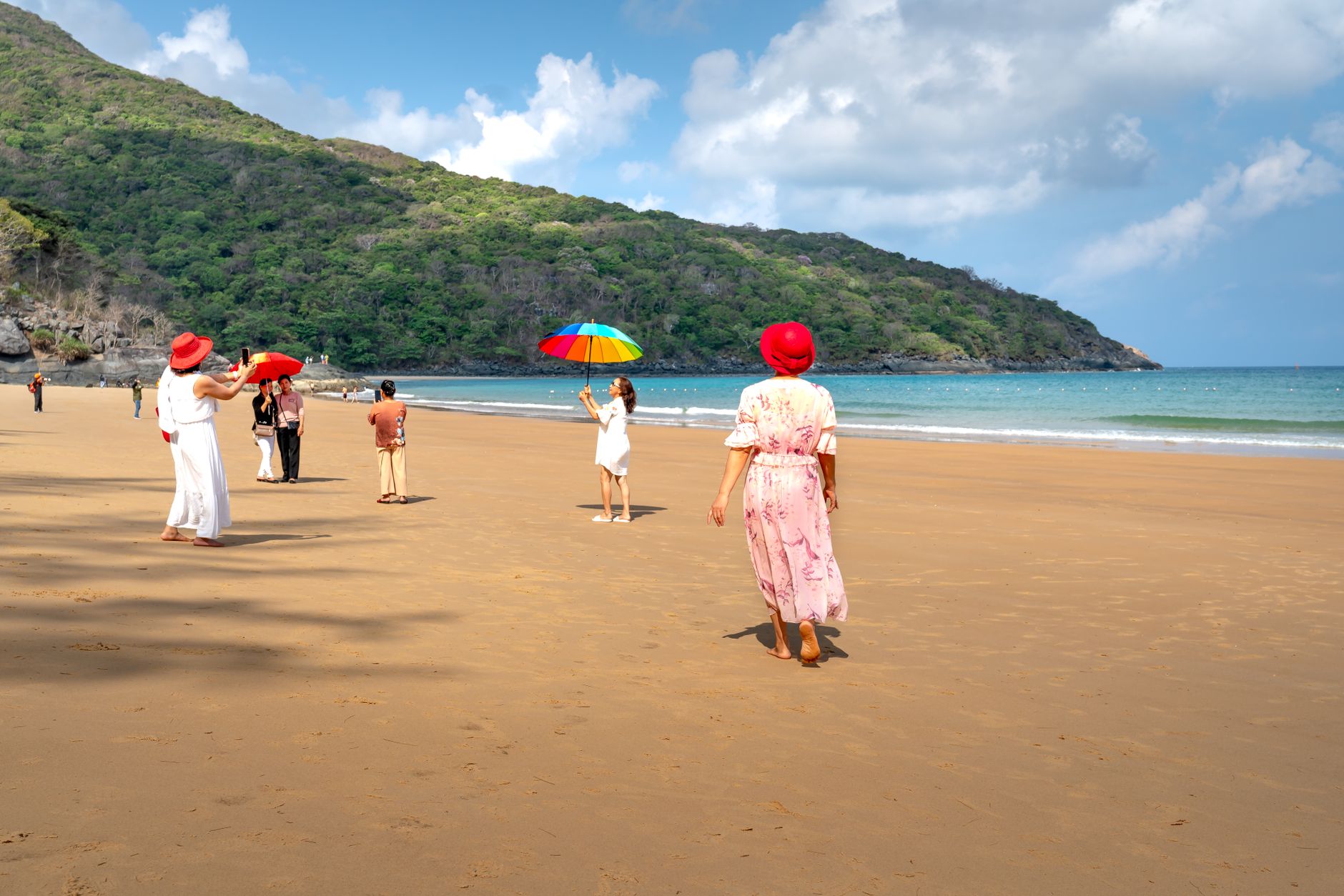
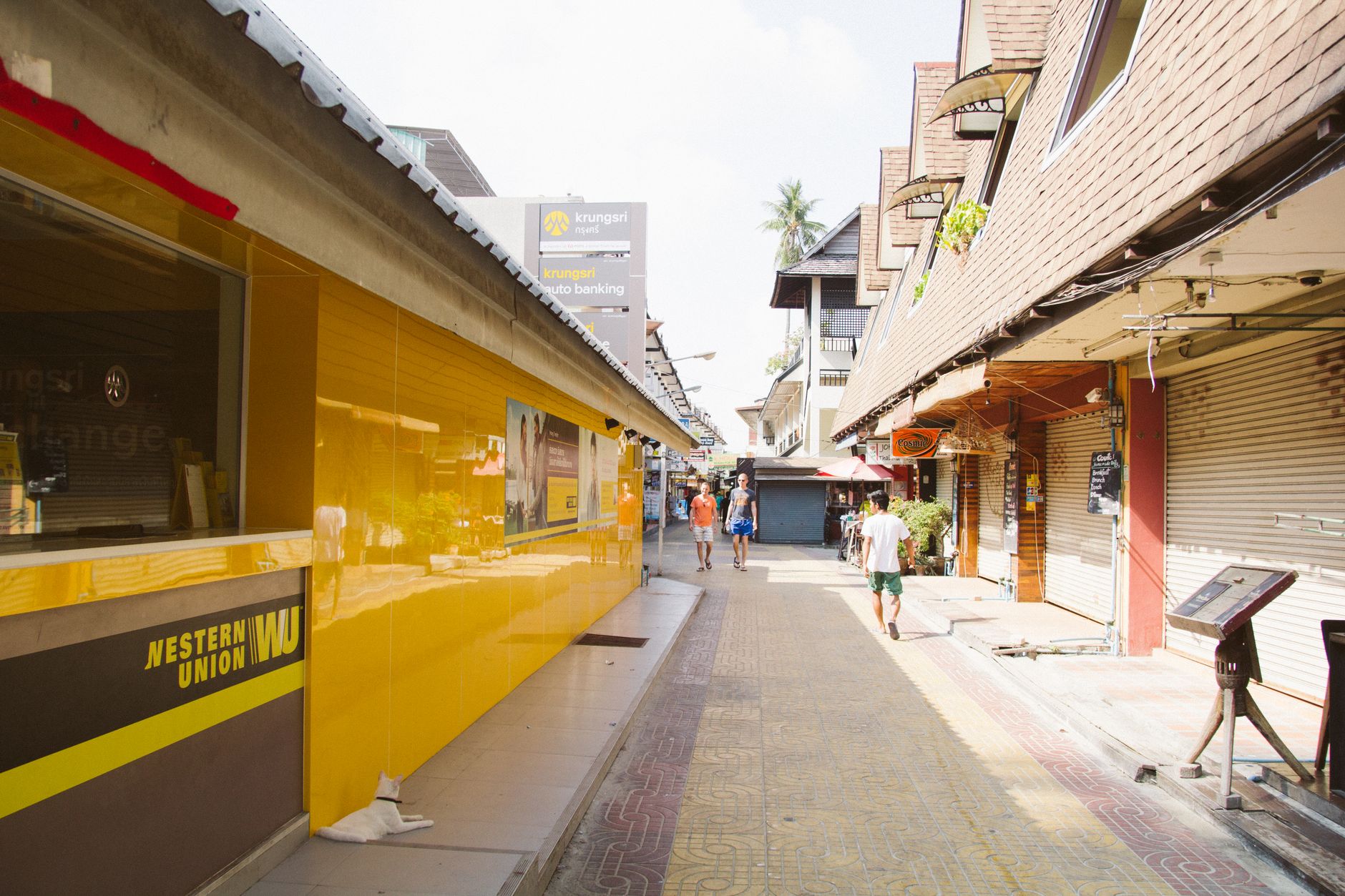
Kamala's name comes from the Sanskrit word for lotus, and there's something in that — a place that grew up quietly from the water. The beach runs about three kilometres in a gentle curve, and the village sits back from it along the main road, where locals still shop and the mosque still calls the day into order. This is one of the few stretches of Phuket's west coast where a Muslim fishing community predates the tourism economy, and that layering is still readable in the streetscape.
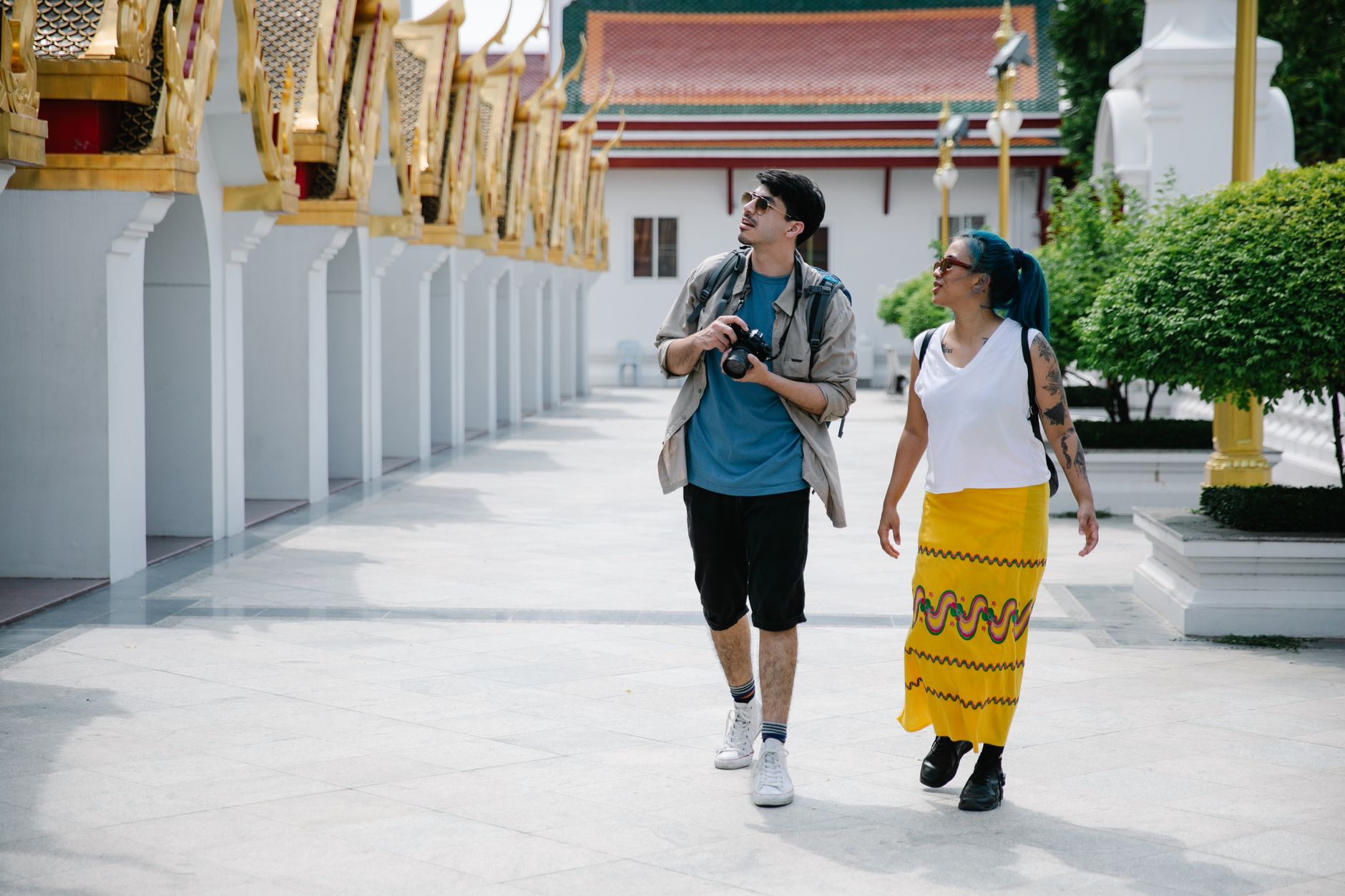
The 2004 tsunami hit Kamala hard — it and Patong recorded the highest casualties on the island. Wat Baan Kamala, the Buddhist temple at the beach's southern end, was entirely rebuilt afterwards. It's a quiet place now, well-kept, with a landscaped garden that catches the afternoon light.
💛 What travellers fall for
People who keep coming back to Kamala tend to mention the Friday market — fresh seafood, vegetables, and food stalls that reflect the local Muslim tradition more than anything you'll find on the tourist drag. Go early, before the produce thins out. The Phuket Smart Bus connects you north to Surin and Bang Tao without needing to negotiate a taxi fare.
Deals in Kamala
Book directly at the provider

How Kamala came to be
Kamala was a fishing and farming village long before Phuket became a destination. Its population was — and remains — largely Muslim, which set it apart from much of the island and shaped its architecture, its calendar, and its food culture. Mosques and traditional practices have persisted alongside the resorts that arrived in the late twentieth century.
The opening of Phuket FantaSea in 1998, a 140-acre cultural theme park on the village's edge, marked the clearest turn toward tourism. Then, on 26 December 2004, the Indian Ocean tsunami reshaped the community again: Kamala and Patong recorded 279 deaths between them, the highest toll on Phuket's coast. The rebuilt Wat Baan Kamala stands as the most visible sign of what was lost and what was restored.
Who and what shaped it
Landmark buildings
See Kamala in motion
Plan your visit
On the map
When to go
November through April is when the Andaman Sea settles — clear water, manageable humidity, daytime temperatures around 30–32°C. From May to October the southwest monsoon brings rain and rough surf on this west-facing coast, which limits swimming but also empties the beach considerably.
Right now
Background & history adapted from Wikipedia (CC BY-SA) · specs from Wikidata (CC0) · weather from Open-Meteo · map data © OpenStreetMap contributors · photos from Wikimedia Commons / Unsplash with per-image credit. No third-party reviews or social posts reproduced.