
Phuket City
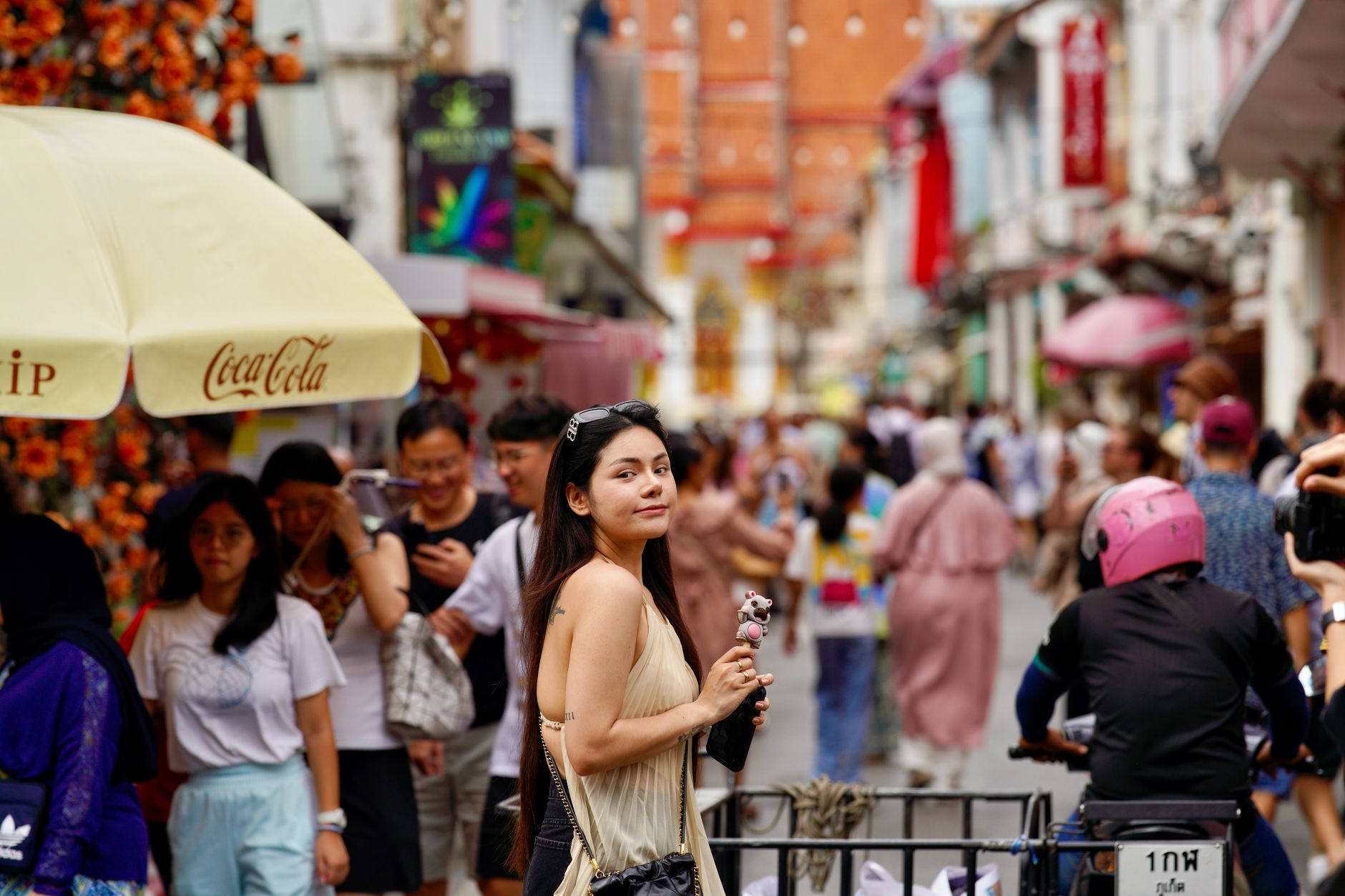
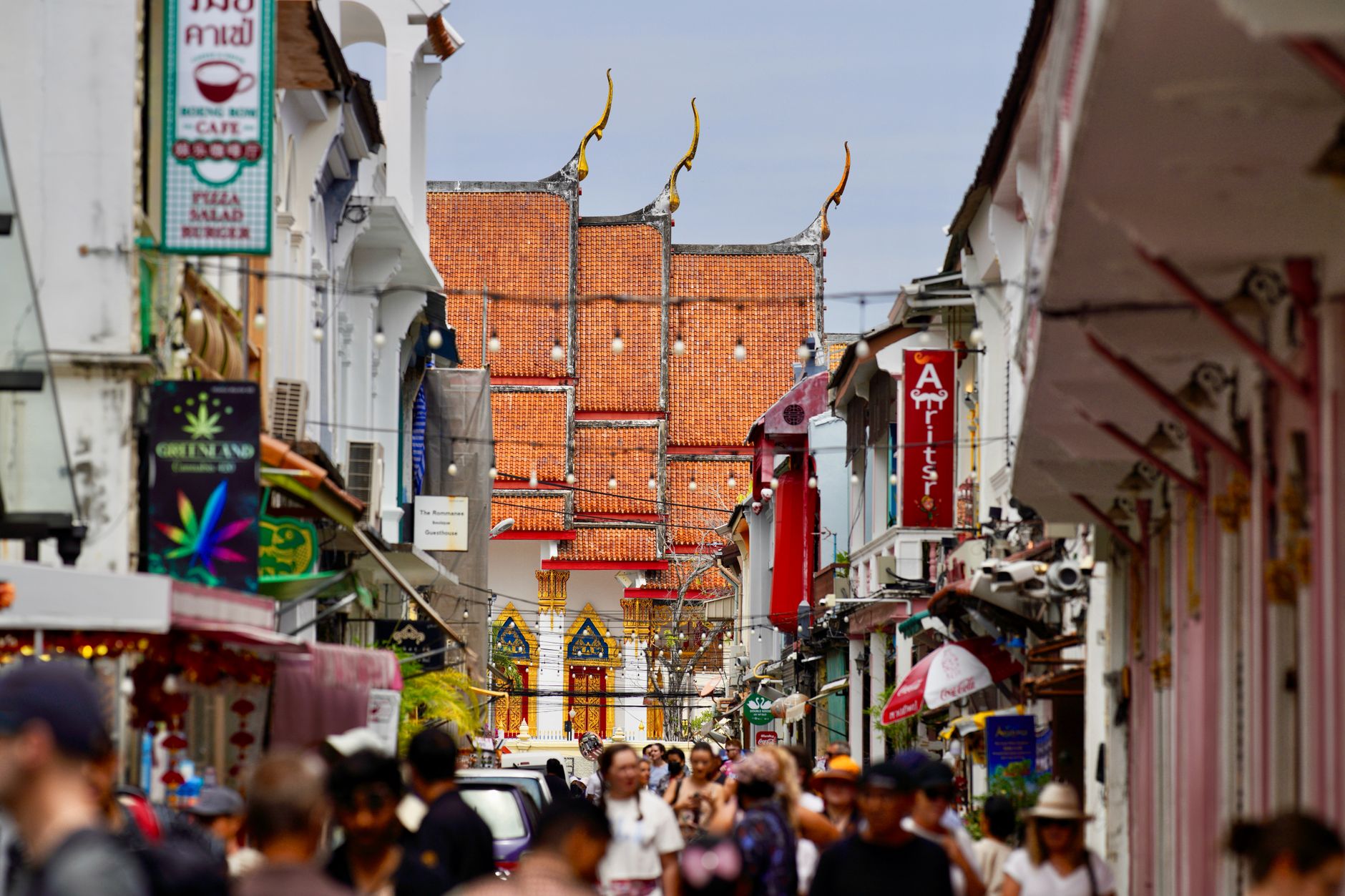
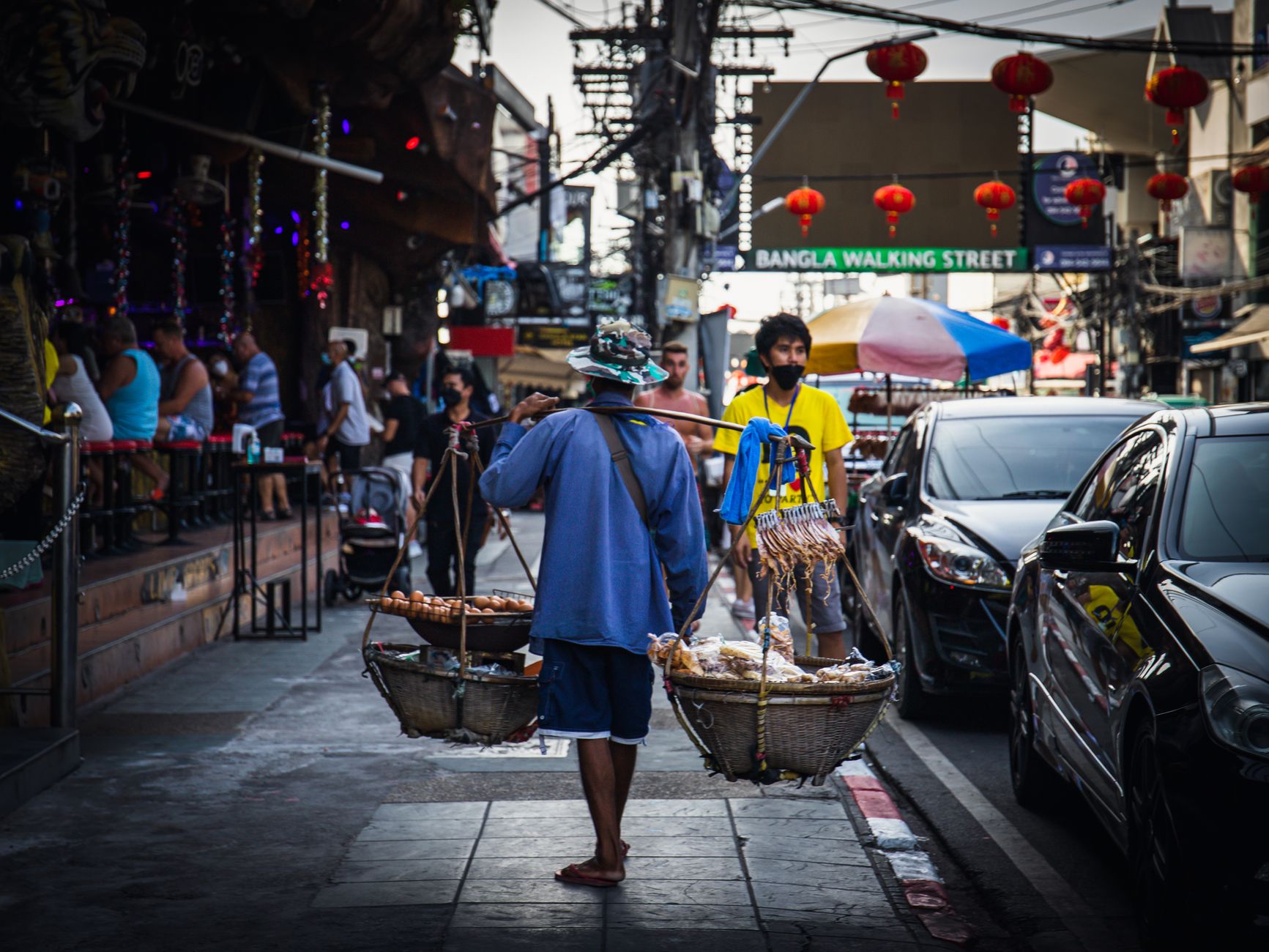
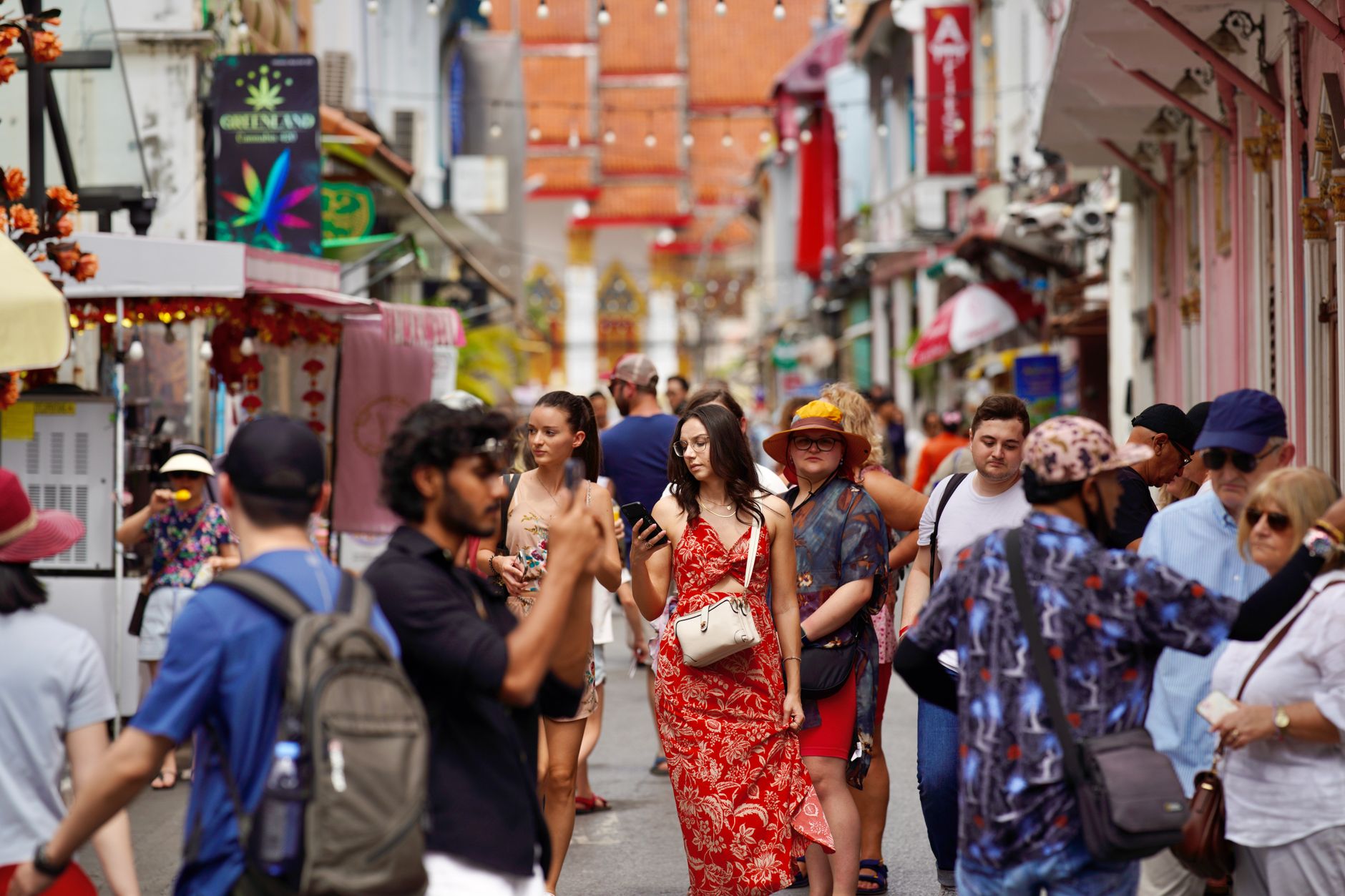
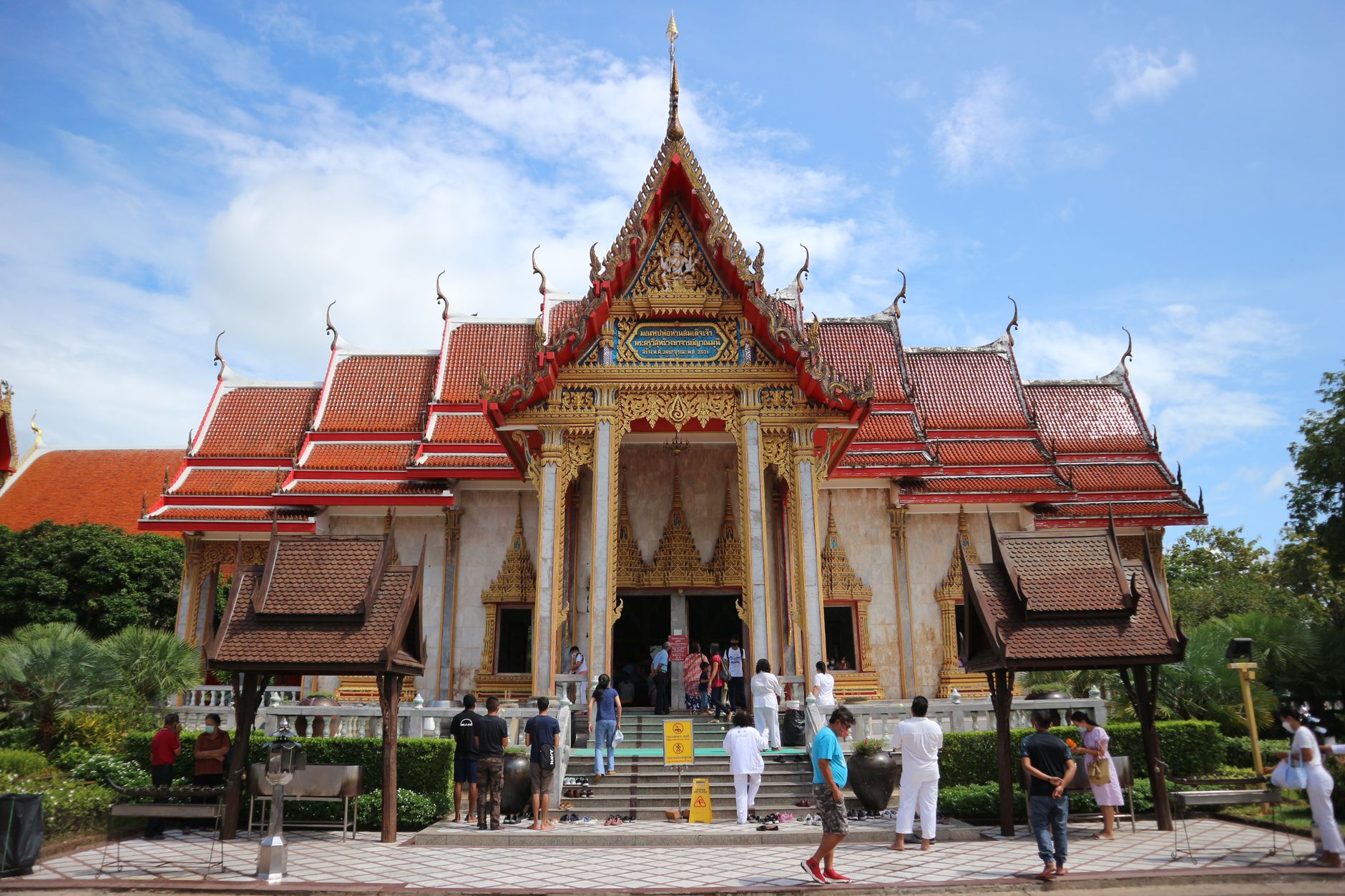
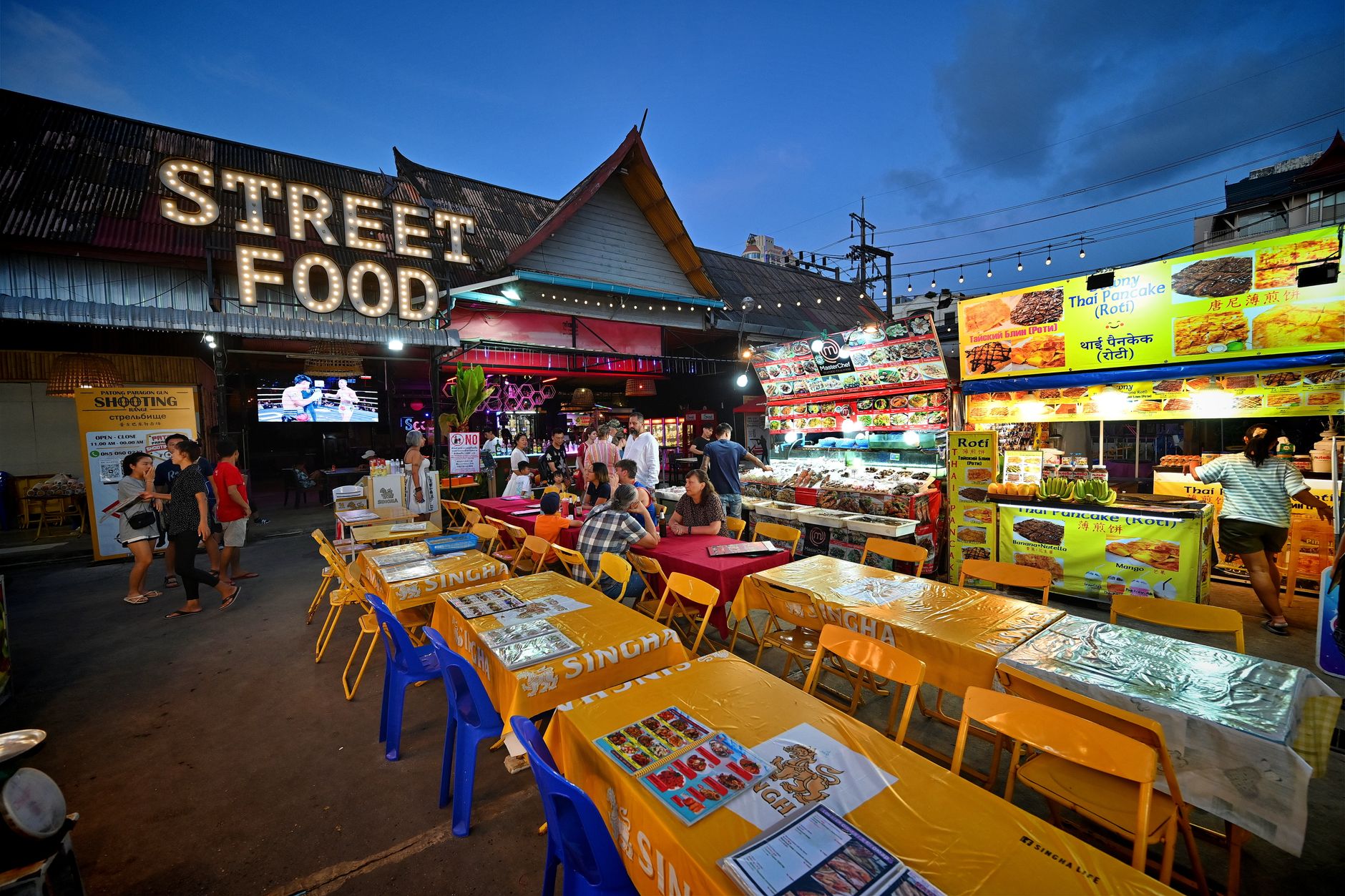
The streets of Phuket City smell of five-spice and motor oil, and the shophouse facades along Phang Nga Road are painted in the faded yellows and greens that a century of monsoons can produce. This is the island's actual town — the one that existed long before the beach resorts — and it repays a slow walk. Sino-Portuguese arcades shade the pavements, a free museum sits inside a yellow colonial building on the corner of Phangnga and Phuket Roads, and on Sunday evenings Thalang Road closes to traffic for a street market that runs until ten.
Phuket City is the administrative and cultural centre of the island, and it connects to everything else: songthaews fan out from the Old Town toward the beaches that other Yeppa guides cover. But the town itself is worth two or three days of your own.
💛 What travellers fall for
Regulars tend to anchor themselves in the Old Town and work outward. The Sunday Walking Street on Thalang Road — locally called Lard Yai — is the consistent recommendation: go early in the window, around 16:00, before the crowd thickens. Wat Mongkol Nimit, sitting opposite Soi Romanee, is quieter than people expect for a temple this central.
Deals in Phuket City
Book directly at the provider


How Phuket City came to be
What is now Phuket City began around 1800 as a rough Chinese port settlement along Phoonpon Road. The real acceleration came with tin. Hokkien Chinese labourers arrived in numbers, and the town that grew around the mines acquired its architectural character between 1900 and the 1910s — the Sino-Portuguese shophouses that still line ten heritage streets were built in that window. Phraya Rassada, High Commissioner from 1900 to 1913 and remembered as the Father of Modern Phuket, was the administrator who shaped much of that transformation.
The town's deeper roots go back further. In 1785 two sisters, Chan and Muk, rallied the population to break a Burmese siege; King Rama I later granted them the honorific titles Thao Thep Kasattri and Thao Si Sunthon, and a monument on Highway 402 still marks their names. During the reign of Rama V, Phuket was designated the administrative centre for tin-producing southern Siam. The city was formally elevated to city status on 13 February 2004.
Who and what shaped it
People who shaped it
Landmark buildings
See Phuket City in motion
Plan your visit
On the map
When to go
Phuket City is hot year-round. The southwest monsoon runs from roughly May through October, bringing heavy rain and occasional flooding in low-lying streets. November to April is drier and slightly cooler — the more comfortable window for walking the Old Town at length.
Right now
Background & history adapted from Wikipedia (CC BY-SA) · specs from Wikidata (CC0) · weather from Open-Meteo · map data © OpenStreetMap contributors · photos from Wikimedia Commons / Unsplash with per-image credit. No third-party reviews or social posts reproduced.