
Kathu
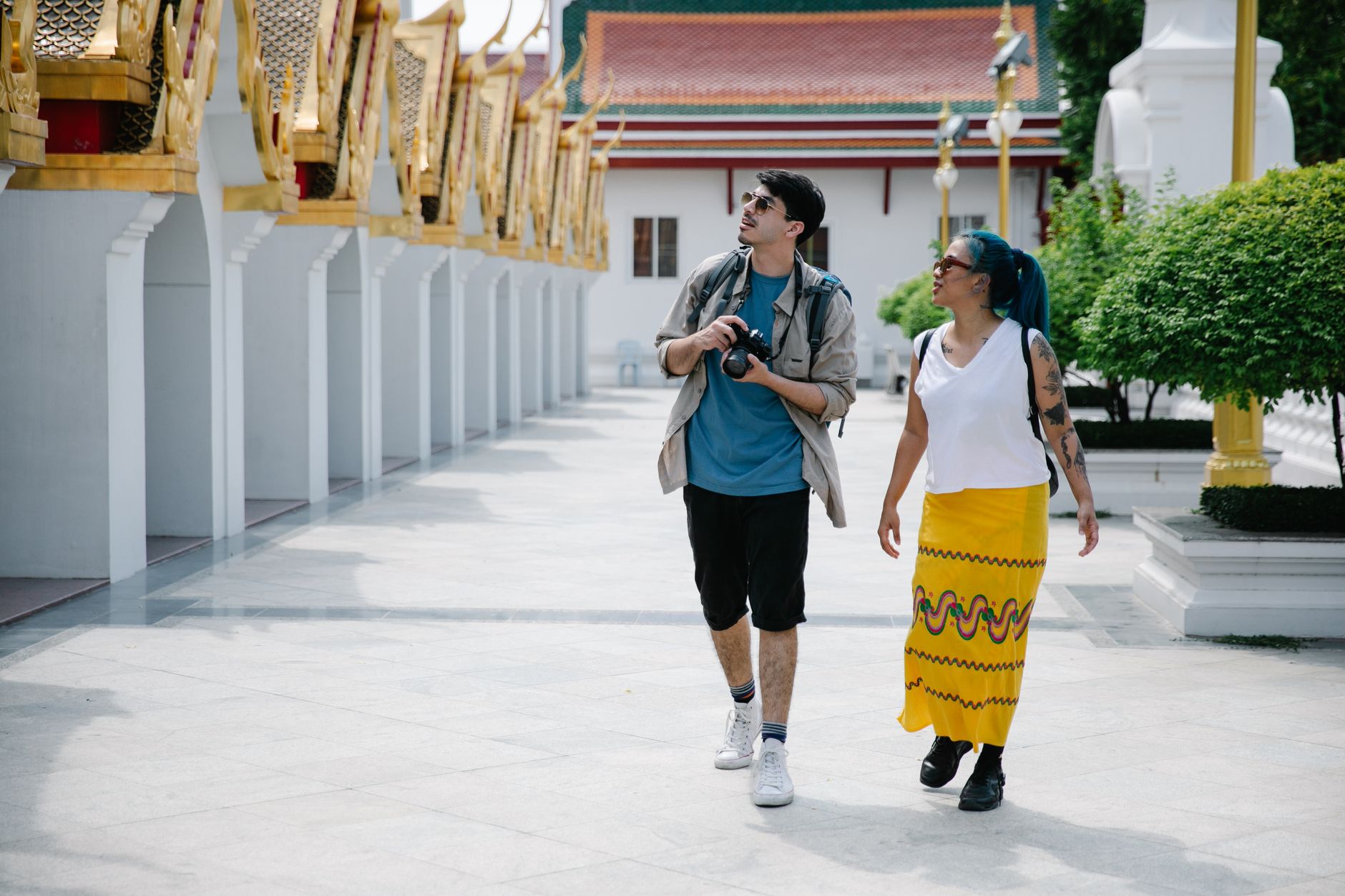



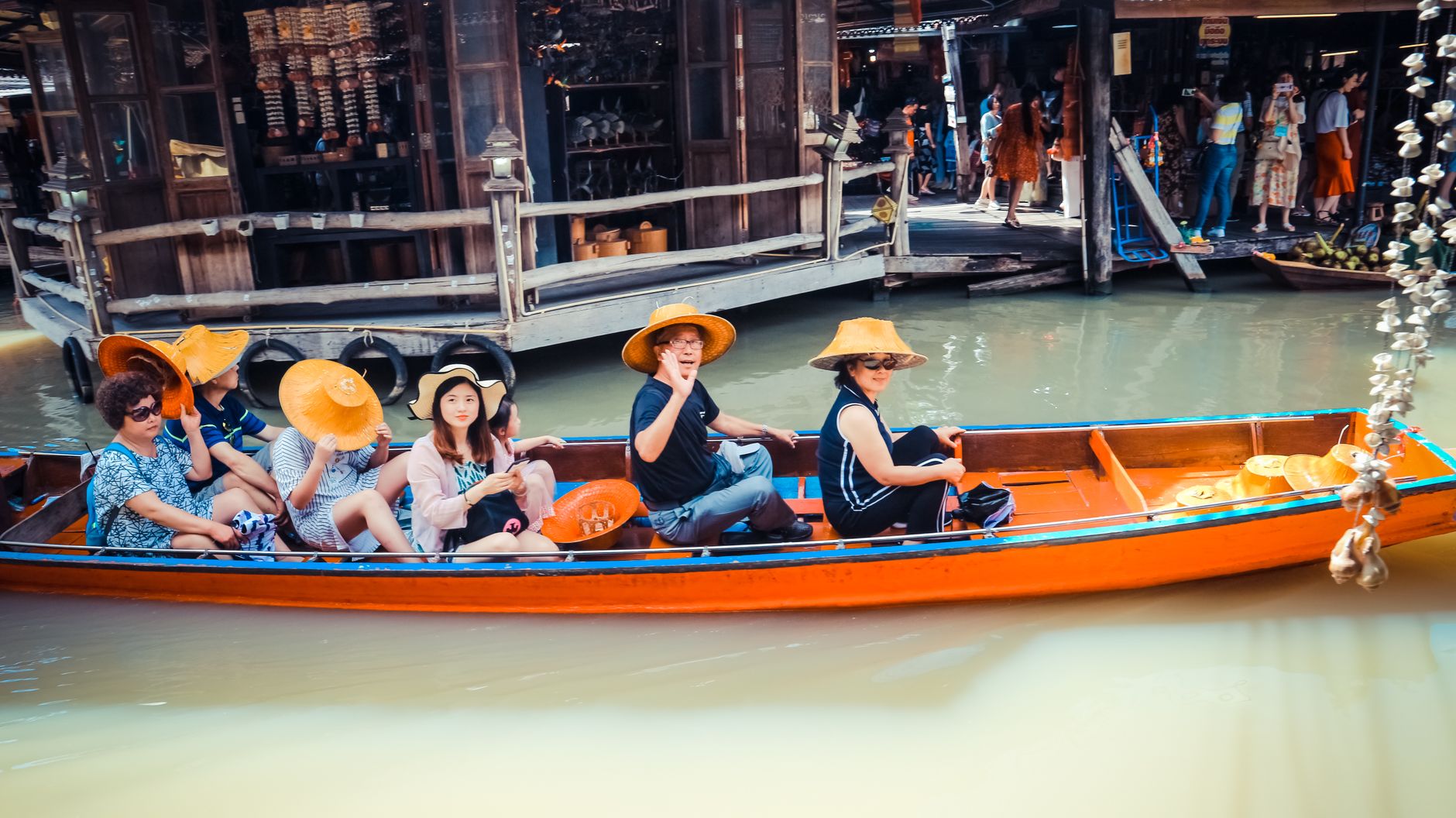
Most people pass straight through Kathu without slowing down — it sits midway between Patong Beach and Phuket Town, and the road is easy. That's their loss. Kathu is where the island's older bones show: a tin-mining past, a Buddhist temple that predates the beach resorts by centuries, and a Chinese shrine that gave birth to the Phuket Vegetarian Festival.
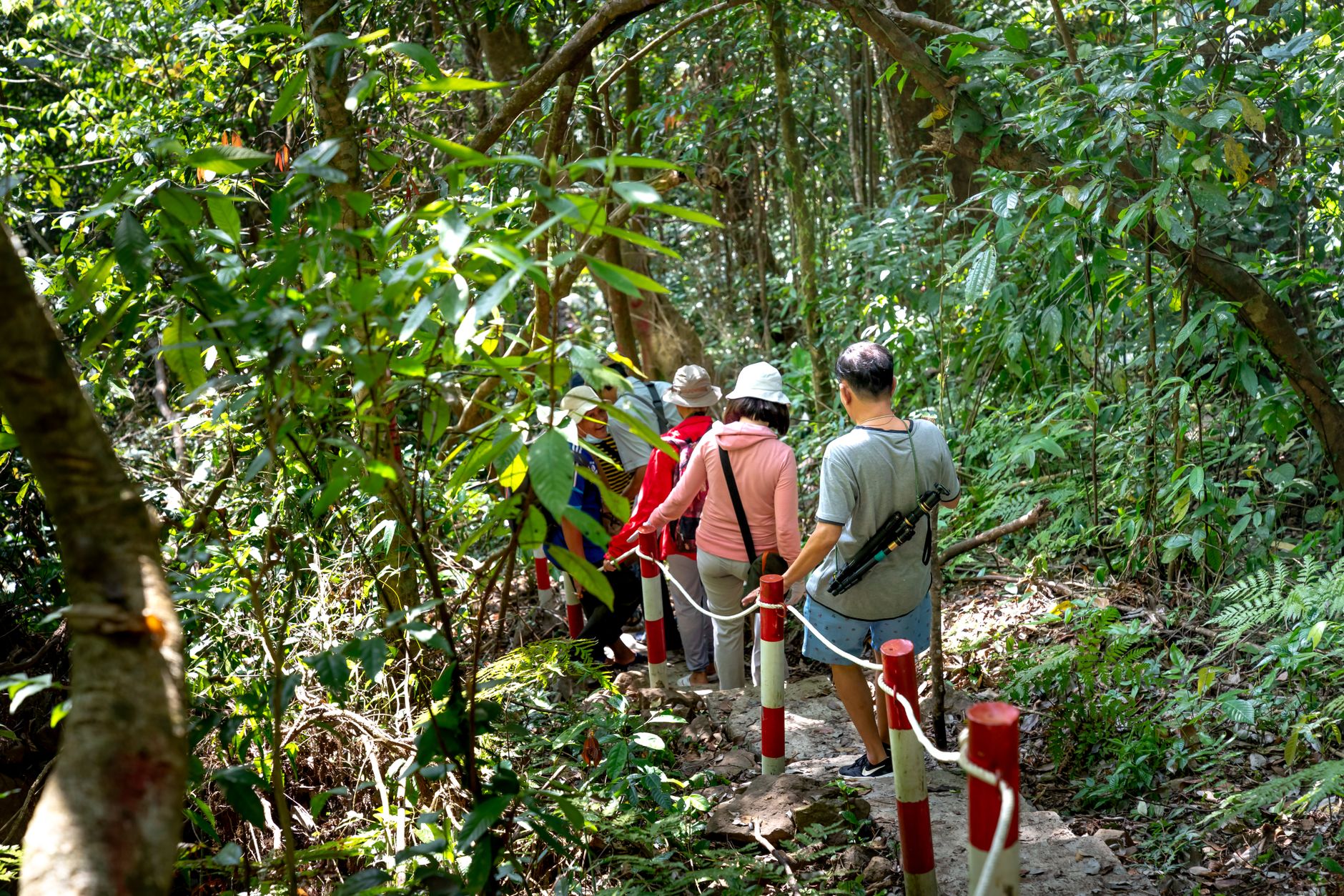
The district runs at a different pace from the coast. You'll find Michelin-listed local restaurants, a reservoir loop where people jog at dawn among thick trees, three full golf courses, and a water park with the longest lazy river in Southeast Asia. None of it is dressed up for visitors, which is precisely the point.
💛 What travellers fall for
People who come back tend to mention the same things: breakfast from the fresh market before the heat builds, a lap or two around Bang Wad Reservoir when the light is still low, and dinner at one of the local spots along the main road that the beach crowds never find. The Tong Yong Su shrine is worth a quiet visit on any morning.
Deals in Kathu
Book directly at the provider

How Kathu came to be
Kathu's wealth came from the ground. For much of the nineteenth and early twentieth centuries it was a significant tin-mining centre, drawing Chinese labour and capital that shaped the island's culture and demographics. That history left behind not just the Mining Museum — built in Sino-Portuguese style on the road past Loch Palm Golf Club — but a community of Chinese descendants whose traditions still run deep.
The darker chapter is preserved at the Tong Yong Su shrine. During the reign of King Mongkut (Rama IV), two rival Chinese triad gangs came to open conflict. Members of the Mueang Phuket gang lured their Kathu rivals to a meal and burned them alive; 413 people died, one survived. The shrine erected in their memory became the origin point of the Phuket Vegetarian Festival, now observed across the island. Administratively, Kathu was downgraded to a minor district in 1938 and restored to full district status in 1959.
Who and what shaped it
Landmark buildings
See Kathu in motion
Plan your visit
On the map
When to go
The dry season runs November through April — February is the driest month, and temperatures stay in the low-to-mid 30s Celsius year-round. If you visit between May and October, expect heavy afternoon rain; the waterfall is worth seeing then, but plan mornings outdoors and afternoons with cover.
Right now
Background & history adapted from Wikipedia (CC BY-SA) · specs from Wikidata (CC0) · weather from Open-Meteo · map data © OpenStreetMap contributors · photos from Wikimedia Commons / Unsplash with per-image credit. No third-party reviews or social posts reproduced.