
Rawai
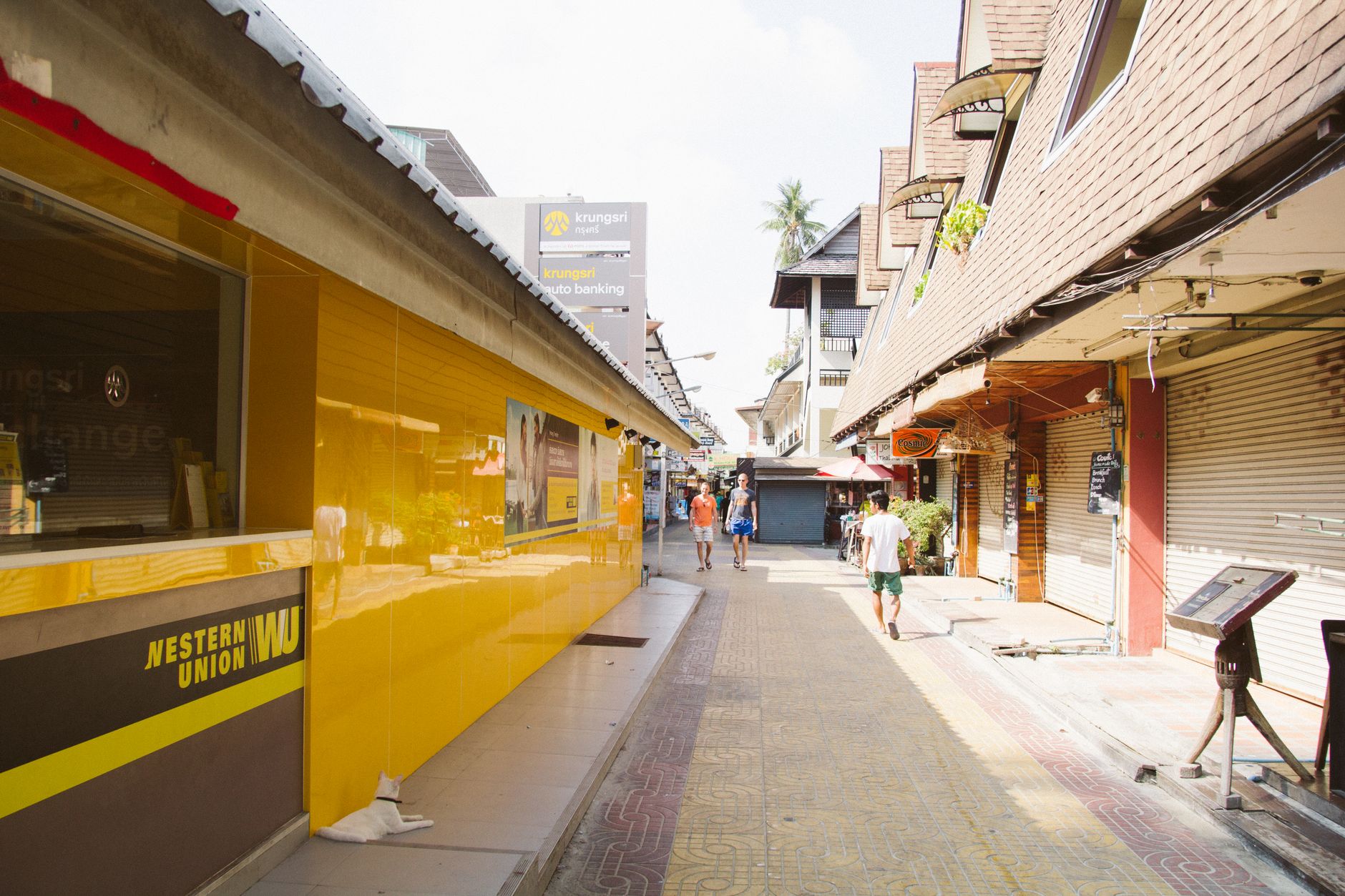
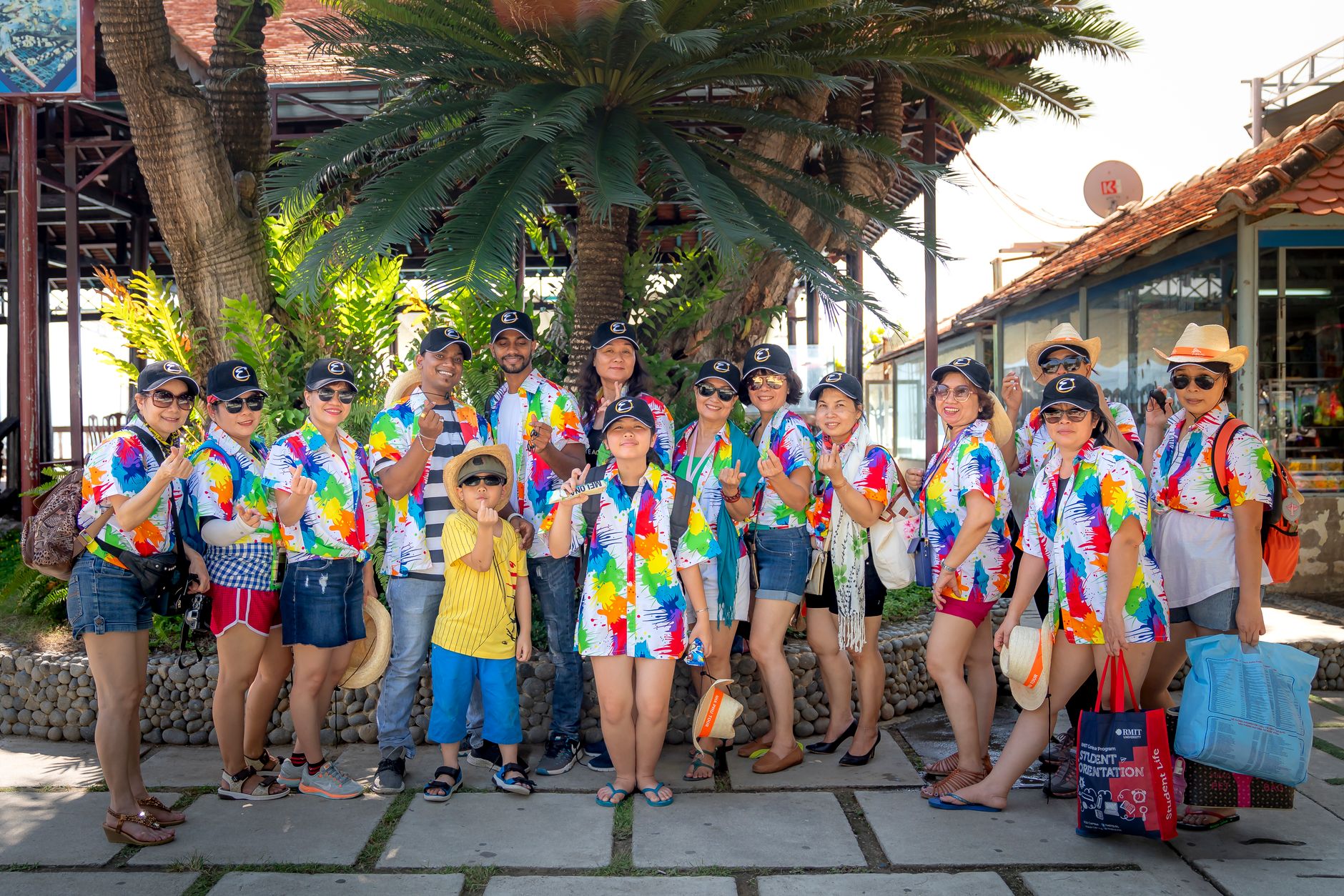
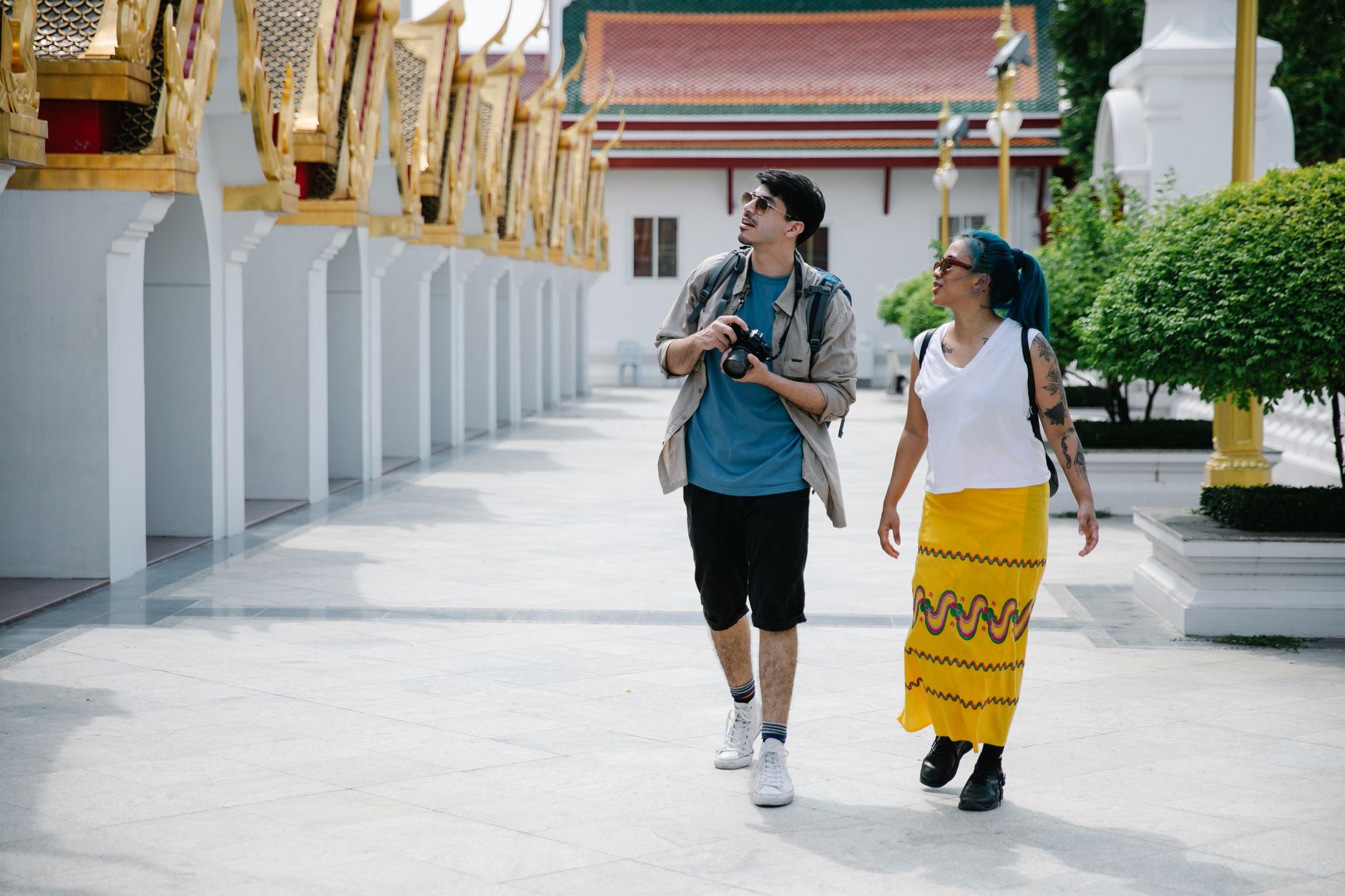
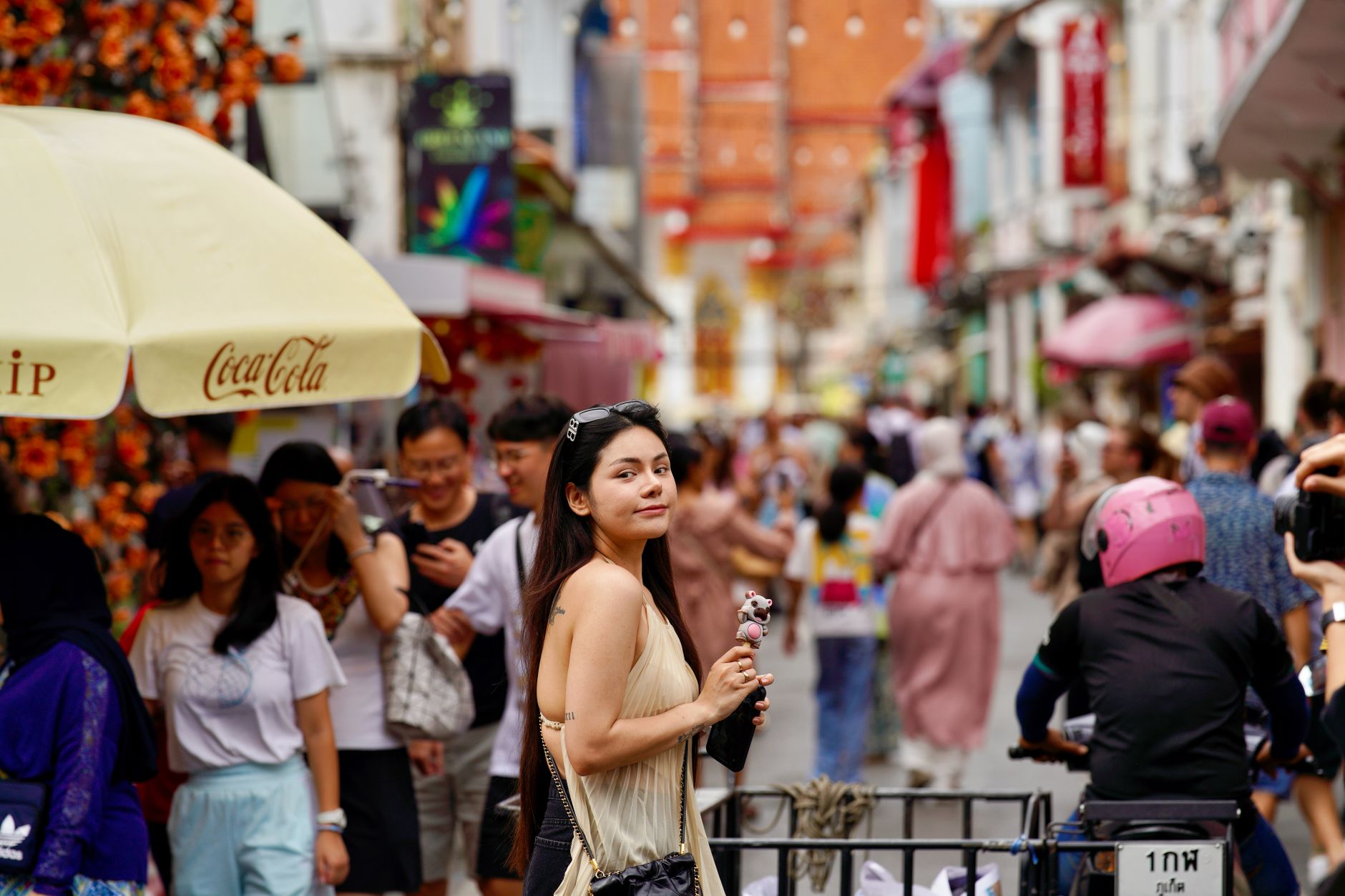
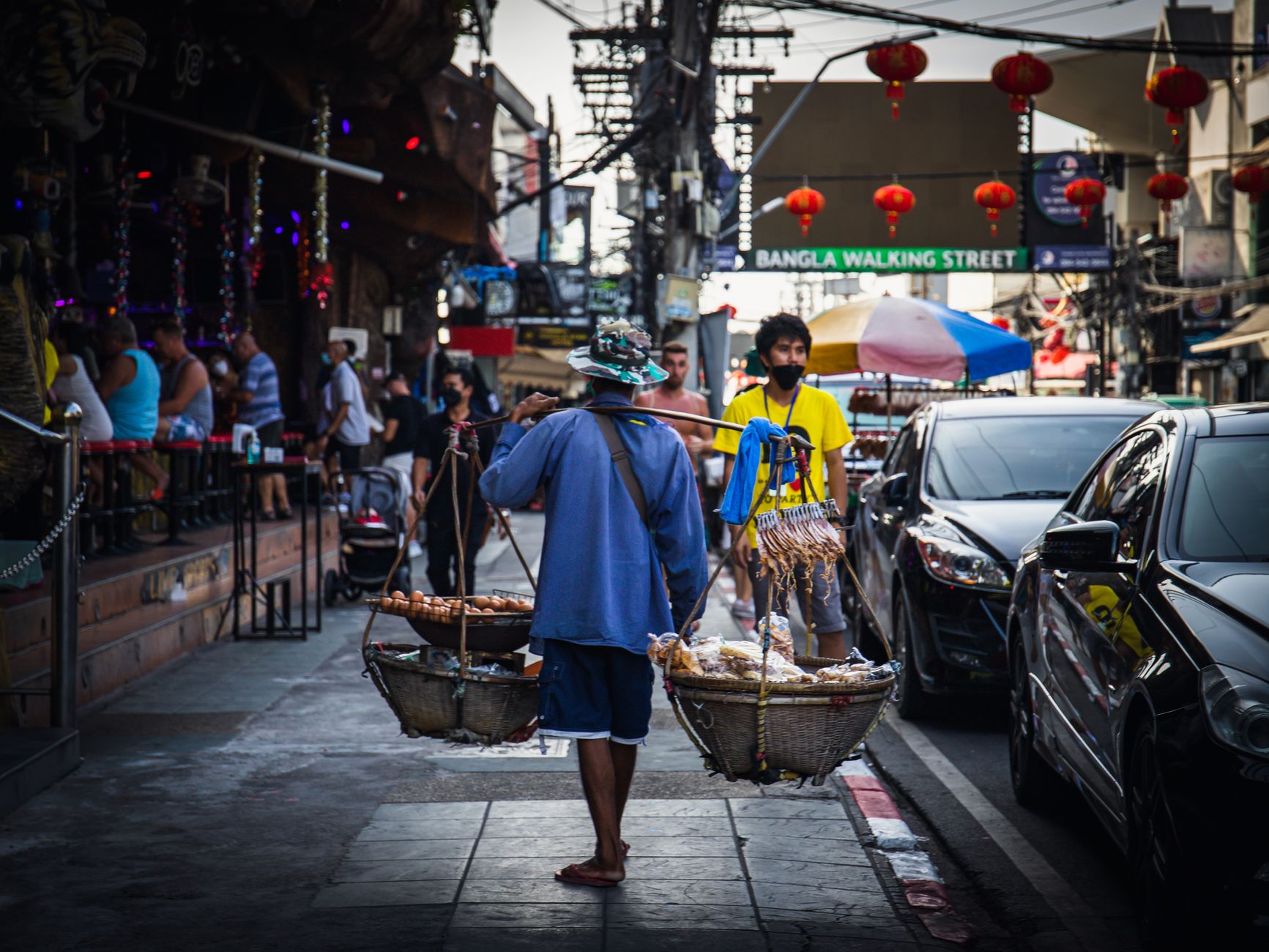
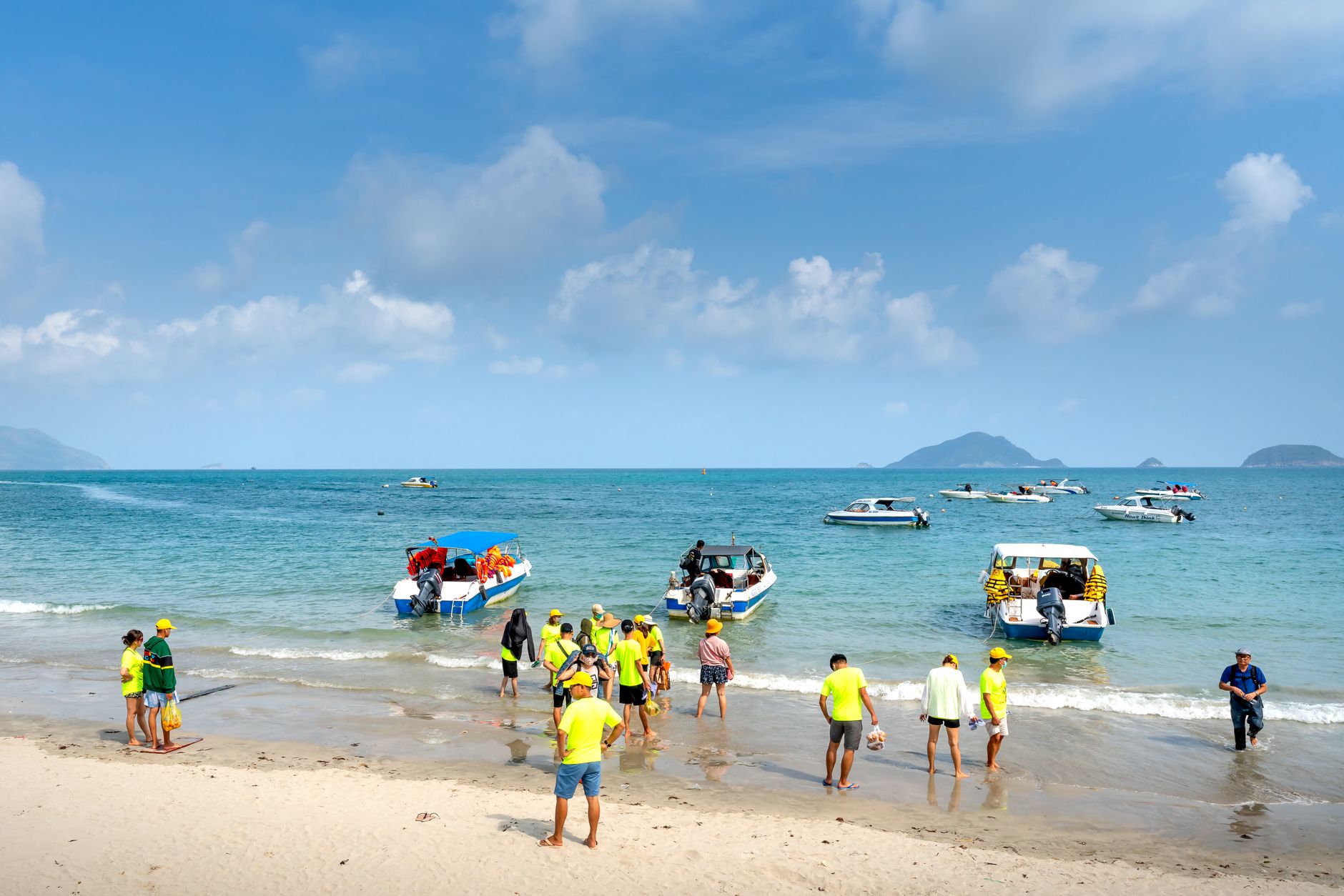
At low tide, the boats at Rawai simply sit down on the sand and wait. That detail tells you most of what you need to know about the southern tip of Phuket: this is a working place, oriented toward the sea and the people who have always made their living from it. The Urak Lawoi — the Sea Gypsies — settled here long before the resort industry arrived, and their wooden stilt houses still stand at the east end of the beach, next to a seafood market where you can buy a crab directly off a boat and walk it to a nearby restaurant to be cooked.
Rawai sits at the bottom of the island, a few kilometres from Phromthep Cape, and it has accumulated a quietly particular identity: part fishing port, part Muay Thai destination, part artists' quarter.
💛 What travellers fall for
People who come back tend to do the seafood market on their own terms — arriving early, picking something live, then negotiating cooking with the restaurants just behind. They also mention Wat Sawang Arom on a quiet morning, and renting a motorbike to reach Phromthep Cape before the tour groups settle in around the viewpoint.
Deals in Rawai
Book directly at the provider

How Rawai came to be
The Urak Lawoi were here first, moving across the Andaman Sea between islands before settling Rawai as a permanent base — one of Phuket's oldest continuously inhabited coastal communities. In 1959, King Bhumibol Adulyadej visited the Sea Gypsy village, granted surnames to residents and gave coins, a moment that marked a shift in how the state recognised its indigenous coastal people.
For decades after, Rawai remained a fishing district at the island's quiet southern edge. That changed when American UFC fighter Mike Swick founded AKA Thailand in the 2010s, drawing fighters and fitness travellers from around the world and reorienting the local economy around training camps and gyms — a transformation still visible in the area's demographics and café culture today.
Who and what shaped it
People who shaped it
Landmark buildings
See Rawai in motion
Plan your visit
On the map
When to go
December through March is the reliable window: warm, mostly dry, with sea temperatures around 27°C. From May onward the monsoon builds steadily, and by August and September the rain is heavy and sustained enough that some businesses close entirely — those months are best avoided.
Right now
Background & history adapted from Wikipedia (CC BY-SA) · specs from Wikidata (CC0) · weather from Open-Meteo · map data © OpenStreetMap contributors · photos from Wikimedia Commons / Unsplash with per-image credit. No third-party reviews or social posts reproduced.