
Hauts-de-France
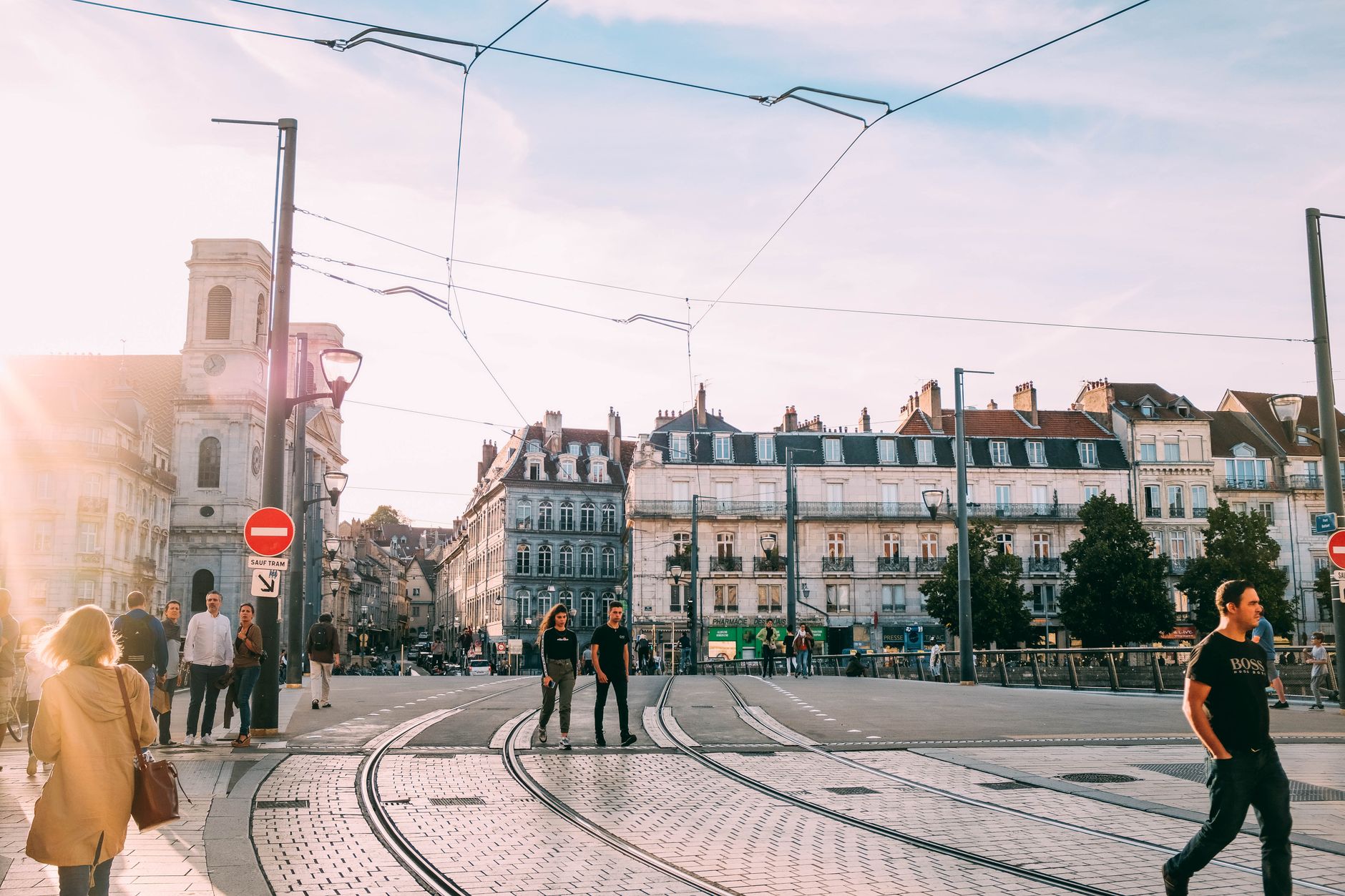
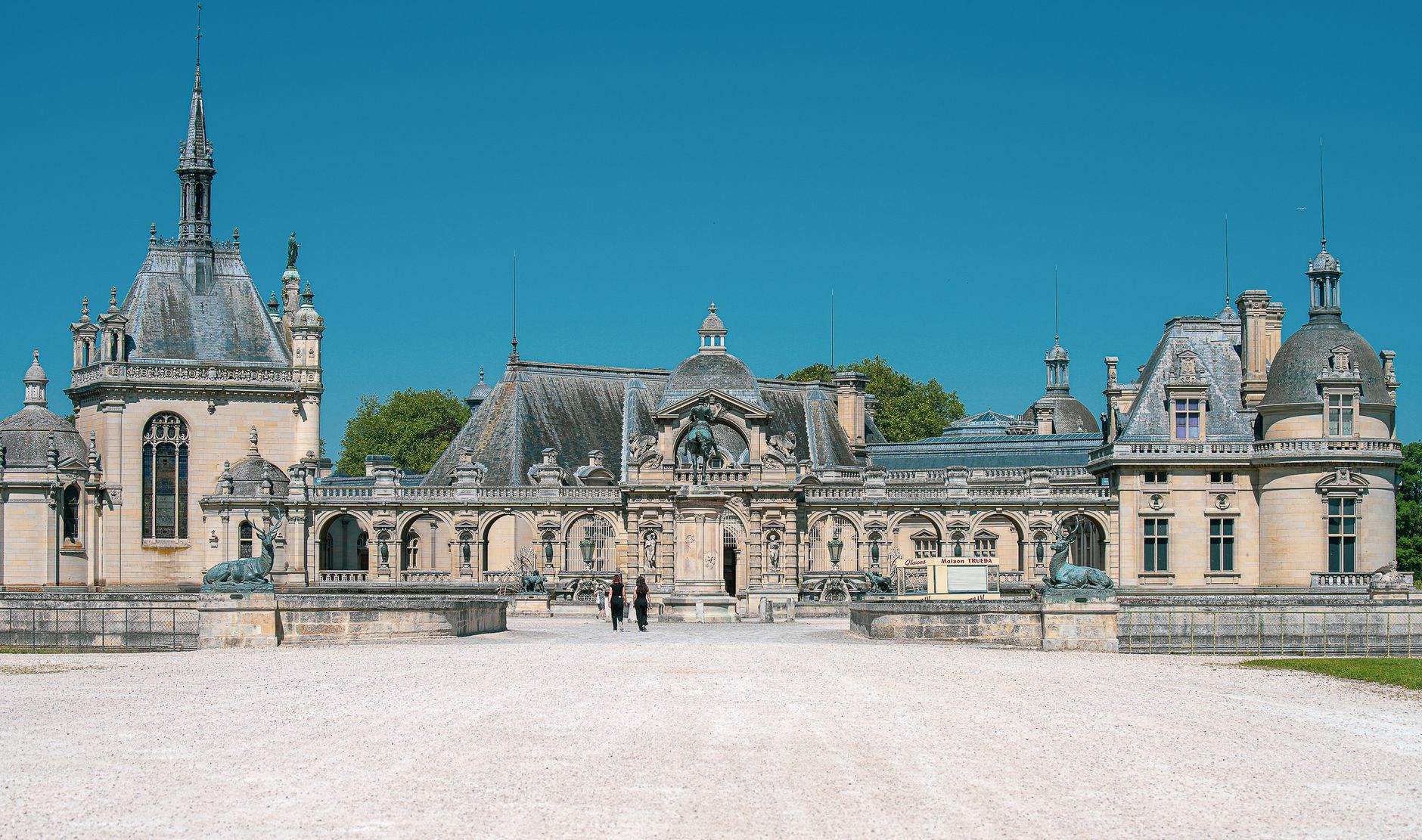
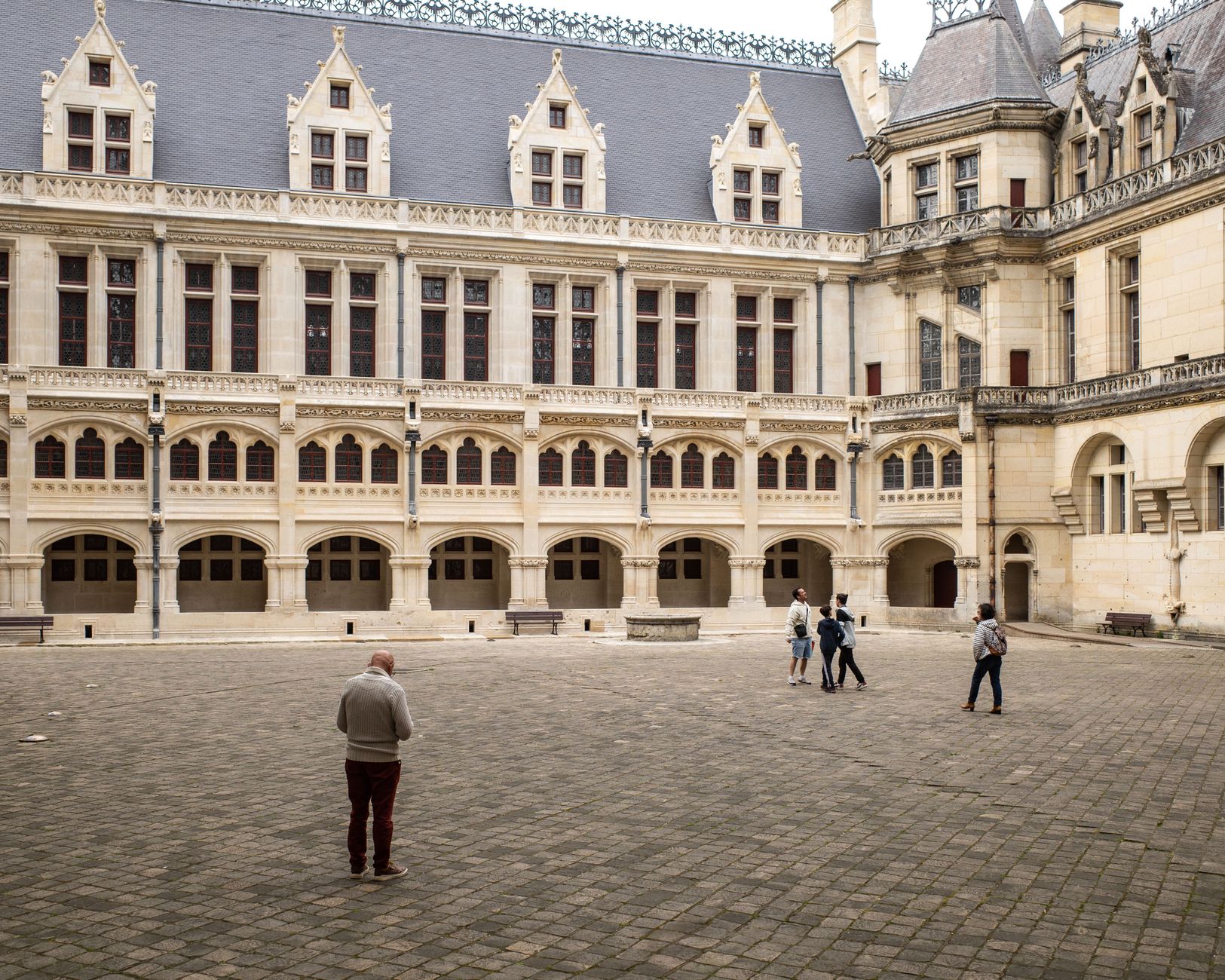
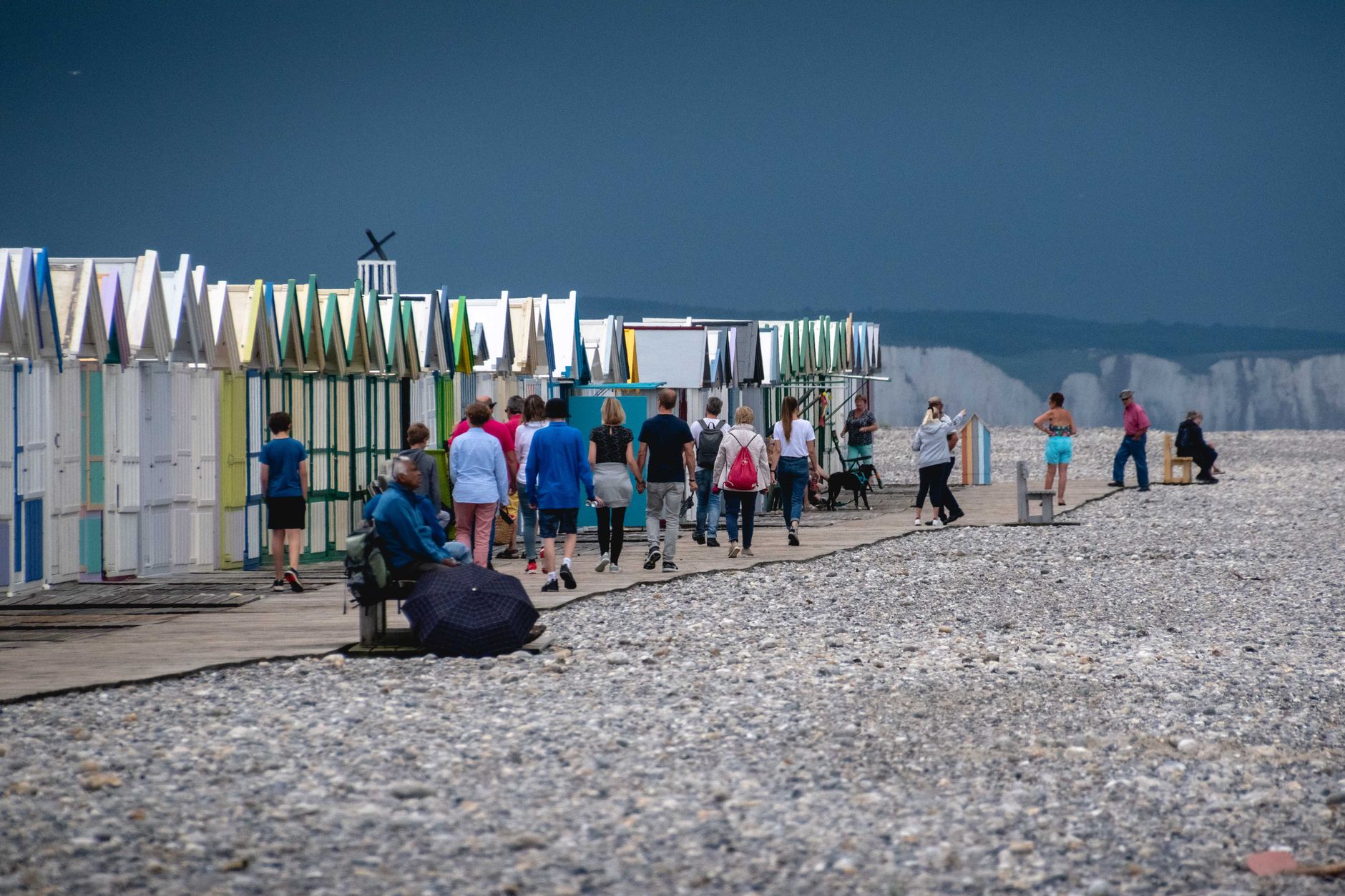
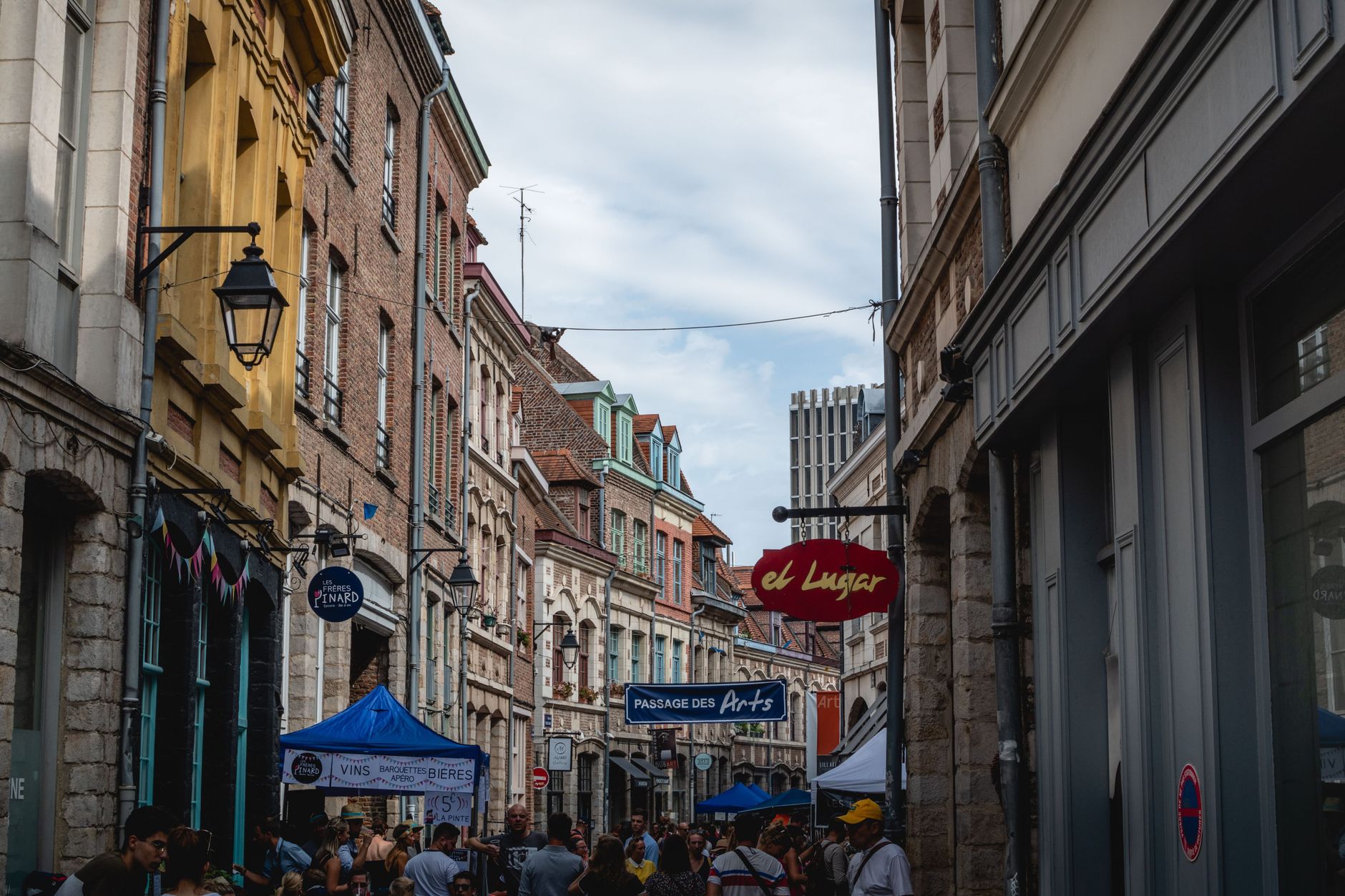
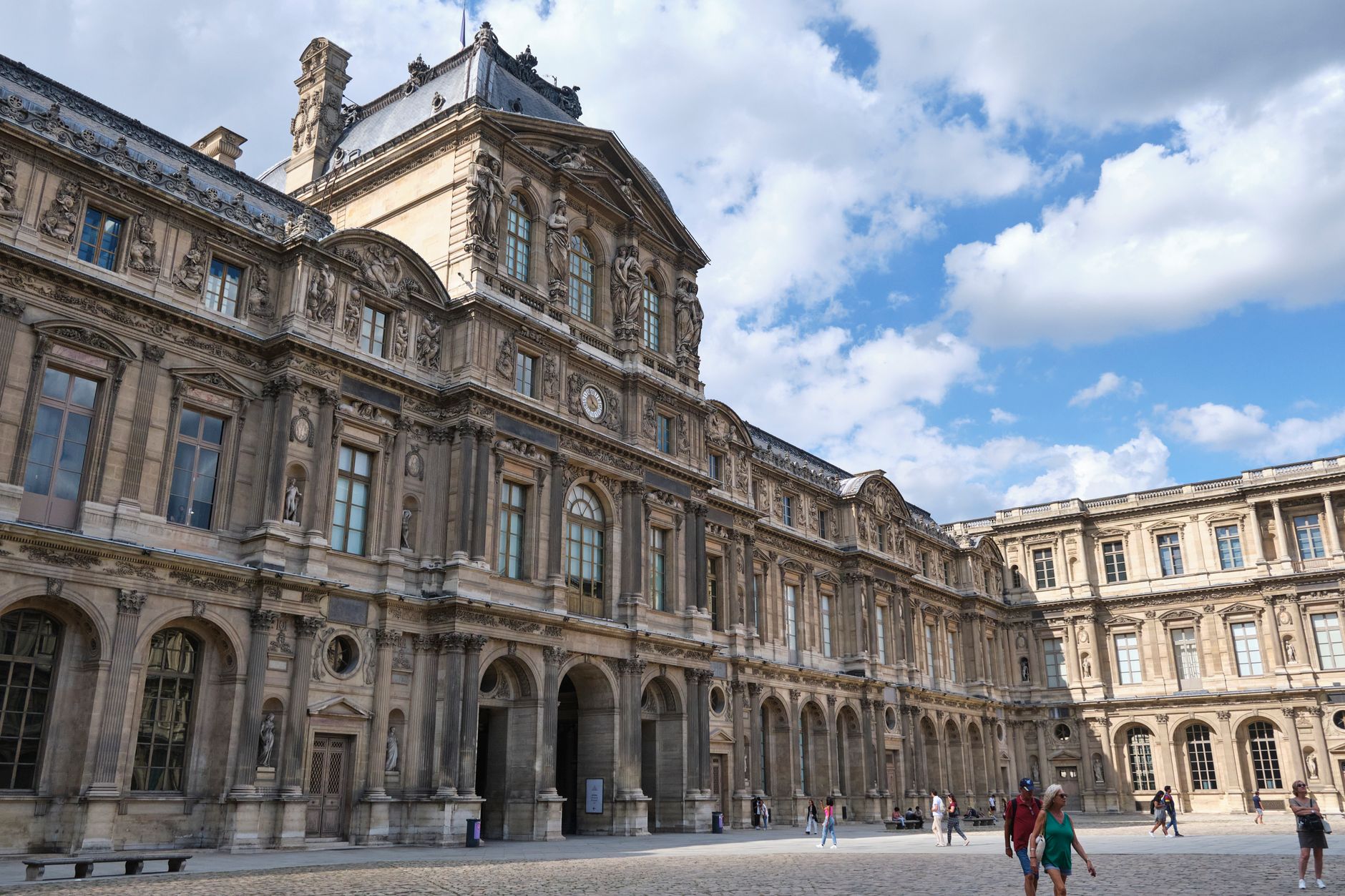
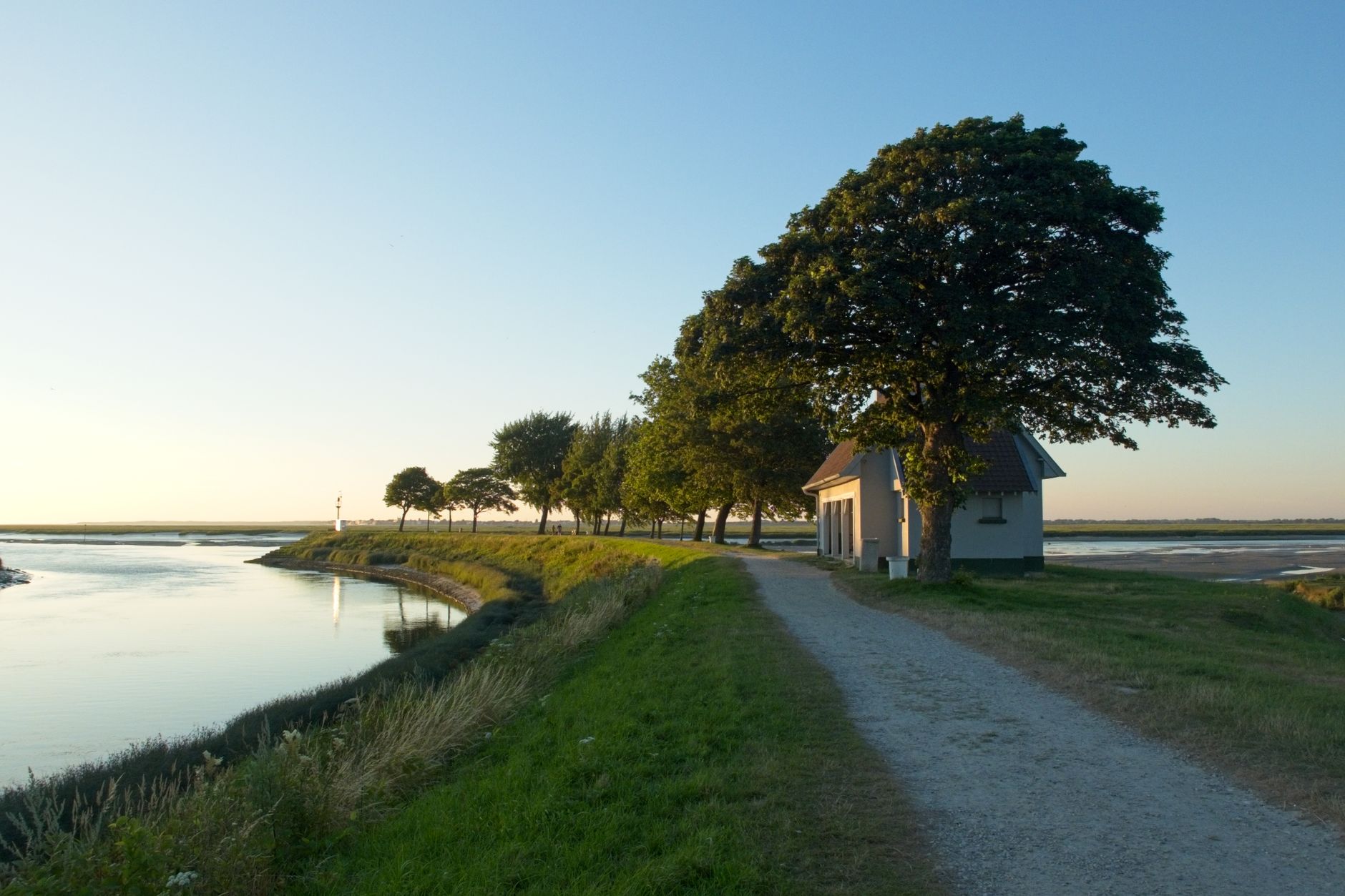
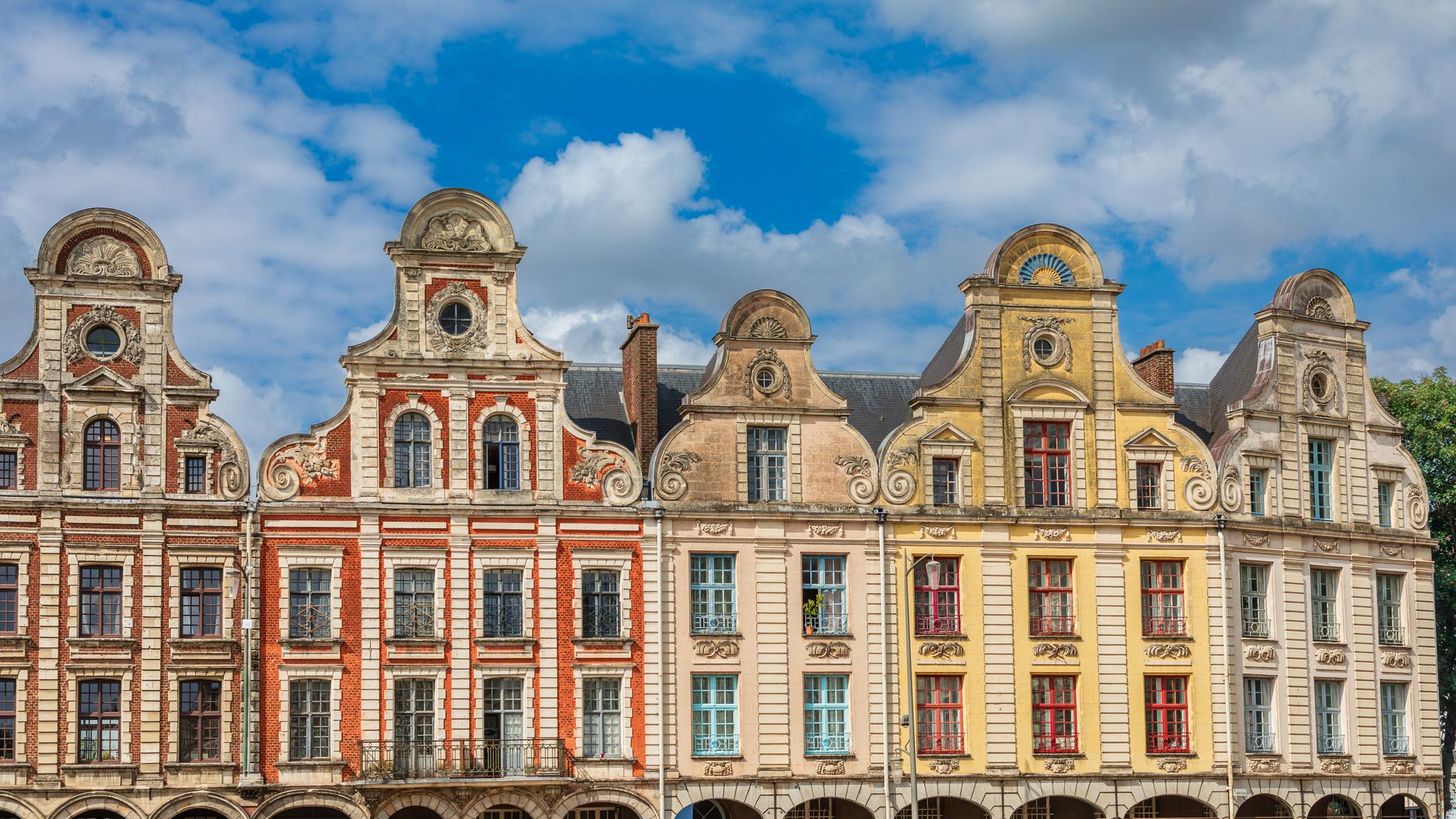
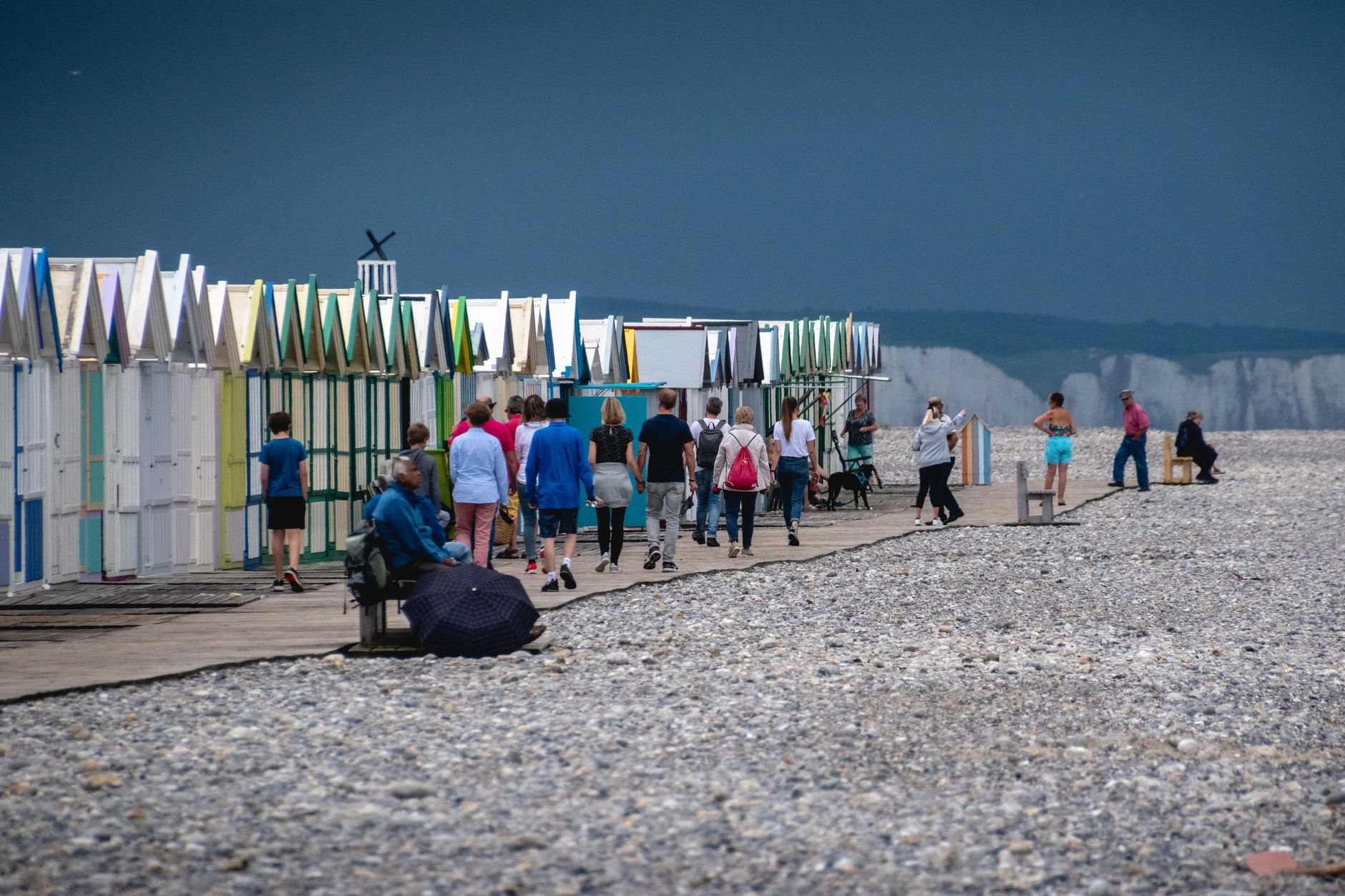
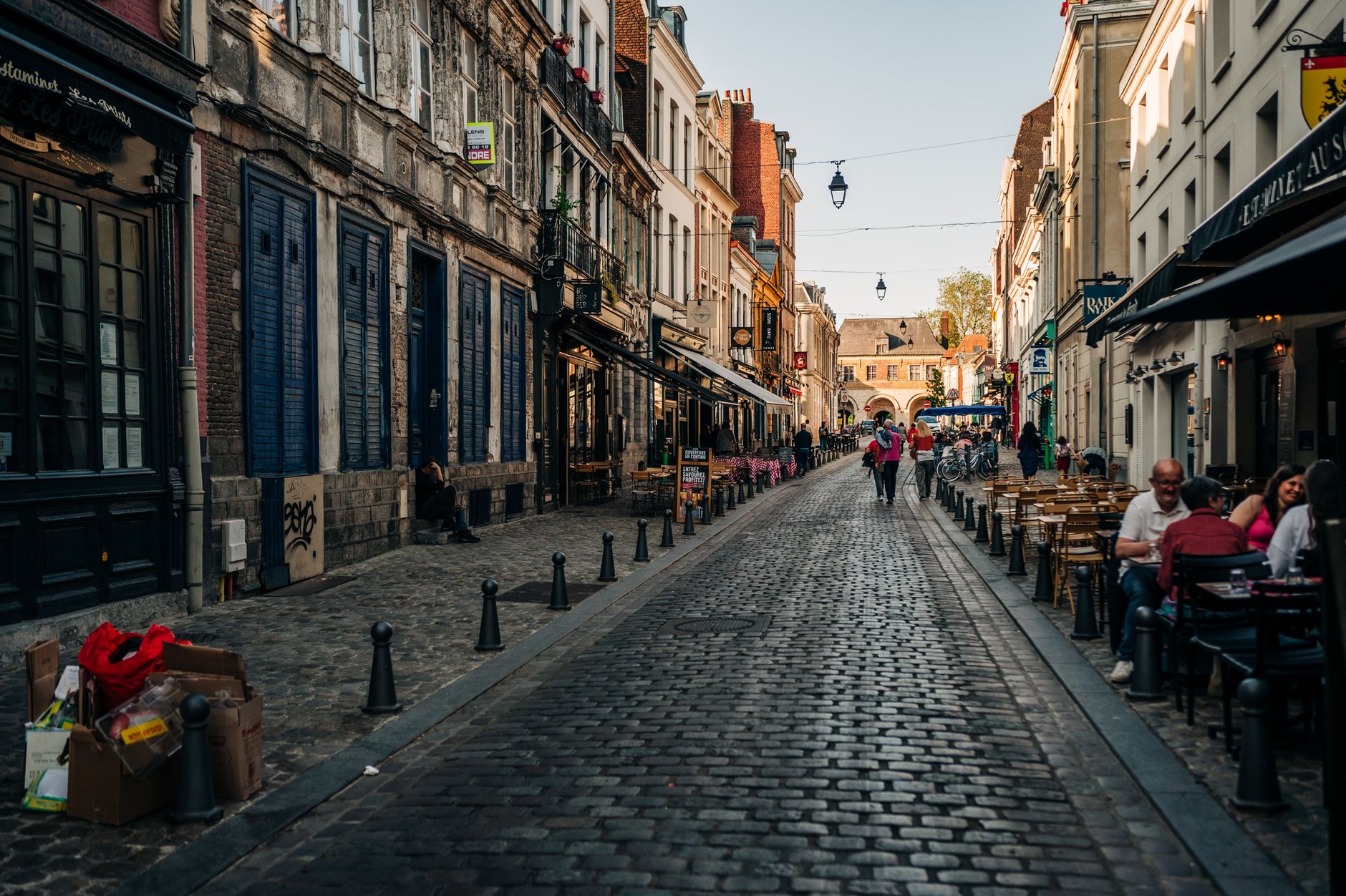
France's northernmost region sits closer to London than to Lyon, and the geography shows. Red-brick Flemish townhouses line Lille's cobbled lanes, chalk downlands roll toward the Channel, and the flat horizon of the Somme carries a particular weight — one part agricultural calm, one part the memory of 1916. This is a region that has been fought over, rebuilt, and quietly reinvented, from the Gothic nave of Amiens cathedral (the largest in France) to the glass-and-aluminium Louvre-Lens rising from a former coalfield.
Hauts-de-France was stitched together in 2016 from the old regions of Nord-Pas-de-Calais and Picardy, and the seam is still visible in the best way: Flemish Lille and quieter Picard Amiens feel like different worlds, a few train stops apart.
Popular cities in Hauts-de-France
Experiences you don't want to miss



How Hauts-de-France came to be
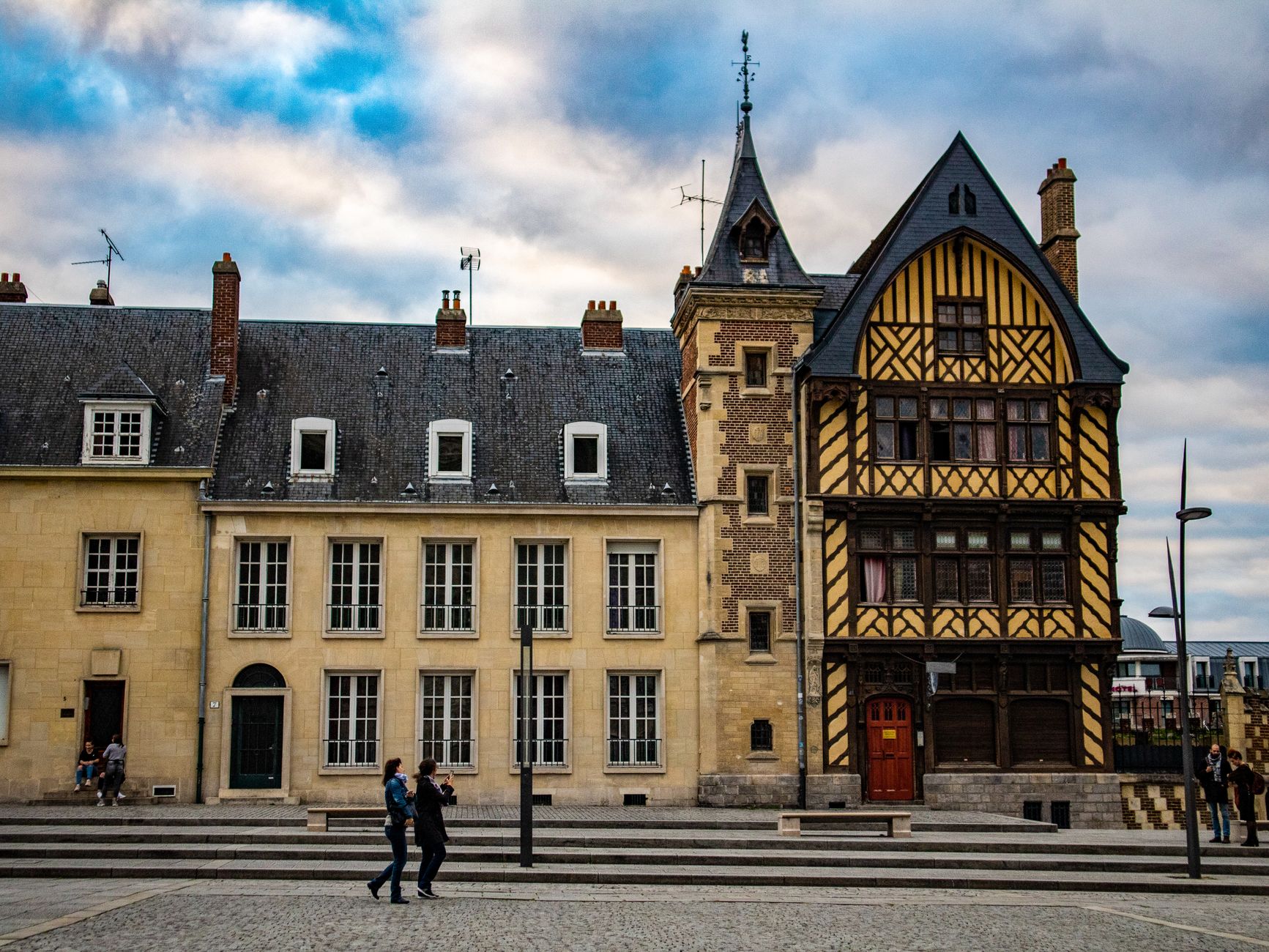
Before it became an administrative region on 1 January 2016, this territory was divided for centuries among distinct provinces: Picardy centred on Amiens, Flanders on Lille and Dunkirk, Artois on Arras and Lens. Each left its own architectural grammar — the soaring Gothic cathedrals of the south, the arcaded Flemish squares of the north.
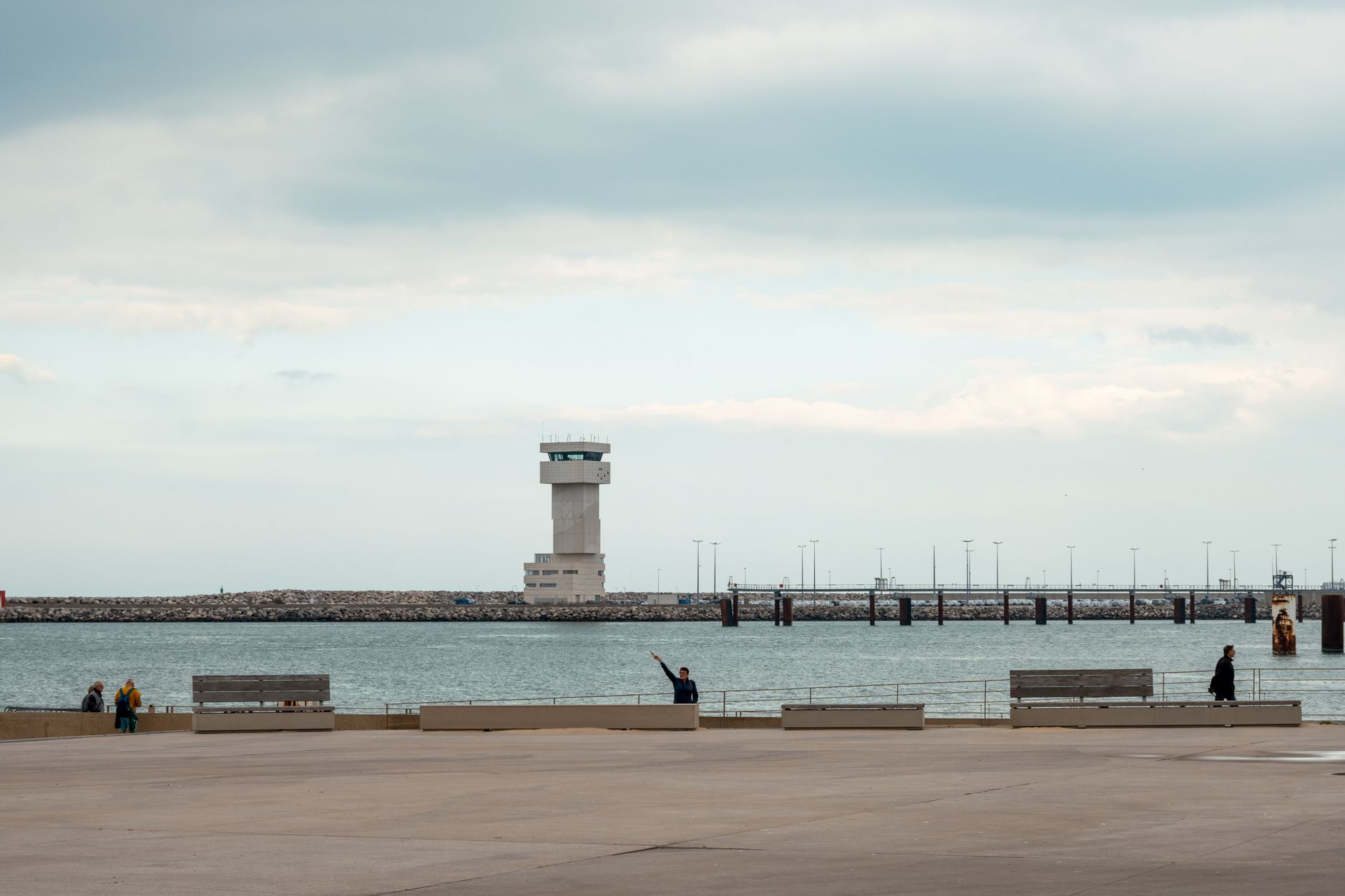
The 20th century hit hard. Both world wars tore through this corridor between Germany and the Channel, and the post-WWII reconstruction period from 1944 to 1958, overseen by France's Ministry of Reconstruction, rebuilt Dunkirk's port and the rail networks that kept the coalfields and steelworks running. The Louvre-Lens, opened in a former mining area, stands as the clearest sign of what came after the mines closed.
Who and what shaped it
Landmark buildings
See Hauts-de-France in motion
Plan your visit
On the map
When to go
Summers are short but real — August averages around 23°C and the region earns its warmth. The rest of the year leans cold and damp, with January humidity hovering near 91% and temperatures that rarely feel generous. If you're not drawn here by the WWI memorials or the Gothic cathedrals in any season, late June through early September is when the landscape is easiest to be in.
Right now
↡ Cities

No places match these filters.
Background & history adapted from Wikipedia (CC BY-SA) · specs from Wikidata (CC0) · weather from Open-Meteo · map data © OpenStreetMap contributors · photos from Wikimedia Commons / Unsplash with per-image credit. No third-party reviews or social posts reproduced.