
Arras
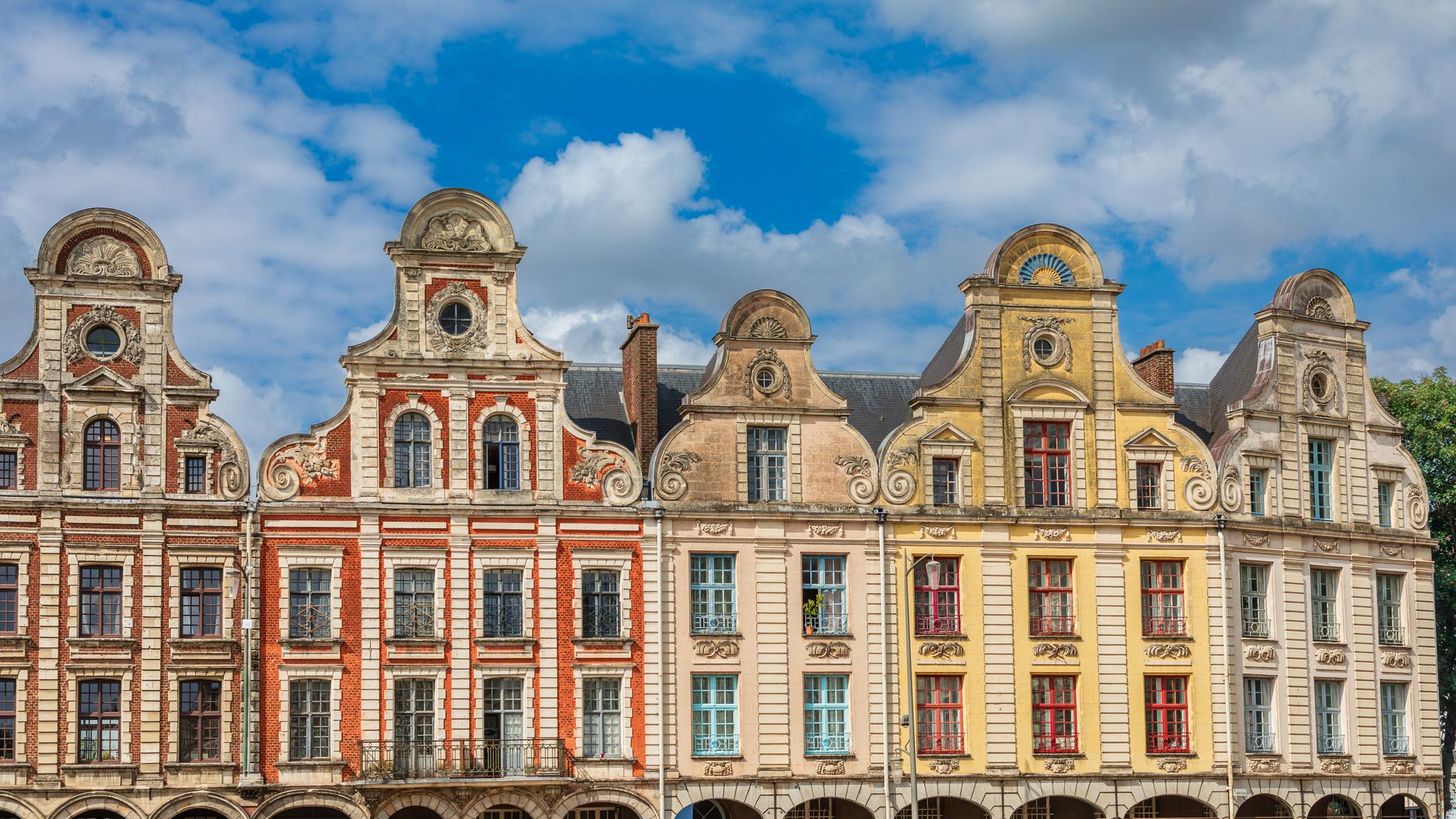
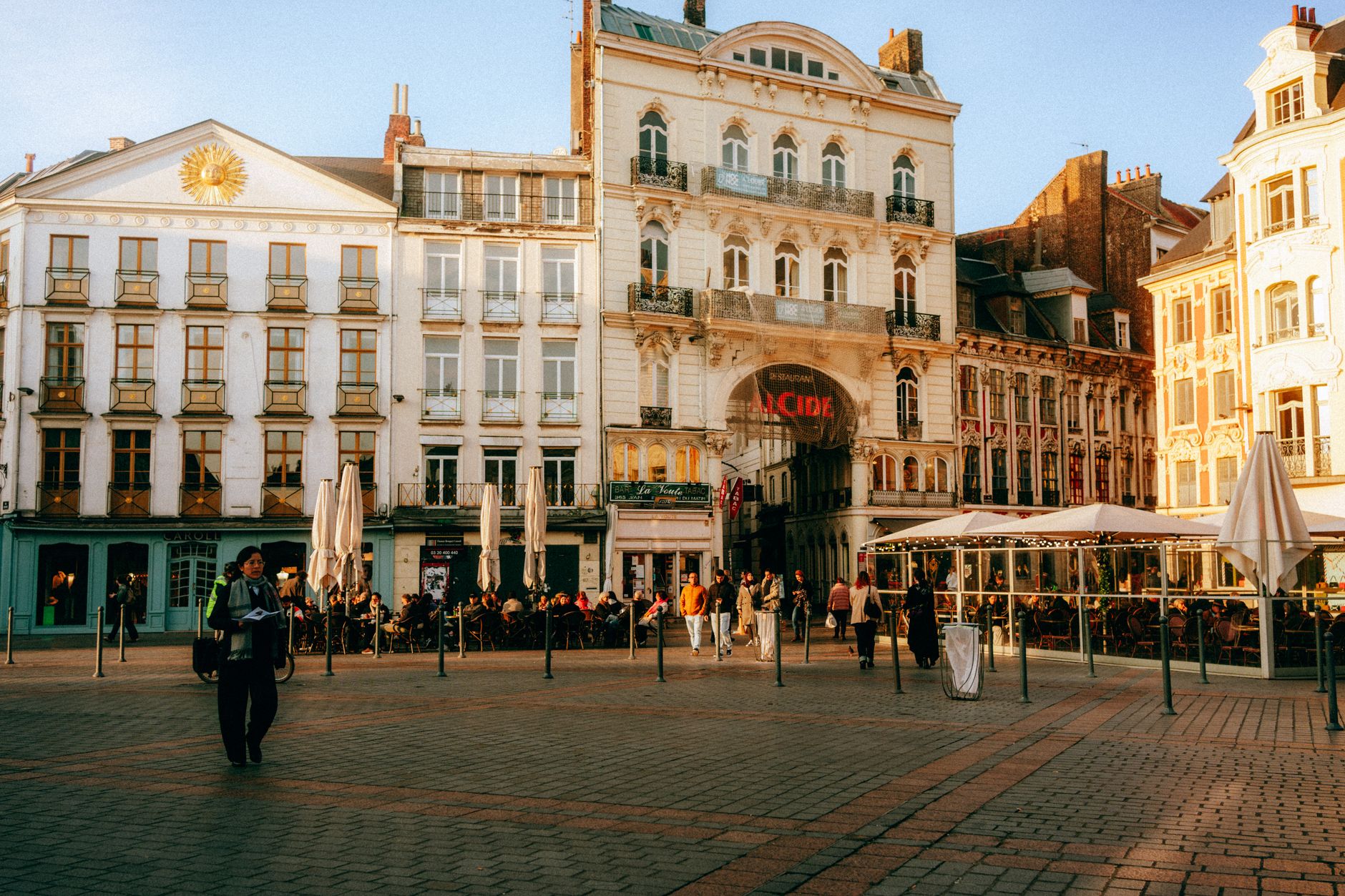
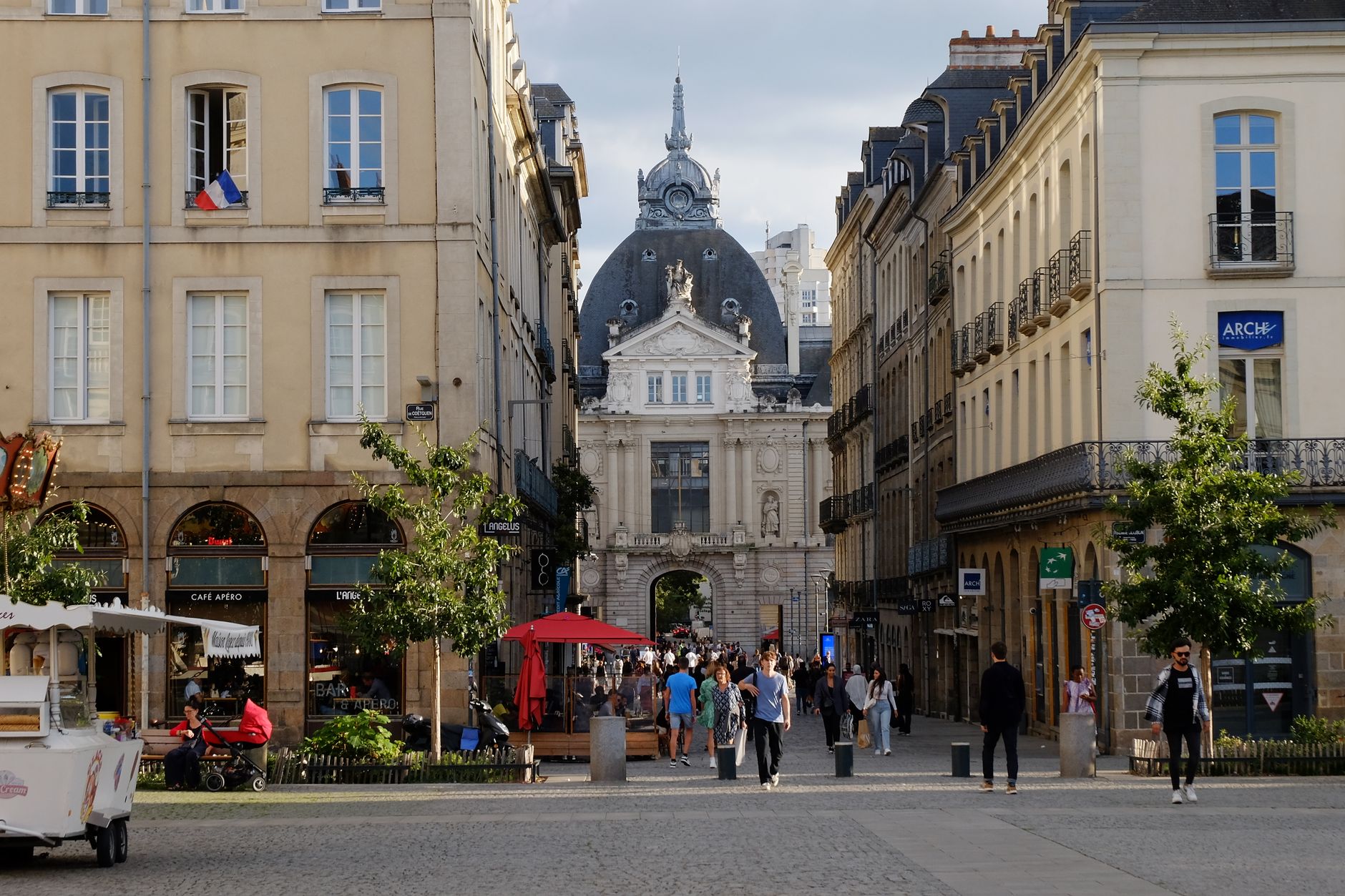
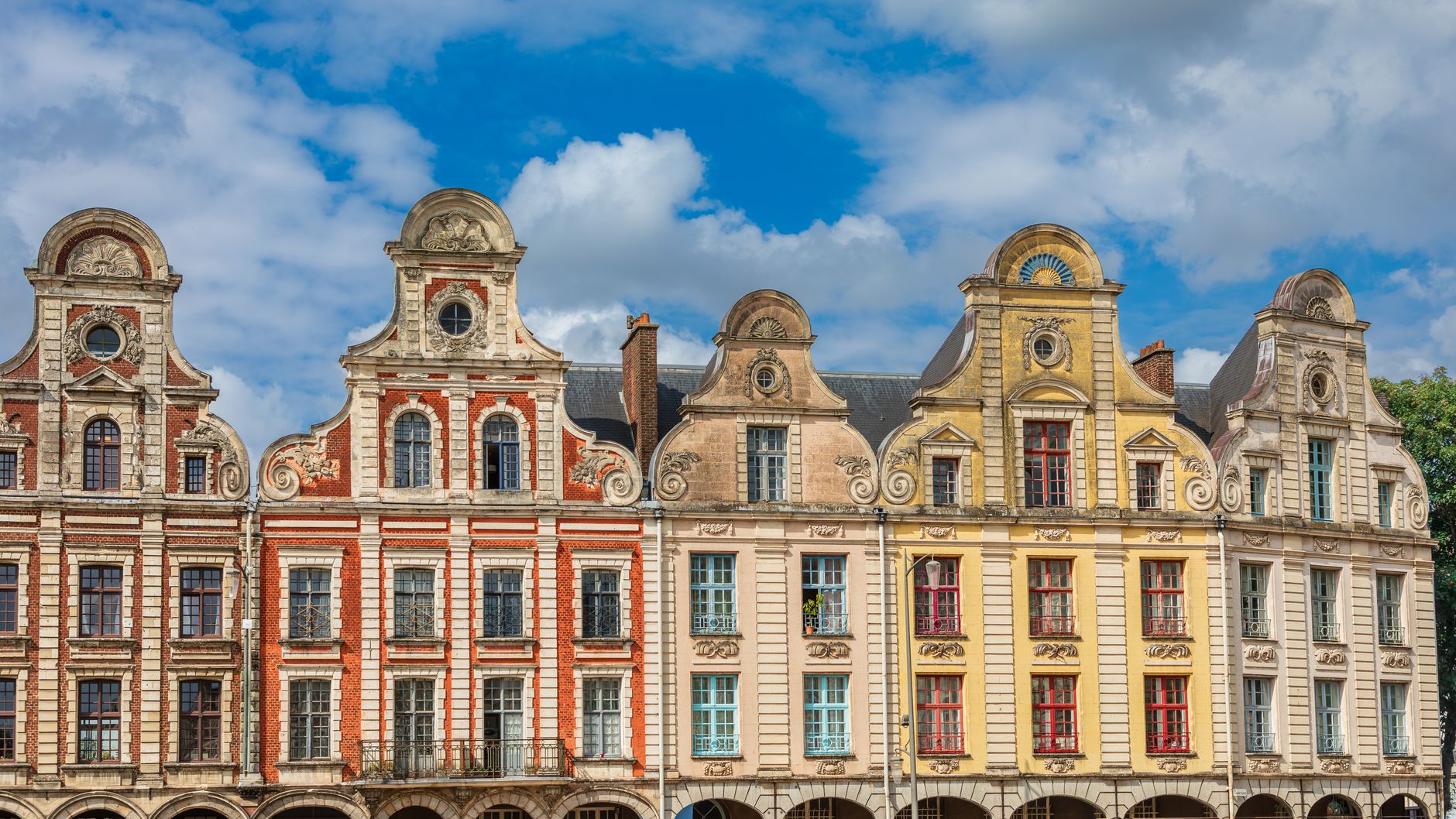
Stand in the Grand'Place on a quiet morning and count the gabled rooflines: 155 Flemish-Baroque facades, each one a near-perfect replica. That's the thing about Arras — almost everything you see was destroyed in the First World War and painstakingly rebuilt between 1919 and 1934, stone by stone, arch by arch, under architect Pierre Paquet. The result is a city that looks ancient but is, in large part, a century old.
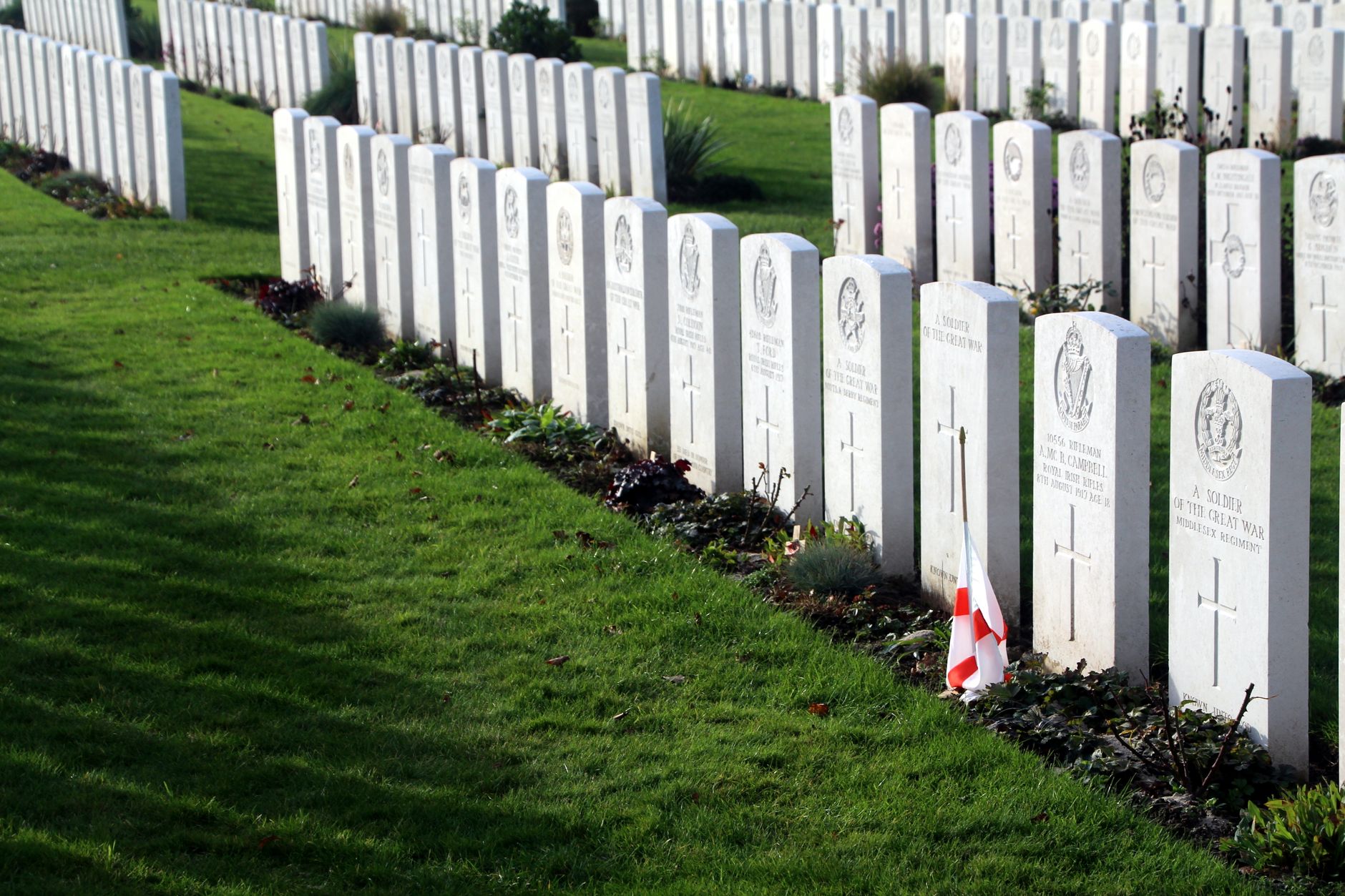
Arras sits in the flat farmland of Artois, close enough to the old Western Front that the soil around it still gives up shell casings after ploughing. Its two great arcaded squares and a 75-metre belfry form an ensemble that has no real equivalent elsewhere in France — closer in spirit to Bruges or Ghent than to Paris.
💛 What travellers fall for
People who come back tend to time it around market days, when the Grand'Place fills with stalls under the arcades. They also mention the belfry lift — go up late afternoon when the light is low and the plain stretches out in every direction. And almost everyone eventually finds the Robespierre house on the Rue Robespierre, smaller and quieter than you'd expect for the man who shaped the Terror.
Experiences you don't want to miss


Deals in Arras
Book directly at the provider
How Arras came to be
Long before the Gothic belfry, Arras was Nemetacum, chief town of the Atrebates, one of the last Gallic peoples to hold out against Caesar. It grew into a medieval wool and tapestry centre so influential that the English language borrowed its name — 'arras' — as the common word for a wall hanging. Two peace treaties bearing the city's name (1435 and 1482) helped draw the borders of modern France.
Arras passed through Burgundian, Habsburg and Spanish hands before Louis XIII took it in 1640. It produced, within a few generations, Robespierre, the detective Vidocq and the botanist Carolus Clusius. Then came 1914. By the Armistice, three-quarters of the city had to be rebuilt — which is why the squares look simultaneously historic and unnervingly pristine.
Who and what shaped it
People who shaped it
Landmark buildings
See Arras in motion
Plan your visit
On the map
When to go
Arras has a temperate northern climate: mild summers rarely exceeding 25°C, wet and grey winters. Rain is possible year-round, so an extra layer is useful even in June. The squares are at their best in spring and September, when the light is clear and the crowds are thin.
Right now
Background & history adapted from Wikipedia (CC BY-SA) · specs from Wikidata (CC0) · weather from Open-Meteo · map data © OpenStreetMap contributors · photos from Wikimedia Commons / Unsplash with per-image credit. No third-party reviews or social posts reproduced.