
Lille
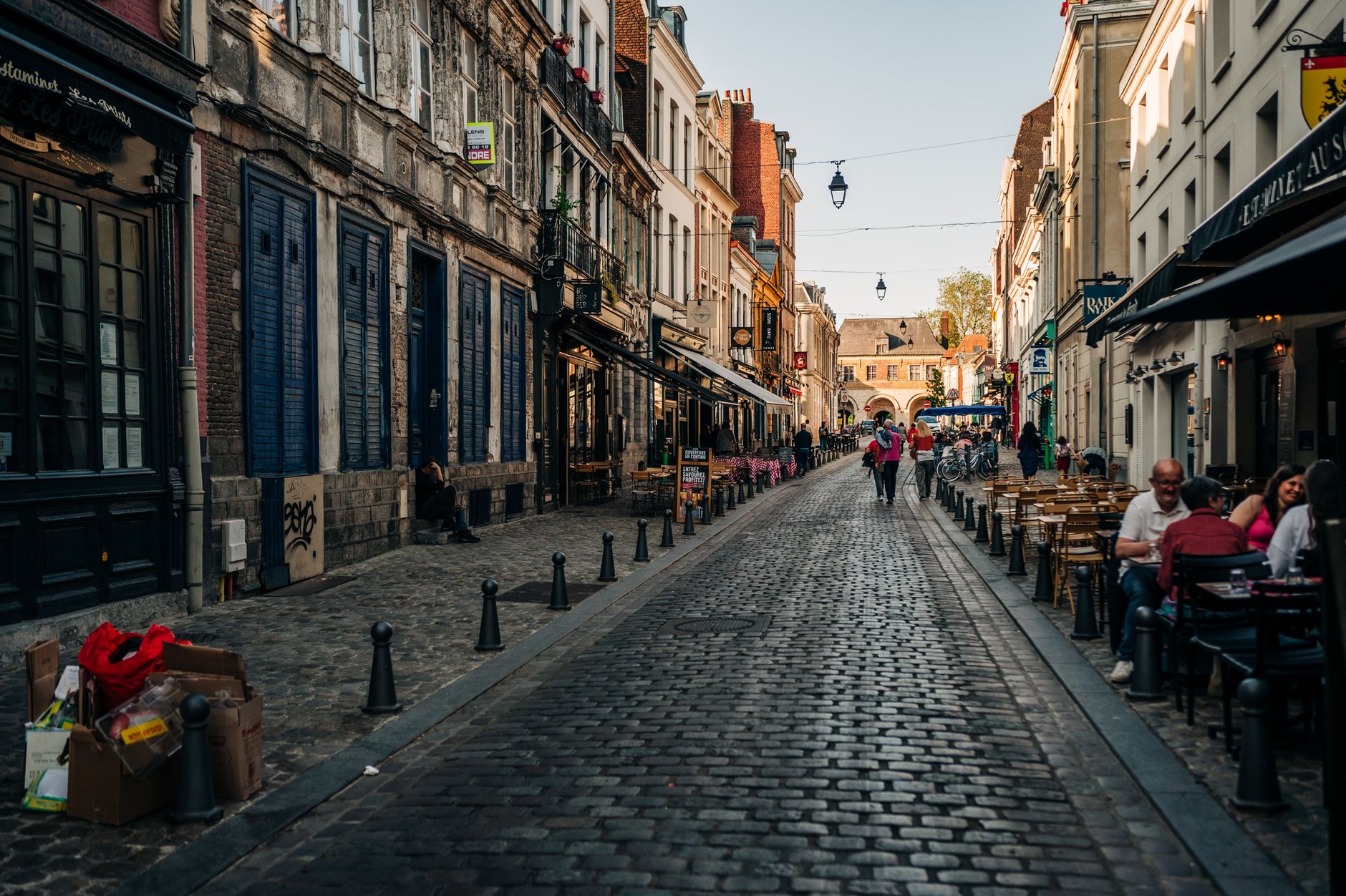
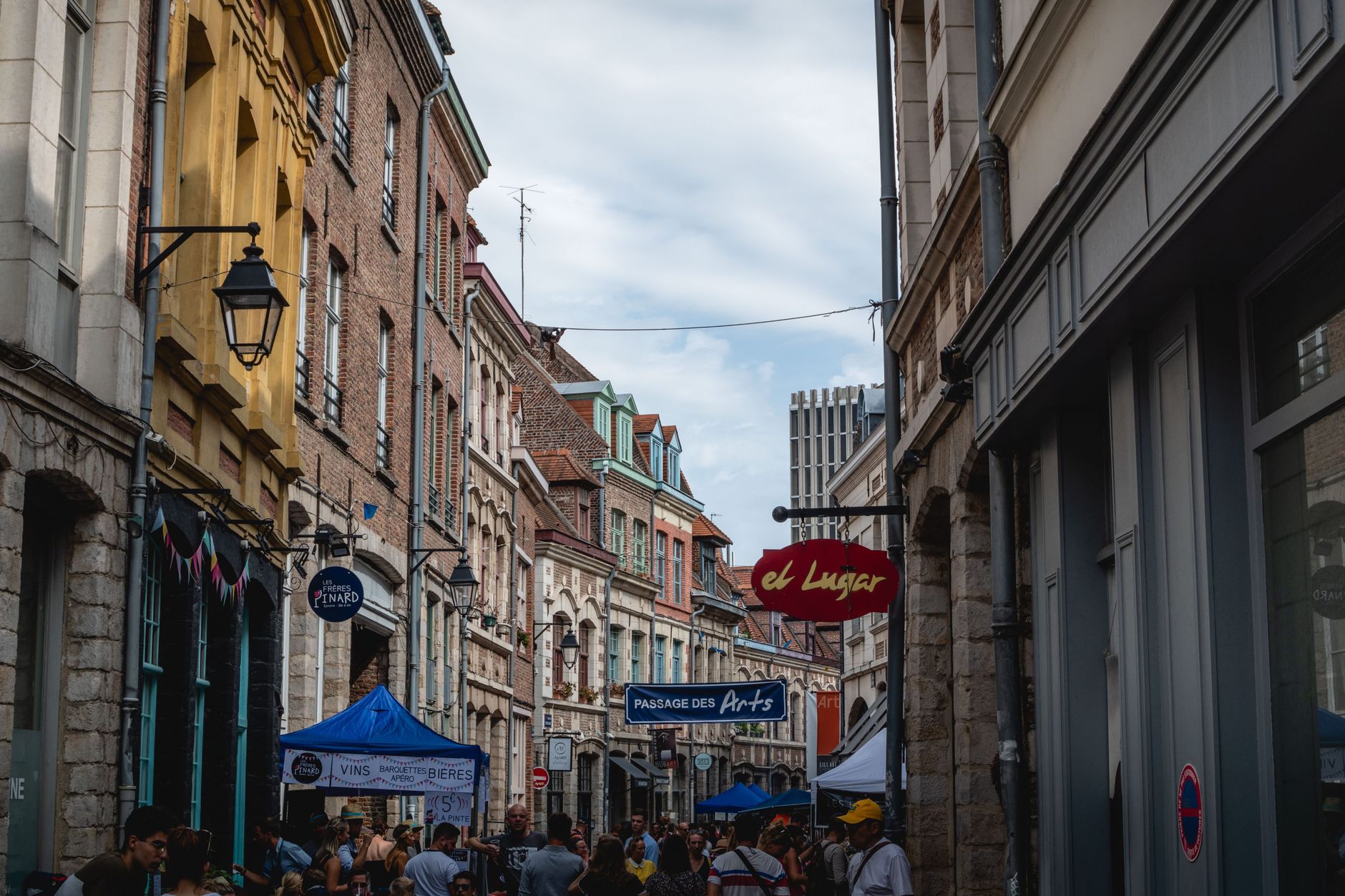
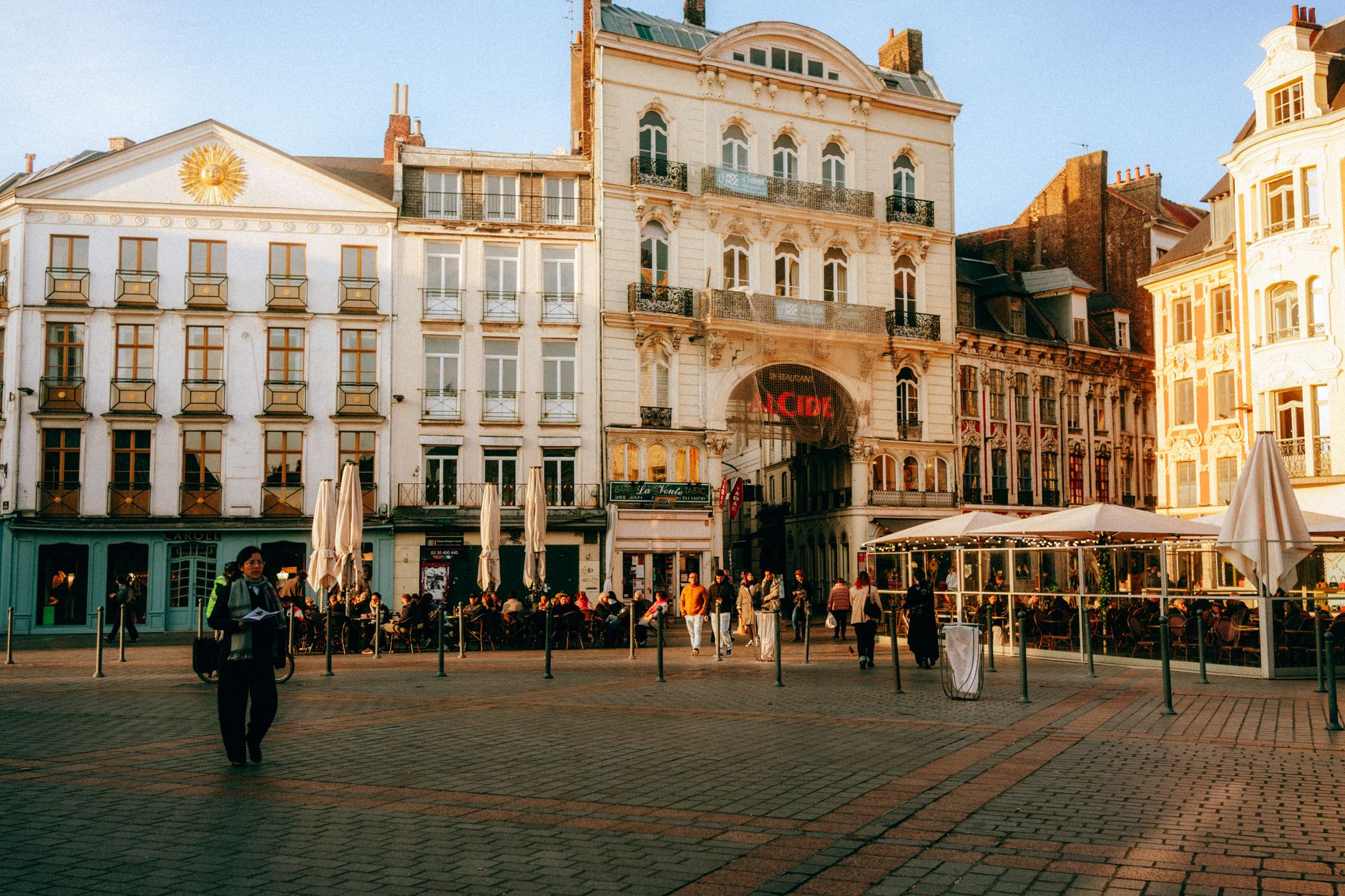
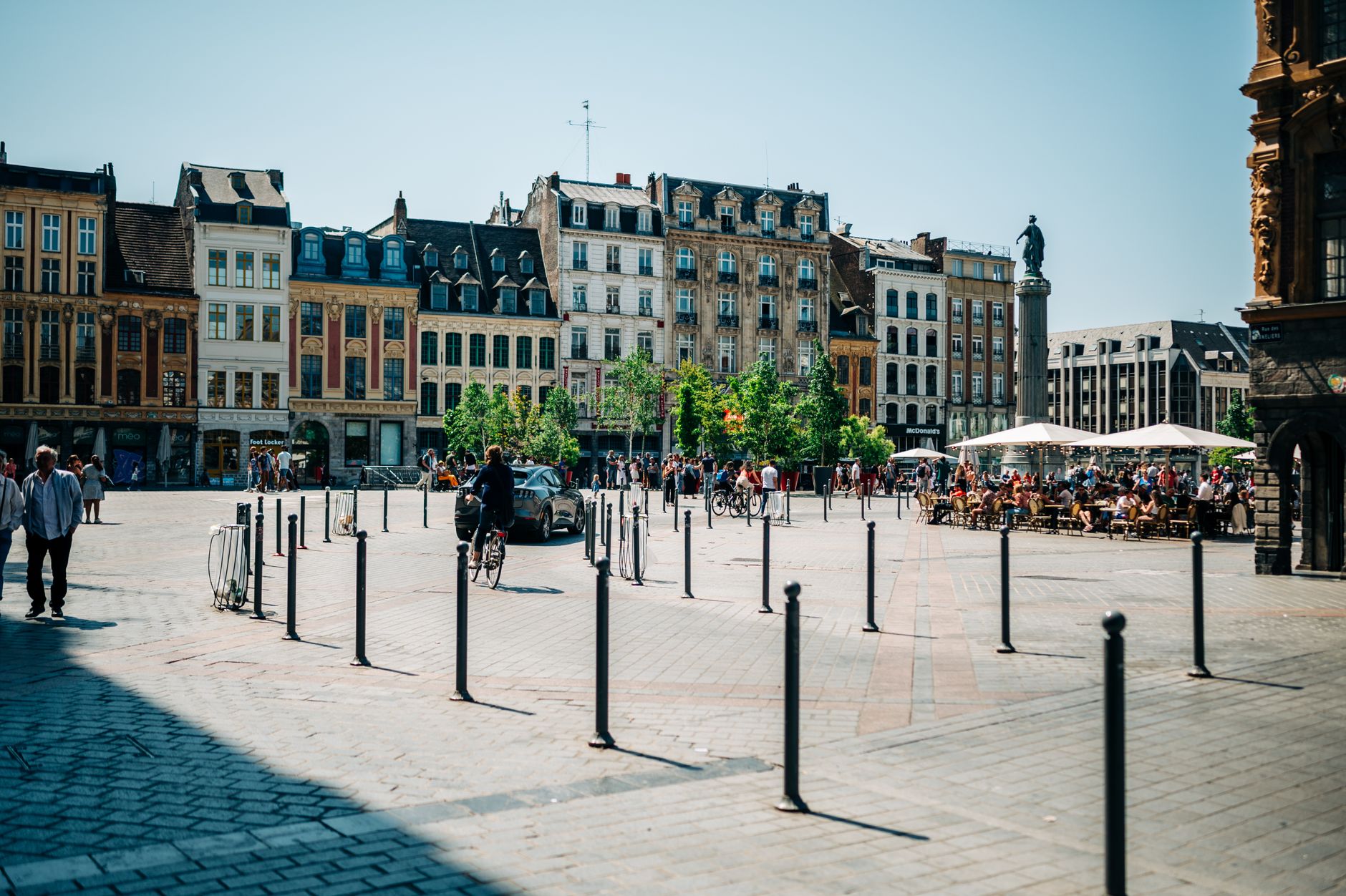
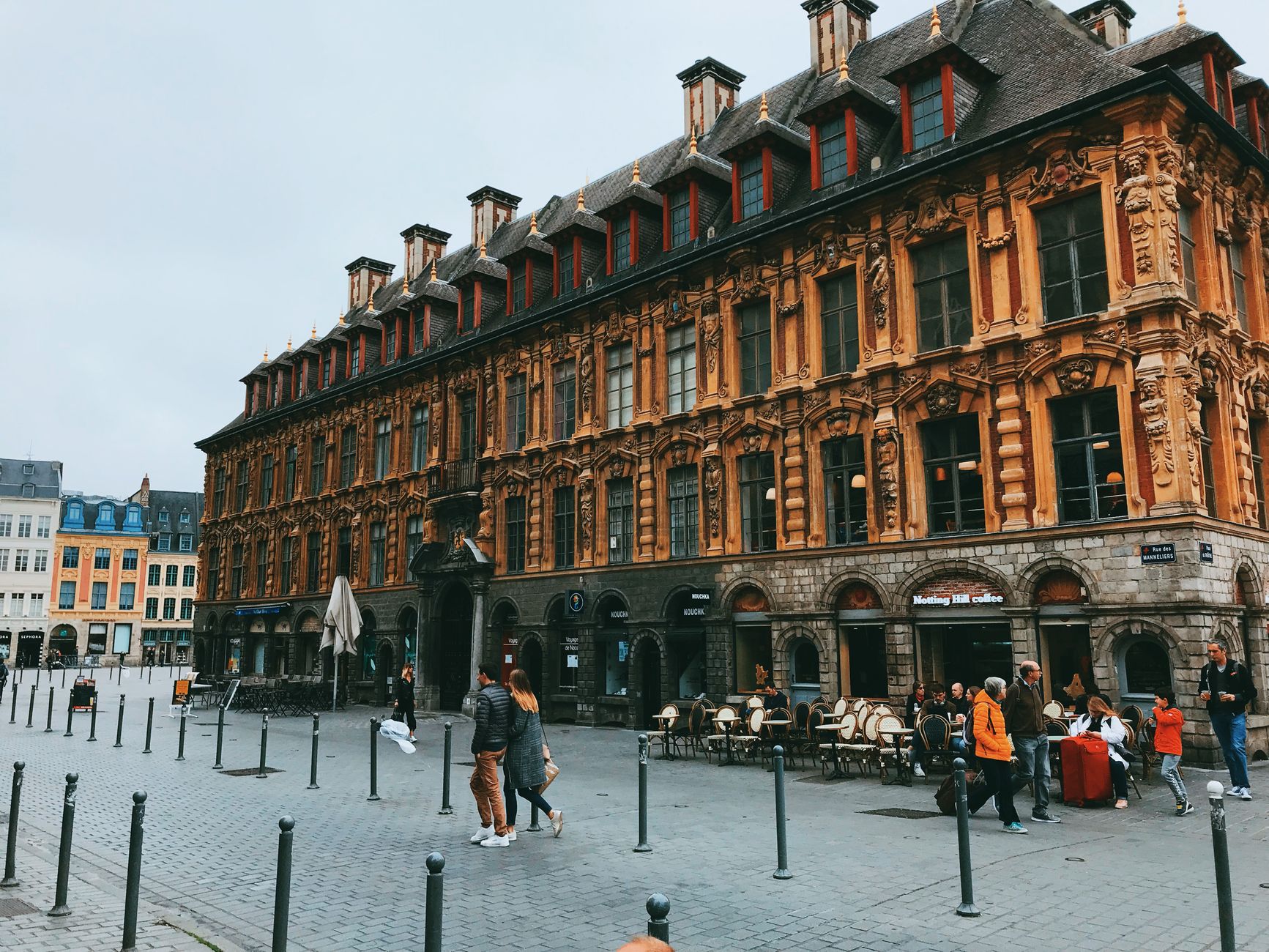
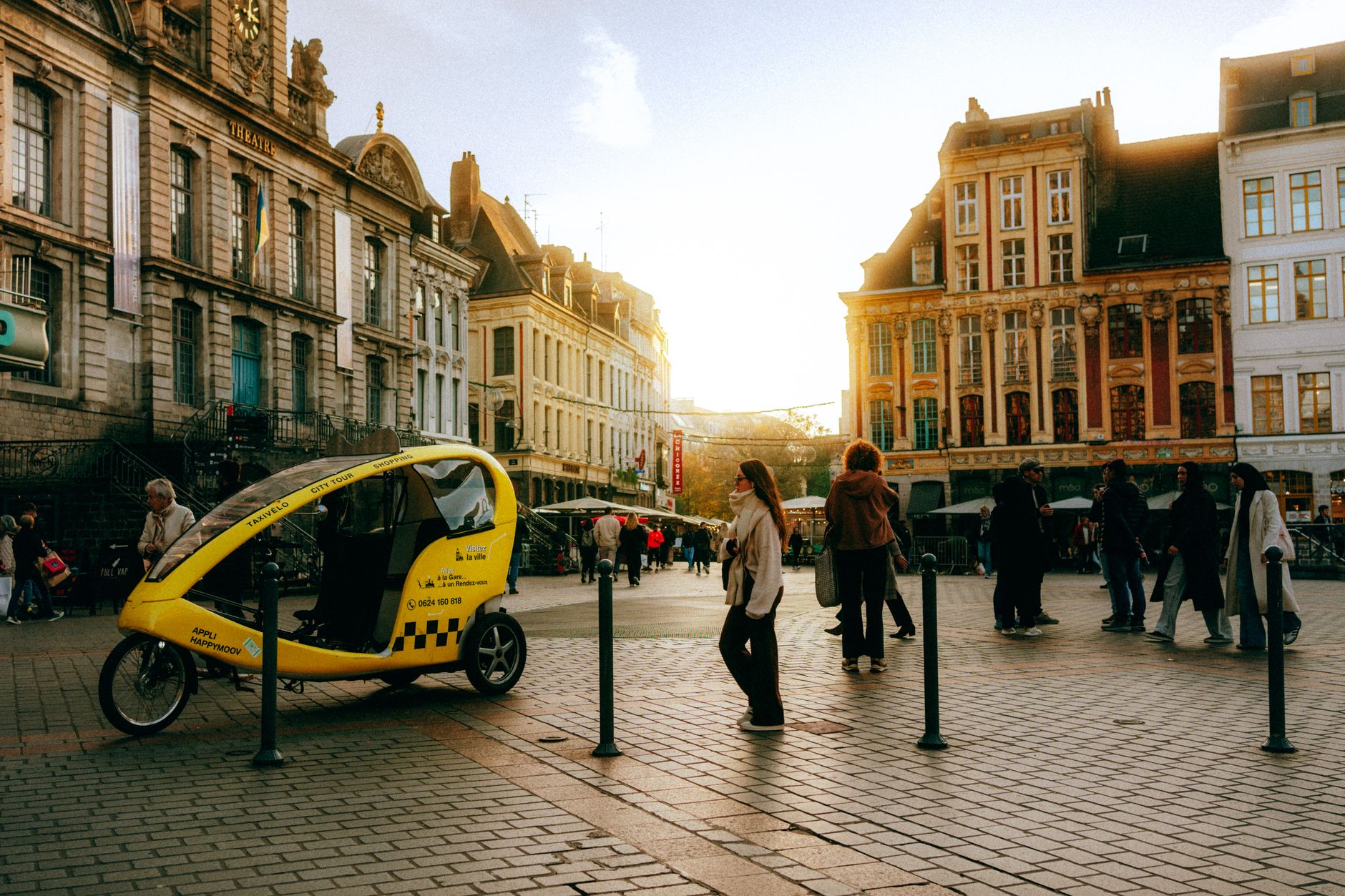
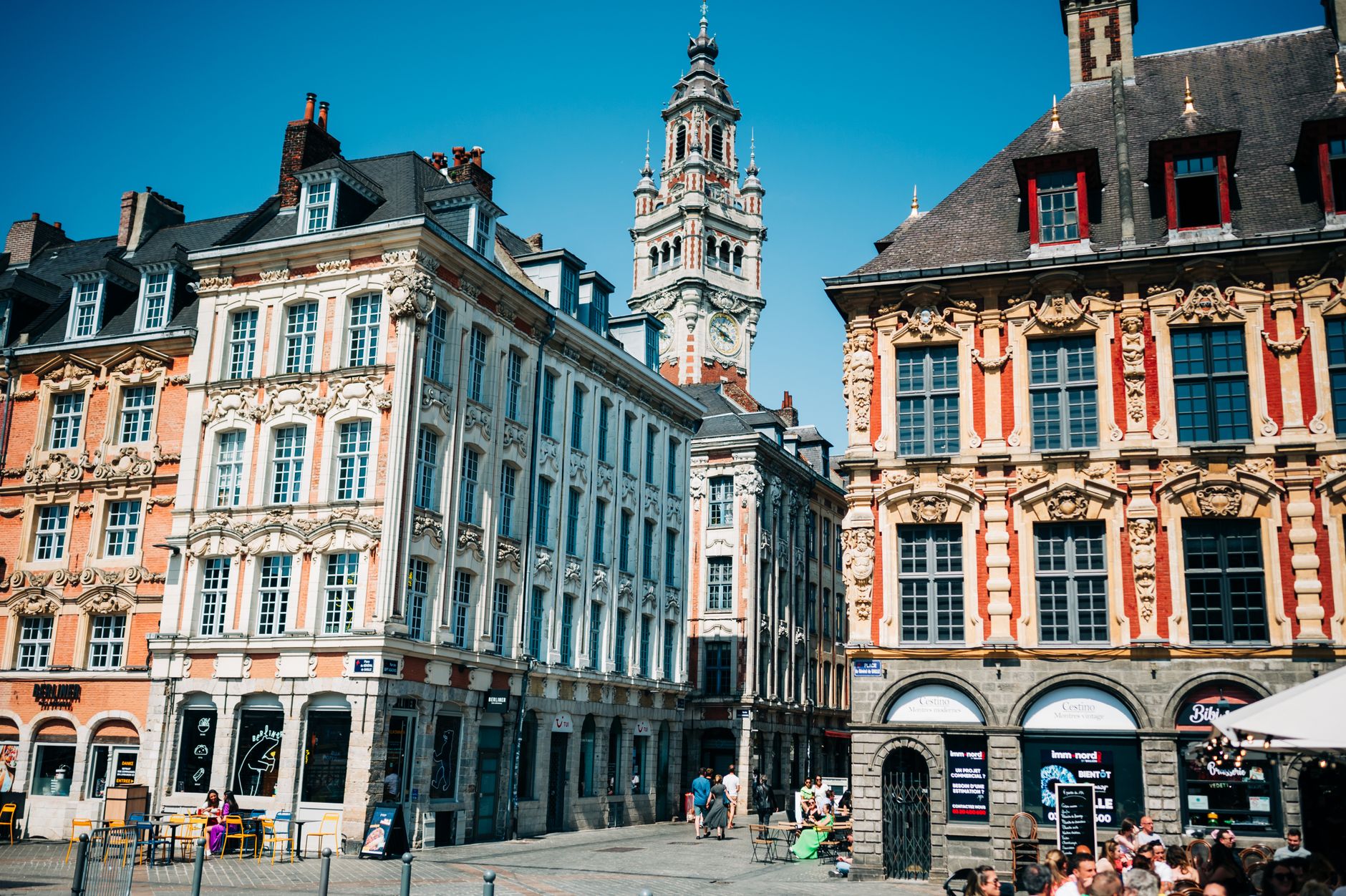
Lille announces itself through its architecture before it says a word. The Grand Place is ringed by Flemish baroque facades — steep gabled rooflines, sandstone the colour of old cream — and at its centre stands the Vieille Bourse, a 1652 courtyard of carved caryatids where secondhand book dealers still set up tables on weekday afternoons. This is a city that spent centuries passing between Flanders, Burgundy, Spain and France, and kept something from each hand that held it.
The result is a place with a genuinely distinct personality: French in language and administration, Flemish in its brickwork and its appetite for beer, northern in its directness. Charles de Gaulle was born here. Louis Pasteur made his fermentation discoveries here. The metro, opened in 1983, was the first fully automatic one in the world.
💛 What travellers fall for
People who come back tend to mention the same things: the Palais des Beaux-Arts on a quiet Tuesday morning, when the Rubens and Goya rooms are nearly empty; the covered arcade inside the Vieille Bourse at dusk; and the V'Lille bikes, which make crossing between Vieux-Lille and the Euralille quarter genuinely easy for €1.80 a day.
Experiences you don't want to miss



Deals in Lille
Book directly at the provider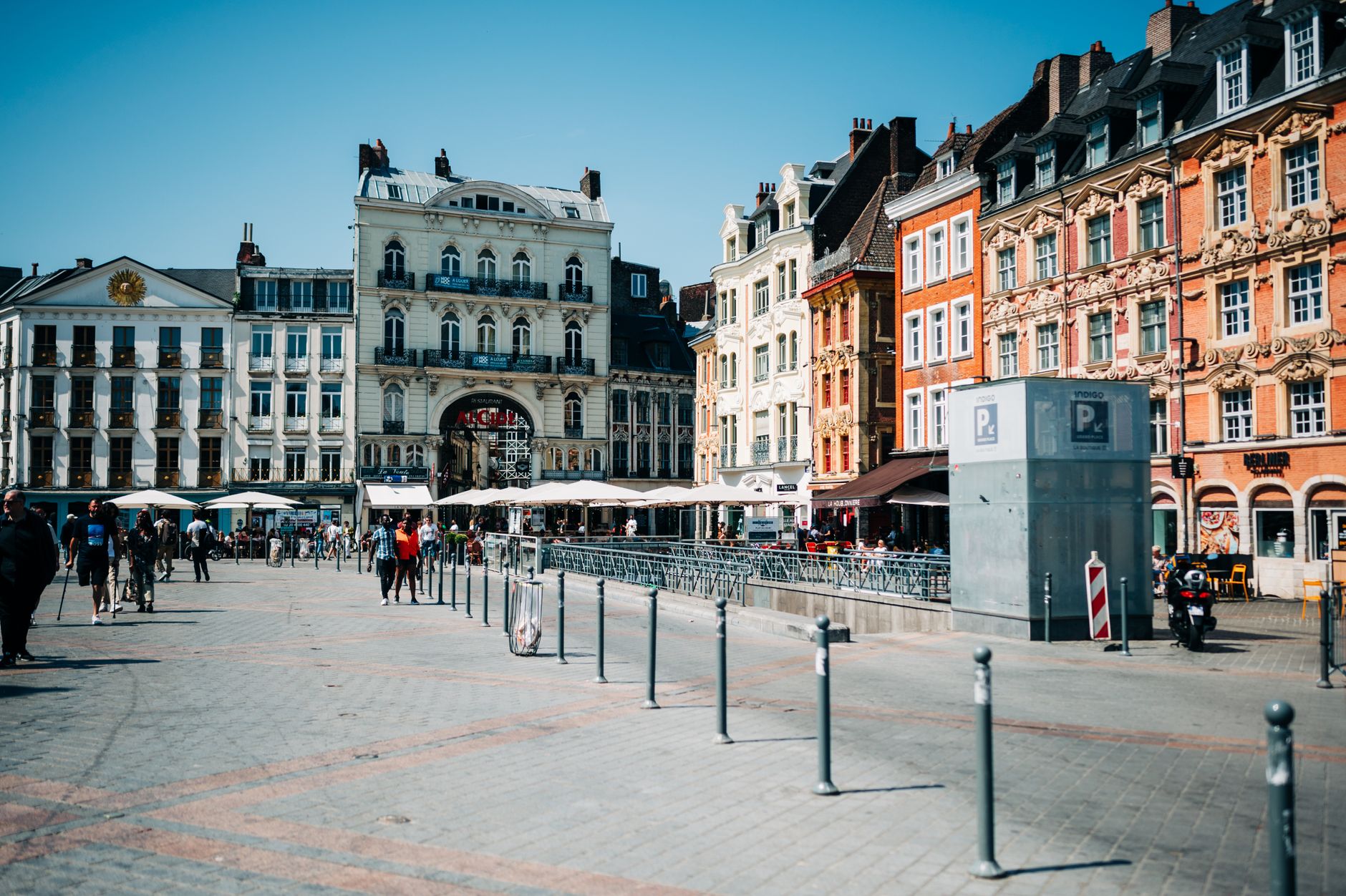
How Lille came to be
The name comes from "isla" — island in Latin — because the settlement sat on the Deûle River. Baudouin V of Flanders formalised it in a 1066 charter, and for the following six centuries Lille moved through Burgundian, Habsburg and Spanish hands before Louis XIV took it by siege in 1667. He immediately commissioned Vauban to build the pentagonal Citadel, completed by 1670, which still stands. The Dutch held the city briefly from 1708 to 1713, when the Treaty of Utrecht made French sovereignty permanent.
The 19th century brought textile mills and mechanical industry; the 20th brought two German occupations, in 1914 and 1940. Recovery was slow, then decisive: Lille was named European Capital of Culture in 2004 and World Design Capital in 2020, a trajectory that reshaped the former industrial fringe around Euralille into something worth walking through.
Who and what shaped it
People who shaped it
Landmark buildings
See Lille in motion
Plan your visit
On the map
When to go
Lille has an oceanic climate — cool, frequently overcast and wet, with wind picking up in autumn and winter when temperatures settle between 2°C and 9°C. Spring and early summer are the most forgiving seasons for walking the city, though a rain layer is sensible any time of year.
Right now
Background & history adapted from Wikipedia (CC BY-SA) · specs from Wikidata (CC0) · weather from Open-Meteo · map data © OpenStreetMap contributors · photos from Wikimedia Commons / Unsplash with per-image credit. No third-party reviews or social posts reproduced.