
Boulogne-sur-Mer
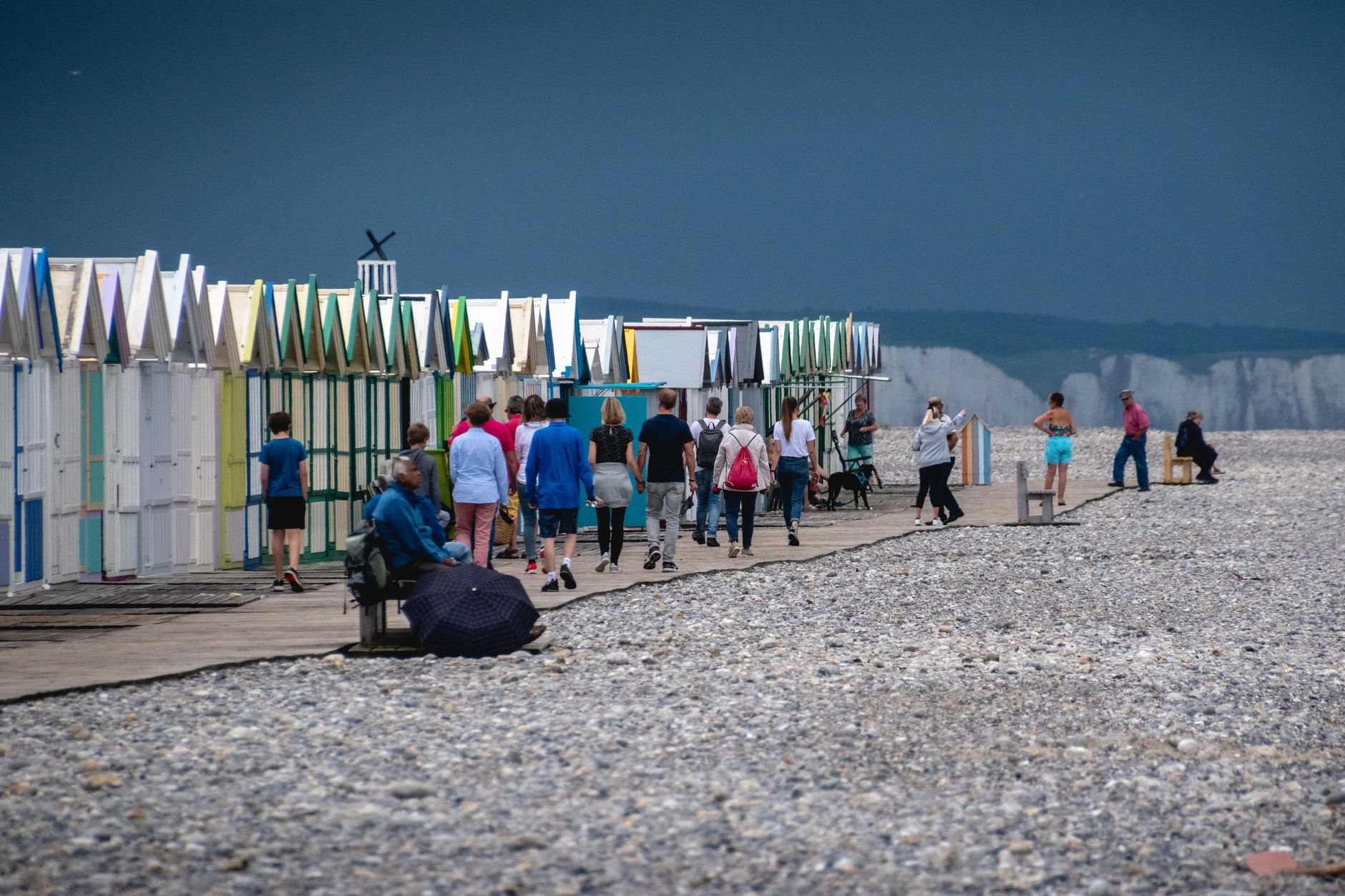
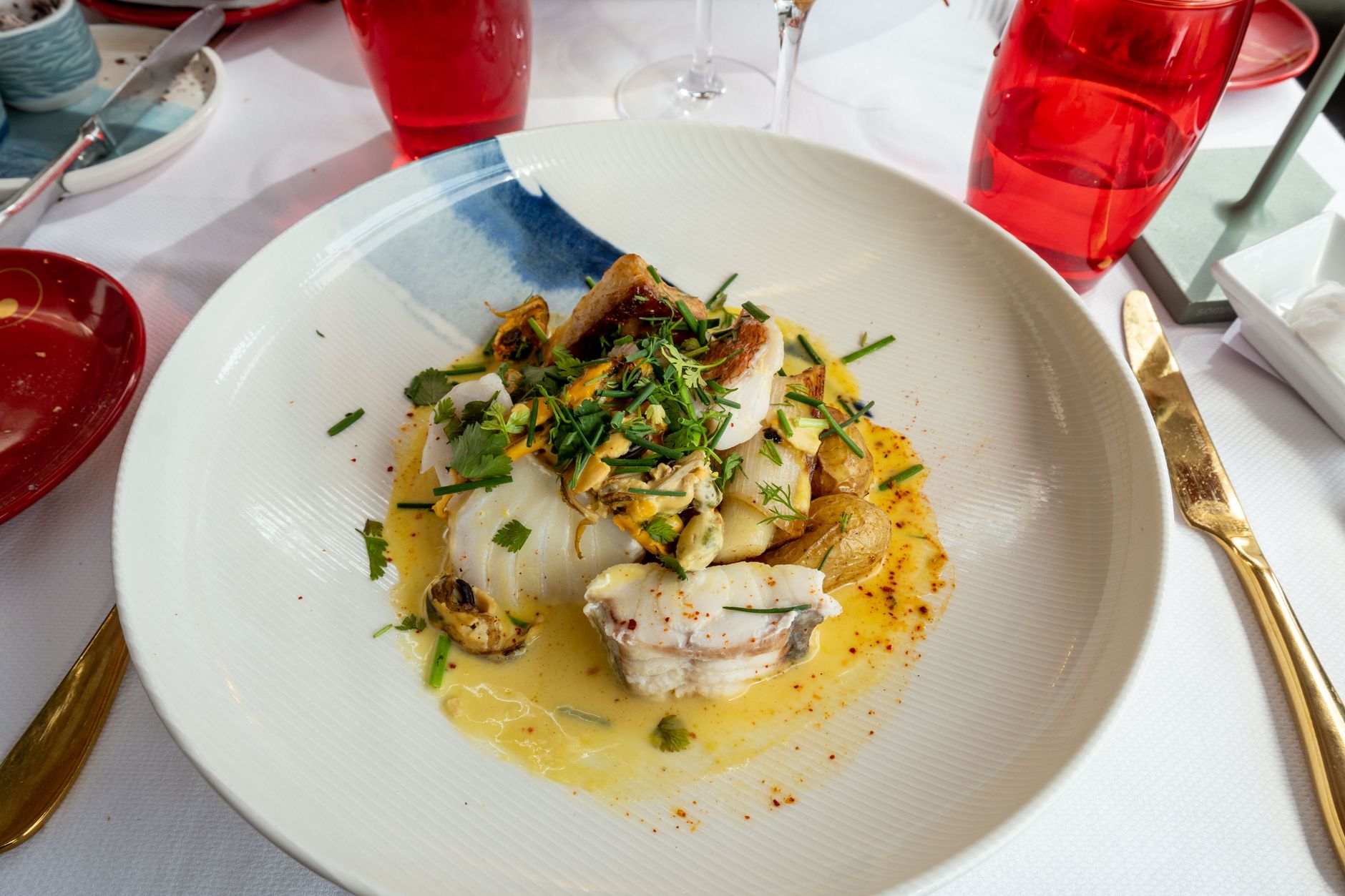
At half-past four in the morning, the lights are already on at Le Chatillon in the Capécure fishing district. The wood-panelled room fills with fishermen and early workers ordering the Parillada — a plate of mixed grilled fish that arrives before most of France has opened its eyes. That detail tells you something about Boulogne-sur-Mer: it runs on its own clock, tied to tides and catch rather than tourism.
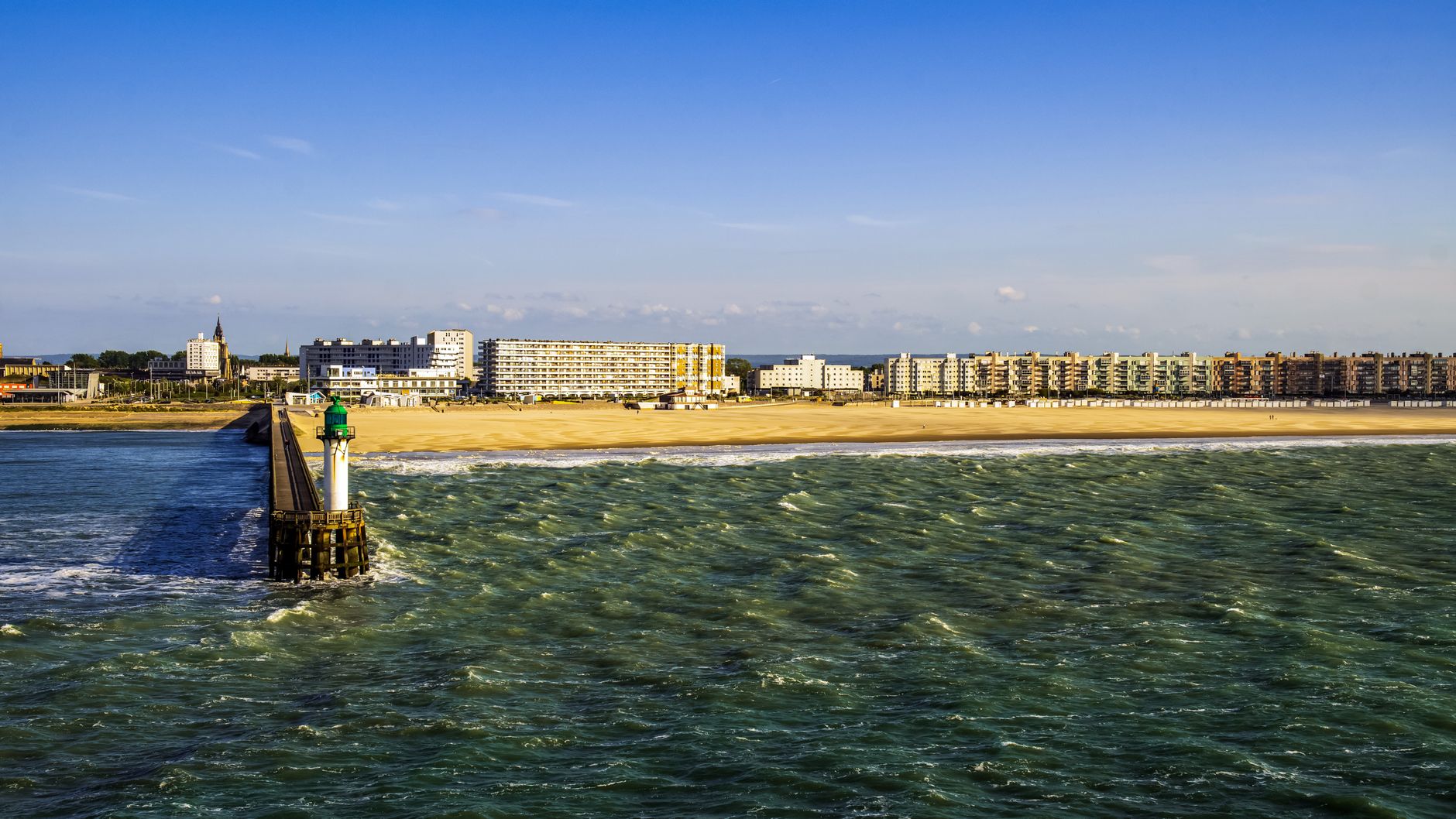
France's largest fishing port sits below a medieval upper town still ringed by 13th-century ramparts. The dome of Notre-Dame rises 101 metres above streets that were 85% rubble in 1944. The city you walk through is largely a post-war rebuild, yet the bones beneath — Roman, medieval, Napoleonic — keep surfacing.
💛 What travellers fall for
People who come back tend to go straight to the upper town at dusk, when the rampart walk empties out. They know to check the crypt under Notre-Dame, one of the largest in France, which most visitors skip entirely. And they eat early in Capécure — the fresher the hour, the fresher the fish.
Experiences you don't want to miss


Deals in Boulogne-sur-Mer
Book directly at the provider
How Boulogne-sur-Mer came to be
The settlement traces back to Celtic origins, and by 39 AD Caligula had ordered a lighthouse built here — an early marker of the site's strategic weight on the Channel. Control passed between Flanders, Ponthieu and Burgundy before Louis XI folded it into France in 1477. England held the town from 1544 to 1550, one episode in centuries of cross-Channel friction.
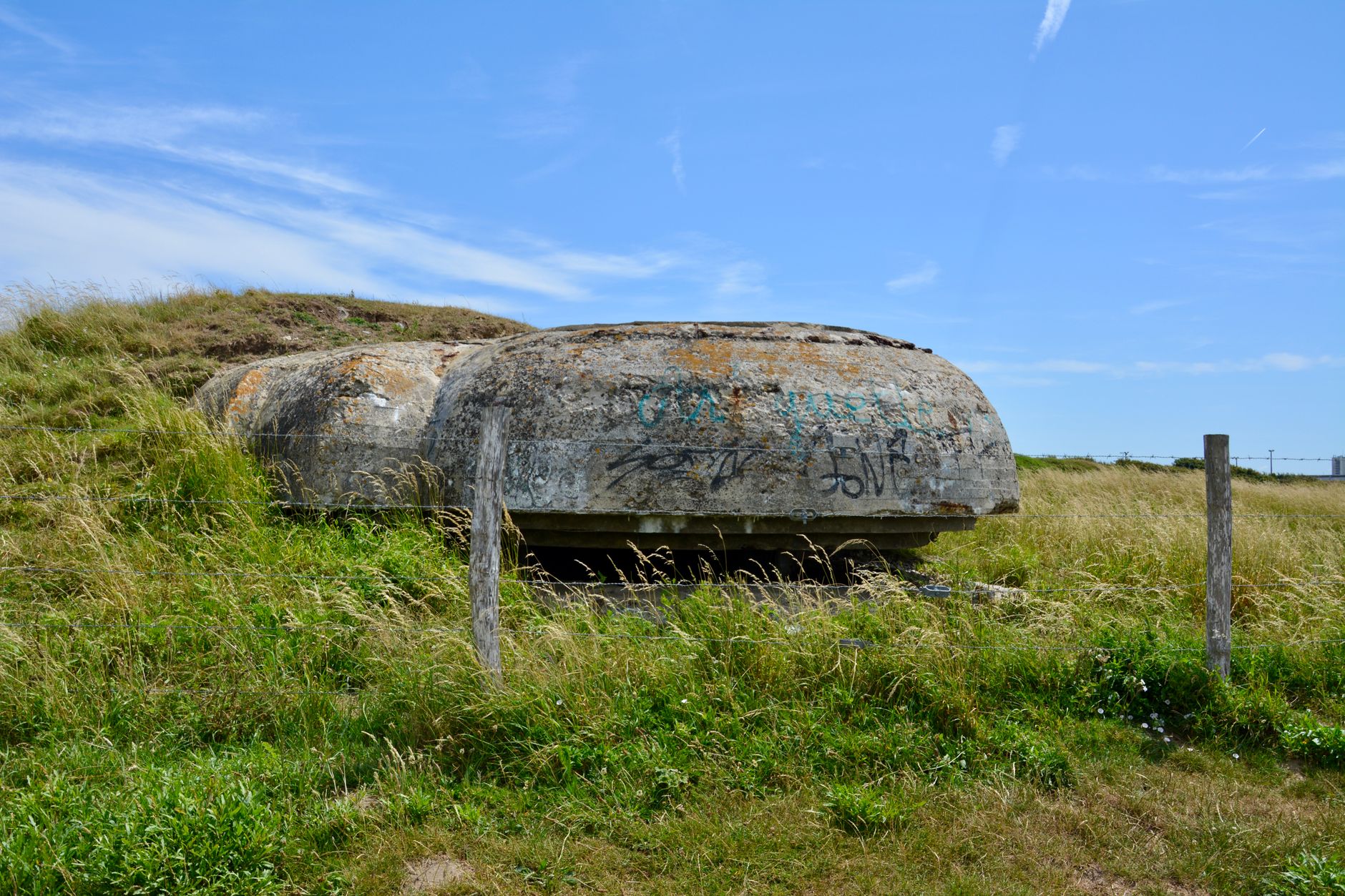
Napoleon camped his Grande Armée nearby long enough to raise a 53-metre column that still stands. The railway arrived in 1848, and by 1920 the fishing fleet numbered 541 vessels. Then came June 1944: 297 RAF planes destroyed the harbour and the surrounding area. Hitler declared it a fortress; the 3rd Canadian Division liberated it in September. Architect Pierre Vivien drew the reconstruction plan, and the four apartment buildings on Quai Gambetta — completed by 1955 — now carry a 20th-century heritage designation of their own.
Who and what shaped it
People who shaped it
Landmark buildings
See Boulogne-sur-Mer in motion
Plan your visit
On the map
When to go
Summers are mild rather than warm — August peaks around 21°C — with July offering the most sunshine and the fewest rainy days. The rest of the year is long, grey and genuinely windy, with November bringing rain on roughly half its days.
Right now
Background & history adapted from Wikipedia (CC BY-SA) · specs from Wikidata (CC0) · weather from Open-Meteo · map data © OpenStreetMap contributors · photos from Wikimedia Commons / Unsplash with per-image credit. No third-party reviews or social posts reproduced.