
Beauvais
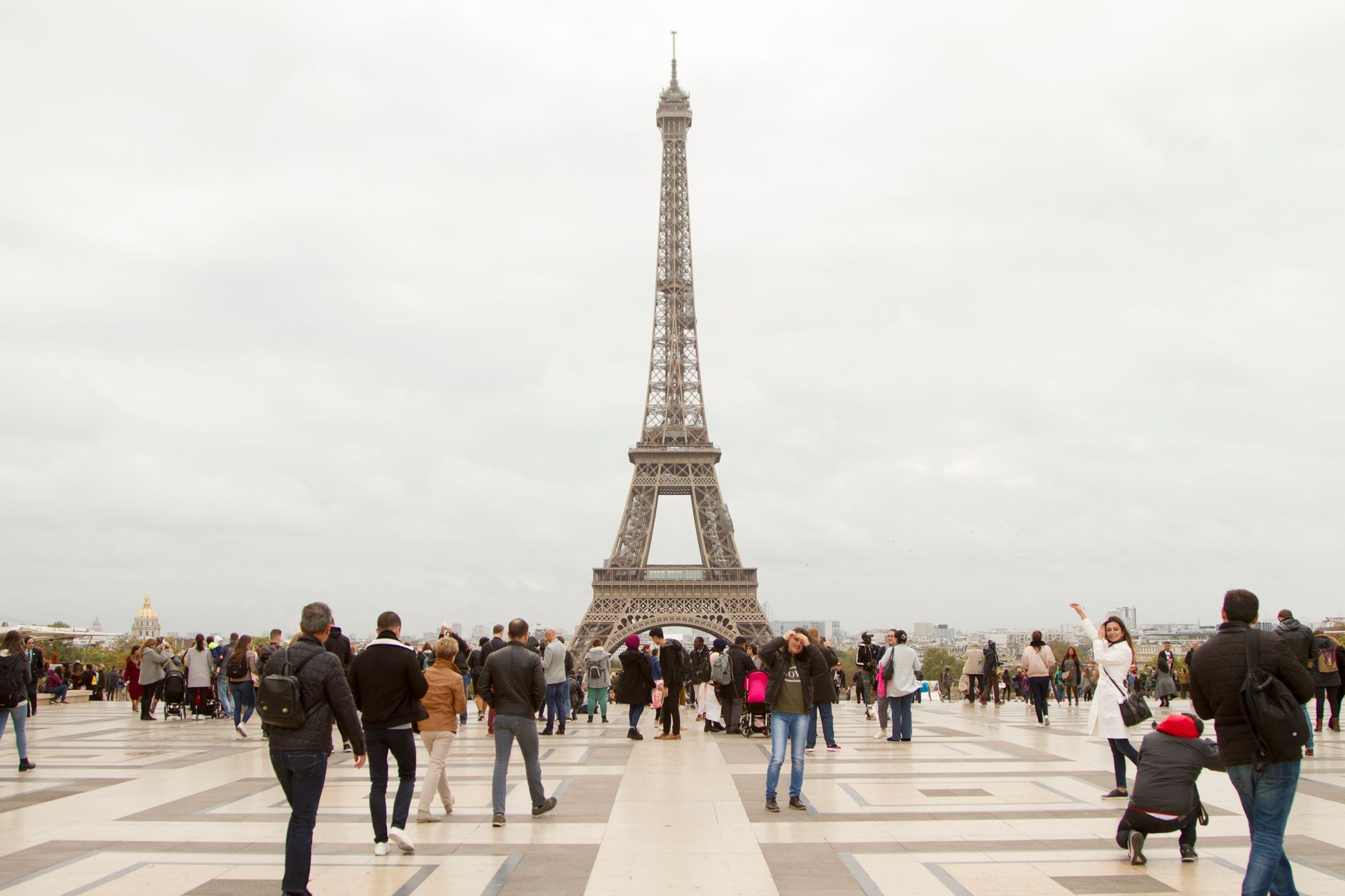
Stand at the base of the choir of Saint-Pierre de Beauvais and look up: 48.5 metres of Gothic stone rise above you, the highest such vault ever completed, and you understand immediately that this city spent centuries reaching for something it could not quite hold. The choir collapsed in 1284. The tower — briefly the tallest structure on earth — fell in 1573. Beauvais has always been a place of extraordinary ambition and honest reckoning with its limits.
Beyond the cathedral, the city carries other layers quietly: a 1302 clock still keeping time, a leprosarium that has stood since the 12th century, and a tapestry tradition that Louis XIV's finance minister thought worth institutionalising in 1664. For a city of 55,000, it holds a surprising amount of history in a very small area.
💛 What travellers fall for
People who come back tend to arrive in the late morning, before the coach groups reach the astronomical clock. They also mention the Basse-Oeuvre — the small, dark Carolingian church pressed against the cathedral's flank — as the detail that stays with them longest. It is easy to walk past. Don't.
Experiences you don't want to miss



Deals in Beauvais
Book directly at the provider

How Beauvais came to be
The city began as Caesaromagus, a Roman settlement on the territory of the Bellovaci tribe, Julius Caesar having subdued the region in 52 BCE. By the early medieval period it had become a countship, and in 1013 its bishops were recognised as peers of France — an arrangement that gave the church unusual civic authority here for centuries. That authority funded the cathedral's first stones in 1225, under count-bishop Milo of Nanteuil.
In 1472, a local woman named Jeanne Hachette seized a standard from Burgundian troops besieging the town, an act the city still marks with a June celebration each year. Marshal Foch directed operations from the town hall in 1918. In 1940, bombing destroyed most of Beauvais; the cathedral, improbably, survived. The city was rebuilt on its original street plan.
Who and what shaped it
People who shaped it
Landmark buildings
See Beauvais in motion
Plan your visit
On the map
When to go
Beauvais has a temperate northern French climate: mild and often overcast, with rain spread across the year. Spring and early autumn offer the most comfortable conditions for walking between sites; summer is warm but rarely hot, and winter days are short and grey.
Right now
Background & history adapted from Wikipedia (CC BY-SA) · specs from Wikidata (CC0) · weather from Open-Meteo · map data © OpenStreetMap contributors · photos from Wikimedia Commons / Unsplash with per-image credit. No third-party reviews or social posts reproduced.