
Douai
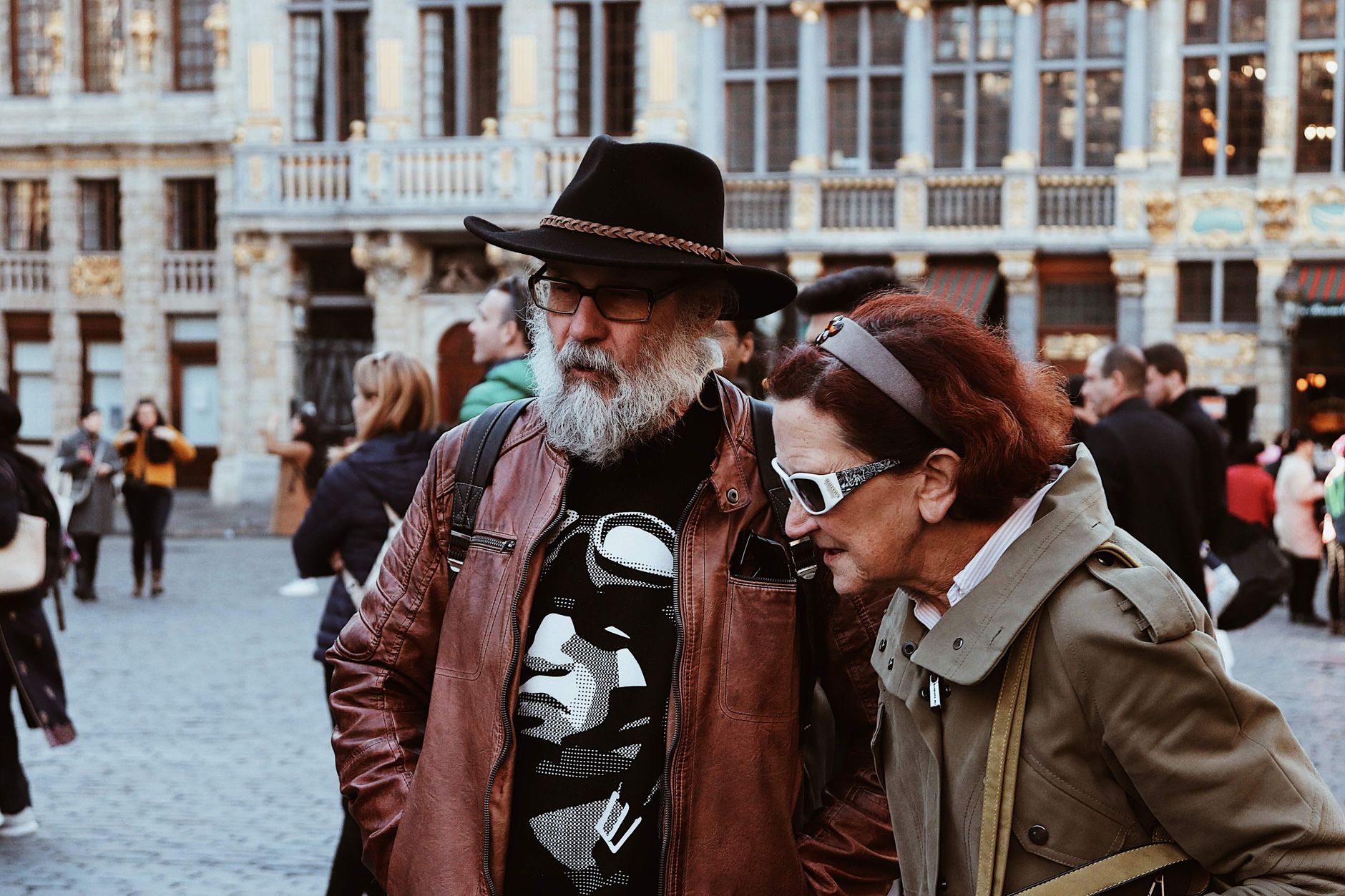


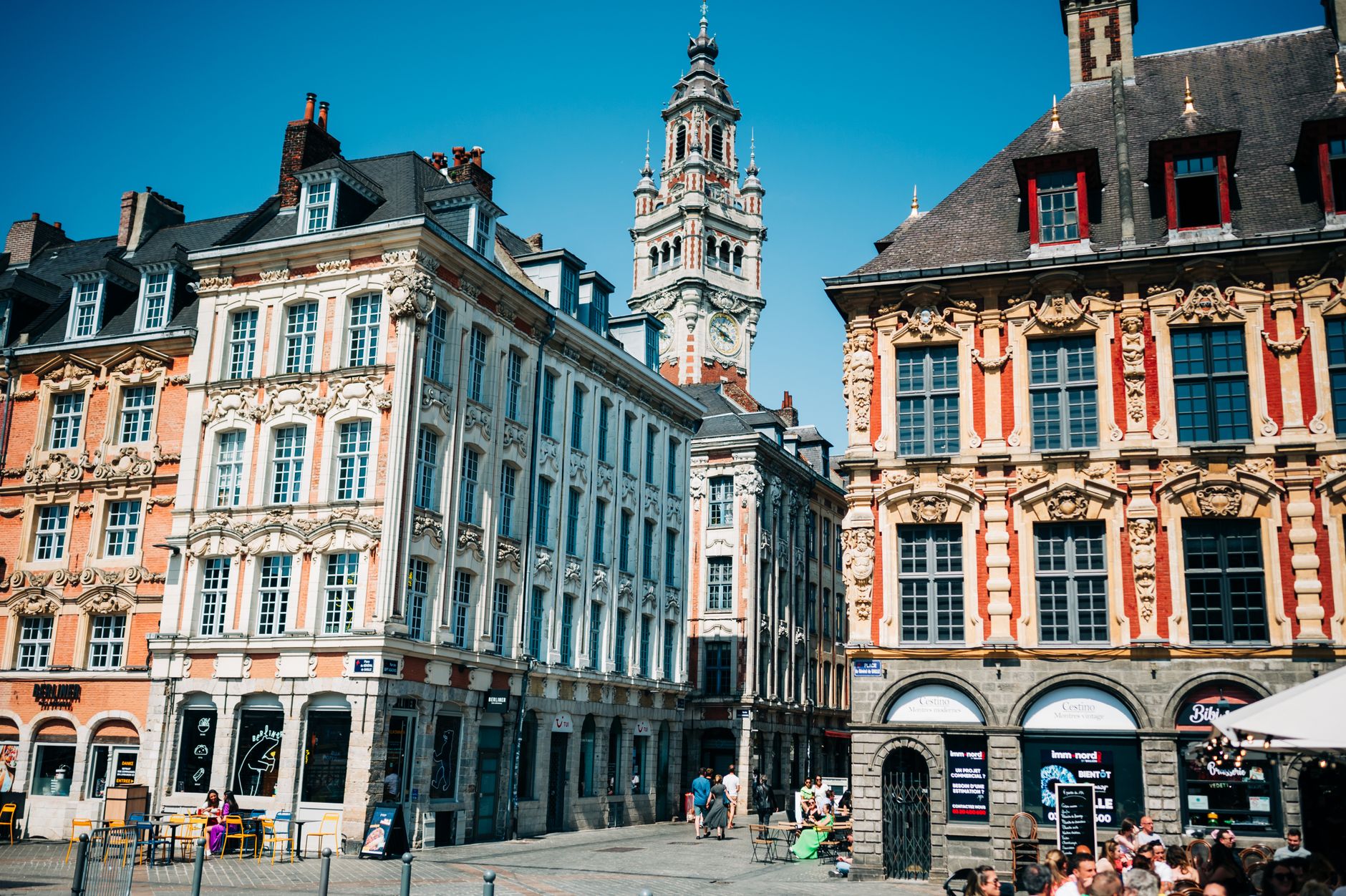
The first thing you notice in Douai is the belfry — 80 metres of Gothic stonework rising over the rooftops, its 62-bell carillon marking every quarter-hour with a sound that carries across the whole old centre. On Saturday mornings a musician plays the bells by keyboard, which is an odd and specific pleasure. The city sits on the River Scarpe in the flat coal country of Hauts-de-France, and it carries its history quietly: medieval textile wealth, Habsburg rule, Louis XIV's siege, a near-total destruction by British forces in 1710–12, and then a long second life as the seat of the Parliament of Flanders.
💛 What travellers fall for
People who come back tend to time it around the Fêtes de Gayant, the giant-figure procession held the weekend after July 5 — it's a genuinely local event rather than a tourist production. They also mention the Musée de la Chartreuse, which rewards the slow look: Flemish masters alongside Corot and Renoir in the calm of a former Carthusian monastery.
Experiences you don't want to miss


Deals in Douai
Book directly at the provider

How Douai came to be
Douai's site traces to a 4th-century Roman fortress, but the city found its footing in the Middle Ages as a textile market under the counts of Flanders. Its first charter came in 1188. The county passed to the Dukes of Burgundy in 1384, then to the Habsburgs in 1477, before Louis XIV's troops took the city in 1667 — a transfer confirmed by the Treaty of Aix-la-Chapelle in 1668.
The following century was brutal: between 1710 and 1712, successive British sieges left the city almost entirely in ruins. It was rebuilt, became the seat of the Parliament of Flanders, and was fully French by 1713. In WWI, German forces occupied the city and used the La Brayelle airfield — where the world's first aeronautical meeting had taken place in 1909 — as the base for Manfred von Richthofen. British forces liberated Douai in 1918, leaving it to rebuild again.
Who and what shaped it
People who shaped it
Landmark buildings
See Douai in motion
Plan your visit
On the map
When to go
This part of northern France is mild but reliably grey, with rain distributed across the year and no true dry season. Summer — June through August — is the most comfortable time to visit, with temperatures in the high teens to low twenties Celsius; winters are damp and cold, though never severe.
Right now
Background & history adapted from Wikipedia (CC BY-SA) · specs from Wikidata (CC0) · weather from Open-Meteo · map data © OpenStreetMap contributors · photos from Wikimedia Commons / Unsplash with per-image credit. No third-party reviews or social posts reproduced.