
Calais
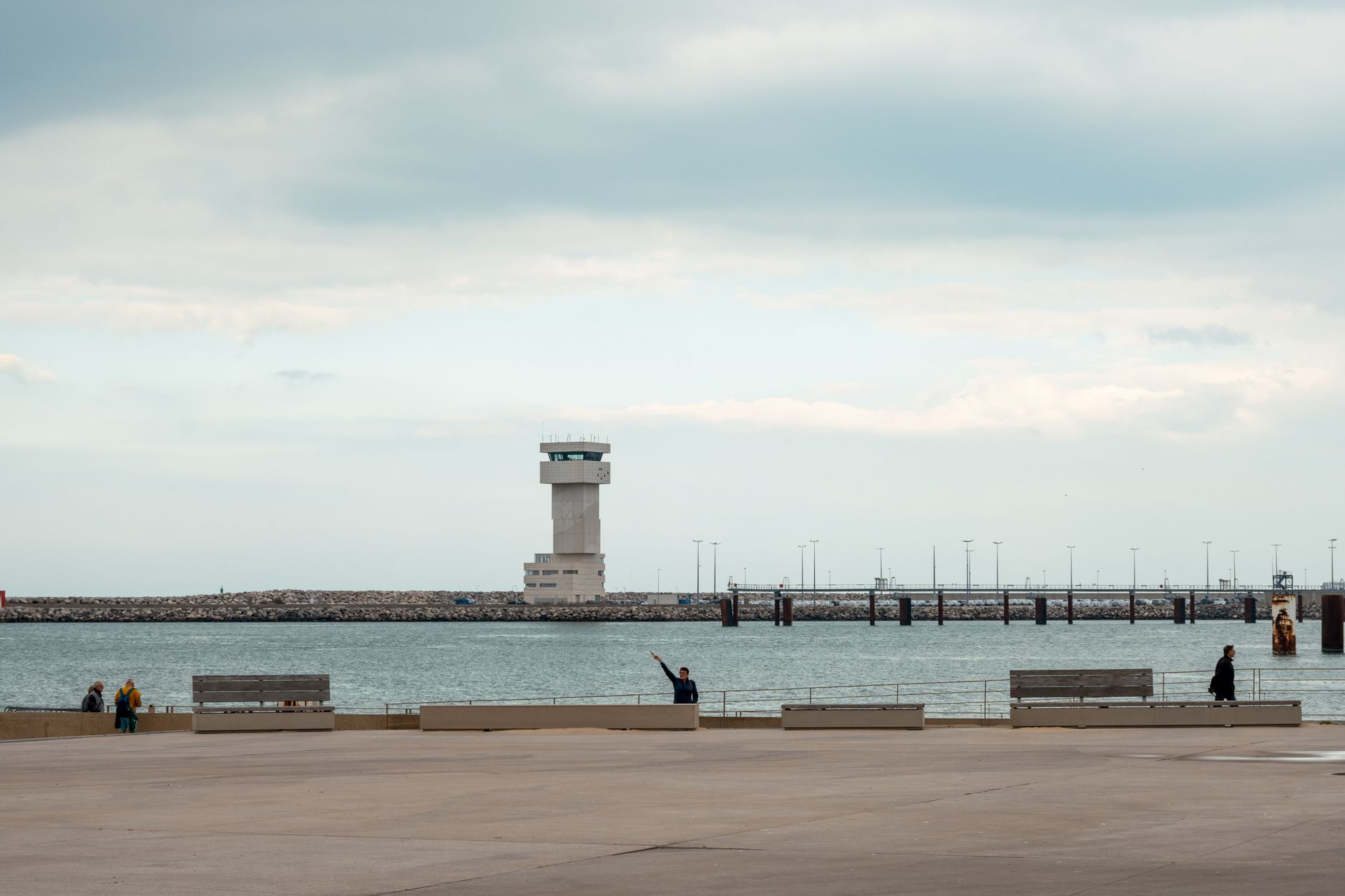
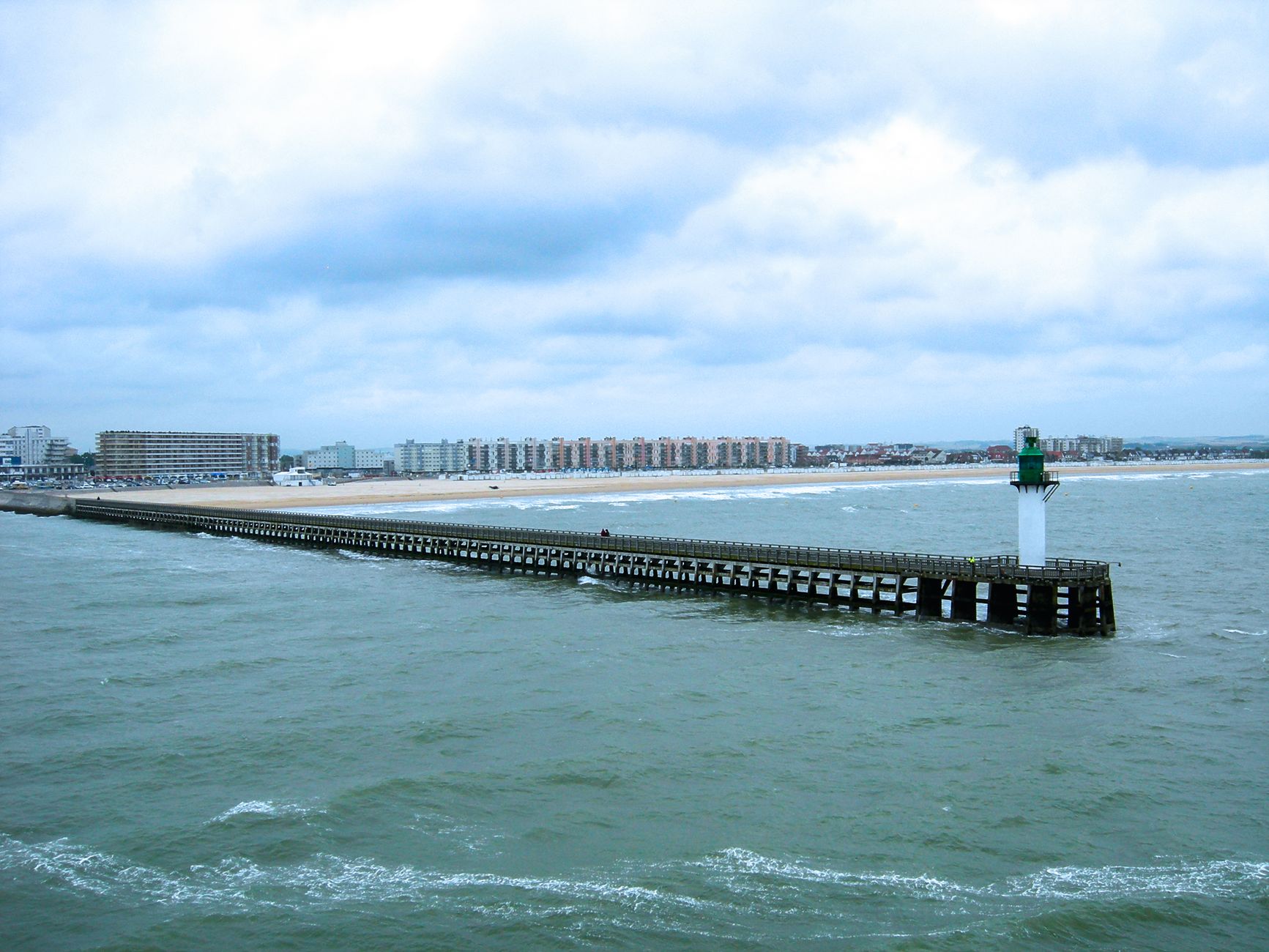
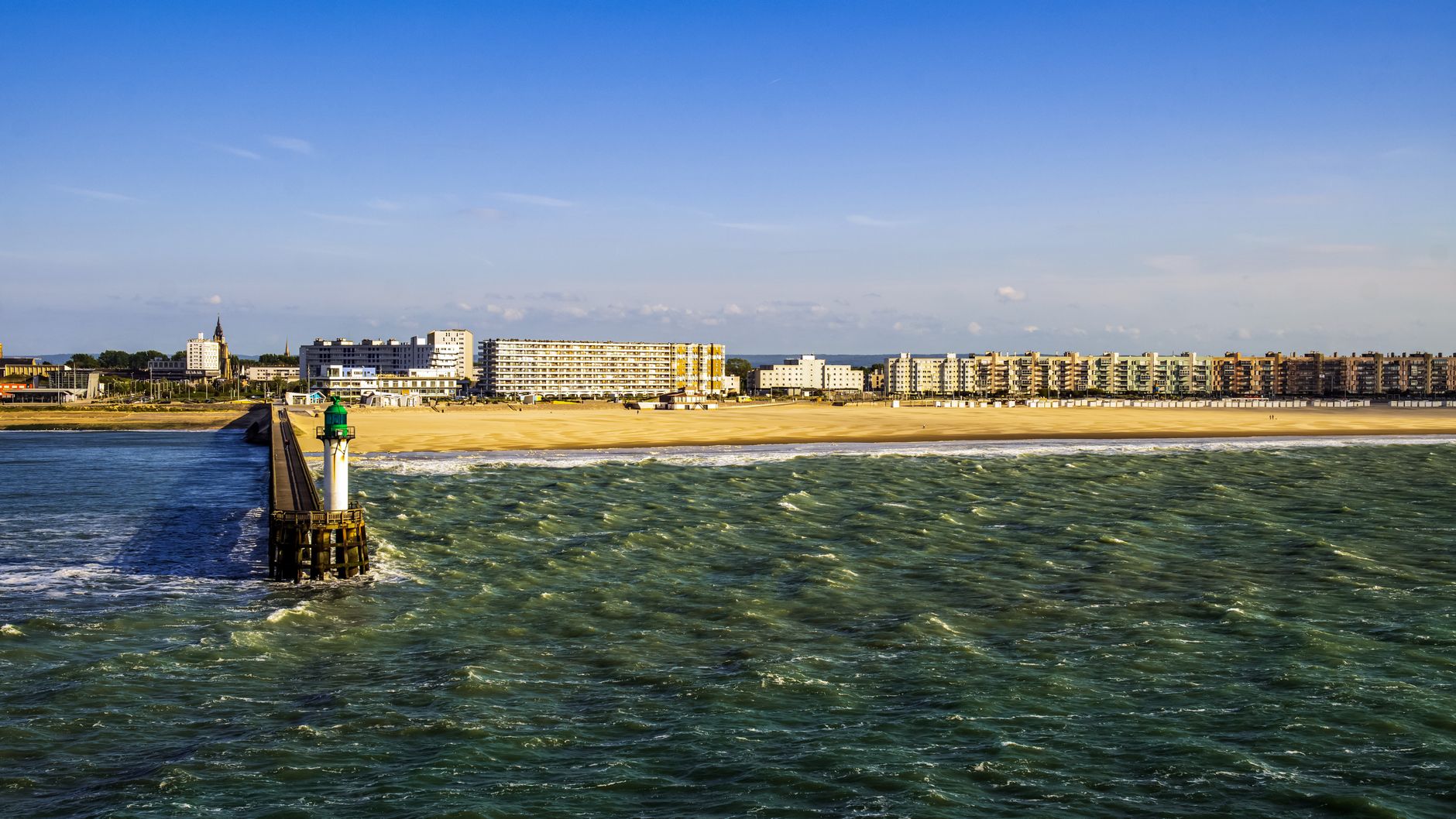
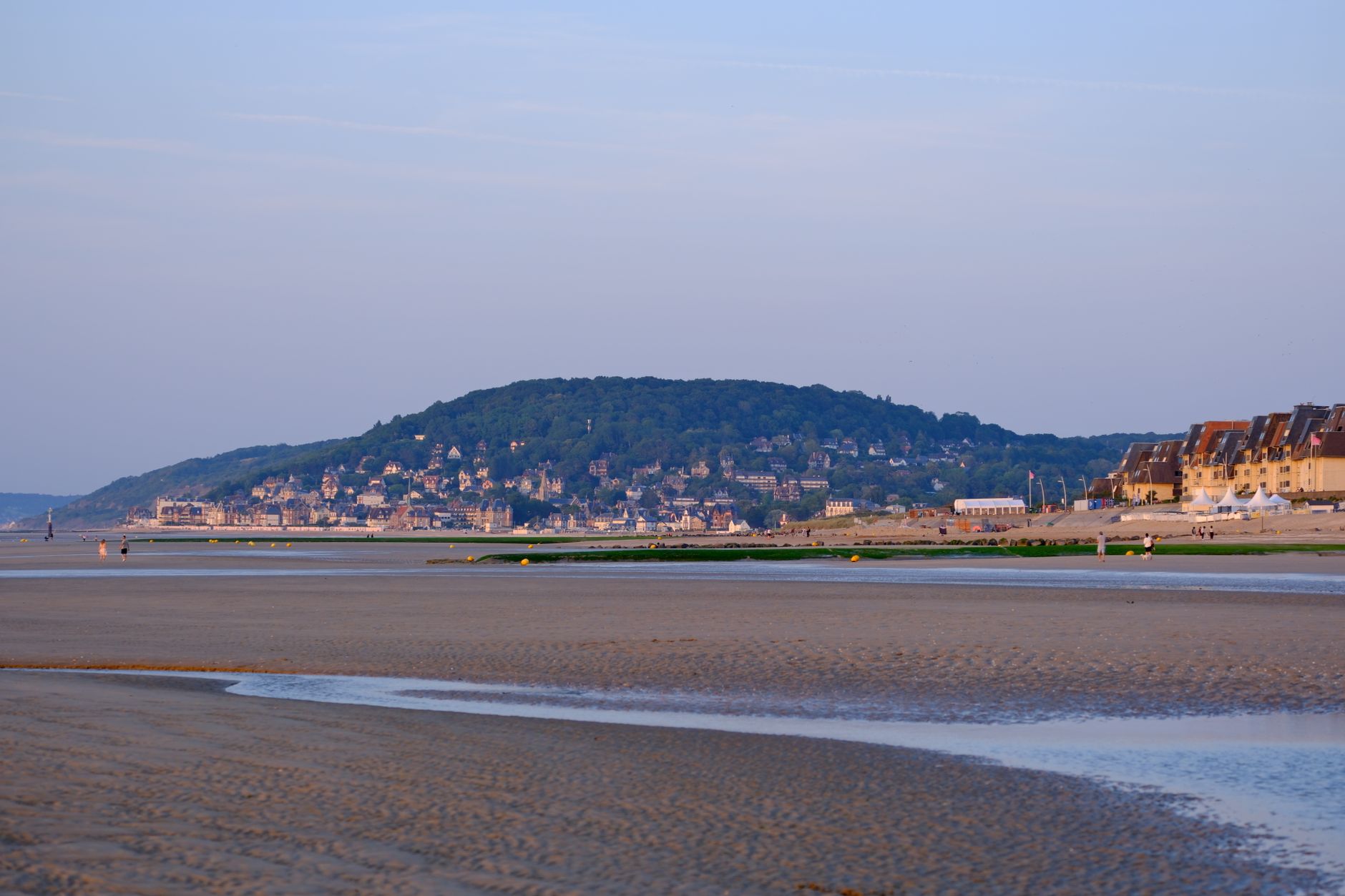

Most people pass through Calais without stopping — a blur of ferry terminals and motorway signs pointing south. That's their loss. Stand in front of Rodin's bronze group outside the town hall and you're looking at six men who walked out to face execution in 1346 so that their city might live. The anguish in those cast faces is not decorative.
Calais is a place shaped by crossings — of armies, smugglers, newlyweds, and commuters. The lace machines that Nottingham smugglers brought over in 1816 still define the town's identity, and the English Perpendicular stonework of Notre-Dame church is a quiet reminder of two centuries of English occupation that ended only in 1558.
💛 What travellers fall for
People who come back tend to time it around the Cité de la Dentelle — not for the gift shop but for the working looms in the old Boulart factory, where the noise alone is worth the visit. The belfry of the Hôtel de Ville rewards the climb with a view that makes the geography of the Strait suddenly legible.
Experiences you don't want to miss


Deals in Calais
Book directly at the provider

How Calais came to be
Calais began as a fishing settlement on an island threaded by canals, fortified by the Count of Boulogne in 1224. Its darkest hour came in 1346 when, after nearly a year under English siege following the Battle of Crécy, six burghers walked out as hostages to save the population — a scene Rodin would memorialise five and a half centuries later. England held the town until François de Guise took it back in 1558, and the surrounding region became known as the Pays Reconquis, the Reconquered Country.
The nineteenth century remade Calais again: lace machines smuggled from Nottingham in 1816 seeded an industry that still runs, the Paris railway arrived in 1848, and in 1885 the old town and its industrial neighbour Saint-Pierre merged into one. In the autumn of 1944, General Spry's 3rd Canadian Infantry Division fought through the ruins to liberate what remained.
Who and what shaped it
People who shaped it
Landmark buildings
See Calais in motion
Plan your visit
On the map
When to go
Calais sits on the Strait of Dover and the wind is rarely absent — pack a layer even in July. Winters are grey and damp but mild enough; summer days are bright without being hot, and the light off the water in late afternoon is particularly good.
Right now
Background & history adapted from Wikipedia (CC BY-SA) · specs from Wikidata (CC0) · weather from Open-Meteo · map data © OpenStreetMap contributors · photos from Wikimedia Commons / Unsplash with per-image credit. No third-party reviews or social posts reproduced.