
Valenciennes
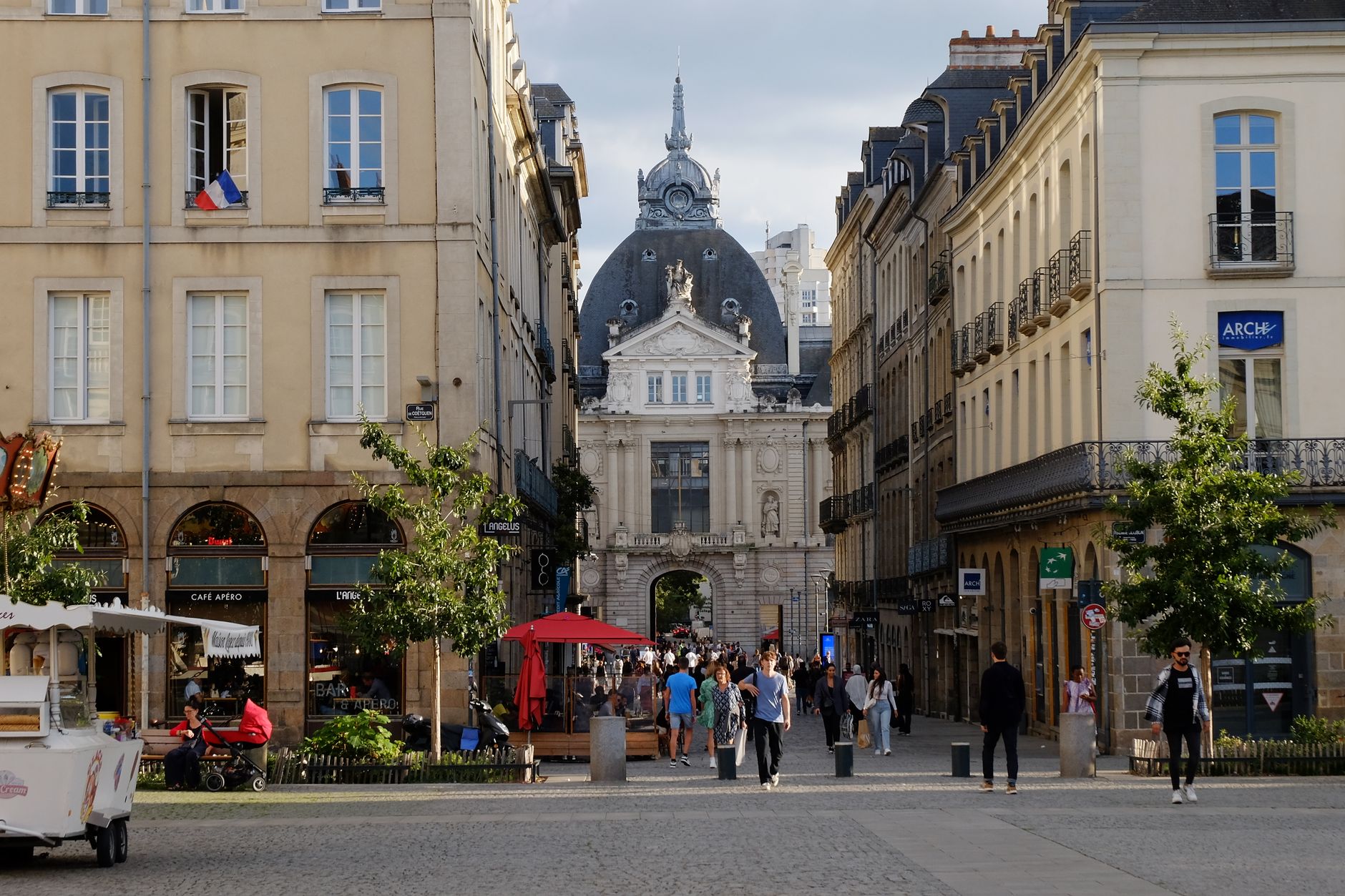

The Municipal Library in Valenciennes holds a small manuscript written in 882 — the oldest surviving poem in the French language. That a northern industrial city should be the keeper of such a thing tells you something about how this place works: quietly significant, easy to underestimate.
Valaenciennes built its wealth on coal and steel, then on Flemish lace so fine it rivalled Brussels. Watteau was born here. So was the sculptor Carpeaux. The Museum of Fine Arts opened in 1801 and filled its walls with Rubens, Van Dyck and Jordaens. The town hall's pediment is Carpeaux's work. The city was bombed heavily in both world wars and rebuilt without fuss, and that pragmatic resilience still runs through it.
💛 What travellers fall for
People who come back tend to spend longer than planned at the Fine Arts Museum — the Flemish collection alone earns the detour. The Wednesday and Saturday farmers' markets on Place d'Armes are worth timing your trip around. And the Tour de Dodenne, the last standing fragment of the old fortifications, rewards a slow walk around its base.
Experiences you don't want to miss




Deals in Valenciennes
Book directly at the provider
How Valenciennes came to be
The city's name may trace back to one of the three Roman emperors named Valentinian, though no one is certain. It appears in records as early as 693, under the Merovingian king Clovis II, and grew into a significant town under the counts of Hainaut. In 1328, Philippa of Hainaut married England's Edward III here. By 1433 the city had passed to Philip the Good, Duke of Burgundy, and later to Charles the Bold.
Louis XIV's military engineer Vauban captured Valenciennes in March 1677 after a siege, and the Treaty of Nijmegen the following year confirmed French control. The city's later prosperity came from the first French coalfield and from ironworking — industries that drew the industry and left the skyline changed. In 2001, Toyota opened its Western European assembly plant for the Yaris just outside the city, in Onnaing.
Who and what shaped it
People who shaped it
Landmark buildings
See Valenciennes in motion
Plan your visit
On the map
When to go
Valenciennes has an oceanic climate — mild, grey and damp more often than dramatic. Summers average around 23°C, pleasant for walking; winters are cool rather than cold, rarely dropping below freezing, though December brings the most rain. The record high of 40.9°C in July 2019 was an anomaly, not a forecast.
Right now
Background & history adapted from Wikipedia (CC BY-SA) · specs from Wikidata (CC0) · weather from Open-Meteo · map data © OpenStreetMap contributors · photos from Wikimedia Commons / Unsplash with per-image credit. No third-party reviews or social posts reproduced.