
Cusco
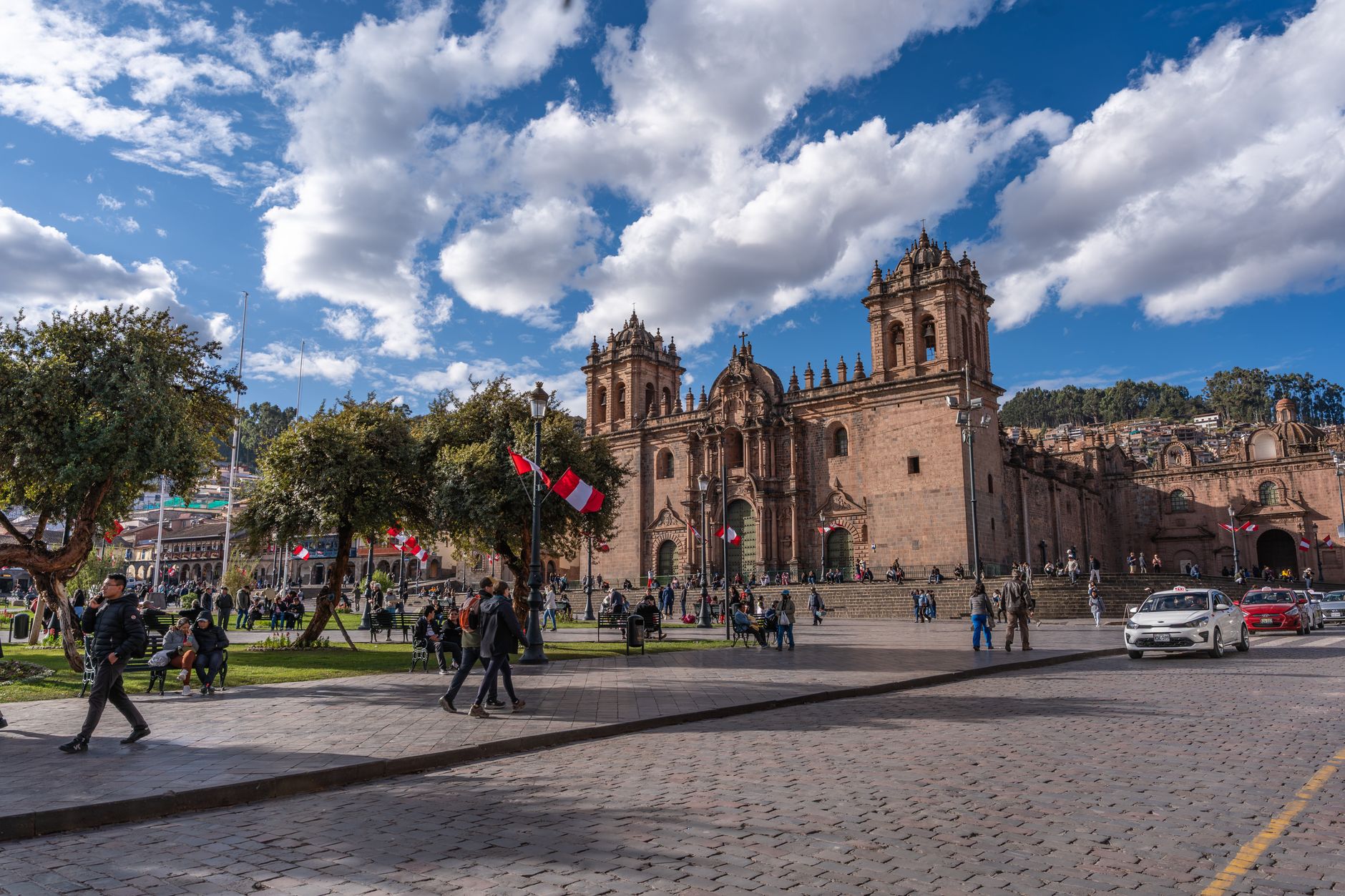
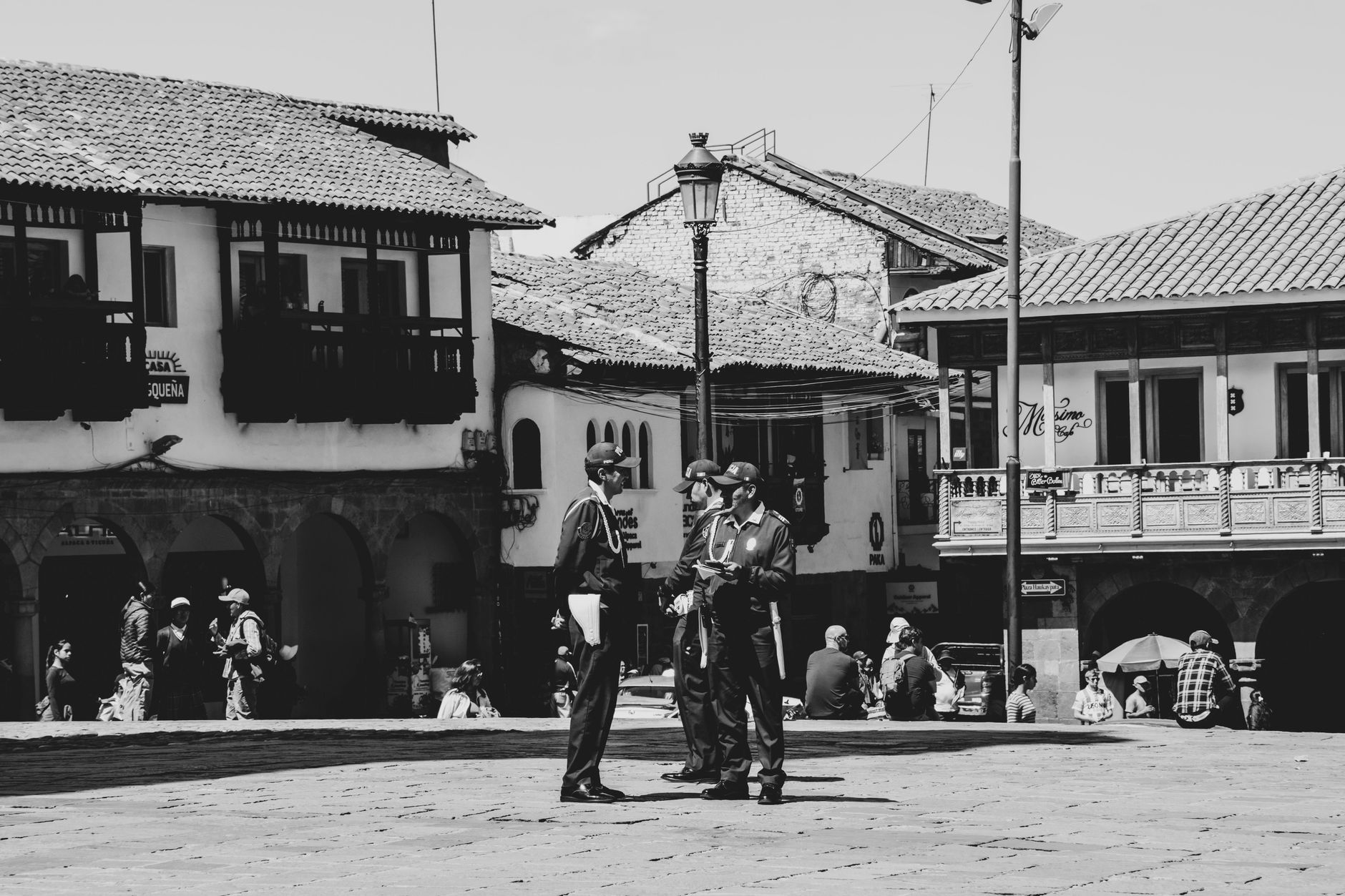
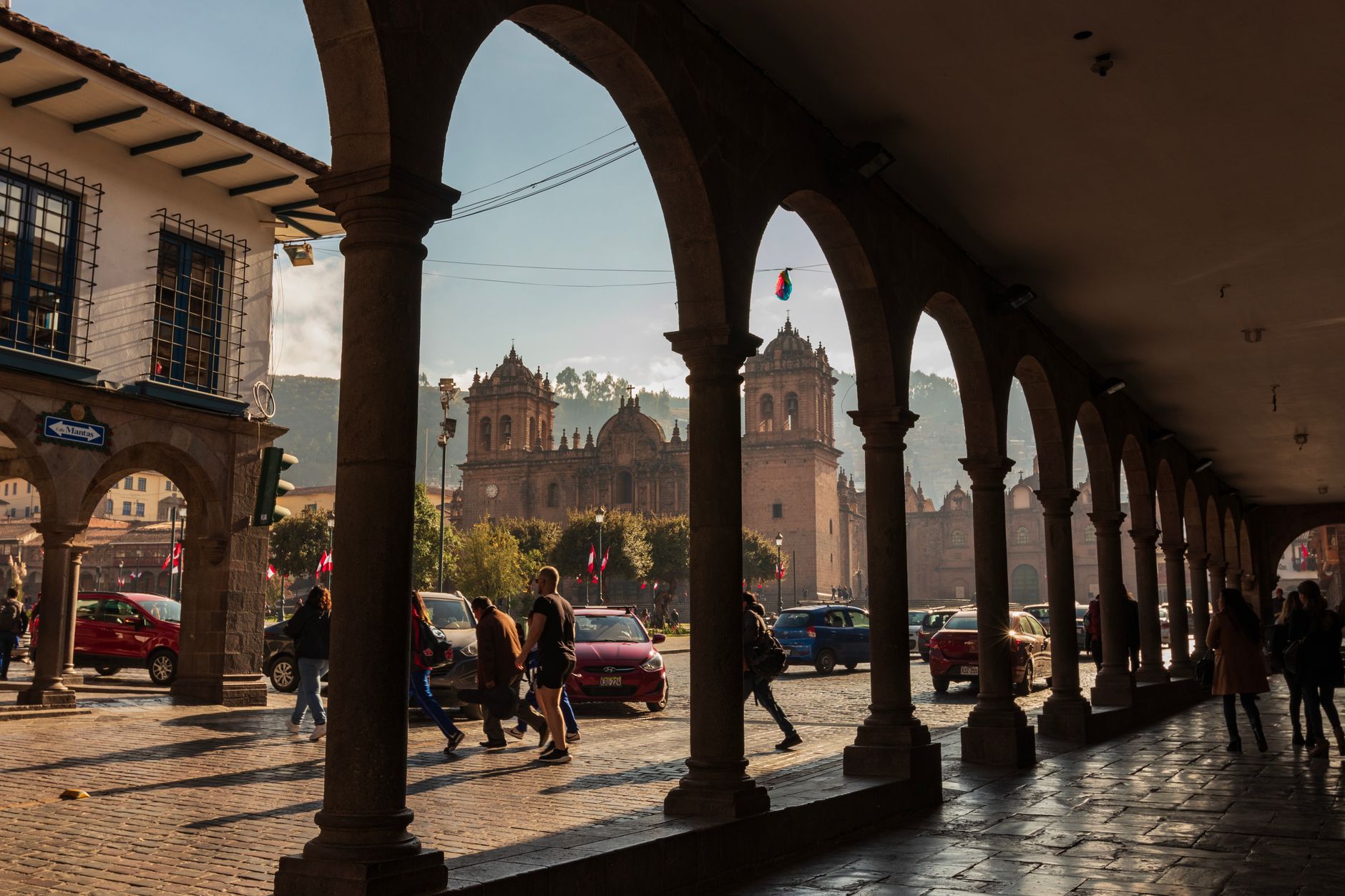
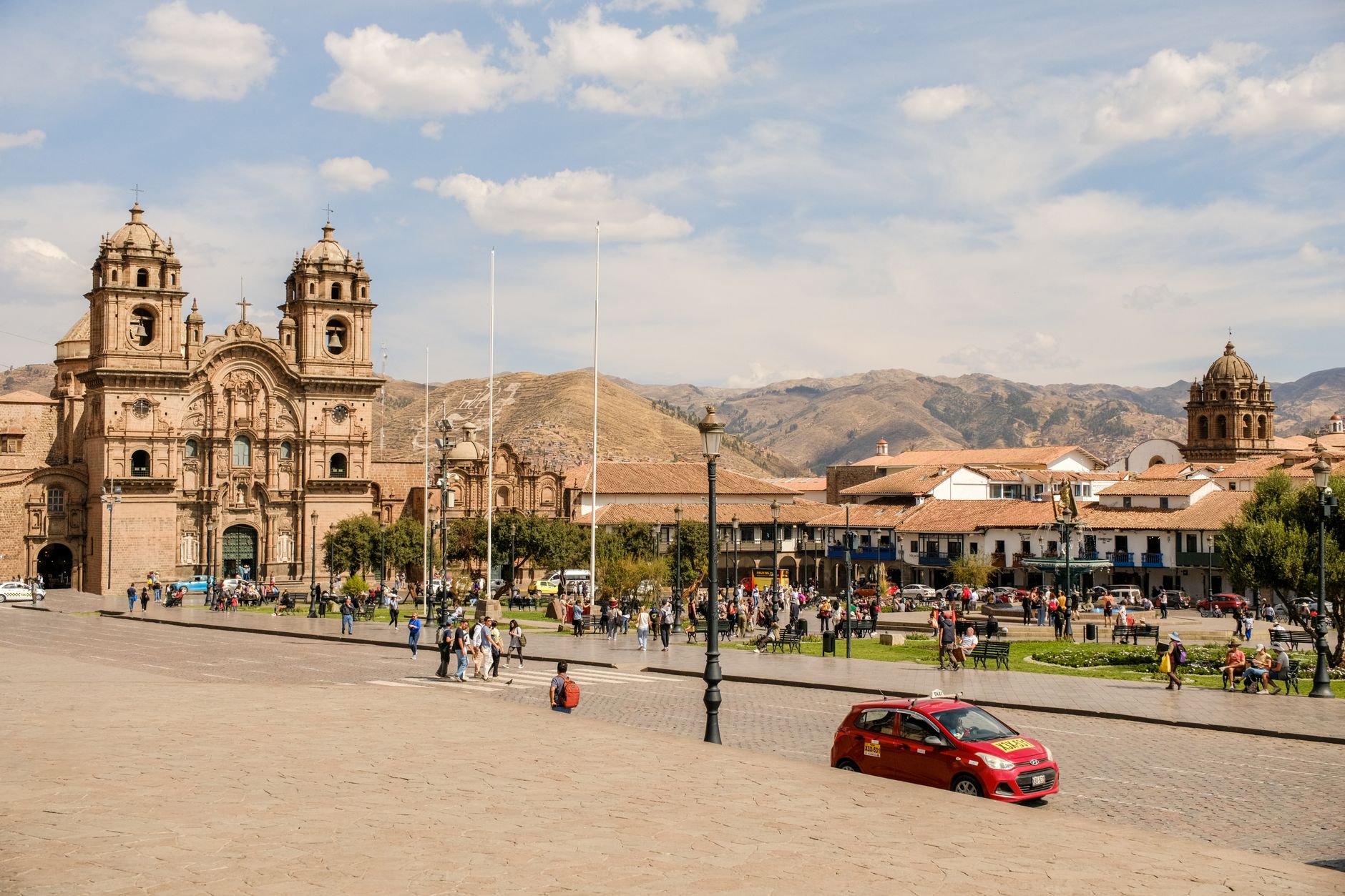
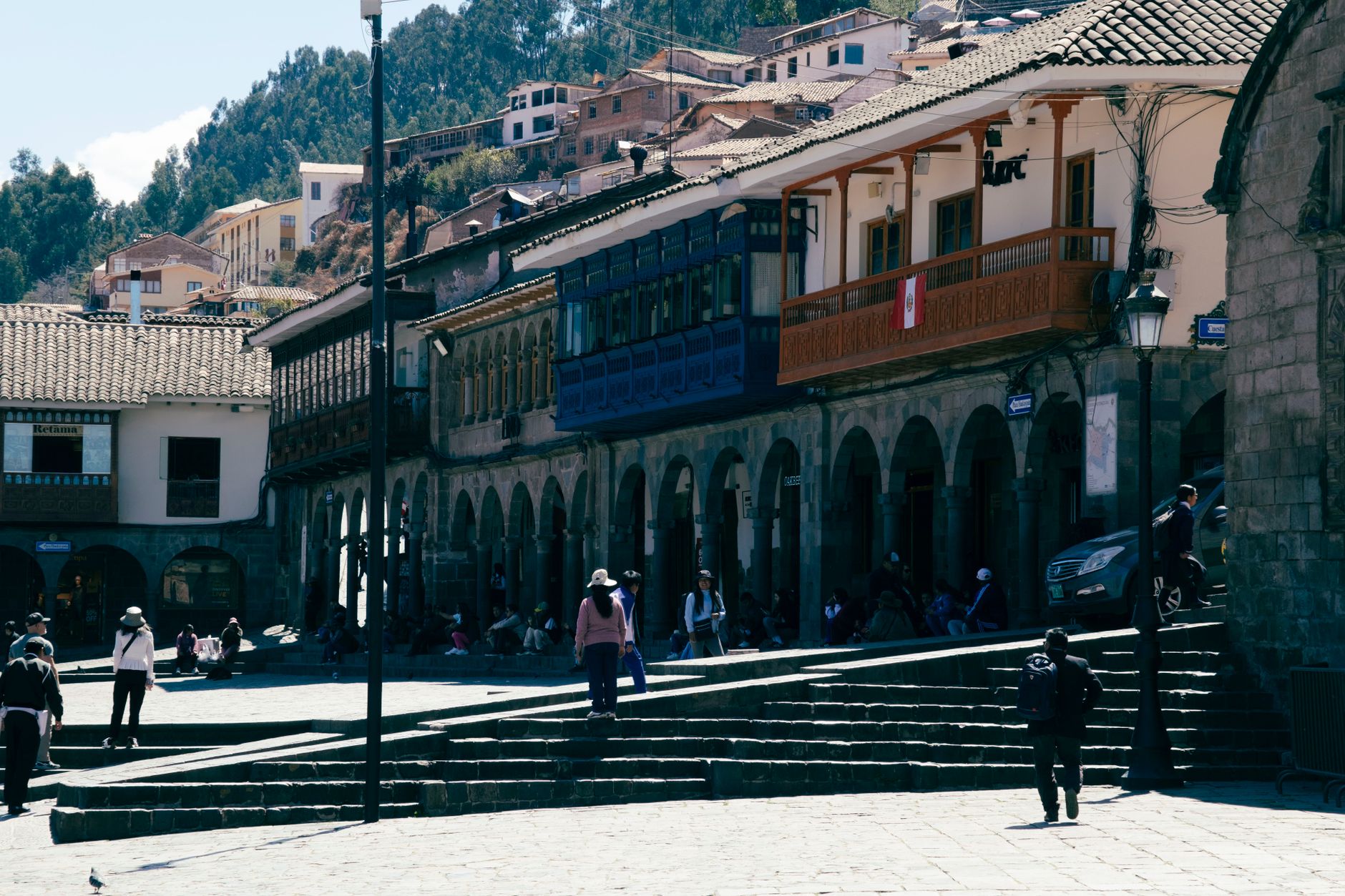
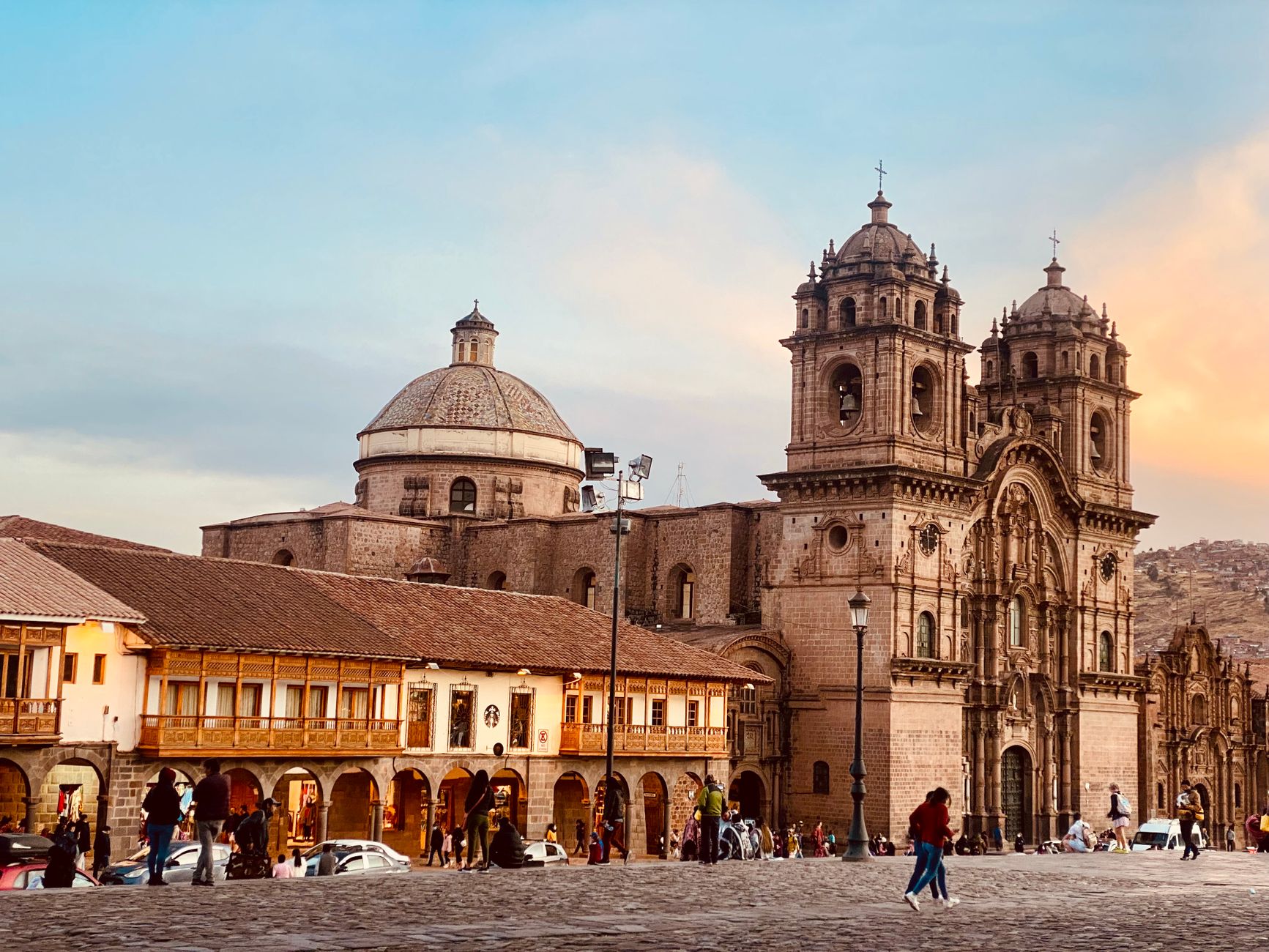
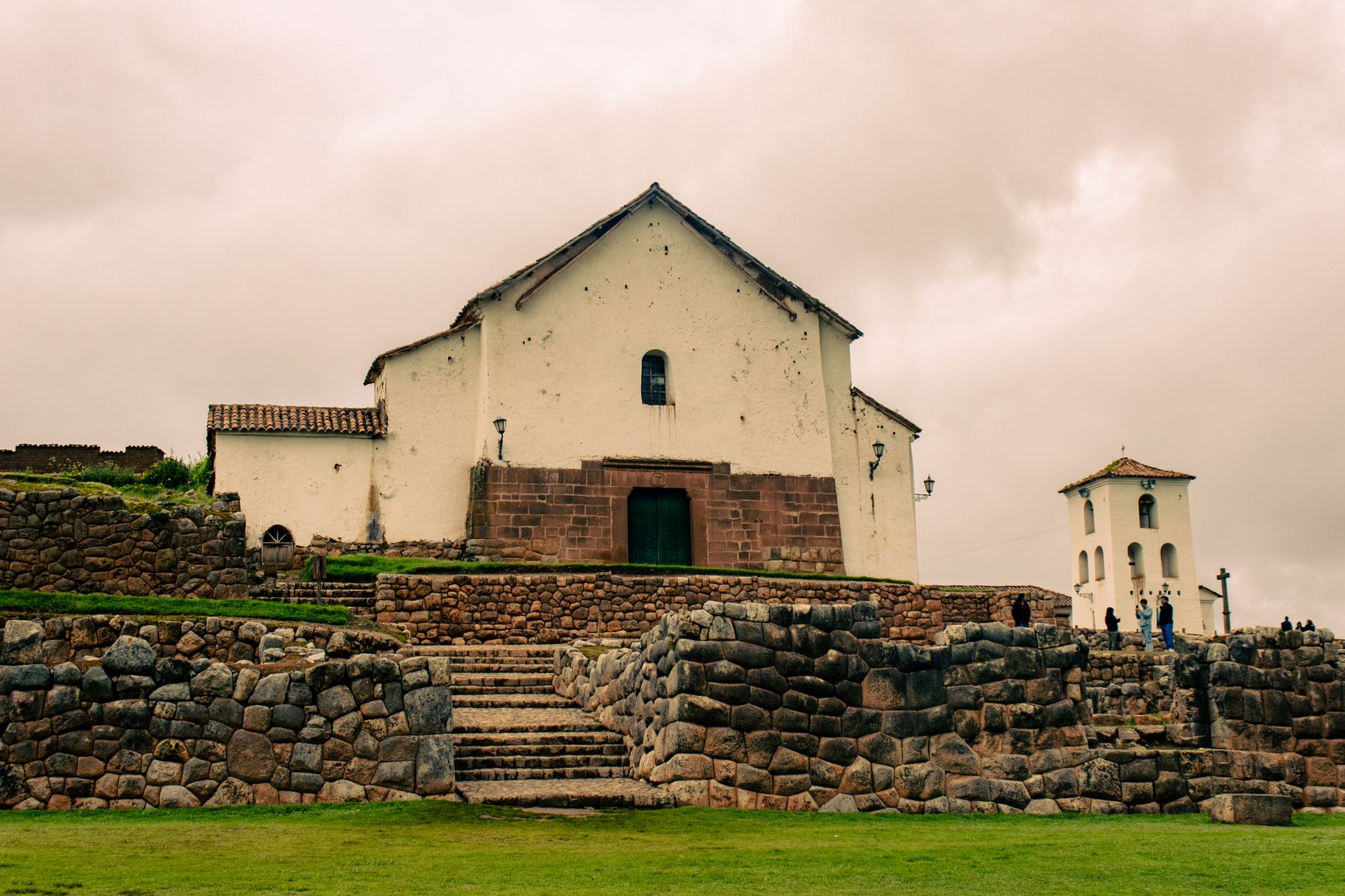
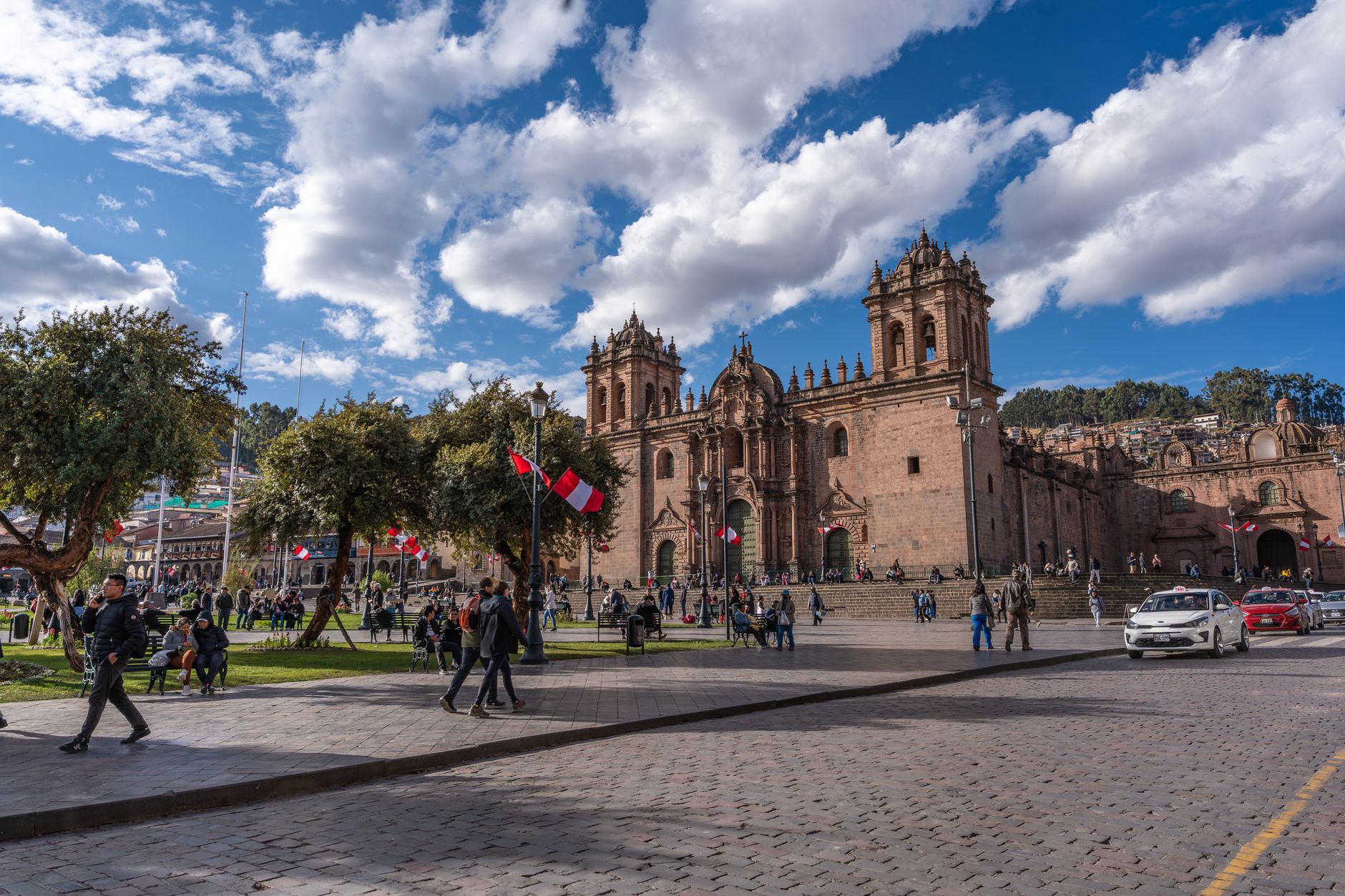
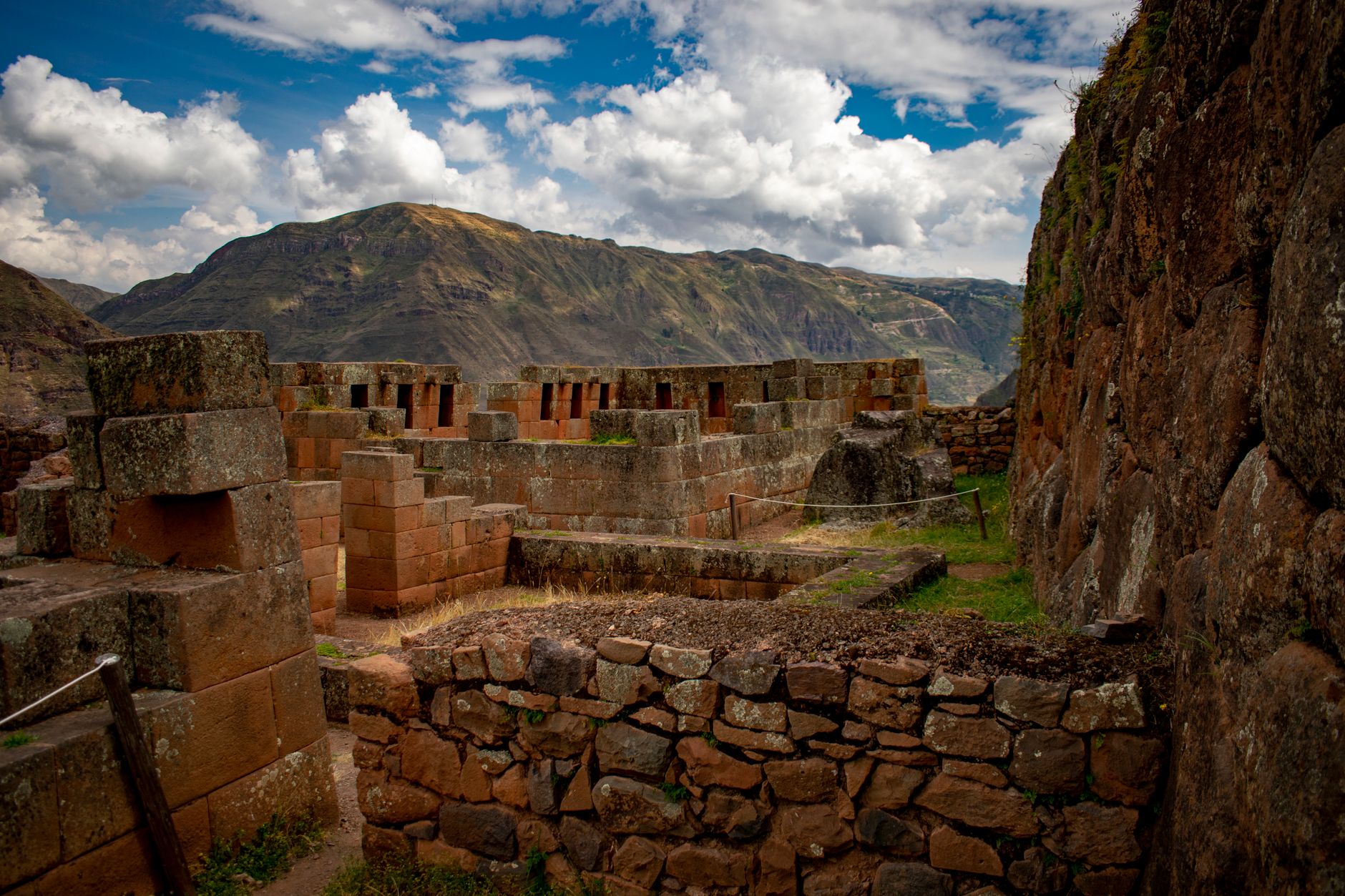
At 3,400 metres above sea level, Cusco sits high enough that your first afternoon will likely slow you down whether you planned it or not. The city was the capital of the Inca Empire, and that fact is legible everywhere — in the massive, mortarless stone walls that form the ground floors of colonial churches, in the twelve-angled stone set into a wall on Hatun Rumiyoc Street, in the foundations beneath the Cathedral that once held a palace.
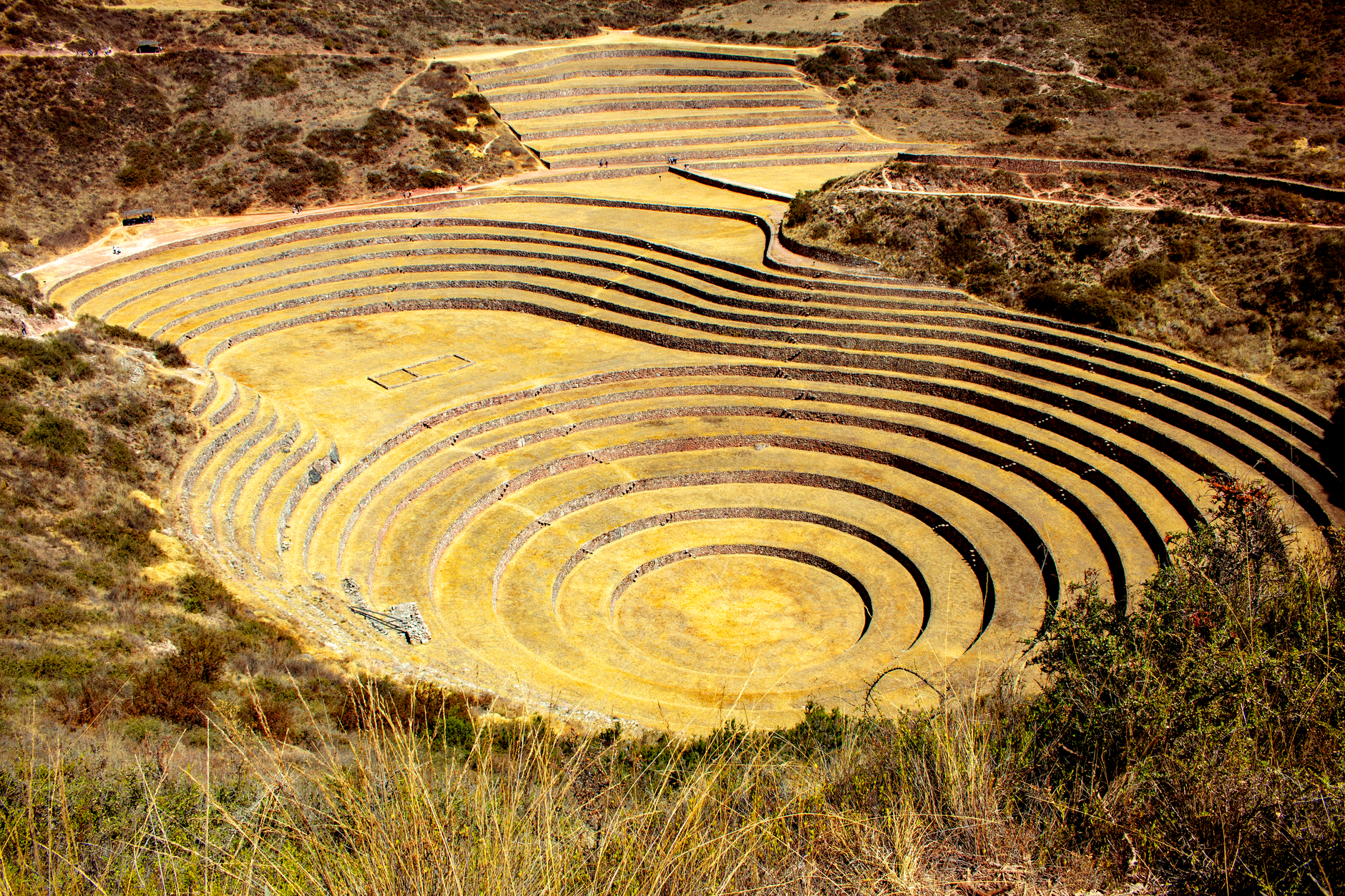
Spanish conquistadors arrived in the 1530s and built directly on top of what was already there, which means Cusco carries two civilisations in the same stones. UNESCO recognised this layered weight in 1983. The city has been continuously inhabited for over 3,000 years.
💛 What travellers fall for
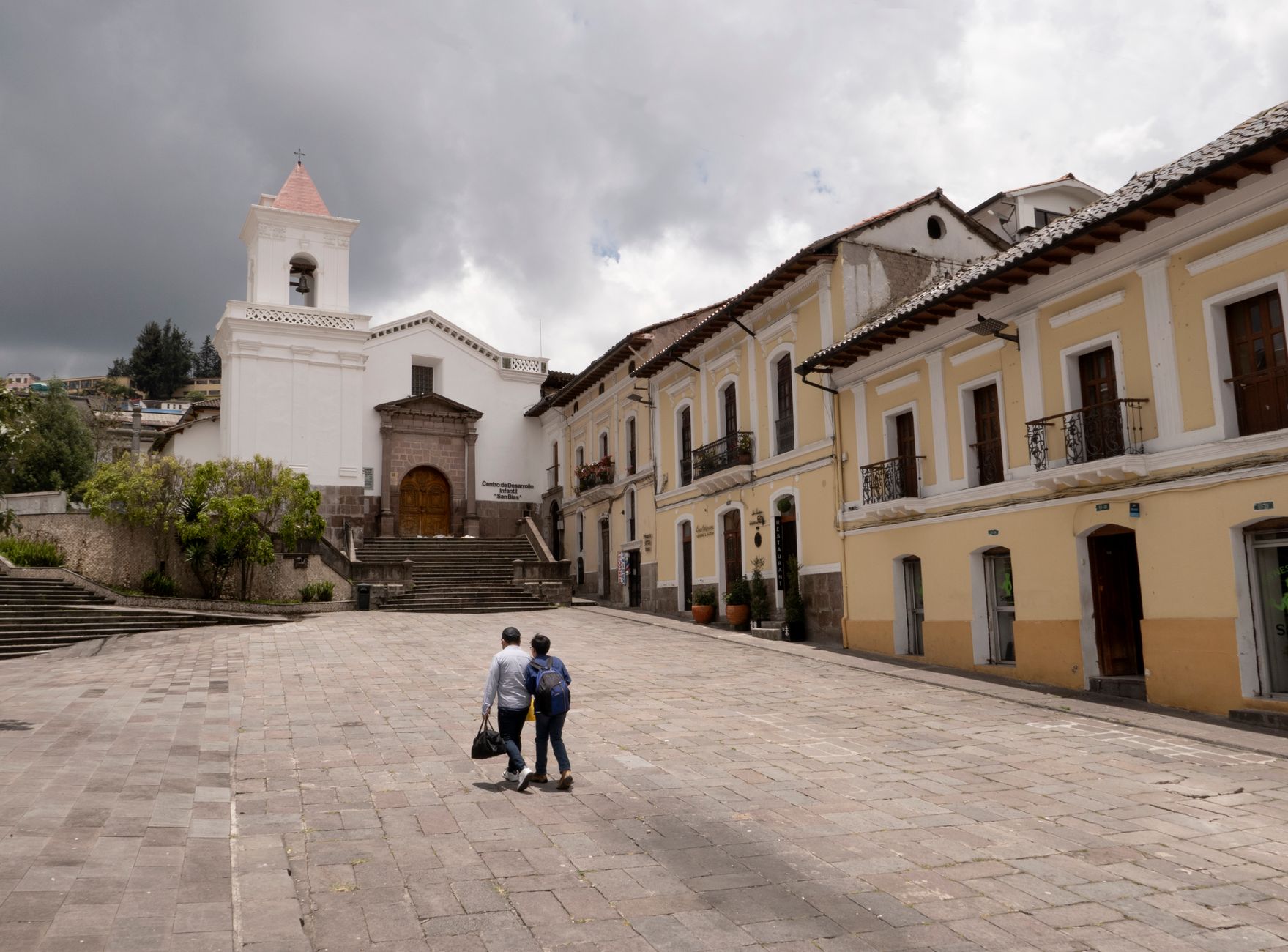
People who come back tend to mention the same few things: go to Qorikancha early on a weekday before the tour groups arrive, take the tourist ticket if you plan to see more than two sites, and give yourself a full rest day at altitude before attempting Sacsayhuamán. The carved cedar pulpit in San Blas church stops most visitors cold — it rewards a long look.
Deals in Cusco
Book directly at the provider


How Cusco came to be
Human settlement in the Cusco valley stretches back more than 3,000 years, but the city as a political centre began around 1100 AD. Inca tradition holds that Manco Capac — later understood to mean 'illustrious' — founded it alongside his sister Mama Ocllo. For several centuries it remained a regional power, but it was the ninth Sapa Inca, Pachacutec Inca Yupanqui, who transformed it into an imperial capital after 1438, commissioning Qorikancha — the Temple of the Sun — and driving the empire's rapid territorial expansion.
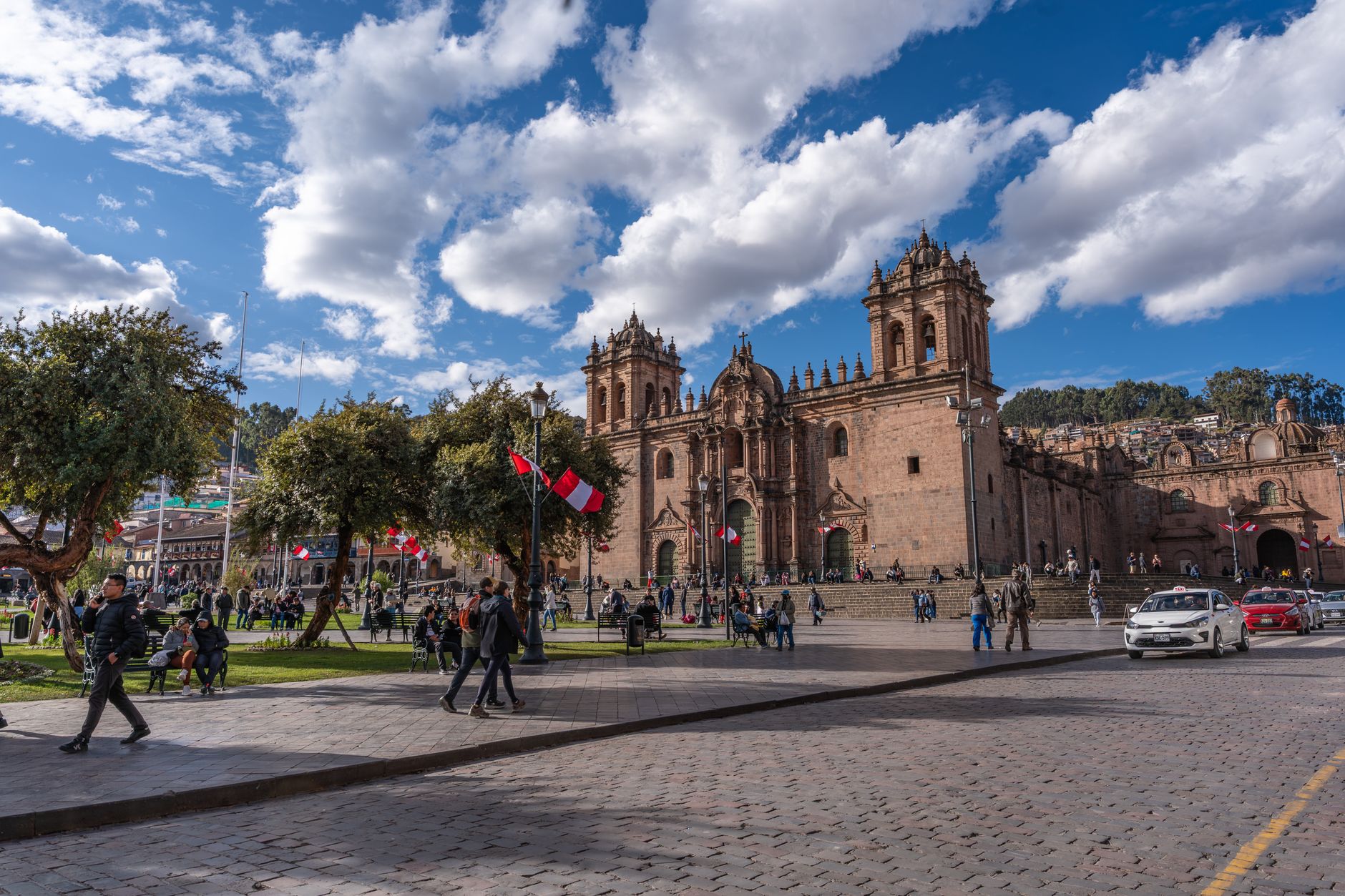
Francisco Pizarro re-founded the city as a Spanish settlement on March 23, 1534, and the colonial project that followed was literally built on Inca infrastructure. The Cathedral, raised between 1559 and 1669 on the site of the Inca Wiracocha's palace, required the work of architects including Juan Miguel de Veramendi and Francisco Becerra. An earthquake in 1950 caused severe damage, but enough survived — and was rebuilt — to earn UNESCO's recognition in 1983.
Who and what shaped it
People who shaped it
Landmark buildings
See Cusco in motion
Plan your visit
On the map
When to go
Cusco has two distinct seasons: a dry season roughly from May to October, when days are sunny and nights turn cold at altitude, and a wet season from November to April, when afternoon rain is common and some train routes to Machu Picchu are suspended. The dry months are the most reliable for travel, though the city sees its heaviest visitor numbers then.
Right now
↡ Cities

Background & history adapted from Wikipedia (CC BY-SA) · specs from Wikidata (CC0) · weather from Open-Meteo · map data © OpenStreetMap contributors · photos from Wikimedia Commons / Unsplash with per-image credit. No third-party reviews or social posts reproduced.