
Chinchero
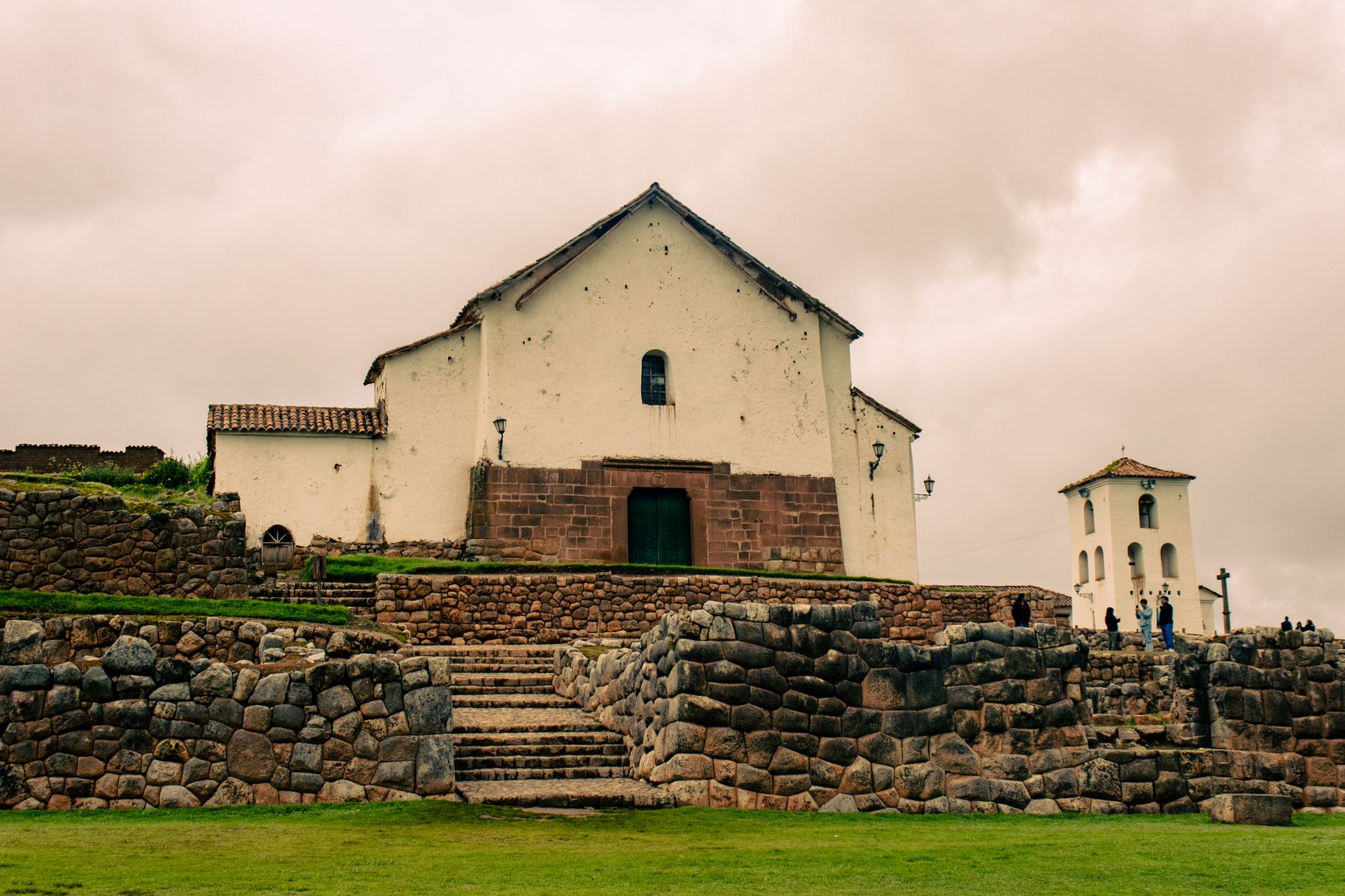
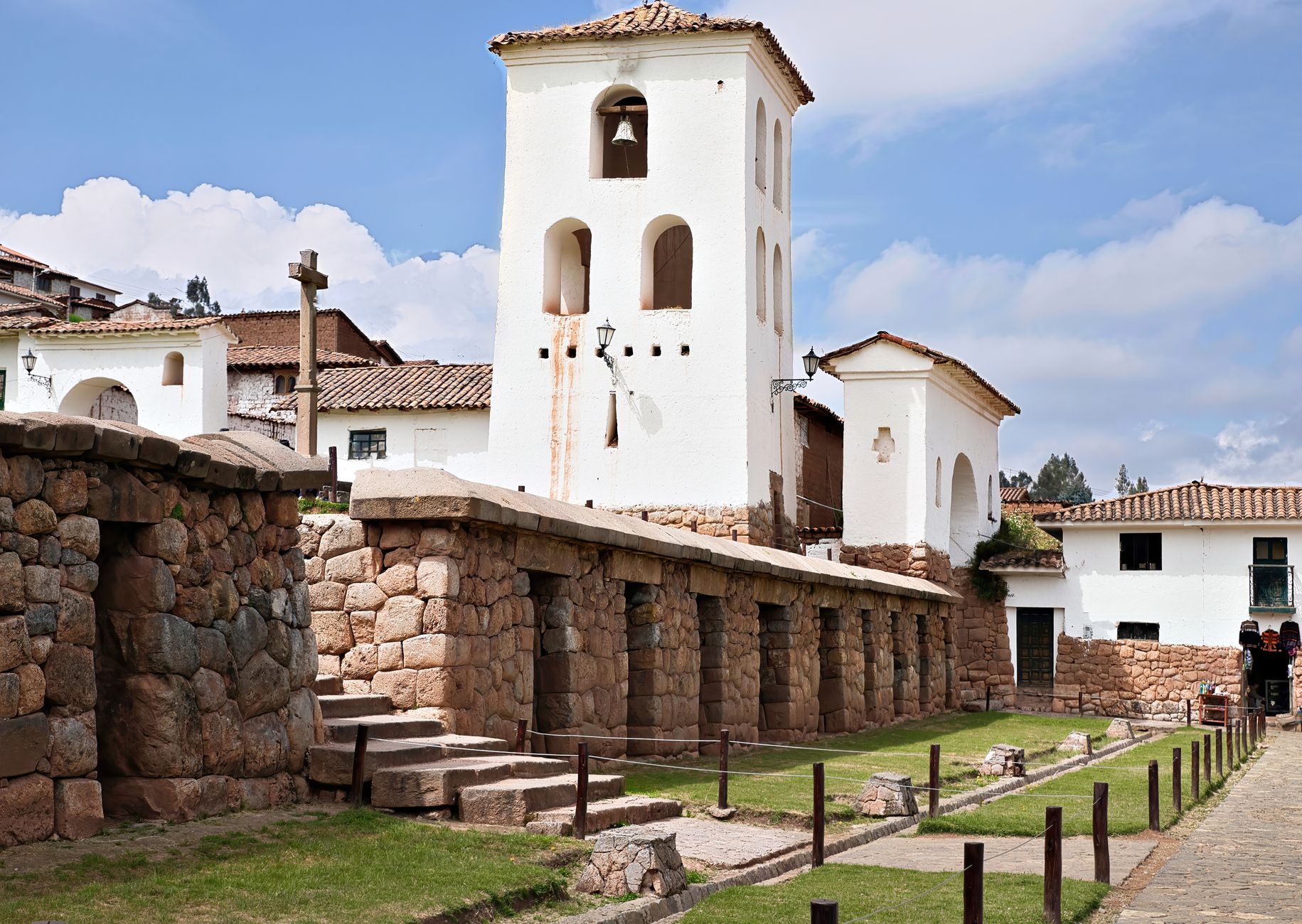
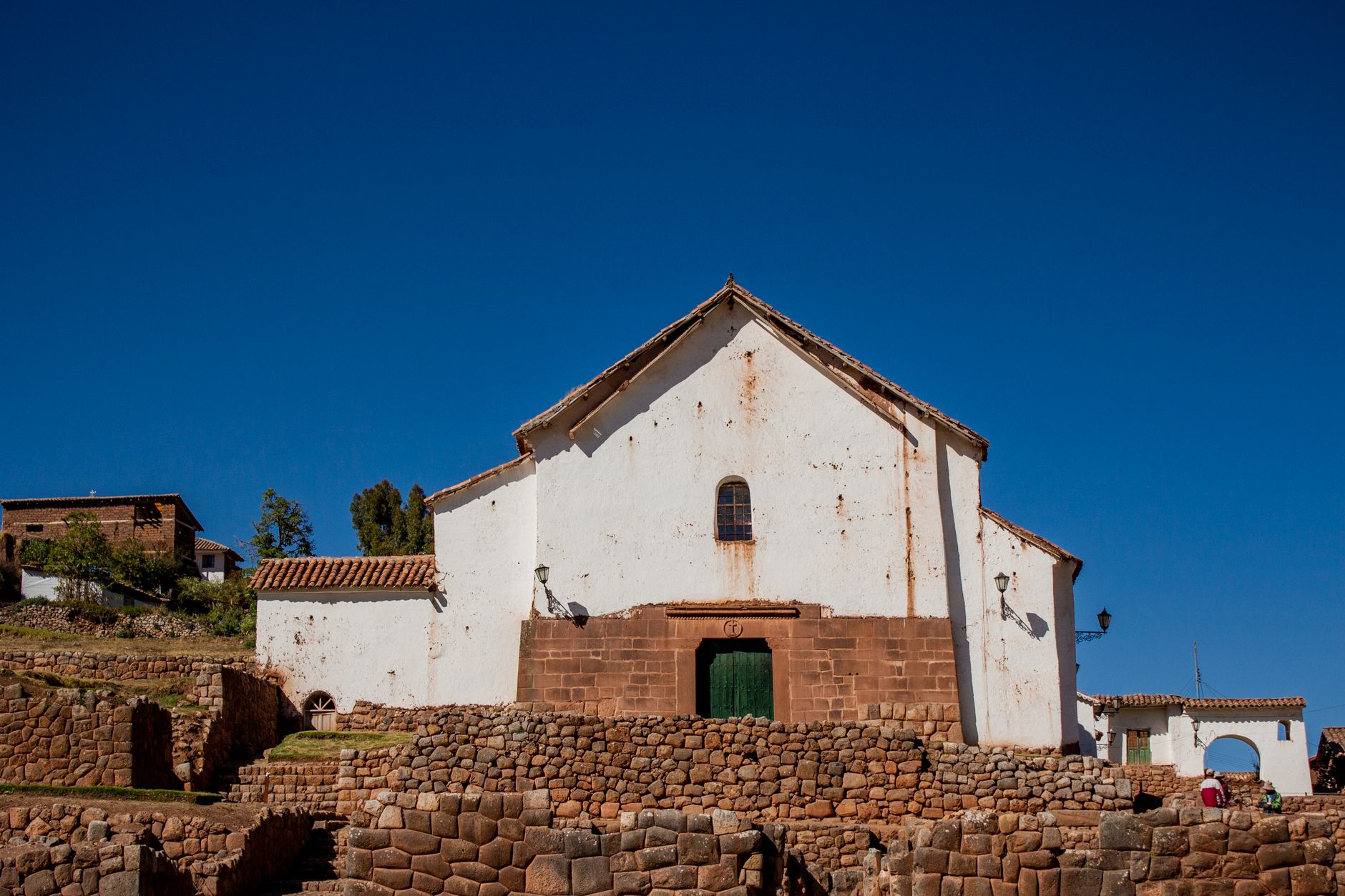
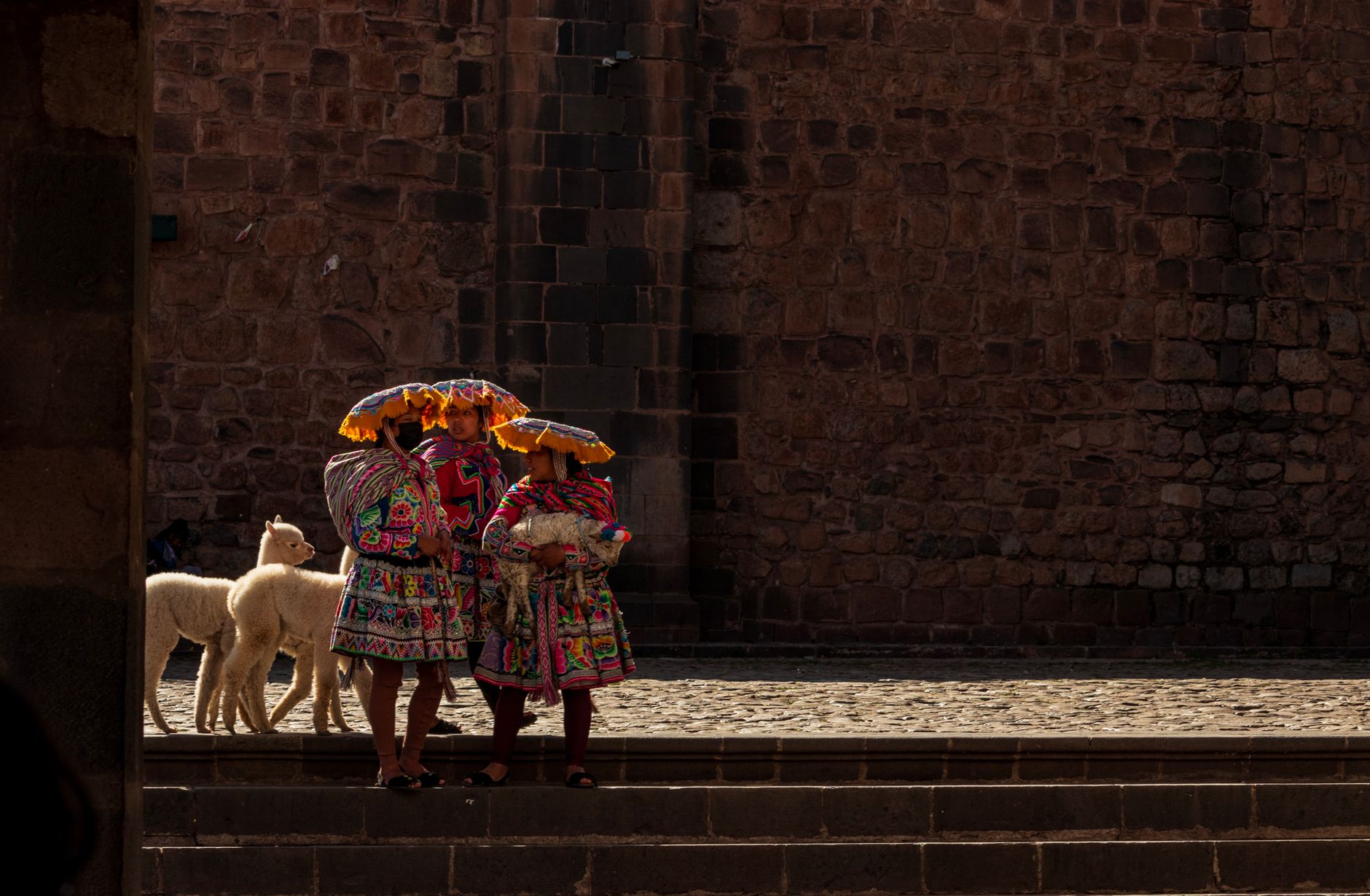
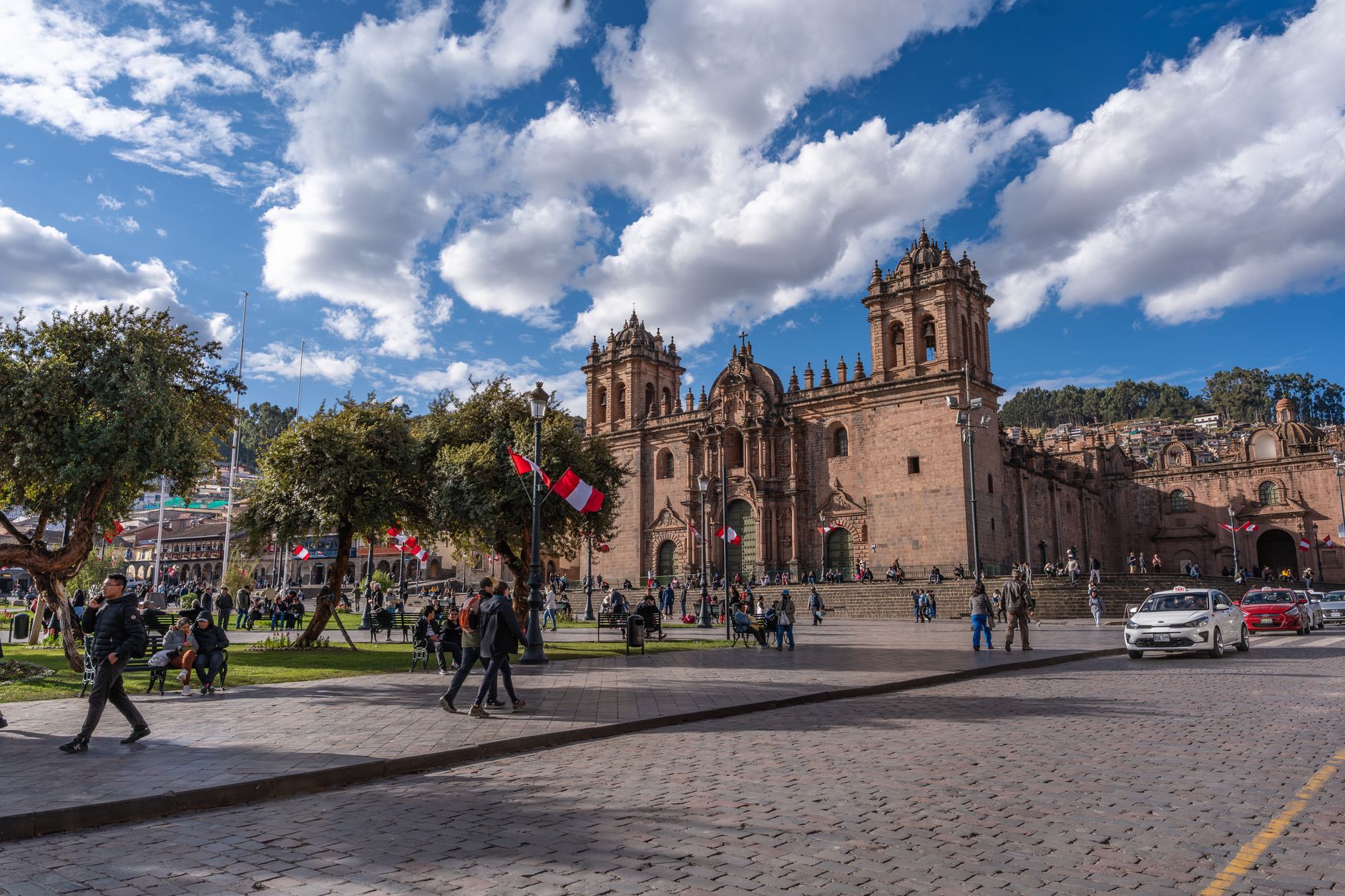
At 3,762 metres, the air in Chinchero has a particular quality — thin and bright, with the kind of light that makes the stonework glow. The town sits on a plateau above the Sacred Valley, and the first thing you notice is the Inca wall running along the main plaza: ten trapezoidal niches cut with the precision the Killke people started and the Inca empire perfected. Above it, a 17th-century colonial church rises from the foundations of a royal palace, the two civilisations stacked so literally you can trace the seam.
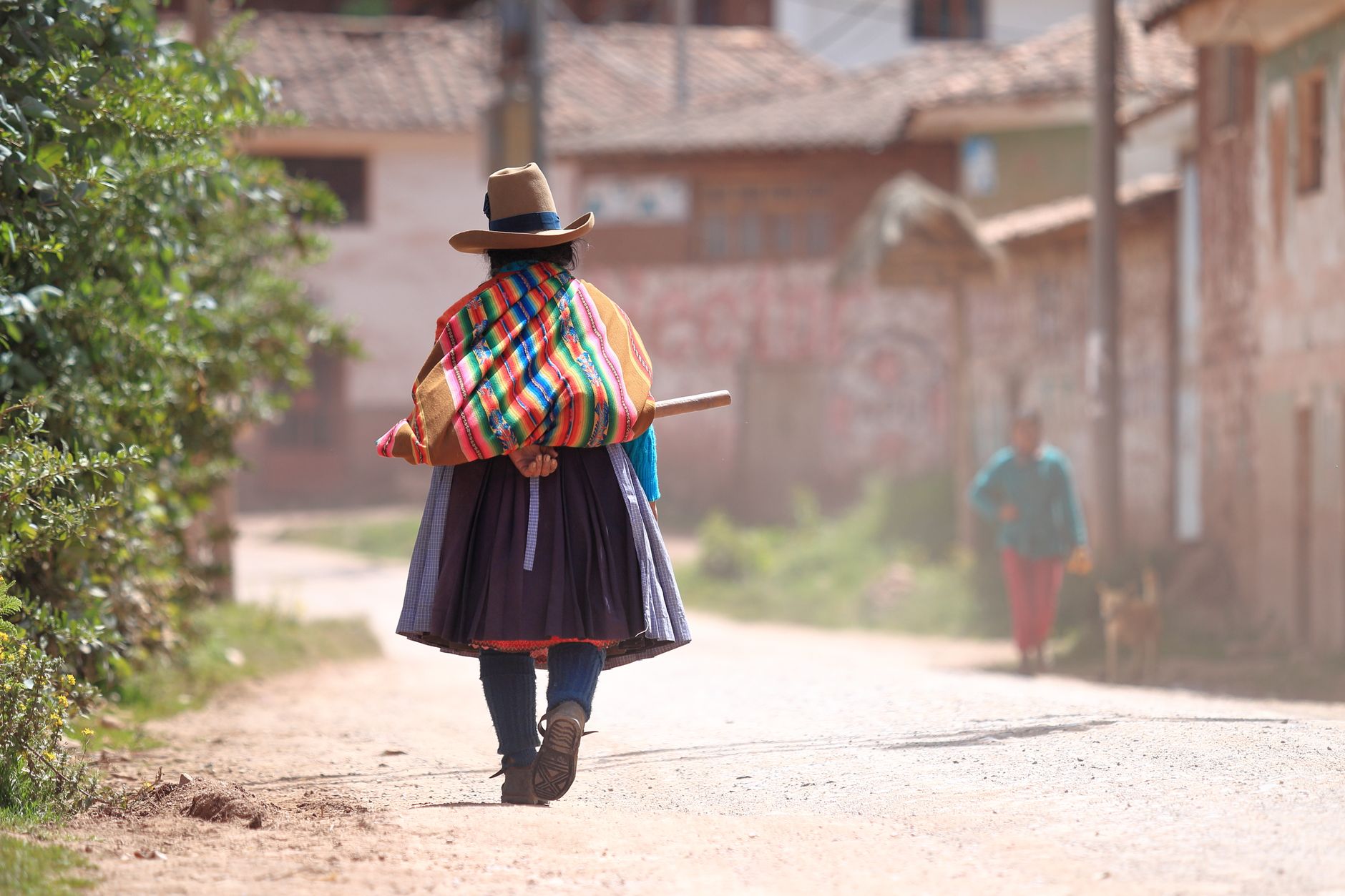
Chinchero is a working town, not a stage set. The daily textile market draws weavers from surrounding communities who use the same natural dyes — cochineal, muña, ch'illca — that their ancestors did. The archaeological site covers 43 hectares of terraces, water channels, and carved limestone shrines, most of it unhurried and open to the sky.
💛 What travellers fall for
People who come back tend to time it for a Sunday morning, when the market runs free of charge and the pace is slower. The on-site museum's second room — Cusqueña School paintings from the 17th and 18th centuries, low-lit and rarely crowded — is the one most first-timers walk past without stopping. Don't.
Deals in Chinchero
Book directly at the provider
How Chinchero came to be
Before the Inca arrived, the Killke people farmed and herded camelids on this plateau. Tupac Yupanqui — who ruled the Inca empire from roughly 1471 to 1493 — chose the site for a royal retreat, ordering a palace complex and the ceremonial plaza of Capellanpampa, ringed by three kallanka halls where he reportedly spent his final days. The palace was discovered beneath the colonial church only in the 1960s.
In 1572, Viceroy Francisco de Toledo implemented the Spanish policy of indigenous reduction — consolidating scattered communities into a single urban nucleus — and founded the town of Nuestra Señora de Monserrat directly on the Inca ruins. The church that bears that name was completed by 1607, its baroque gold-leaf altar housing works by Cusqueña School painters Diego Quispe Tito and Francisco Chihuantito. Chinchero was formally constituted as a district on September 9, 1905, under President José Pardo y Barreda.
Who and what shaped it
People who shaped it
Landmark buildings
See Chinchero in motion
Plan your visit
On the map
When to go
The dry season runs April through September, with cold nights that can drop to -5°C but clear days well-suited to walking the site. October through March brings frequent afternoon rain and warmer maximums around 22°C — pack a layer regardless of the season.
Right now
Background & history adapted from Wikipedia (CC BY-SA) · specs from Wikidata (CC0) · weather from Open-Meteo · map data © OpenStreetMap contributors · photos from Wikimedia Commons / Unsplash with per-image credit. No third-party reviews or social posts reproduced.