
Andahuaylillas
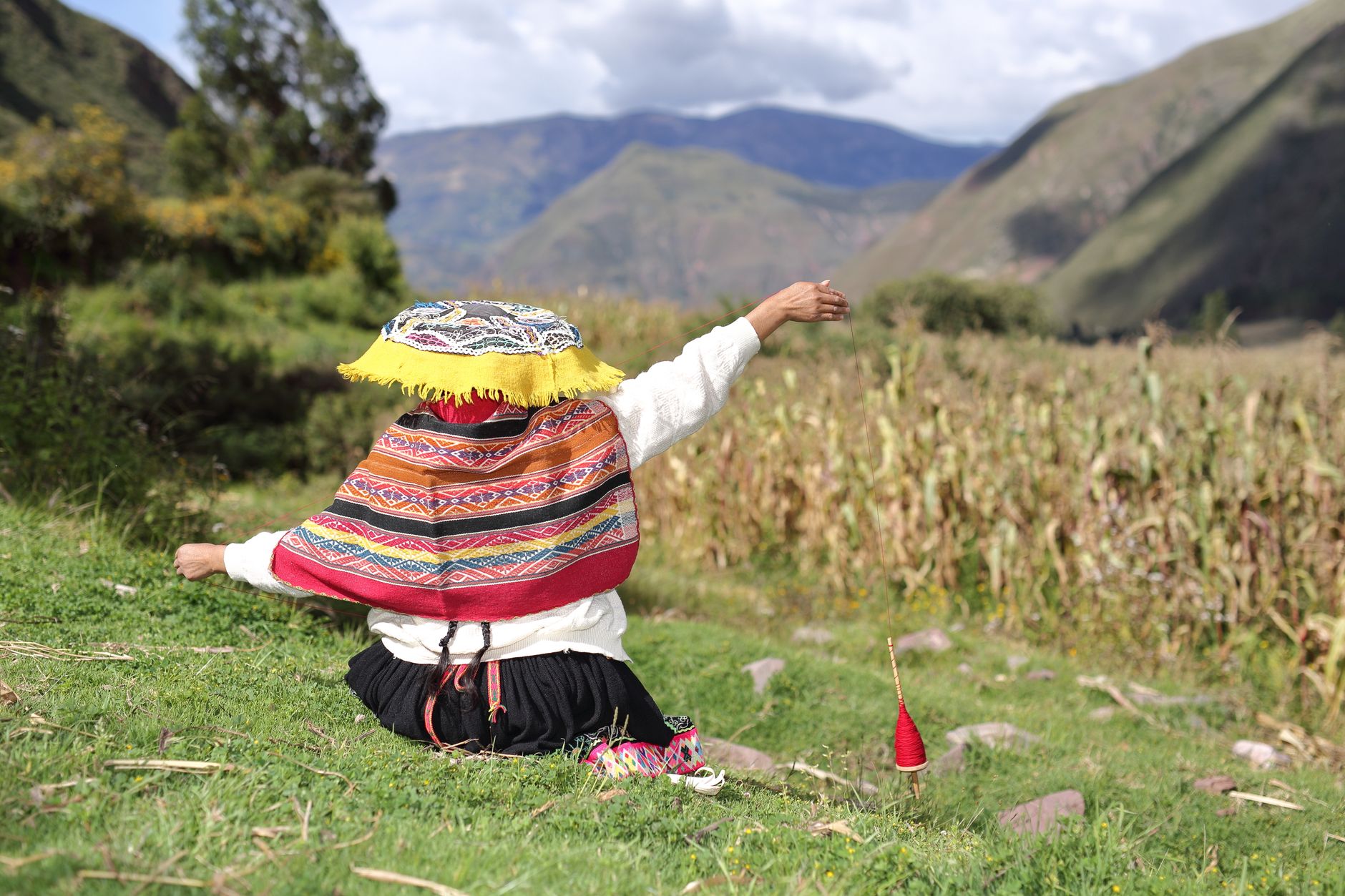
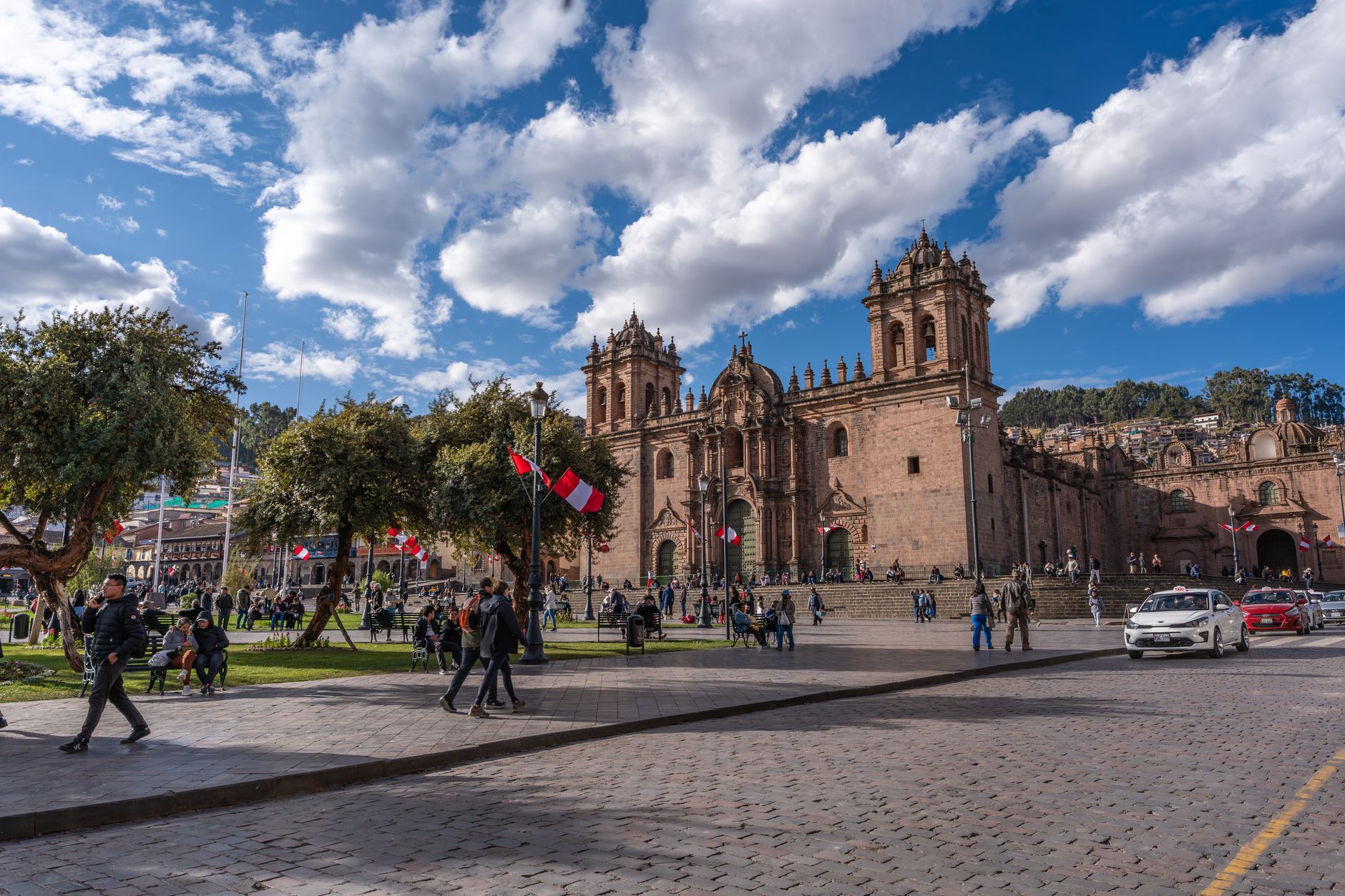
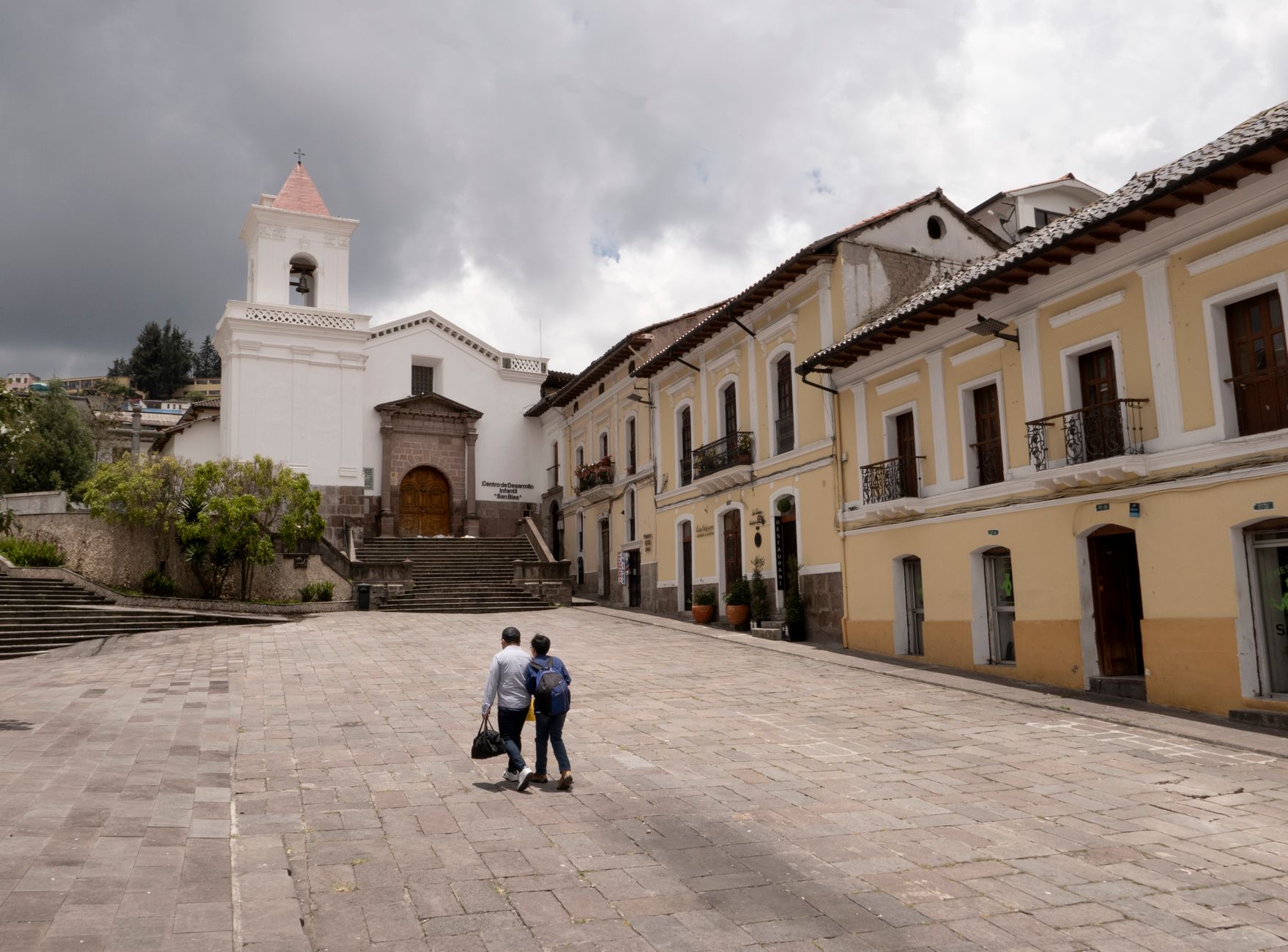
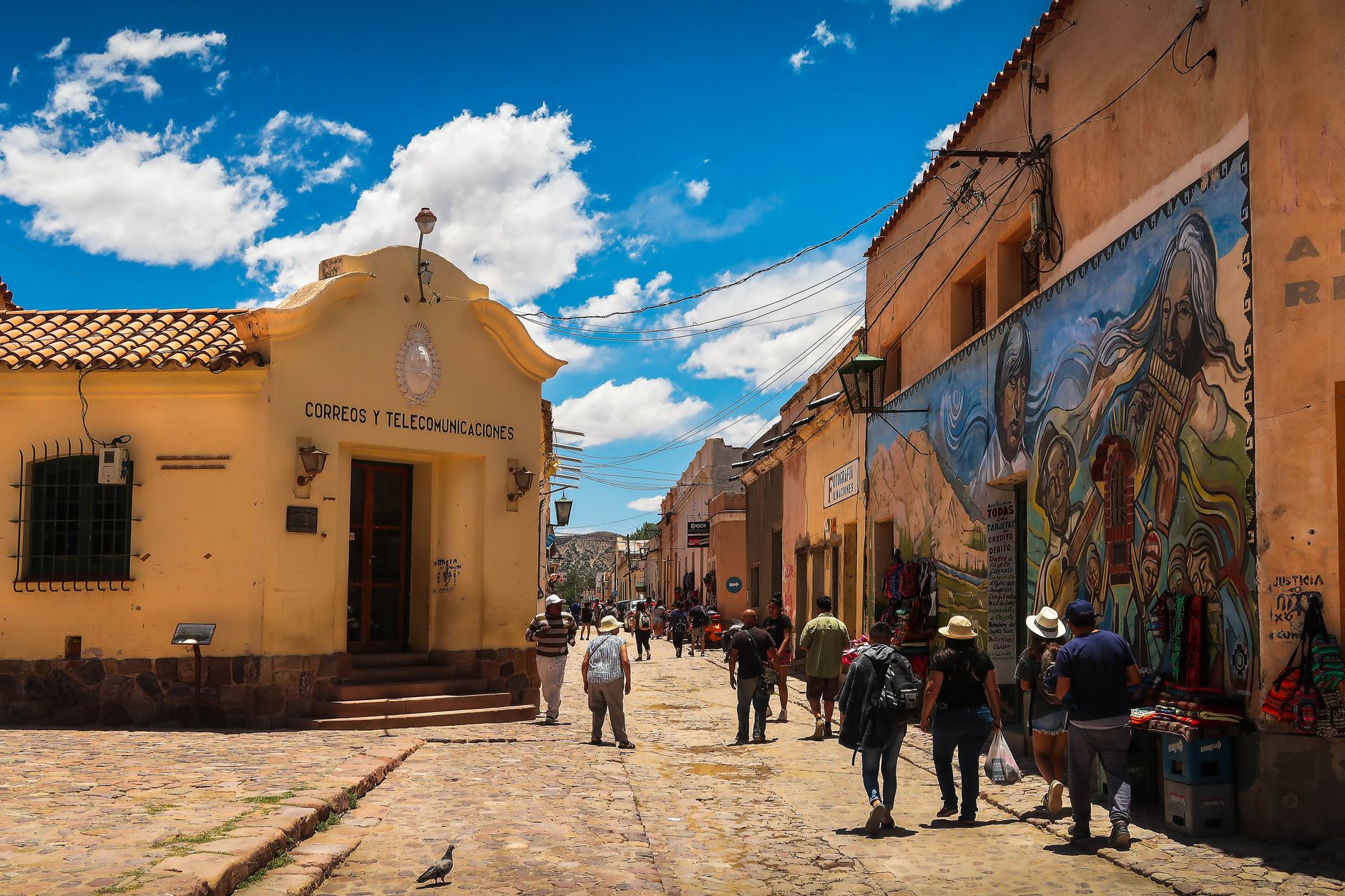
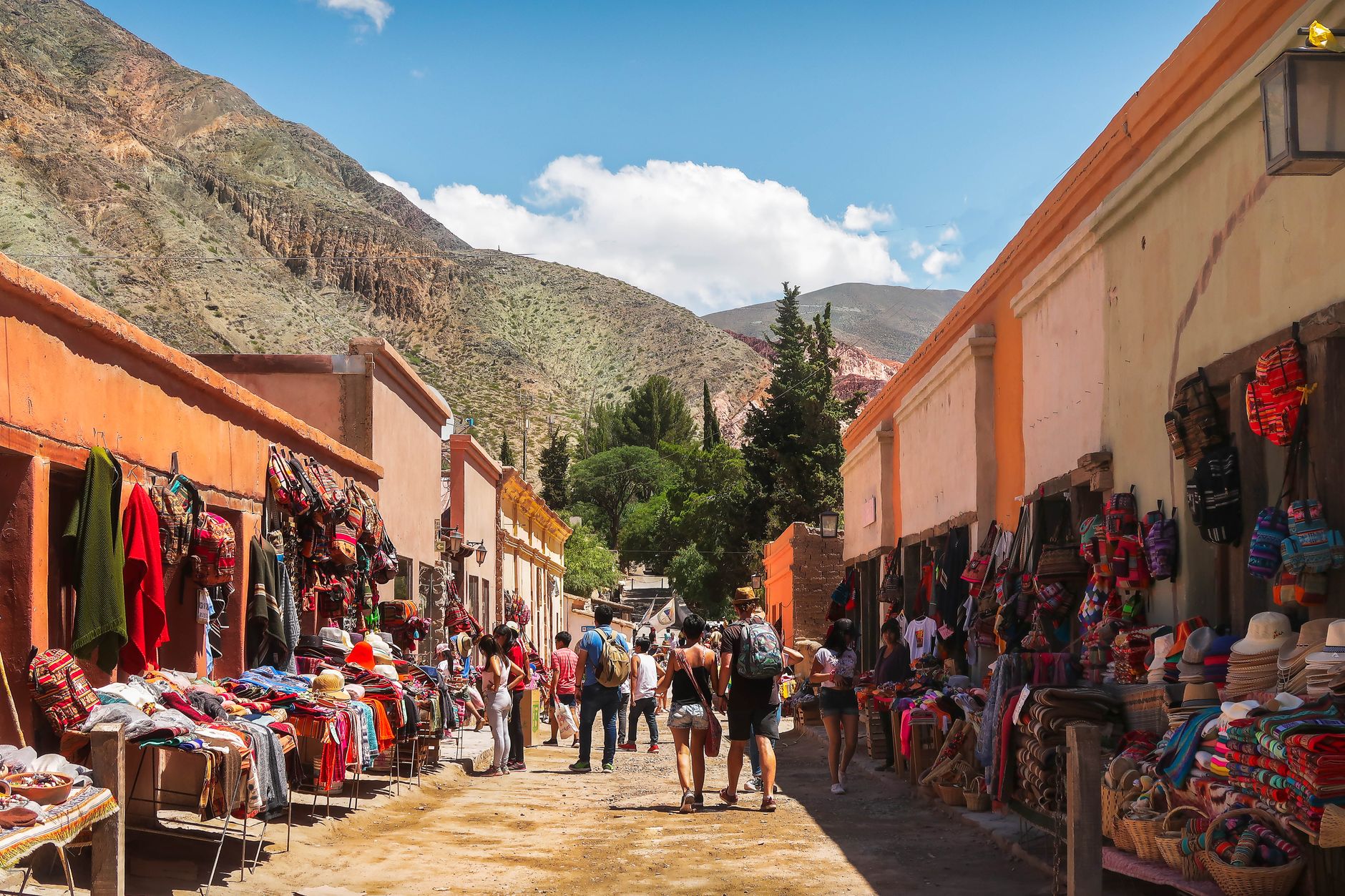
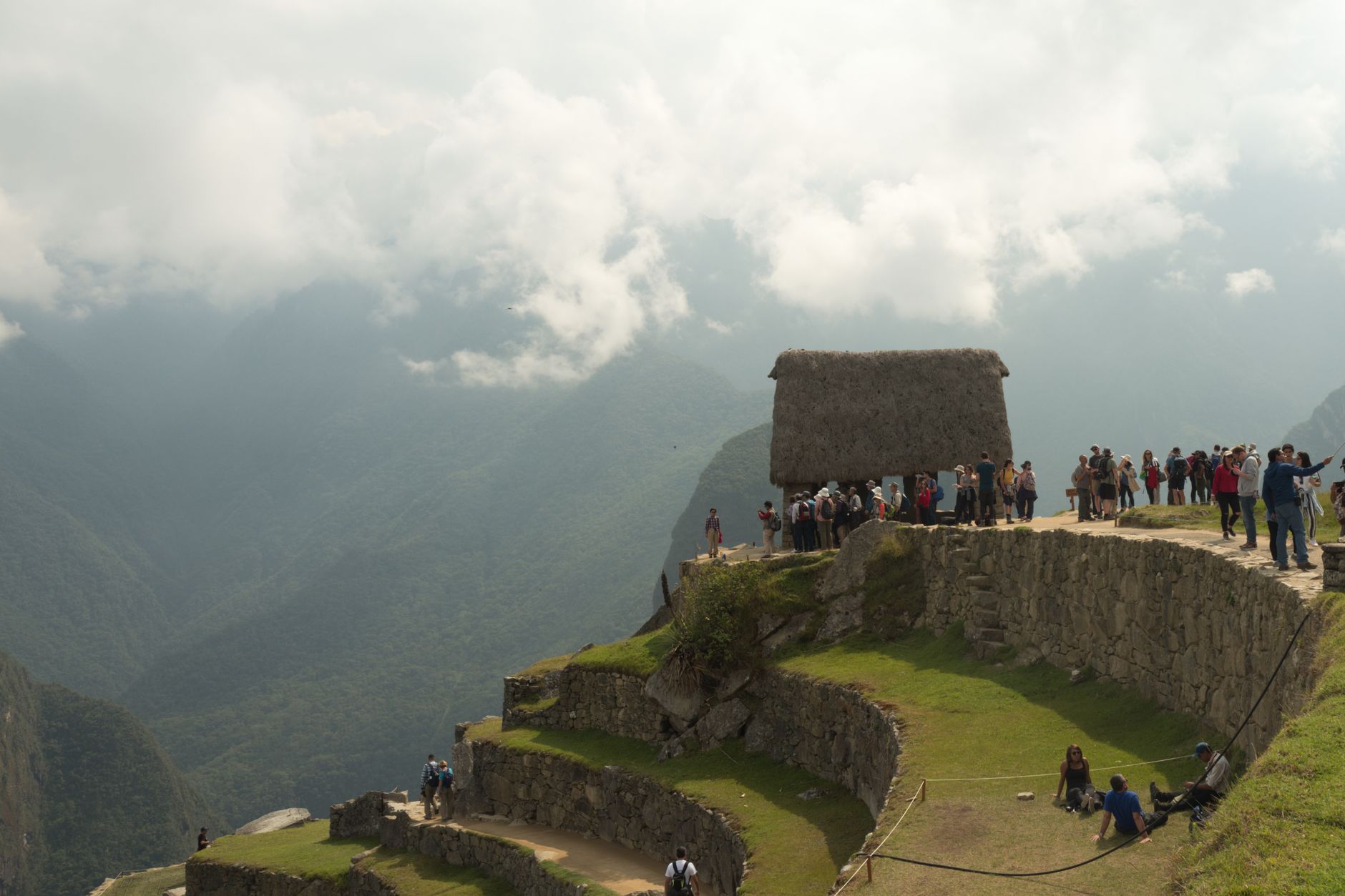
About an hour south of Cusco, the small town of Andahuaylillas is built around one of the most arresting church interiors in the Americas — a 17th-century Jesuit commission whose walls are covered floor to ceiling in murals, gilded altars, and a painted arch over the entrance that maps the road to heaven on the right and hell on the left, in case you needed the reminder.
The church sits on a plaza shaded by pisonay trees, their coral-red blooms dropping onto the cobblestones. The town beyond is quiet, Quechua-speaking, and not set up for extended tourism. You come for the church, and the church is enough.
💛 What travellers fall for
People who've made the trip more than once tend to mention the same thing: go during a weekday morning, when the light through the side windows catches the Luis de Riaño murals without a crowd in front of them. Entry during Mass is free and, for some visitors, the more memorable way in — the space reads differently when it's in use.
Experiences you don't want to miss


Deals in Andahuaylillas
Book directly at the provider
How Andahuaylillas came to be
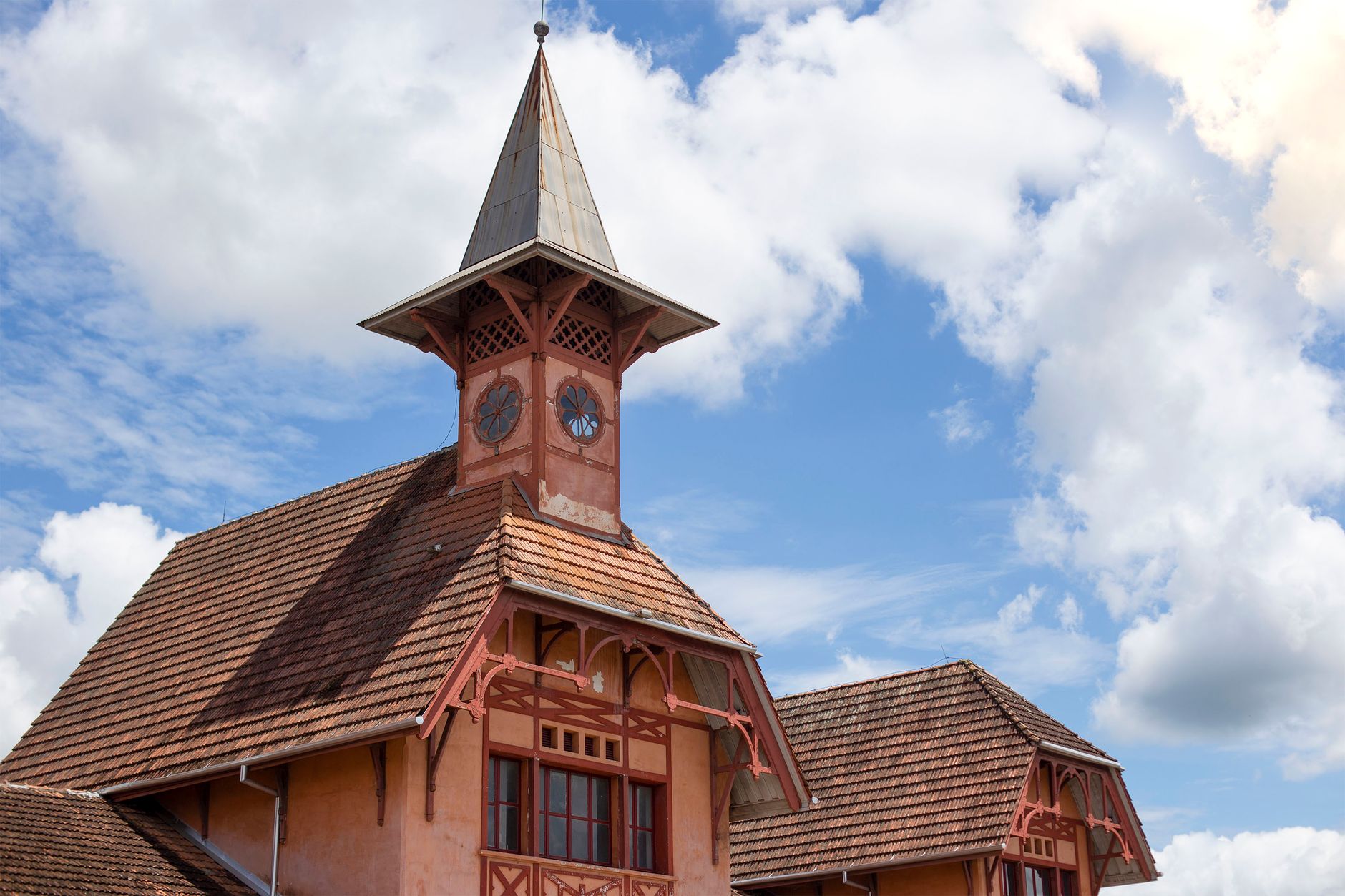
The name traces back to the Quechua Antawaylla — copper meadow — and the site was already significant before the Spanish arrived, sitting along Inca roads and between two sacred hills, Curi Orqo and Wiraconchan. The Jesuits broke ground on the church around 1570, finishing it by 1606, and built its stone foundations directly from blocks of an Inca palace that had stood on the same spot, which itself had been raised over an older pre-Columbian huaca.
The interior was transformed across the 17th century, largely through the murals of Peruvian artist Luis de Riaño. The baptistery carries an inscription in five languages — Latin, Spanish, Quechua, Aymara, and Puquina — a record of the overlapping worlds the Jesuits were navigating. The district was formally established on January 2, 1857, and took its diminutive suffix to distinguish it from the larger Andahuaylas province in Apurímac.
Who and what shaped it
People who shaped it
Landmark buildings
See Andahuaylillas in motion
Plan your visit
On the map
When to go
Andahuaylillas sits at 3,198 metres, and the mean annual temperature is a cool 7.3°C — bring a layer regardless of season. The dry months run April through September, with June seeing the least rain; January and February are the wettest, with afternoon downpours the norm.
Right now
Background & history adapted from Wikipedia (CC BY-SA) · specs from Wikidata (CC0) · weather from Open-Meteo · map data © OpenStreetMap contributors · photos from Wikimedia Commons / Unsplash with per-image credit. No third-party reviews or social posts reproduced.