
Quillabamba
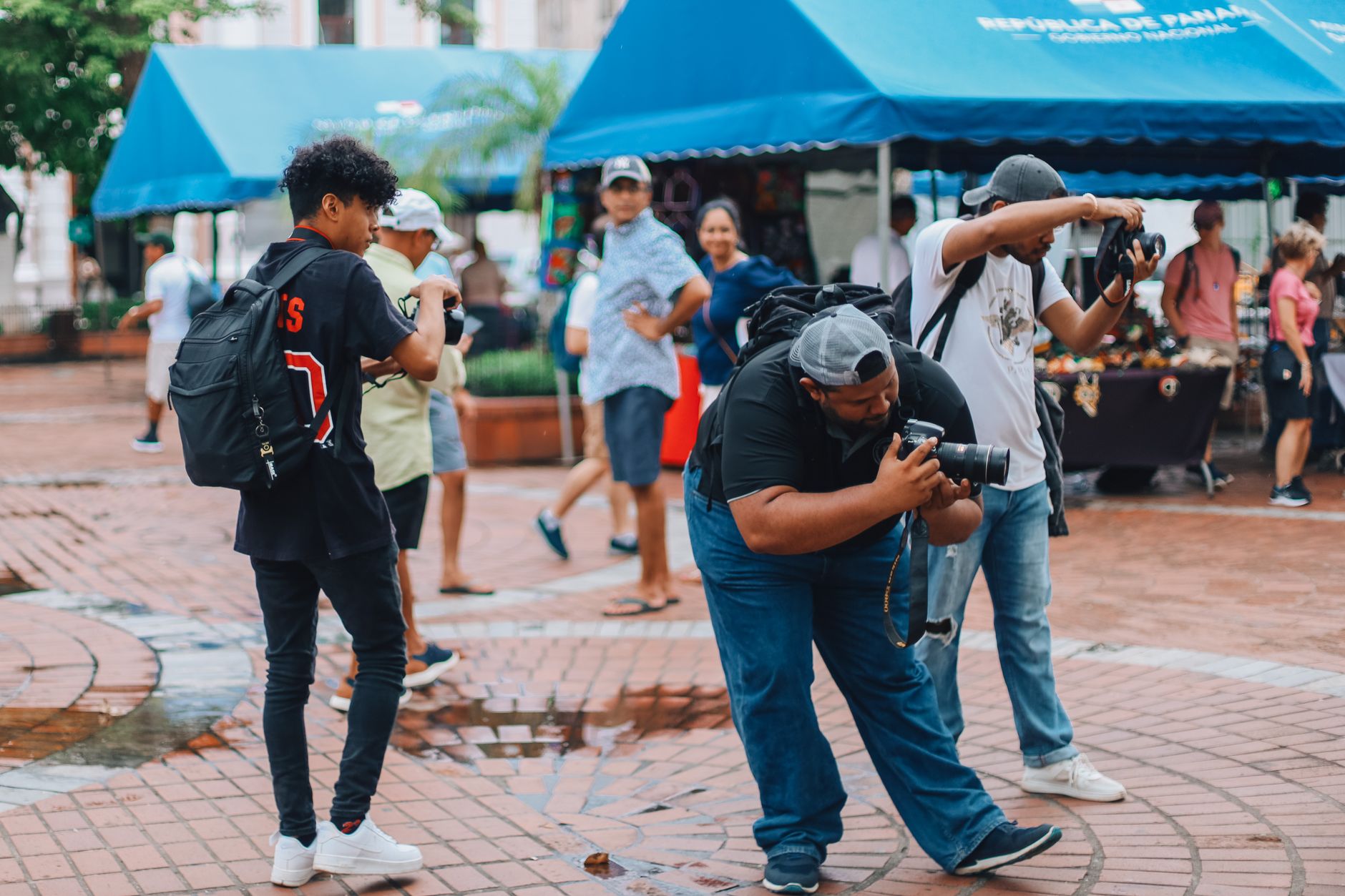
The road from Cusco drops nearly 2,000 metres in under five hours, and by the time you reach Quillabamba the air has gone warm and heavy with the smell of cacao and river mud. This is the capital of La Convención Province and the main city of Cusco's high jungle — a place where people float inner tubes on the Urubamba at La Balsa park and a monthly fair run by coffee growers fills the streets with samples of Chuncho chocolate and small cups of single-origin espresso.
Quillabamba sits at the edge of where the Andes give way to the Amazon basin, which means orchids grow along the roadsides and the Yanay waterfalls drop 70 metres through cloud-forest above the Maranura district. The city itself is unshowy and working — mototaxis for every short trip, river fish the size of your arm on the lunch menus, cathedral anchoring the plaza.
💛 What travellers fall for
People who come back tend to time a visit around the end-of-month cacao and coffee fair — it's low-key, genuinely run by growers, and the chocolate liqueur samples are serious. They also learn fast to tell the mototaxi driver 'the park by the river' rather than La Balsa by name, and to leave a full morning for the walk down to the Urubamba.
Deals in Quillabamba
Book directly at the provider
How Quillabamba came to be
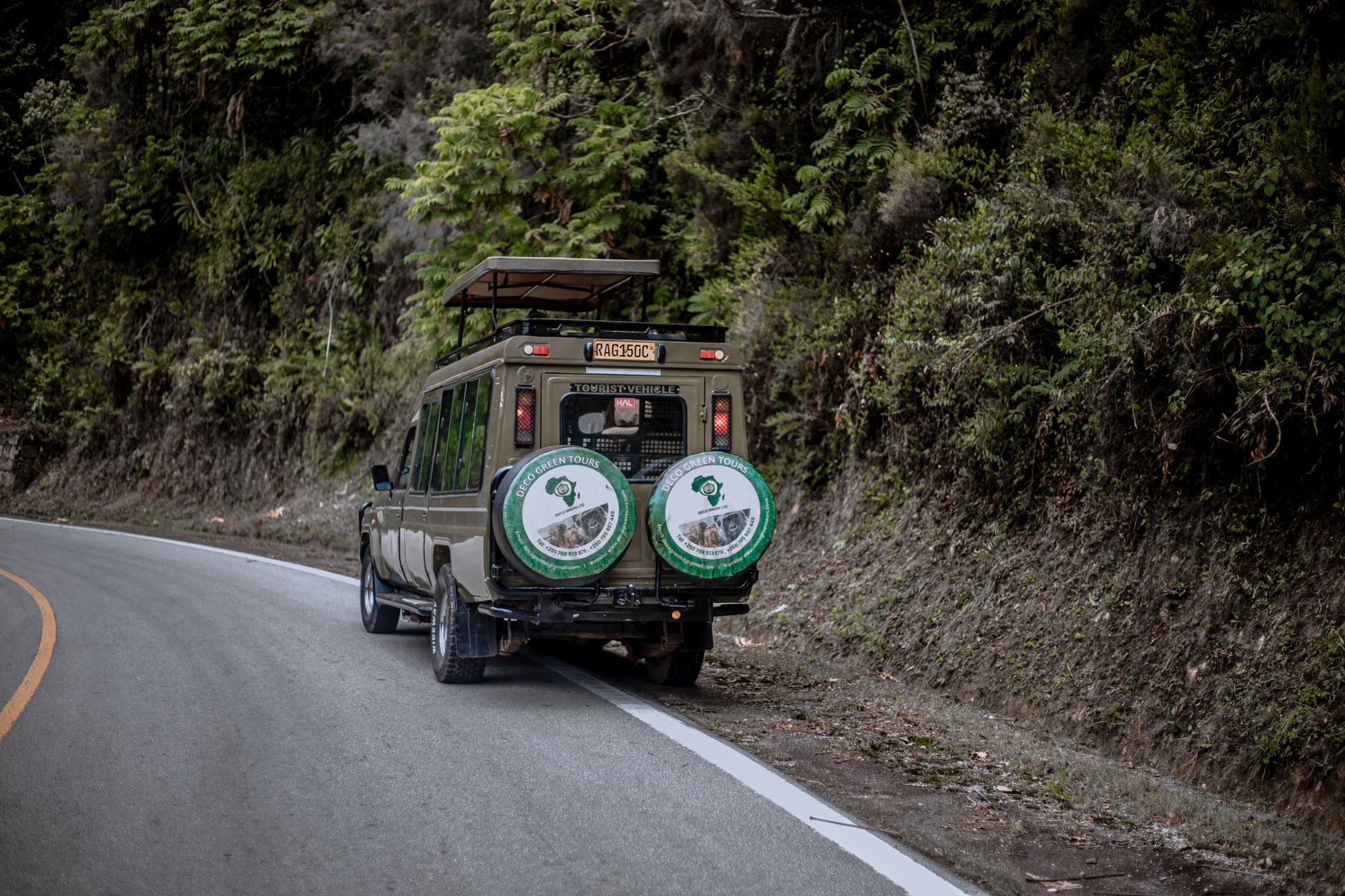
Quillabamba was founded on 25 July 1857, under President Ramón Castilla, alongside the creation of La Convención Province — both acts designed to extend administrative reach into the high jungle territories east of Cusco. For decades it remained a small settlement; it wasn't until 1918, formalised by Law No. 2890, that it was designated Villa and provincial capital. City status followed in 1957 under Law No. 12834.
The railway reached Quillabamba in 1978, briefly connecting it to the wider Cusco rail network, but landslides in 1998 ended service beyond Hidroelectrica and the line was never restored for passengers. The cathedral on the central square is now the oldest surviving building in the city, the Municipal Palace having been destroyed.
Who and what shaped it
People who shaped it
Landmark buildings
See Quillabamba in motion
Plan your visit
On the map
When to go
Despite its nickname 'City of Eternal Summer,' Quillabamba is genuinely tropical — expect around 29–30°C during the day year-round, but with nearly 2,200 mm of annual rain concentrated between November and April, when downpours can close roads. May through October brings drier days and cooler nights that drop to around 20°C.
Right now
Background & history adapted from Wikipedia (CC BY-SA) · specs from Wikidata (CC0) · weather from Open-Meteo · map data © OpenStreetMap contributors · photos from Wikimedia Commons / Unsplash with per-image credit. No third-party reviews or social posts reproduced.