
Urubamba
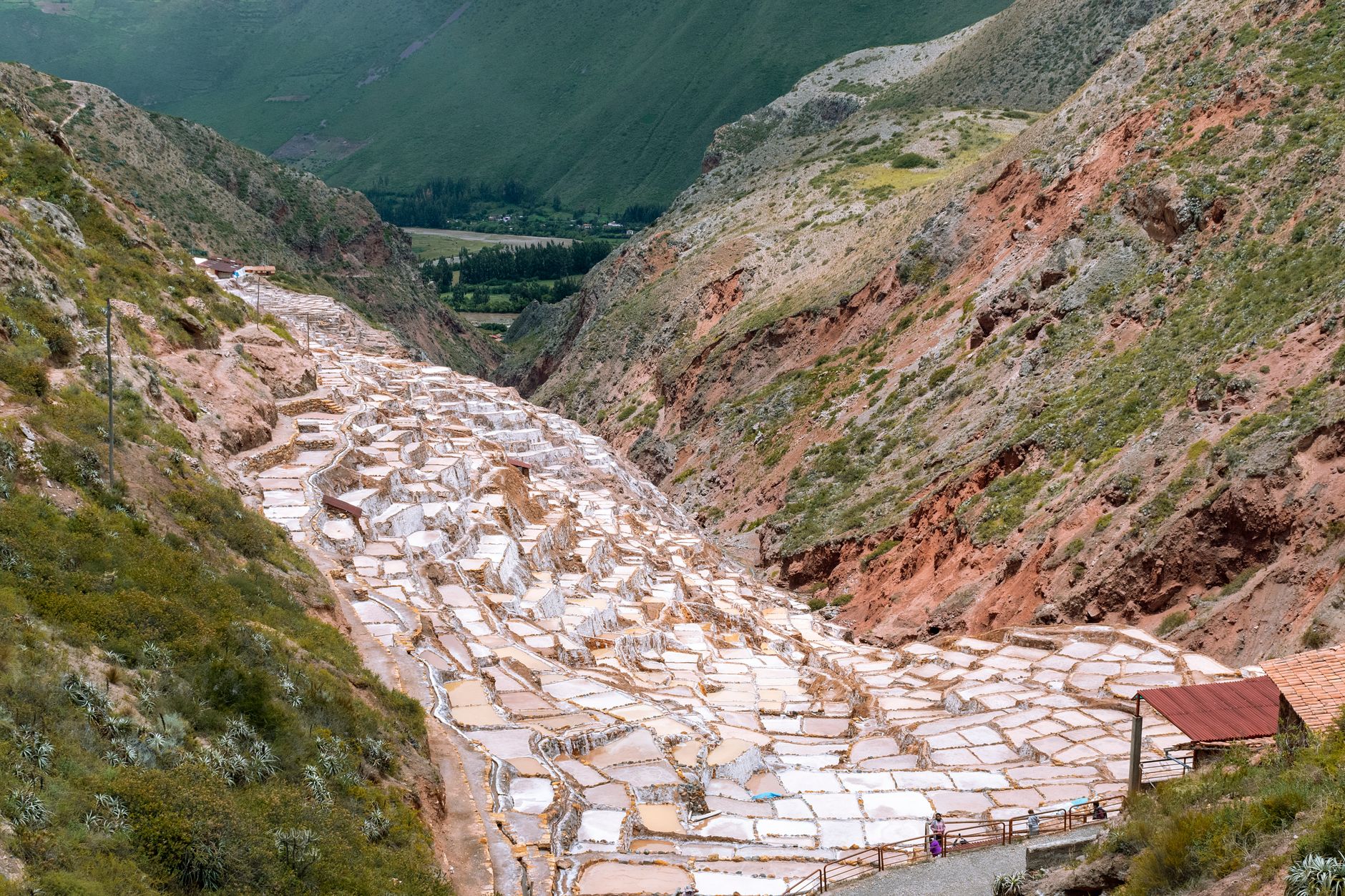
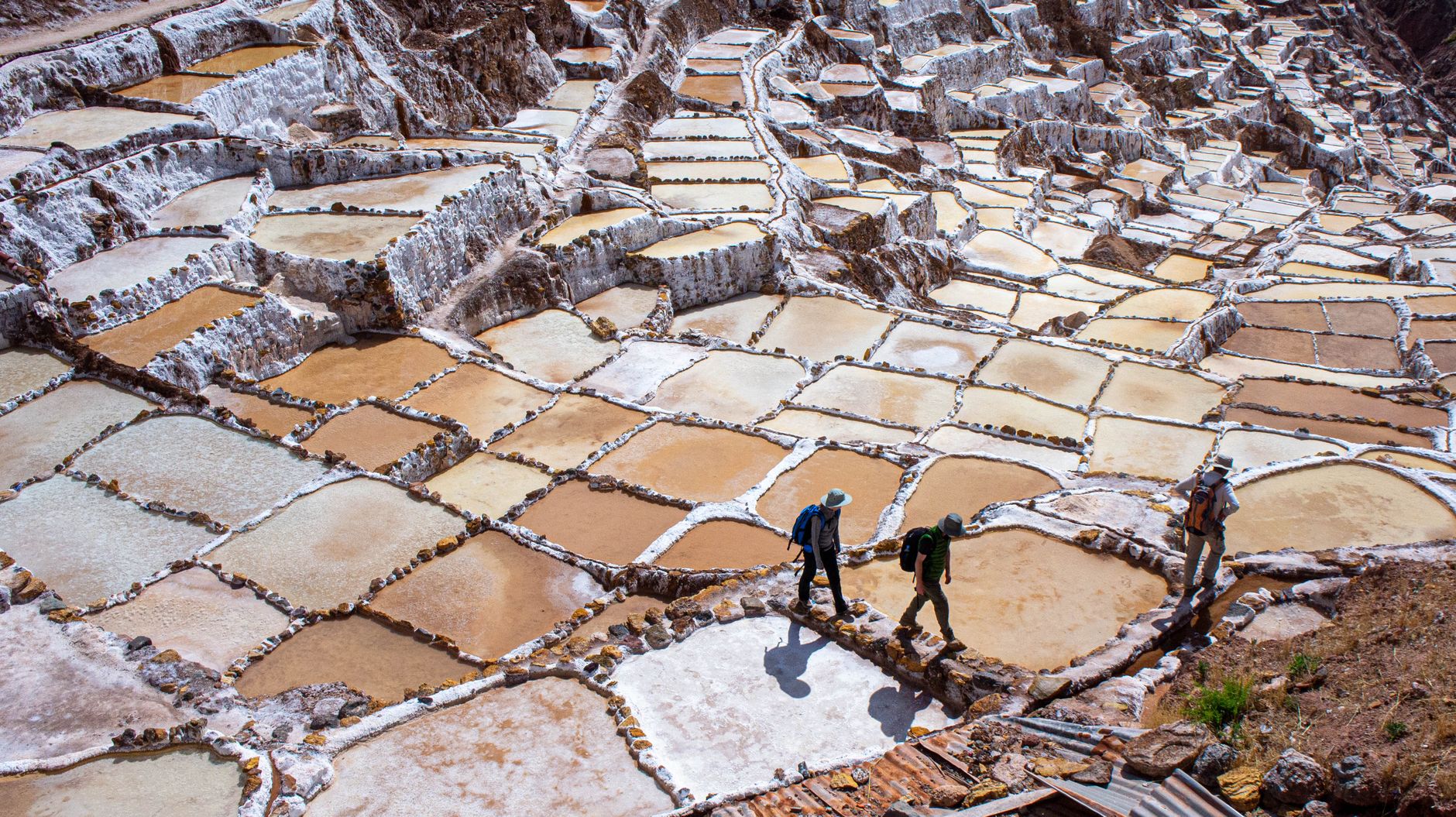
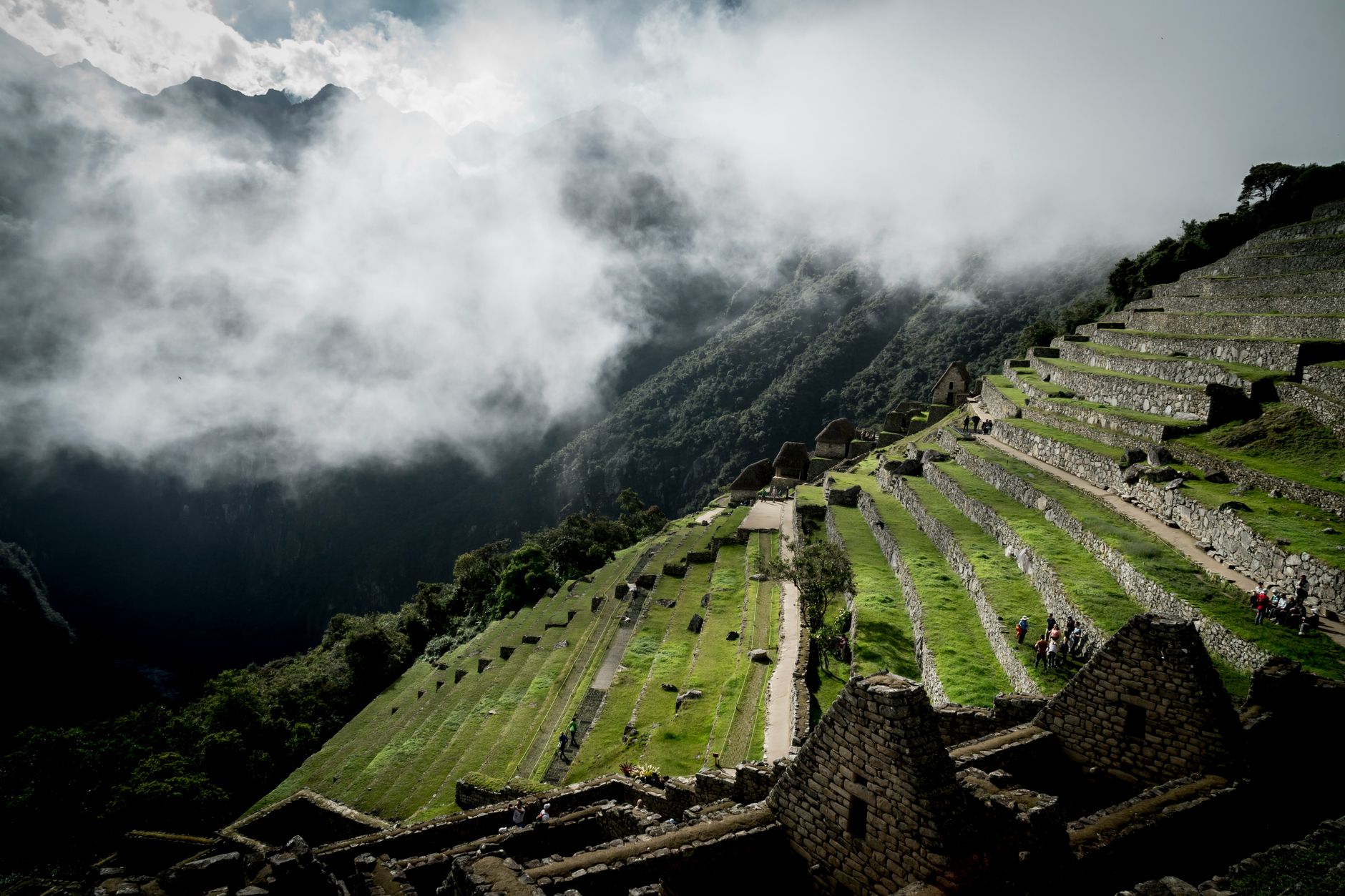
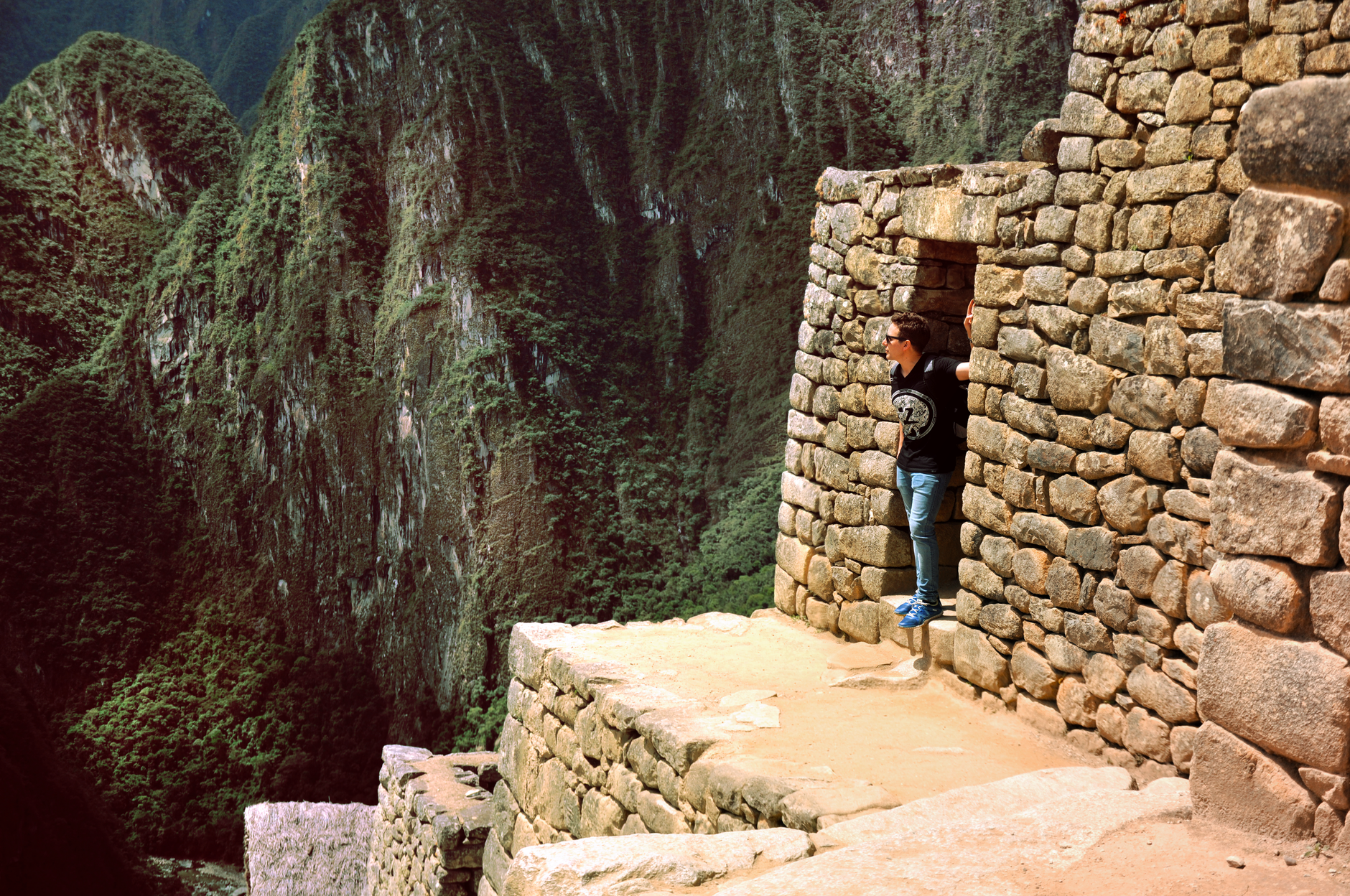
The largest corn in Peru grows here — fat white kernels, almost cartoonishly proportioned — and that detail tells you something about Urubamba. The Sacred Valley's main market town sits at 2,800 metres along the river that shares its name, and it runs on the kind of practical energy that tourist-facing towns rarely sustain: market stalls stacked with pots and pans alongside alpaca goods, a sporting field that doubles as a festival ground, ceramicists working pre-Hispanic forms in a studio off the main streets.
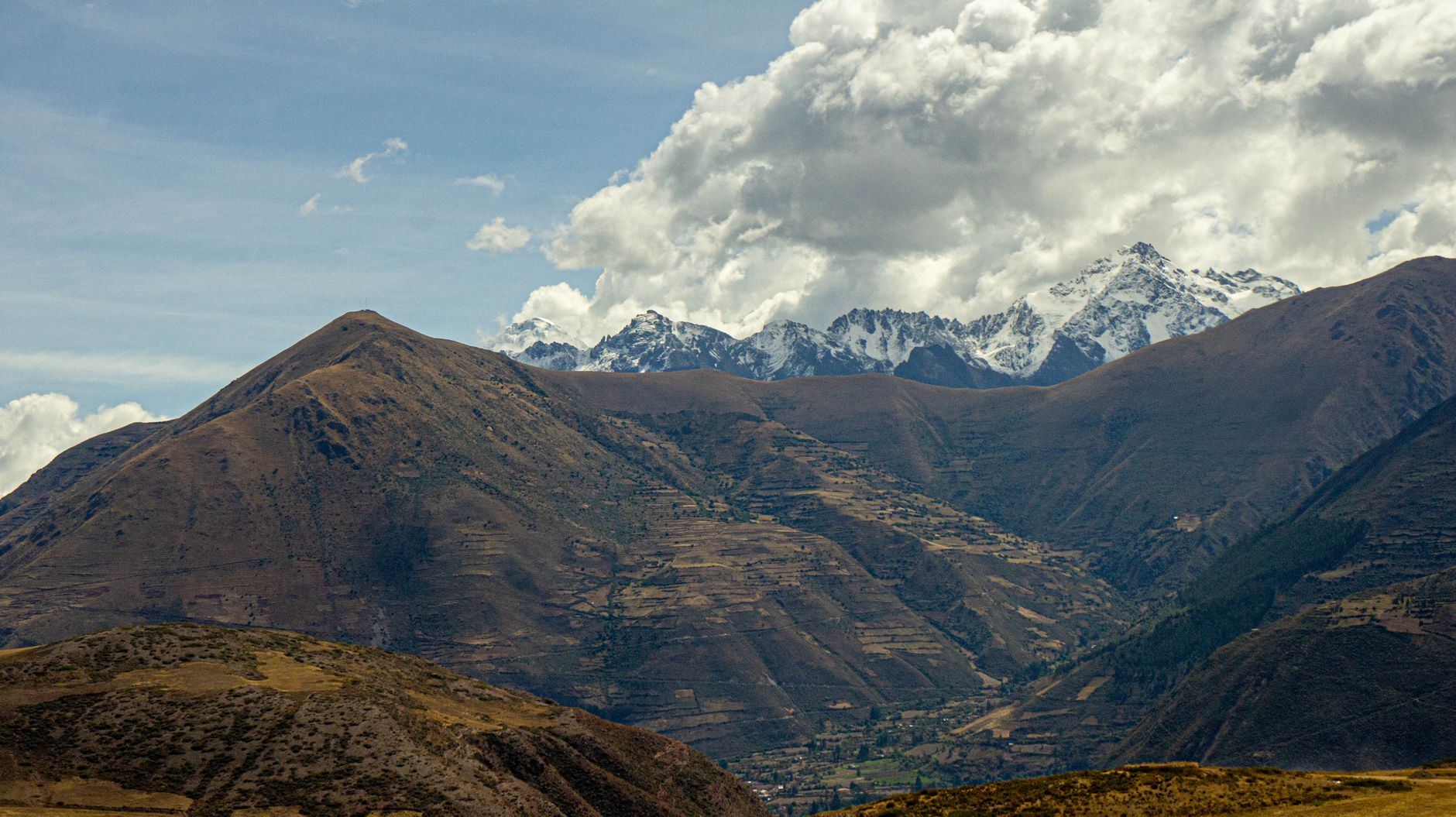
Urubamba is less a monument than a place where people live inside history. Inca agricultural terraces rise behind the colonial church. The ruins of an emperor's private estate occupy the edge of town. The train to Machu Picchu departs from here.
💛 What travellers fall for
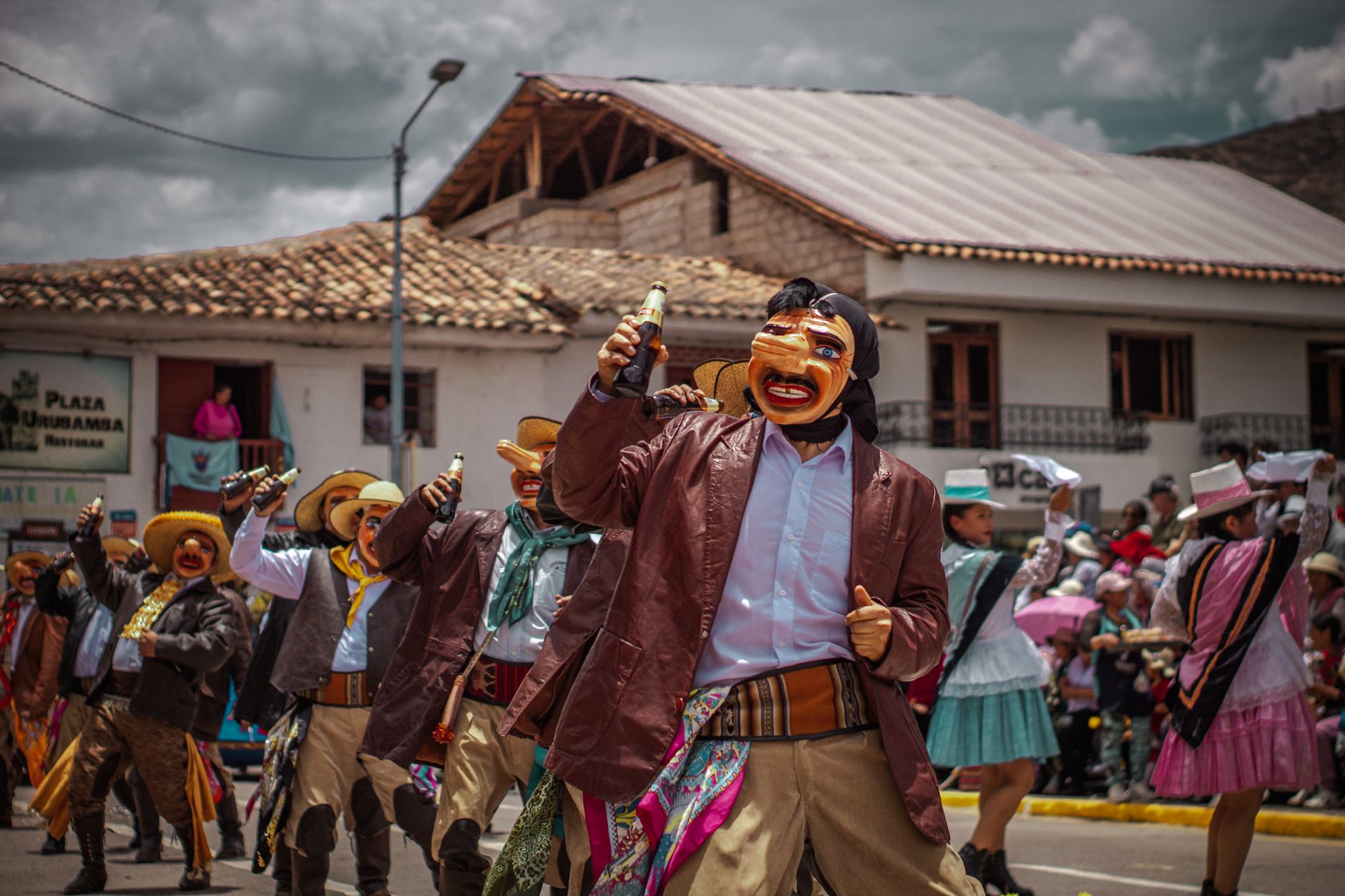
People who come back tend to mention two things: the studio of Pablo Seminario and Marilú Behar, where the ceramics are genuinely worth the time it takes to look at them properly, and the first week of June, when El Señor de Torrechayoc brings dancers from across the valley and the town feels briefly, completely itself.
Deals in Urubamba
Book directly at the provider
How Urubamba came to be
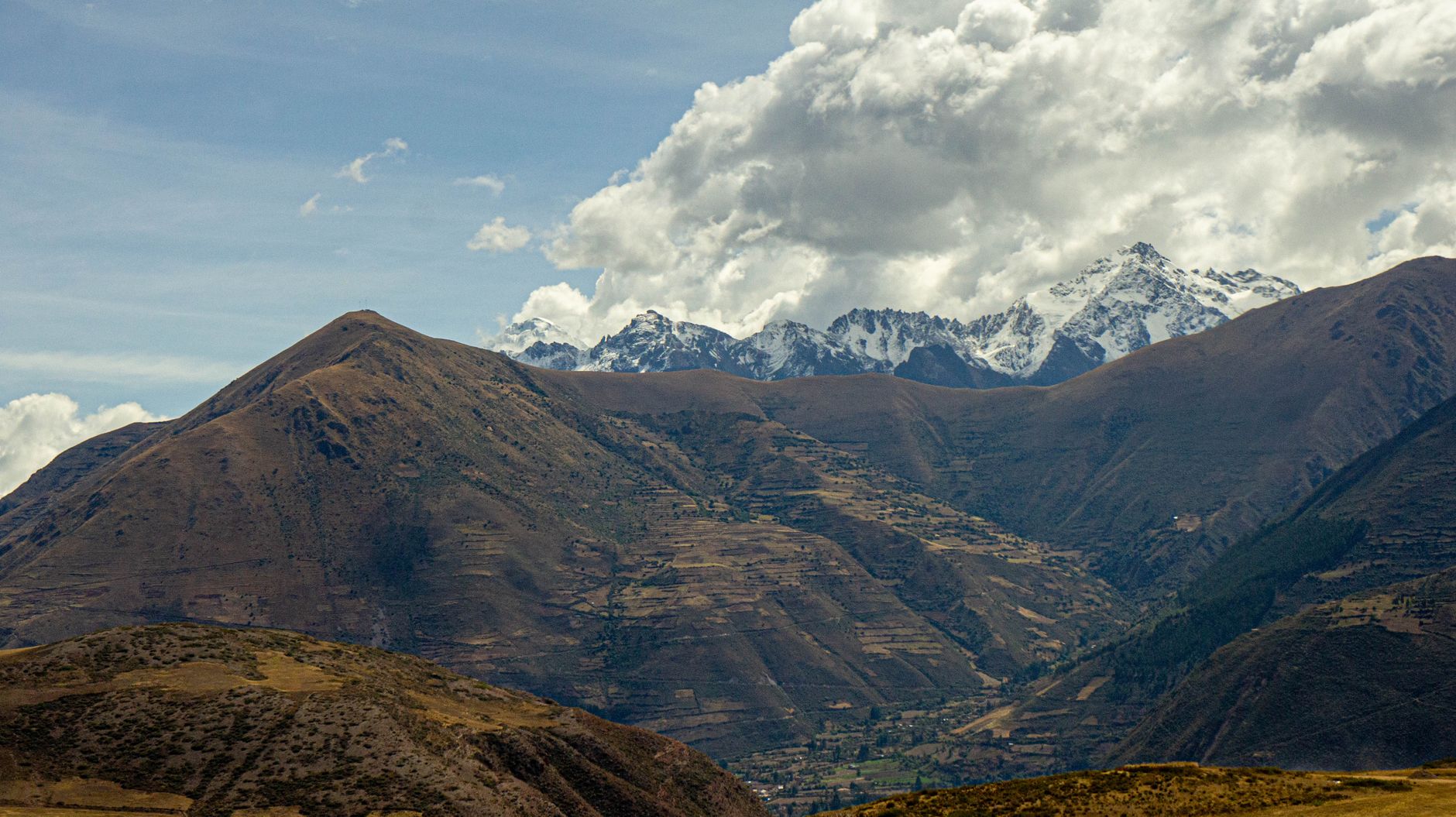
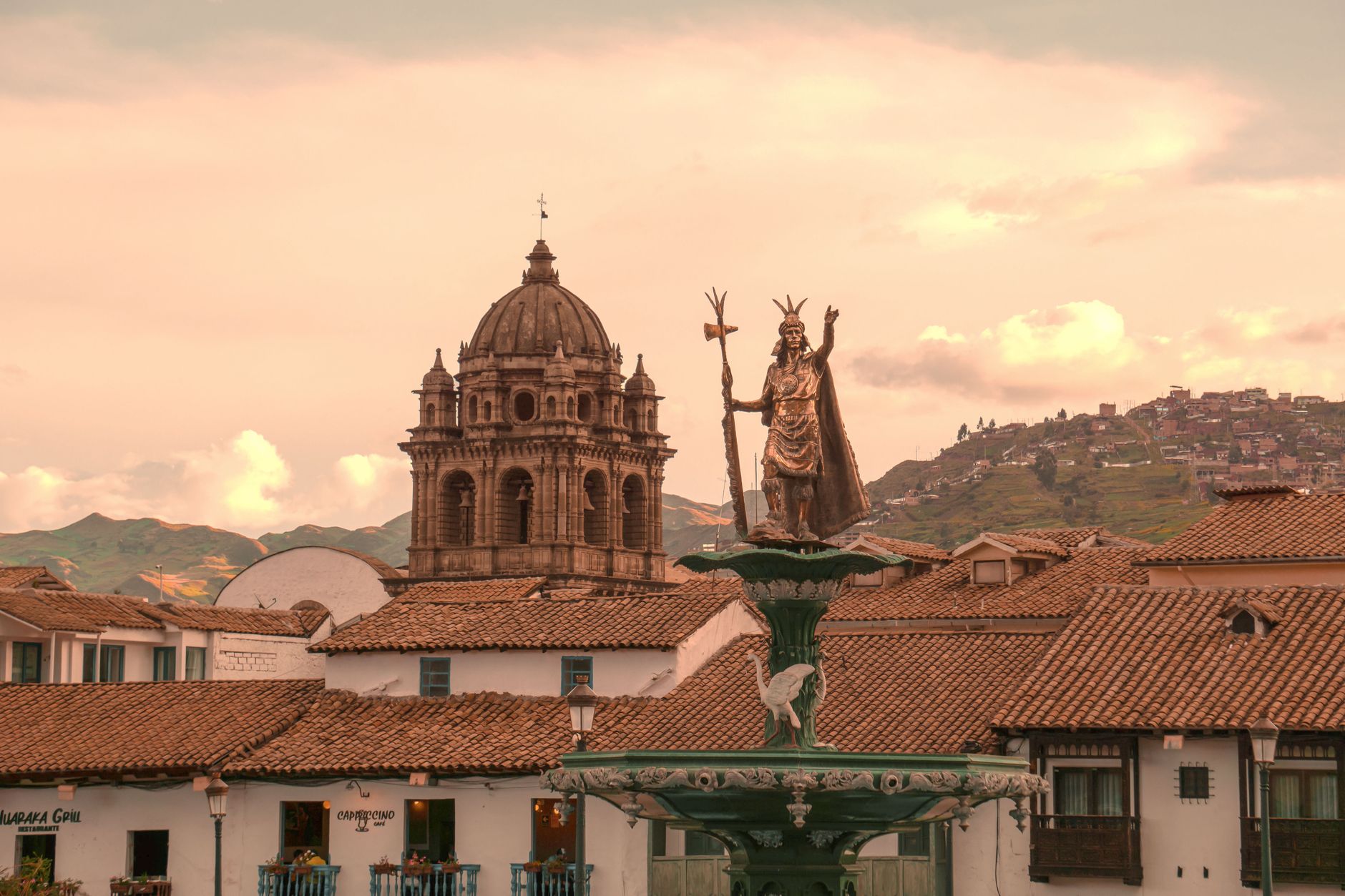
Human groups were farming this valley long before the Inca absorbed the region around the 13th century, and Urubamba became one of the empire's most productive agricultural centres. Its most tangible Inca trace is Quispiguanca, the estate built for the emperor Huayna Capac, who ruled from 1493 until 1527 — the sparse ruins sit within the city limits today.
The Spanish colonial layer arrived in 1650 with the construction of San Pedro Apóstol church, the oldest in the Sacred Valley, its altar worked in wood and silver with floral detail. The town was formally elevated to 'Meritorious City' in November 1839, and in 1962 the province was designated the 'Archaeological Province of Peru' by Act 14,135 — a bureaucratic title that, for once, describes something real.
Who and what shaped it
People who shaped it
Landmark buildings
See Urubamba in motion
Plan your visit
On the map
When to go
Temperatures barely move across the year — expect around 14°C most days — but the dry season from June through August brings the clearest skies and is the most comfortable time for being outside. Nights drop to around 5°C regardless of season, and the wet months from November through March can deliver serious rainfall, with February the heaviest.
Right now
Background & history adapted from Wikipedia (CC BY-SA) · specs from Wikidata (CC0) · weather from Open-Meteo · map data © OpenStreetMap contributors · photos from Wikimedia Commons / Unsplash with per-image credit. No third-party reviews or social posts reproduced.