




★★★★★
Such an amazing town. Family place, local markets and all at cheap prices
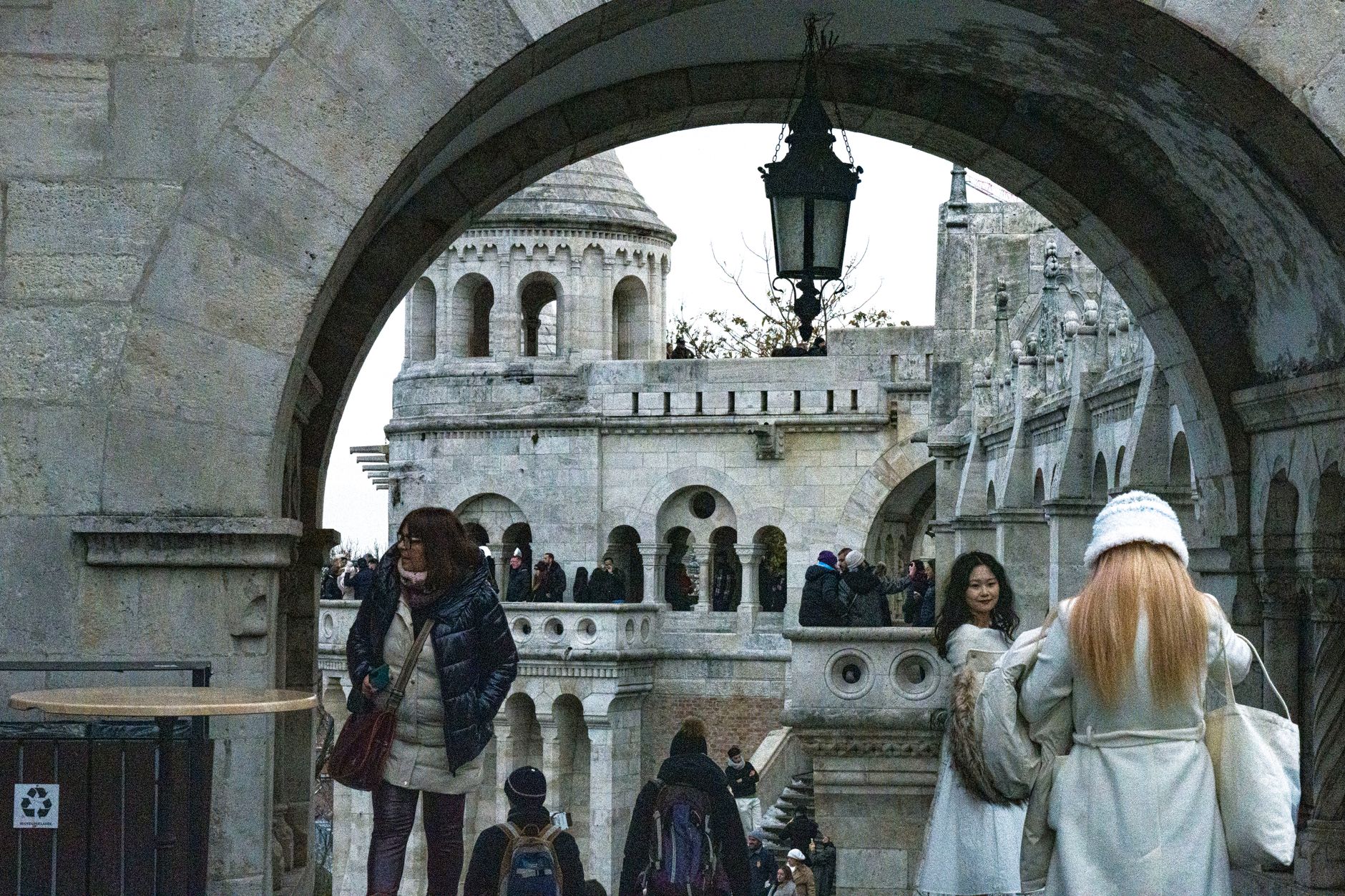
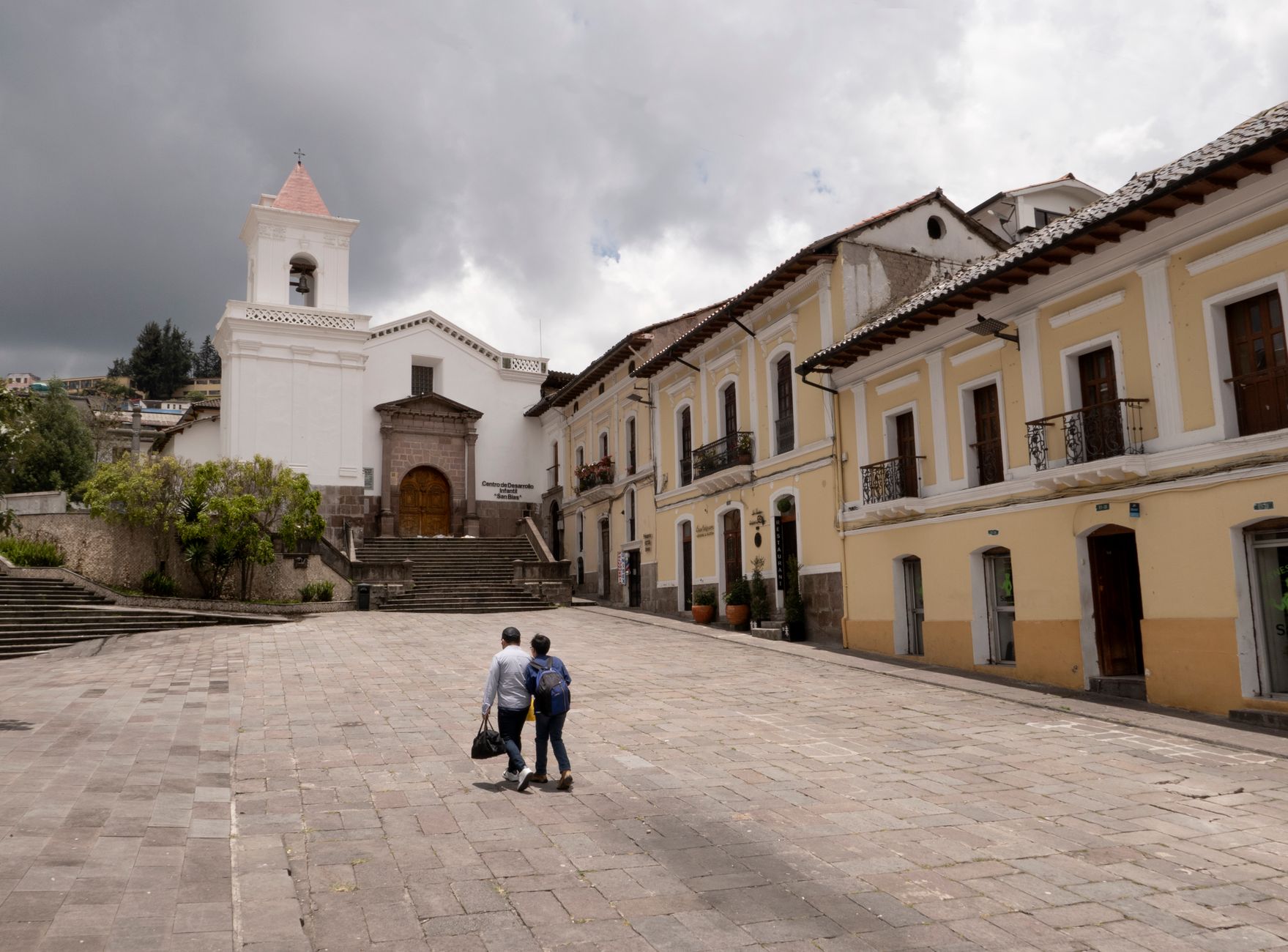
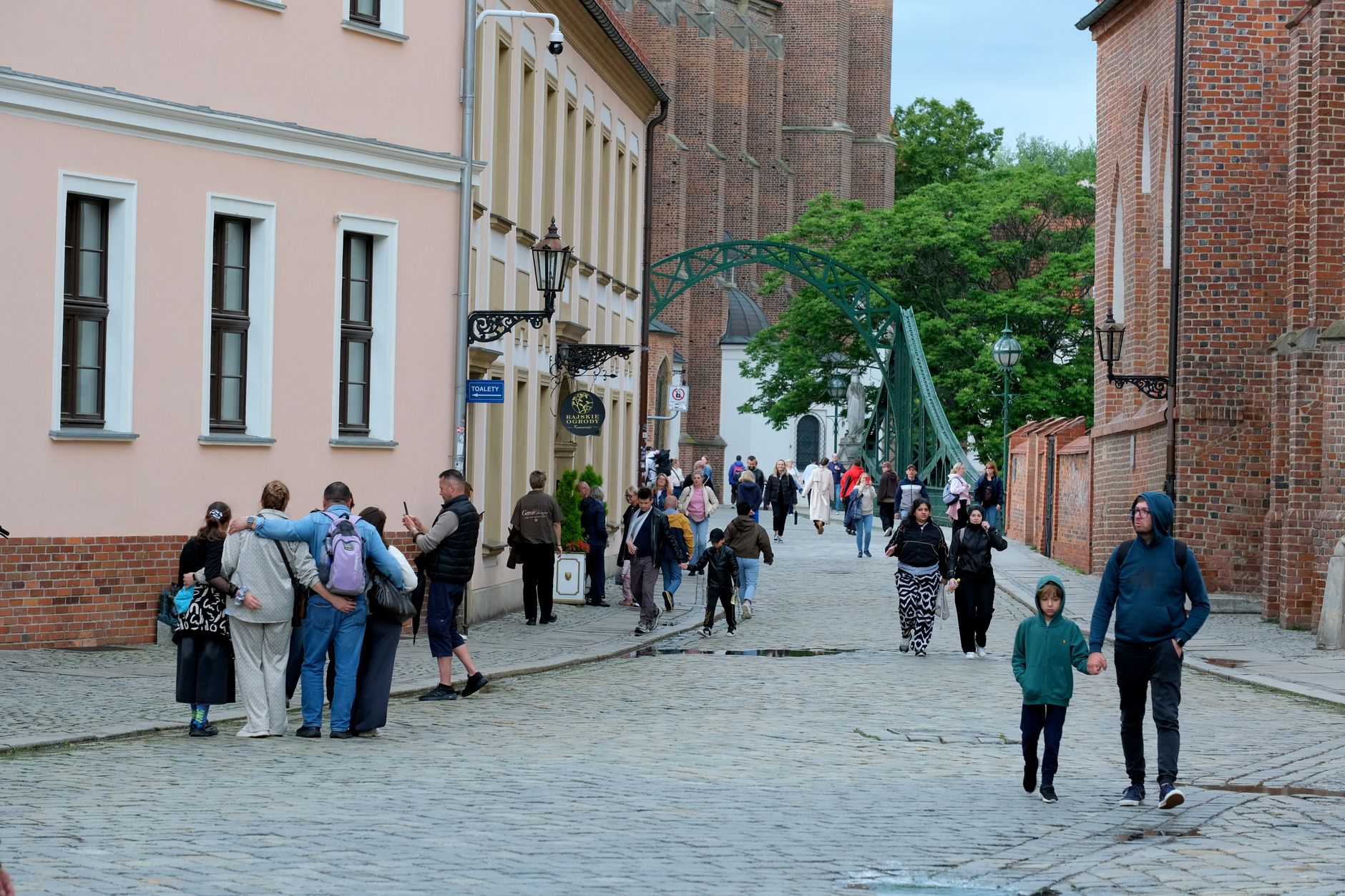
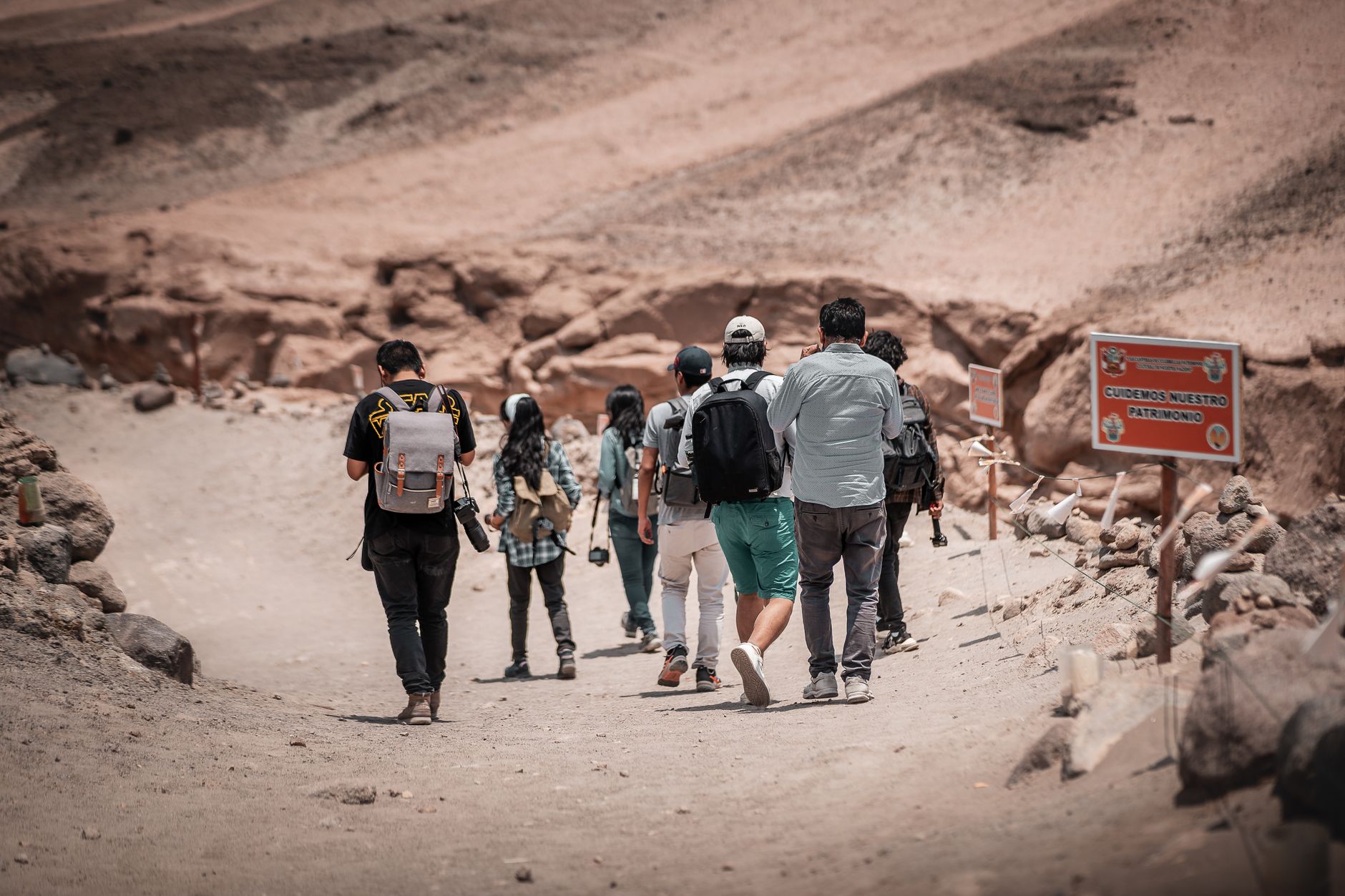
Calca sits at 2,926 metres in the Sacred Valley, close enough to Cusco that tour buses pass straight through on their way to more famous stops — which is, quietly, the point. The town runs on its own rhythm: market days, the thermal baths at Machacancha where locals soak in 40°C water on cold mornings, and the long ridge above town where the ruins of Huchuy Qosqo — Little Cusco — look out over terraced slopes that have been farmed for six hundred years.
Above the valley floor, the Ancasmarka archaeological site spreads across a high-mountain sector with more than 600 enclosures, colcas and platforms, and almost nobody on the trail. Calca is the kind of place that rewards the decision to stop.
People who come back tend to time it around the Sunday market, when the Plaza de Armas fills with alpaca goods and produce from the surrounding villages. The Minas Moqo baths are closer to town and cheaper — two soles at the gate — while Machacancha, fifteen minutes up the mountain, runs hotter and quieter on weekday mornings.
Before the Inca arrived, a people known as the Kallka lived in this valley. Inca Wiracocha changed that at the start of the fifteenth century, conquering the territory and establishing his residence at Huchuy Qosqo on the ridge above. The Spanish renamed the settlement Villa de Zamora after conquistador Pedro de Zamora, who founded the colonial town, but the valley proved difficult to hold: when Manco Inca organised resistance in the sixteenth century, both Hernando Pizarro and Diego de Almagro failed to take it.
Viceroy Toledo later forced the indigenous population into a reduction, obliging them to work the land and pay tribute to encomenderos like Melchor Maldonado. The modern province was drawn by a different hand entirely — Simón Bolívar created Calca Province by decree on June 21, 1825, in the first years of Peruvian independence.
Daytime temperatures stay mild year-round, averaging around 14°C, with November the warmest month and July the coolest — but nights drop sharply, reaching near freezing in the dry winter months of June through August. The wet season, roughly November to March, brings afternoon rain and greener slopes; the dry season offers clearer skies and colder mornings.
Such an amazing town. Family place, local markets and all at cheap prices
Super !..
It has a really nice square! Great for roller skating. Some nice places to eat as well.
Calca is a provincial capital located in the sacred valley of the Incas in the province of calca, region of cusco. It has all the services you’d expect from a provincial capital
Gots two plazas!
Background & history adapted from Wikipedia (CC BY-SA) · specs from Wikidata (CC0) · weather from Open-Meteo · map data © OpenStreetMap contributors · photos from Wikimedia Commons / Unsplash with per-image credit. No third-party reviews or social posts reproduced.
We started Yeppa because finding real travel inspiration felt harder than it should be. The site is young and we're a small team, so we genuinely need the help of early visitors like you: if anything looks broken, odd or just plain wrong, we'd love to hear about it.
Tell us what you ran into: a broken link, a wrong photo, anything odd. We read every message.
Your note is on its way to us. It makes Yeppa better for everyone.
Subscribe to the newsletter and get travel deals & inspiration for trips that start near you.
Check your inbox and confirm your subscription. From then on we'll send you travel deals & inspiration.