
Cusco City
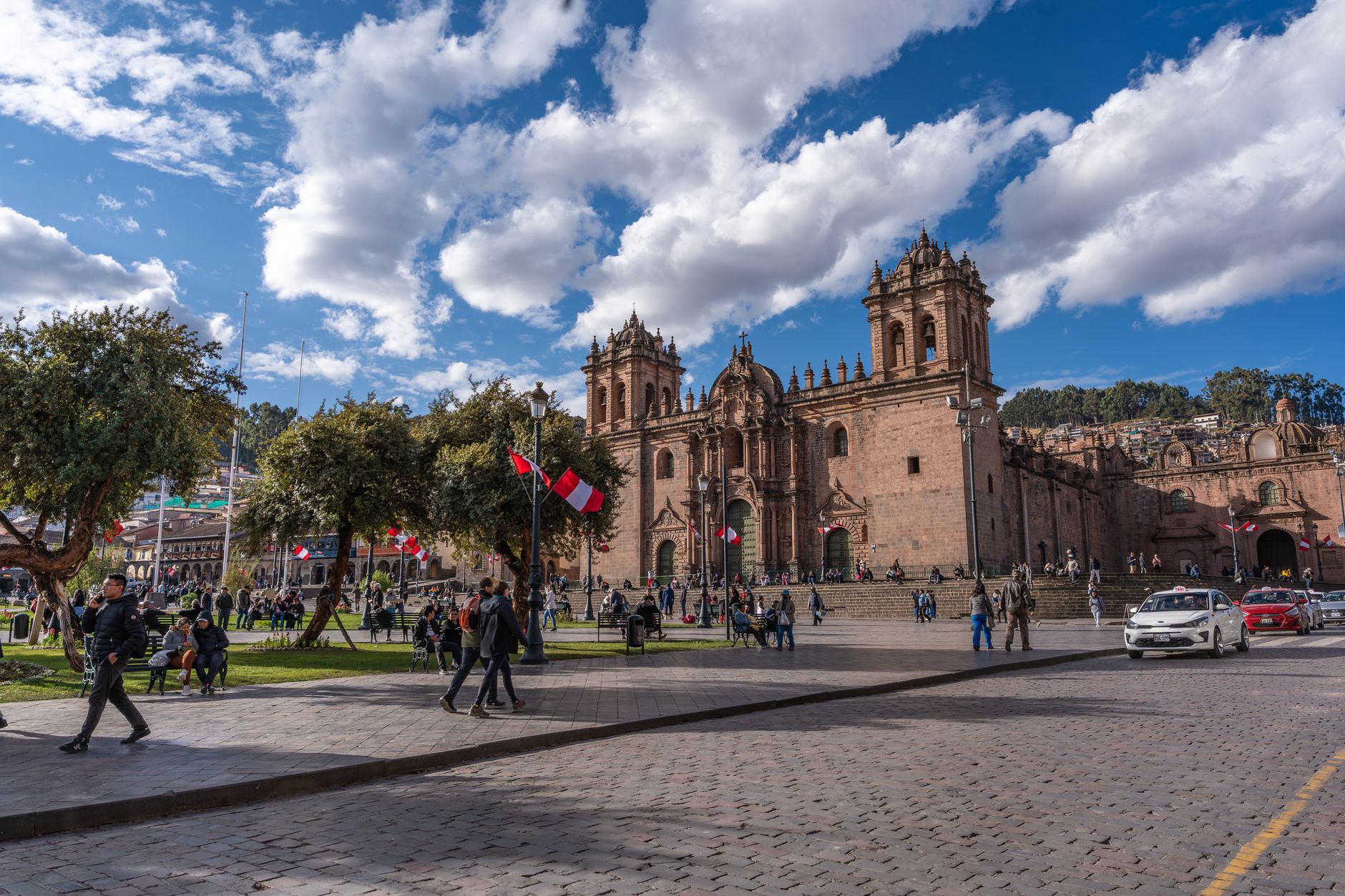
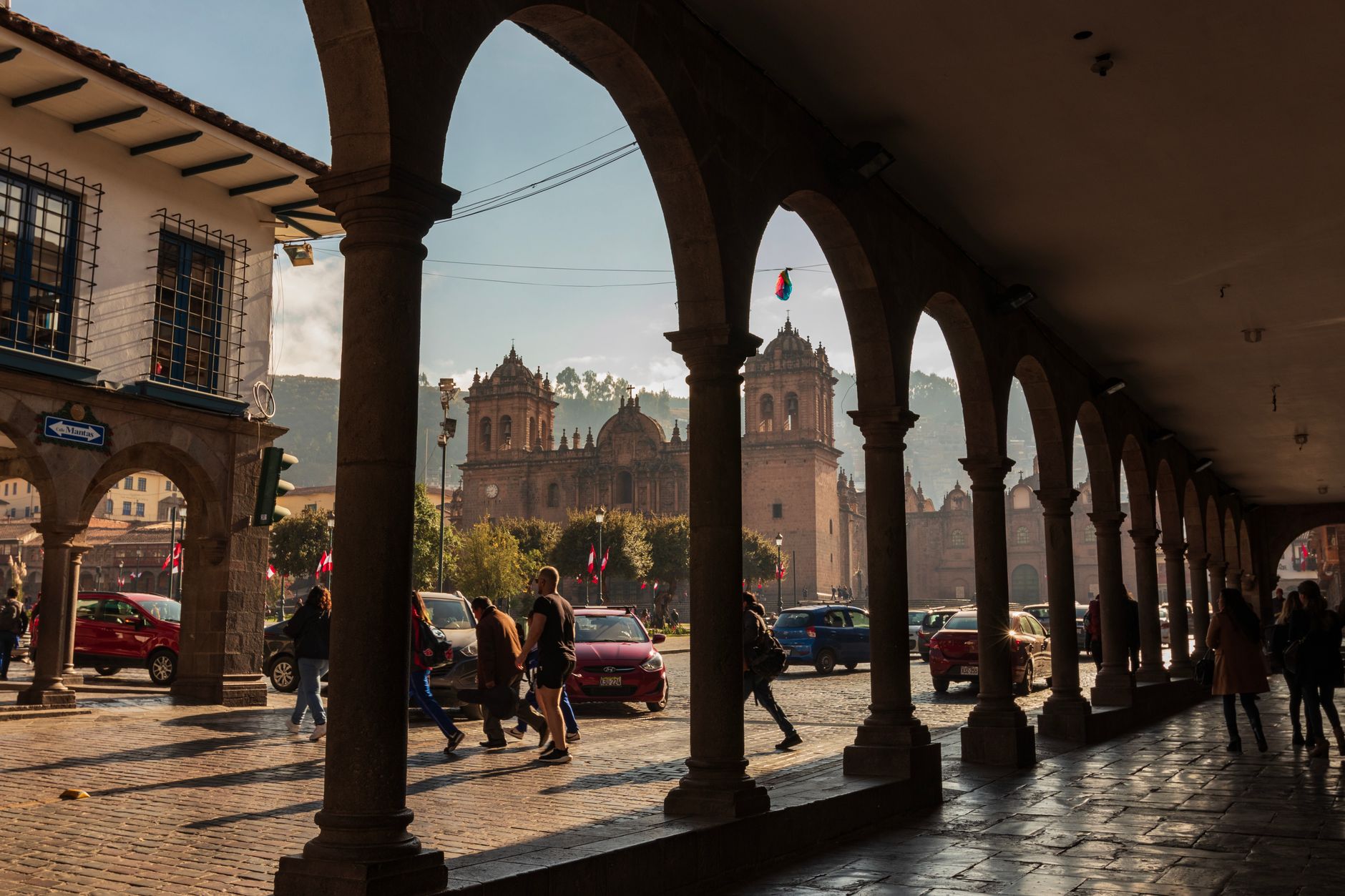
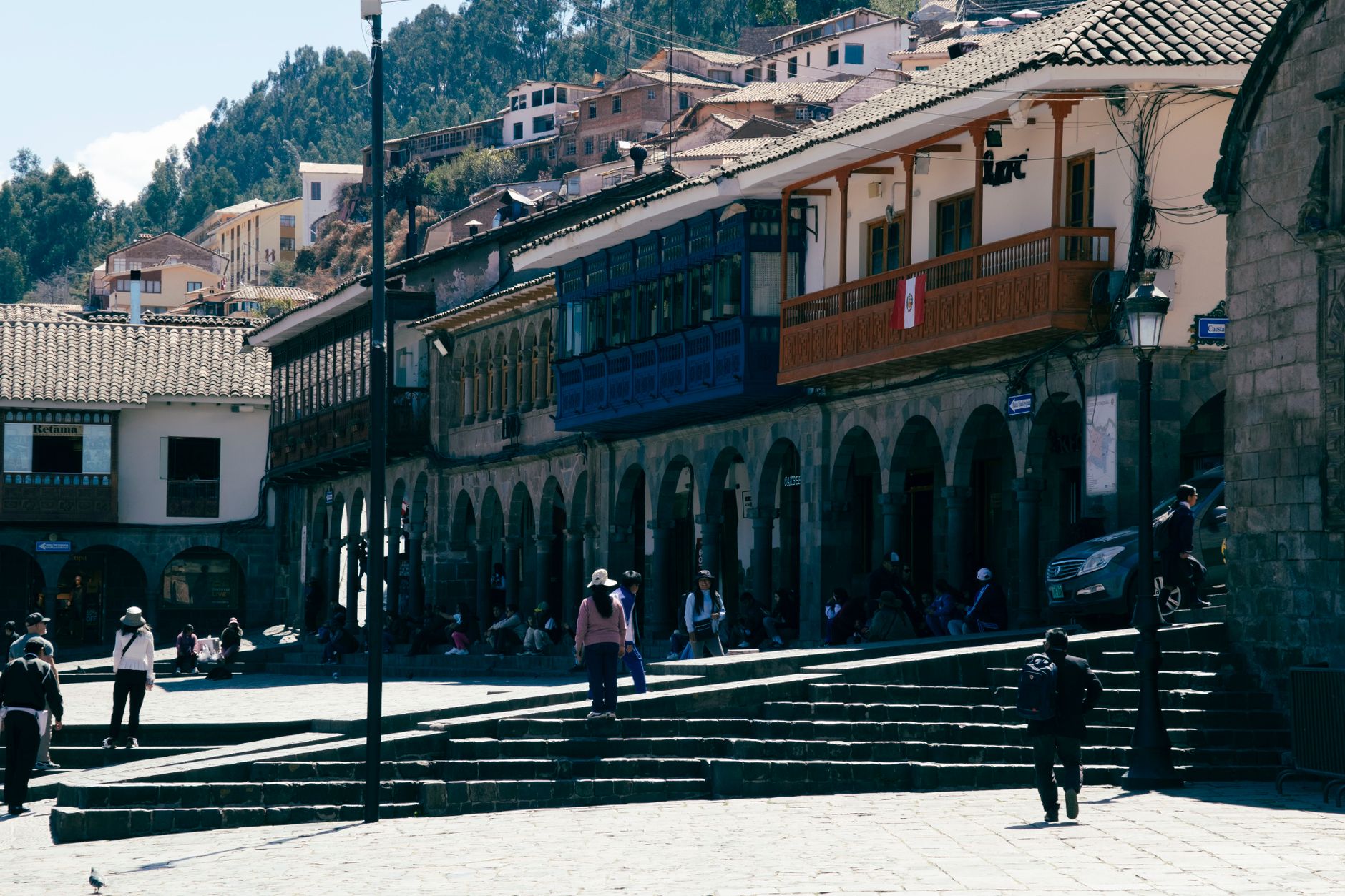
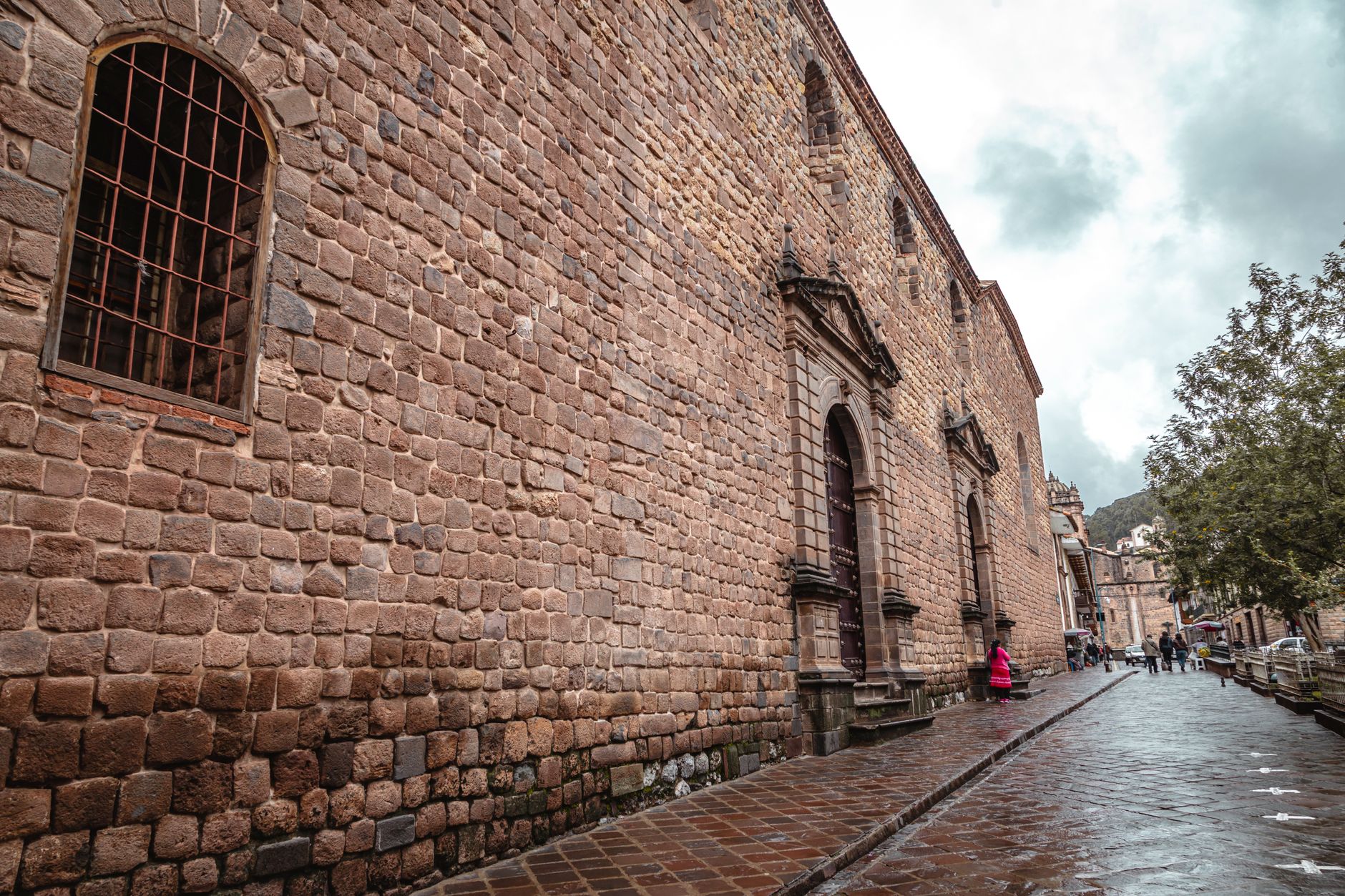
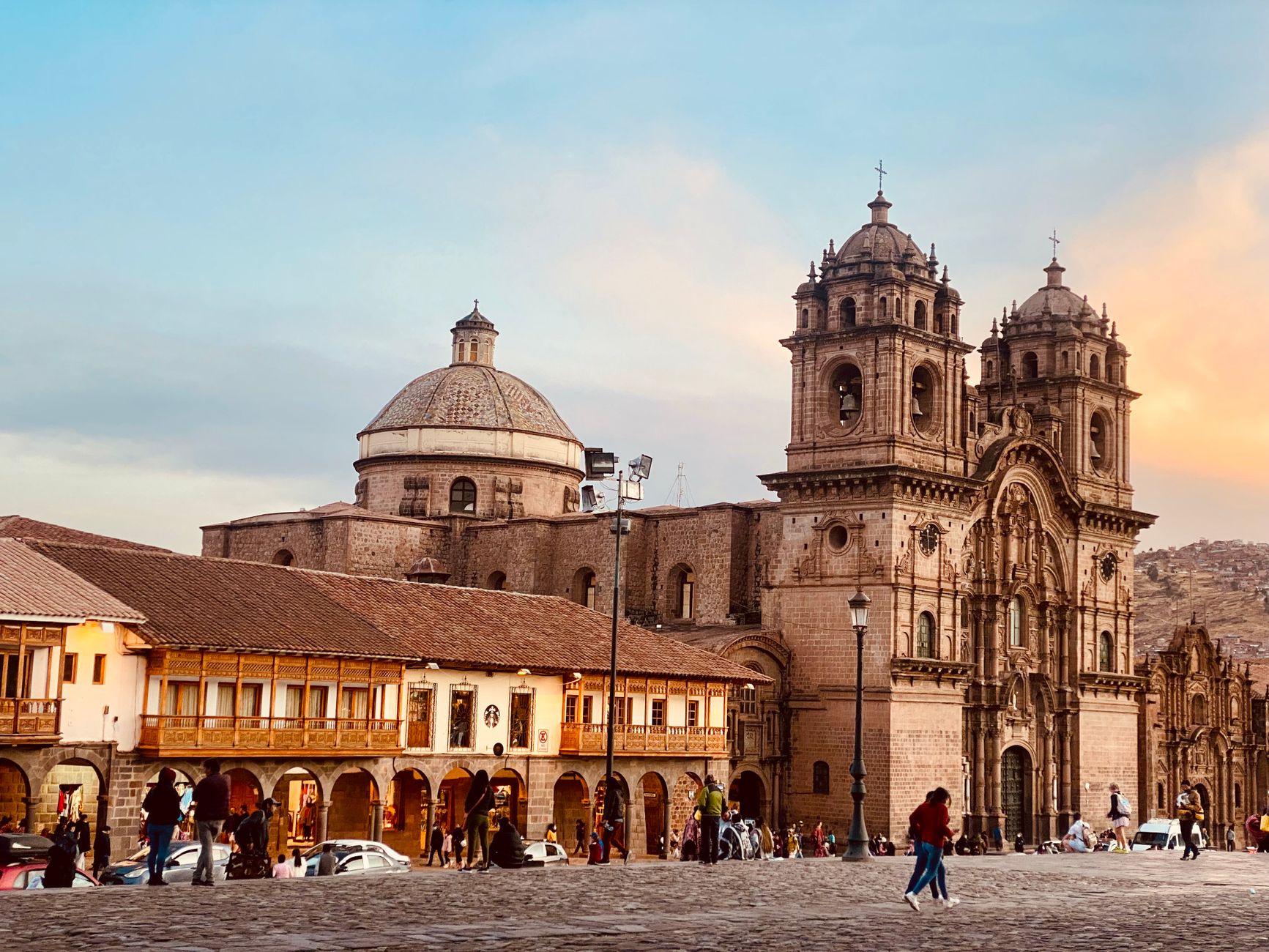
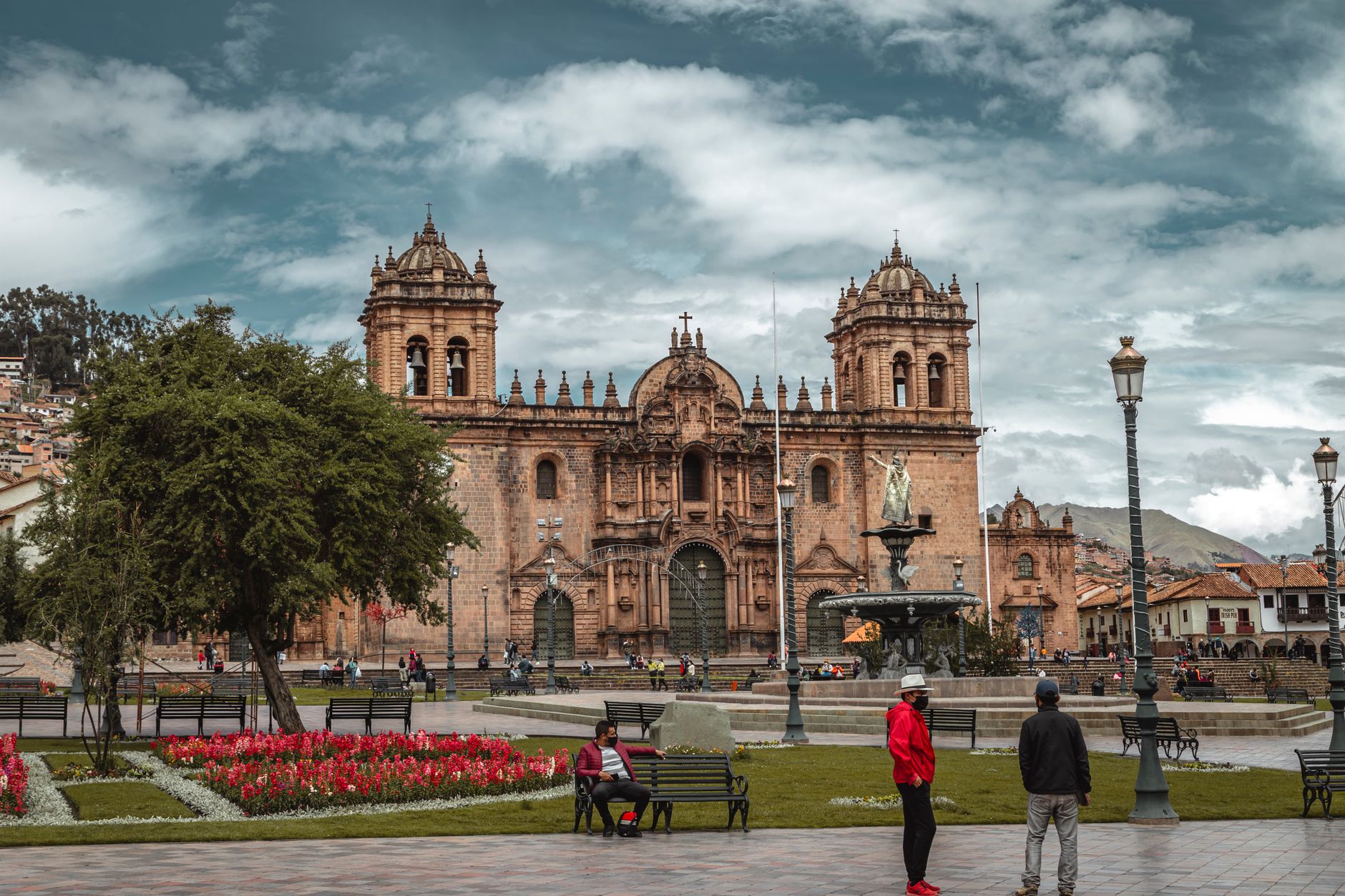
At 3,400 metres above sea level, Cusco asks something of you before it gives anything back. The altitude hits first — a tightness in the chest, a strange slowness — and most travellers spend their first afternoon horizontal, sipping mate de coca and watching the light shift on terracotta rooftiles. Once your lungs adjust, the city reveals itself in layers: Inca stonework forming the lower courses of colonial walls, Quechua spoken in the market at San Pedro, and a Plaza de Armas that was once the ceremonial heart of an empire stretching from present-day Quito to the Maule River in Chile.
The Spanish arrived in 1532 and built their city on top of the Inca one — literally, using existing foundations — which means you are always walking on two civilisations at once. That palimpsest quality is what sets Cusco apart from anywhere else on the continent.
💛 What travellers fall for
People who come back tend to say the same thing: skip the plaza restaurants and find your way up to San Blas on a quiet morning, before the tour groups arrive. The carved wooden pulpit in the parish church there — built in 1563 — repays a long look. And give yourself a full evening just to sit on the steps of the Cathedral and watch the square change colour as the sun drops.
Deals in Cusco City
Book directly at the provider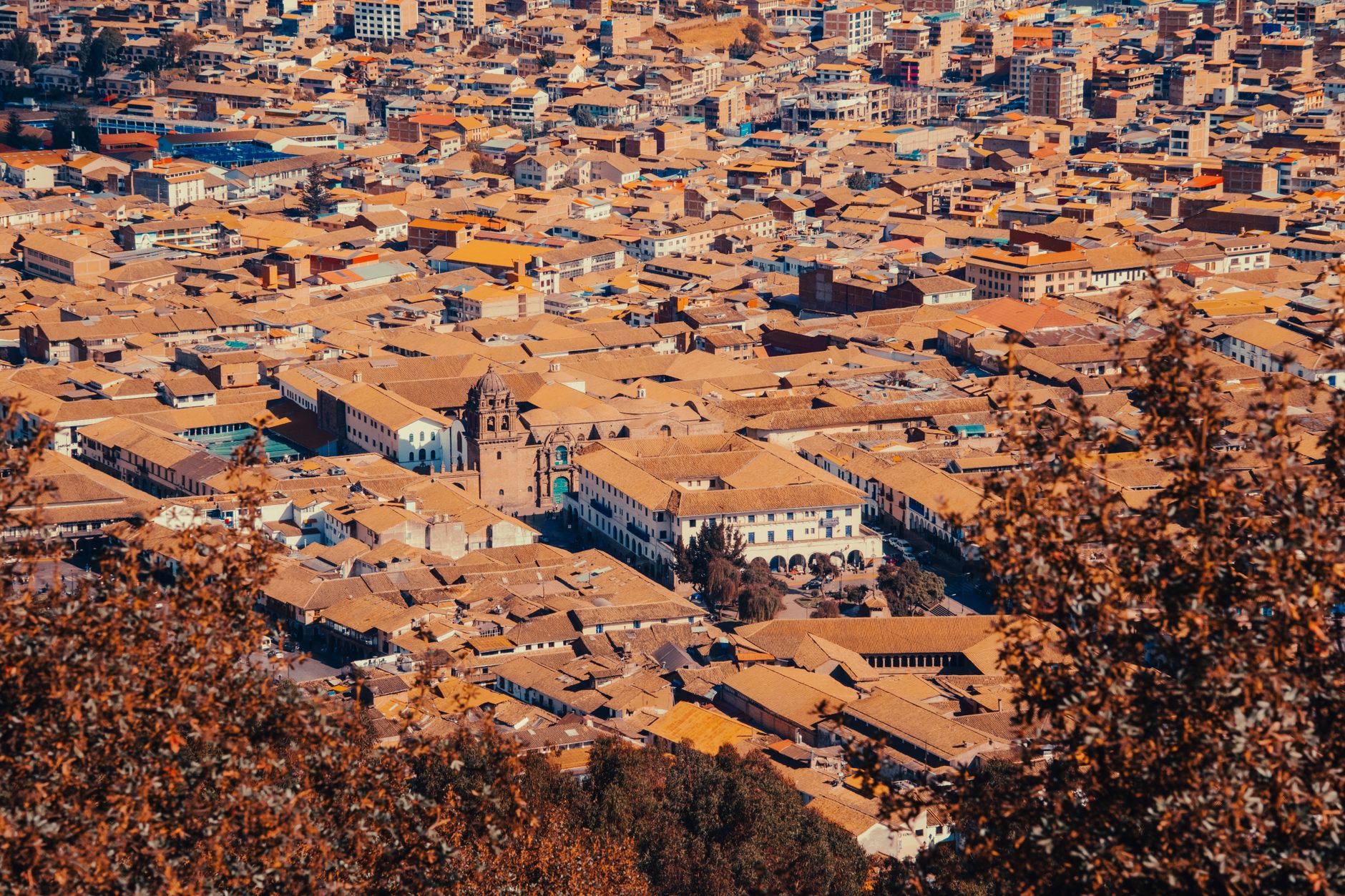


How Cusco City came to be
Human settlement in the Cusco valley goes back over 3,000 years, but the city as a political centre took shape around the 11th or 12th century under Manco Cápac, the first ruler of the Inca line. It remained a regional power until 1438, when Pachacuti Inca Yupanqui defeated the Chanca people and began the extraordinary expansion that turned Cusco into the capital of Tawantinsuyu — an empire of some 12 million people. Pachacuti also commissioned Qorikancha, the Temple of the Sun, whose gold-sheathed walls made it the most sacred site in the Inca world.
That world ended fast. Francisco Pizarro founded a Spanish city on the ruins of Cusco on 23 March 1534, raising the Cathedral and the Church of the Society of Jesus over Inca foundations. A 1950 earthquake demolished much of what had survived the conquest, though it also exposed the Inca stonework beneath — the disaster, in a way, returned the city to itself. UNESCO recognised it as a Cultural Heritage of Humanity in 1983.
Who and what shaped it
People who shaped it
Landmark buildings
See Cusco City in motion
Plan your visit
On the map
When to go
The dry season, May through October, brings clear days and sharp, cold nights — temperatures can drop near freezing after dark even in June. The wet season, November through April, delivers afternoon downpours and lusher surroundings; January and February see the heaviest rain.
Right now
Background & history adapted from Wikipedia (CC BY-SA) · specs from Wikidata (CC0) · weather from Open-Meteo · map data © OpenStreetMap contributors · photos from Wikimedia Commons / Unsplash with per-image credit. No third-party reviews or social posts reproduced.