
Cornwall
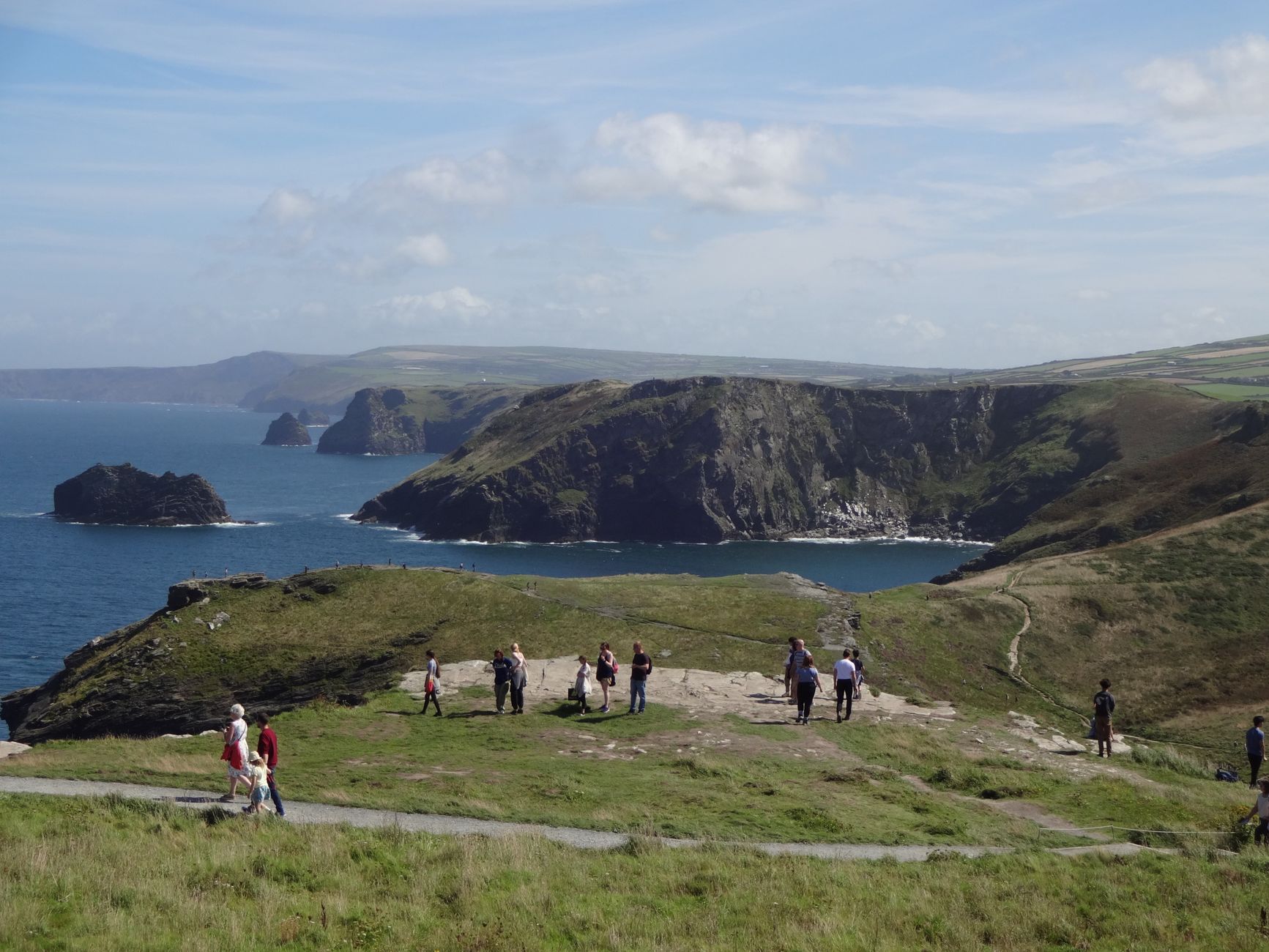
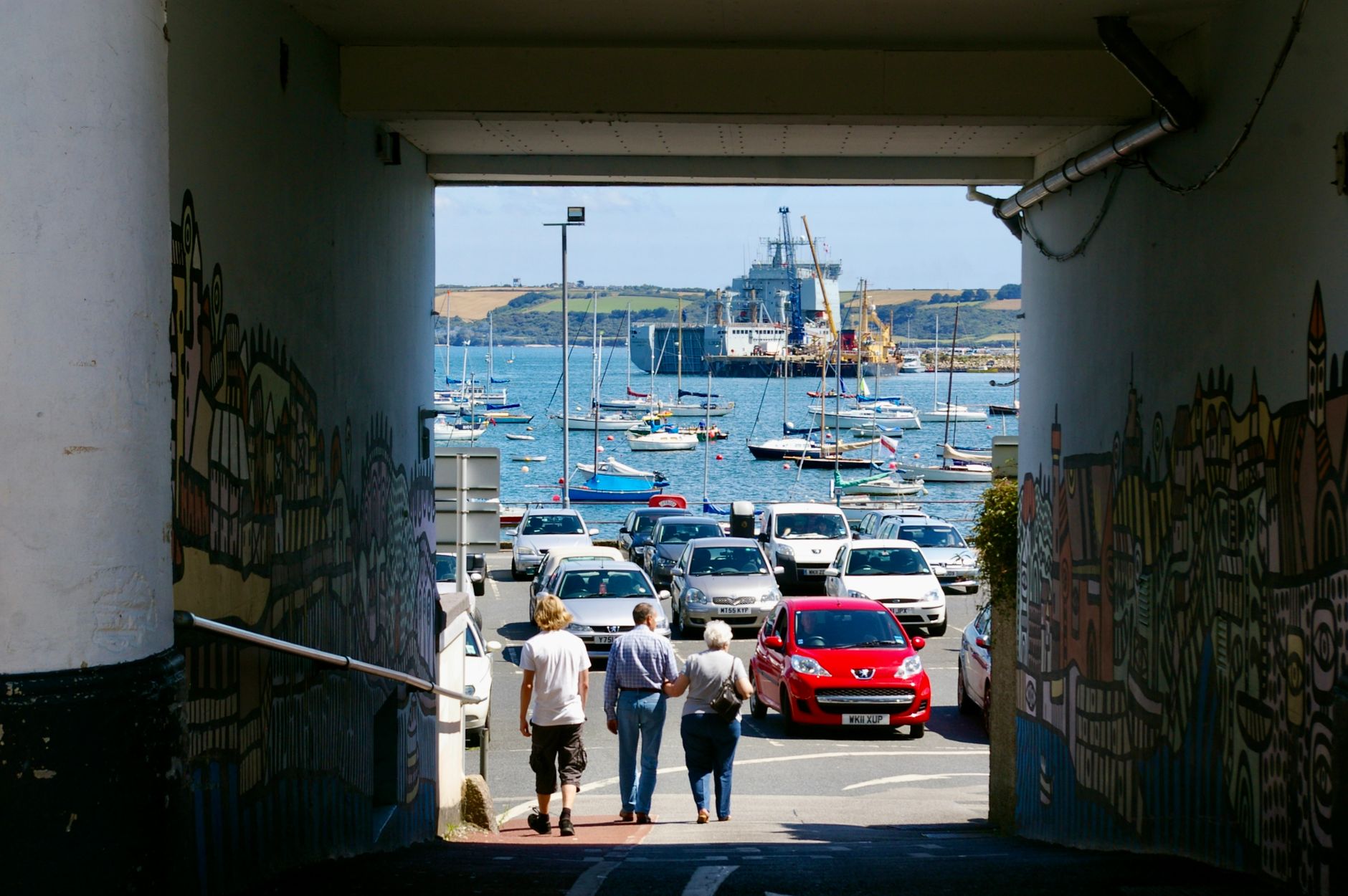
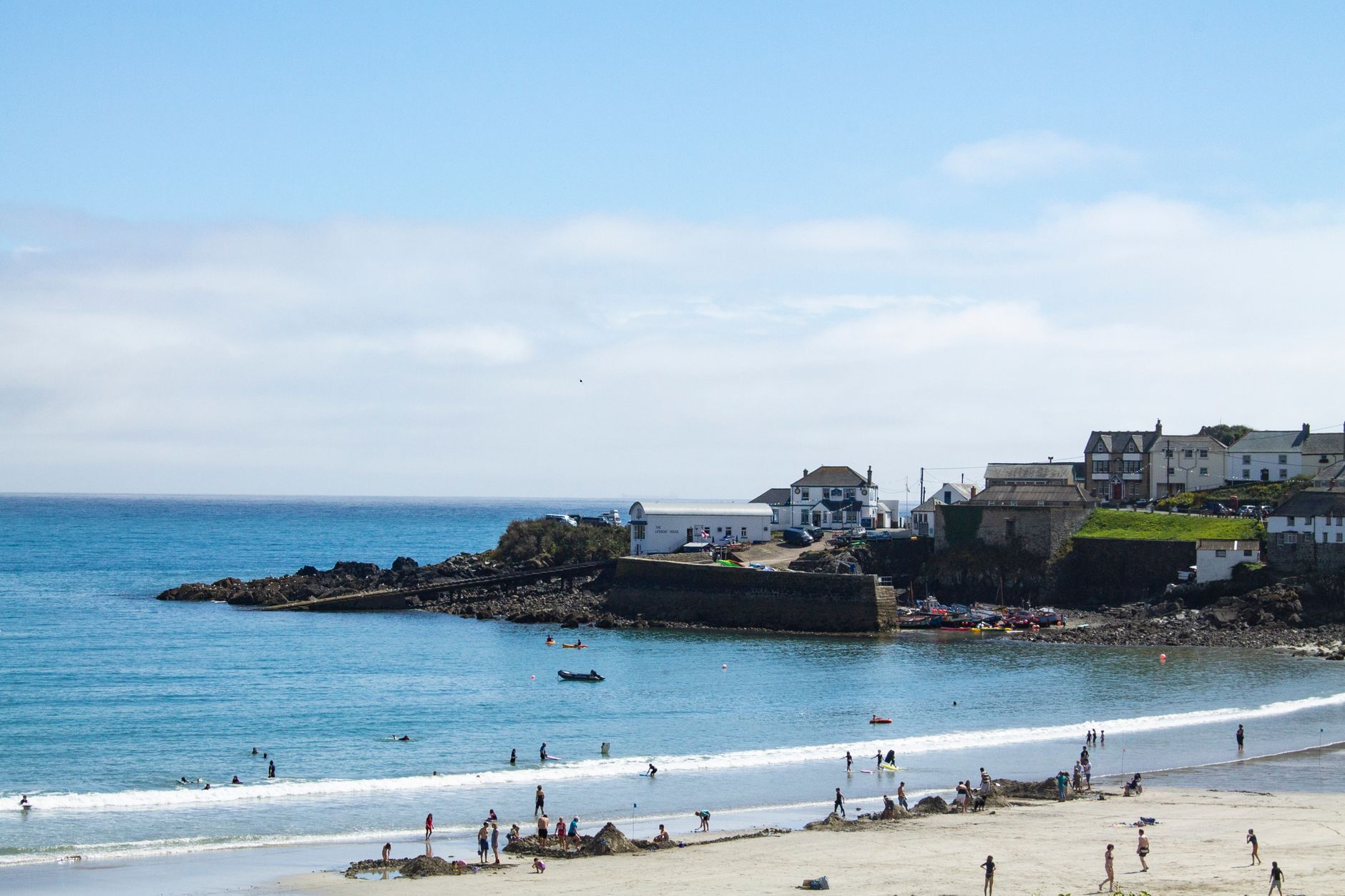
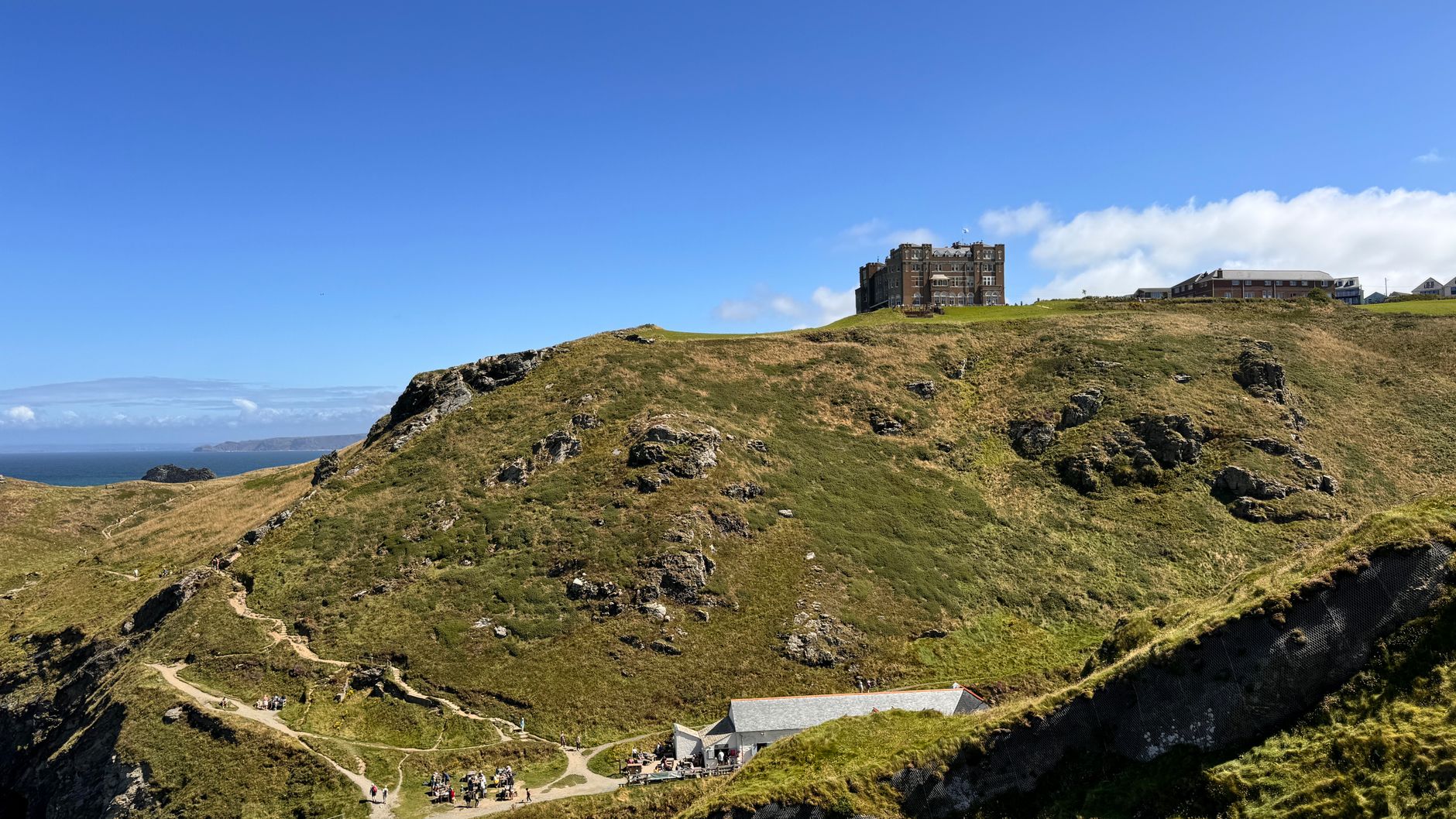
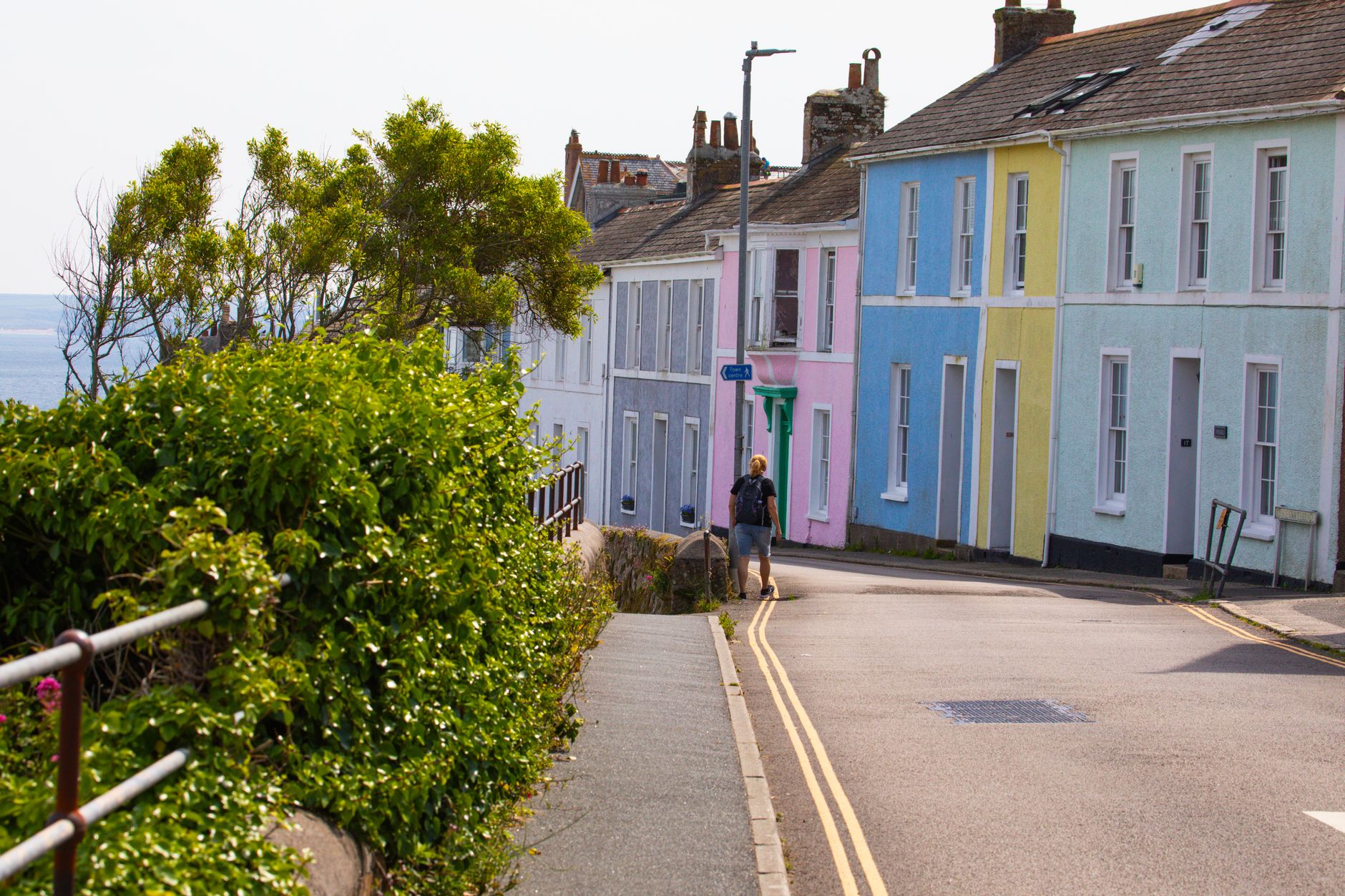
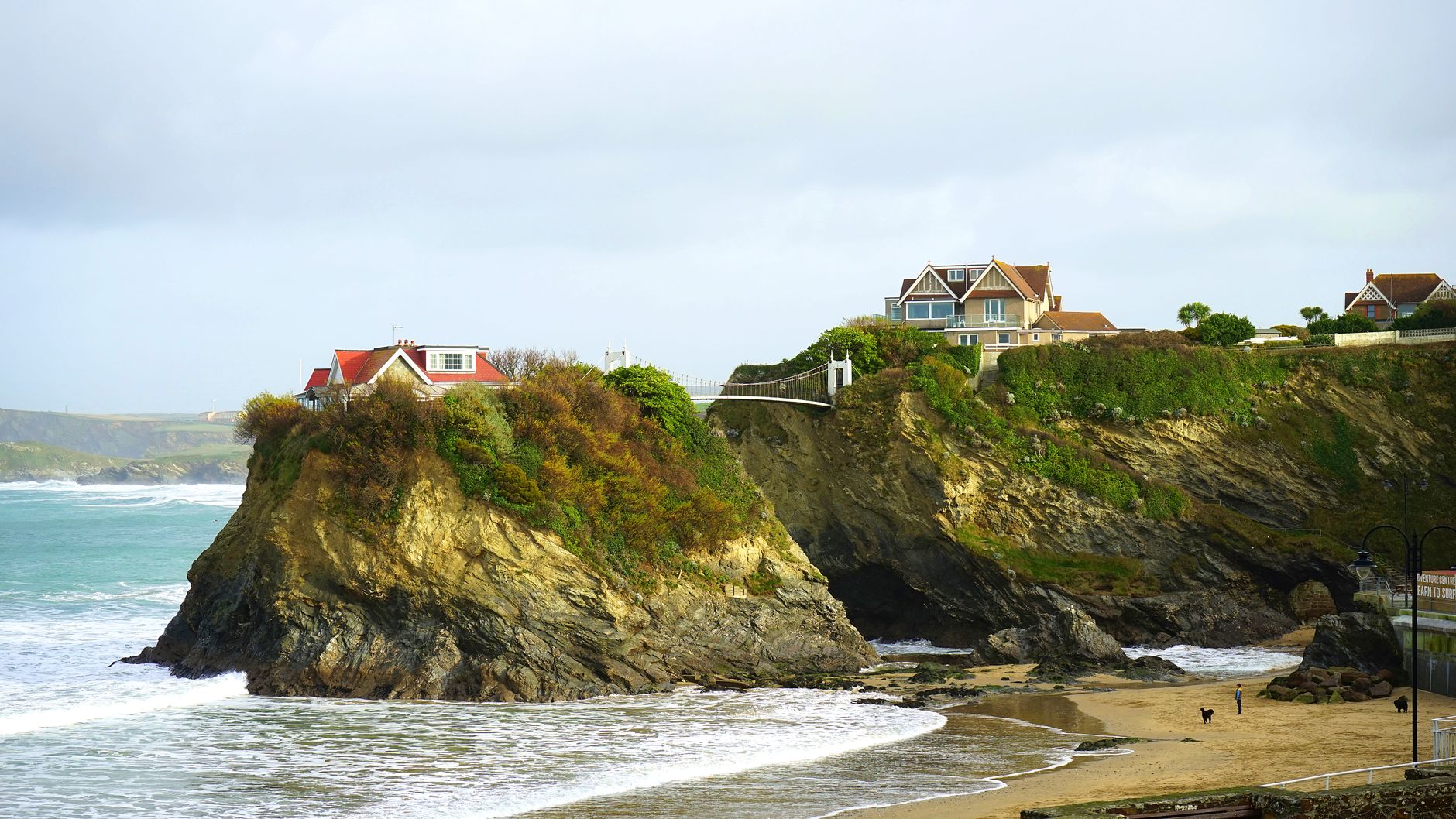
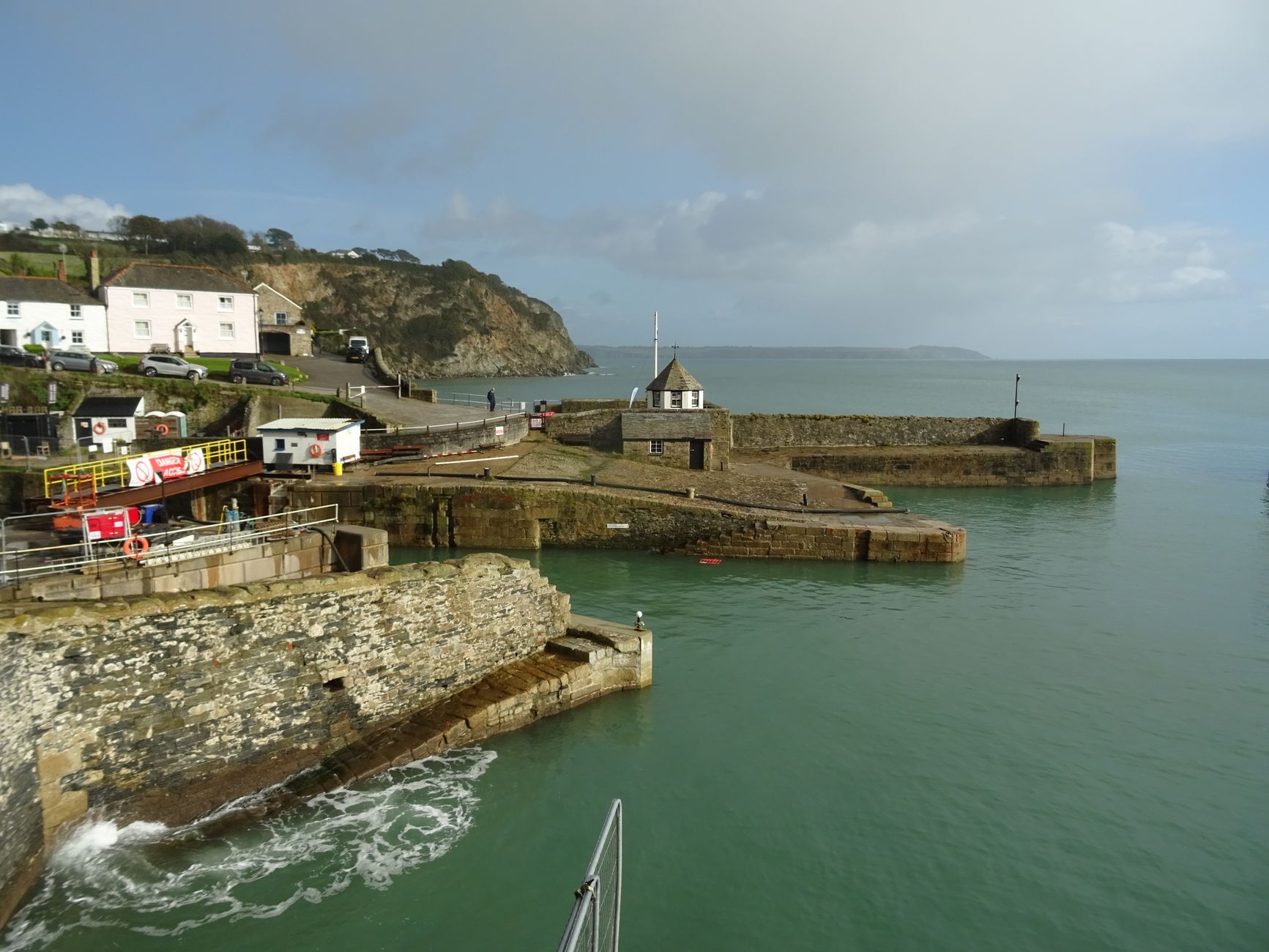
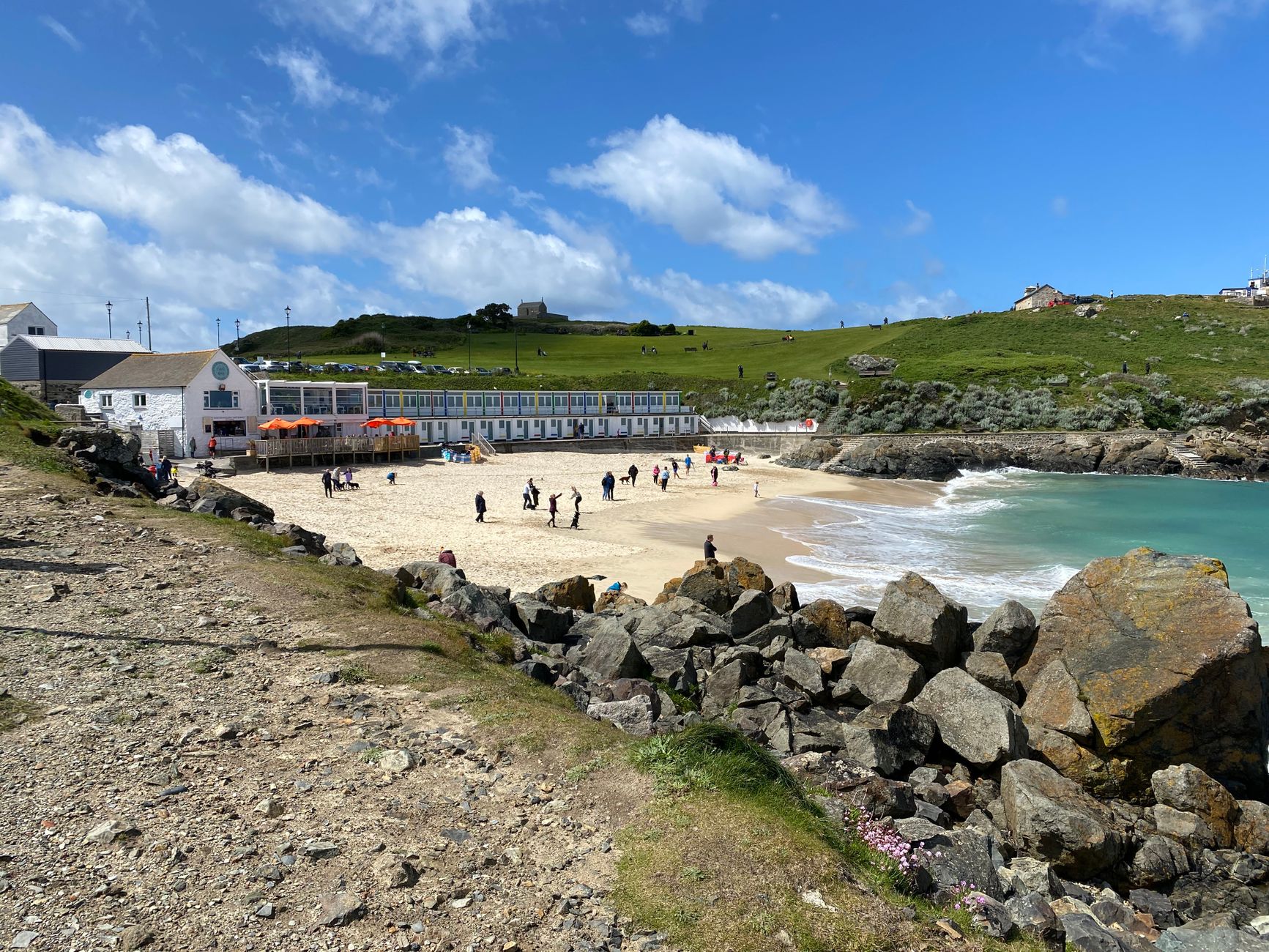
Cornwall ends at the sea — literally. The county tapers to a point at Land's End, and for much of its length the Atlantic is never more than a few miles away. The longest stretch of coastline in England means you can walk the South West Coast Path from Kingsand in the south to Morwenstow in the north and rarely lose sight of water. Inland, Bodmin Moor opens up into something rougher and older: the Bronze Age standing stones at Mên-an-Tol, the granite tors, the Jamaica Inn that Daphne du Maurier turned into myth.
What makes Cornwall feel distinct from the rest of England is partly geological, partly linguistic. The River Tamar forms a near-complete eastern border, and the Cornish identity — Celtic in root, shaped by tin and copper and fishing — runs deep enough that the language, though it lost its last native speaker in the 18th century, is actively being revived.
Popular cities in Cornwall
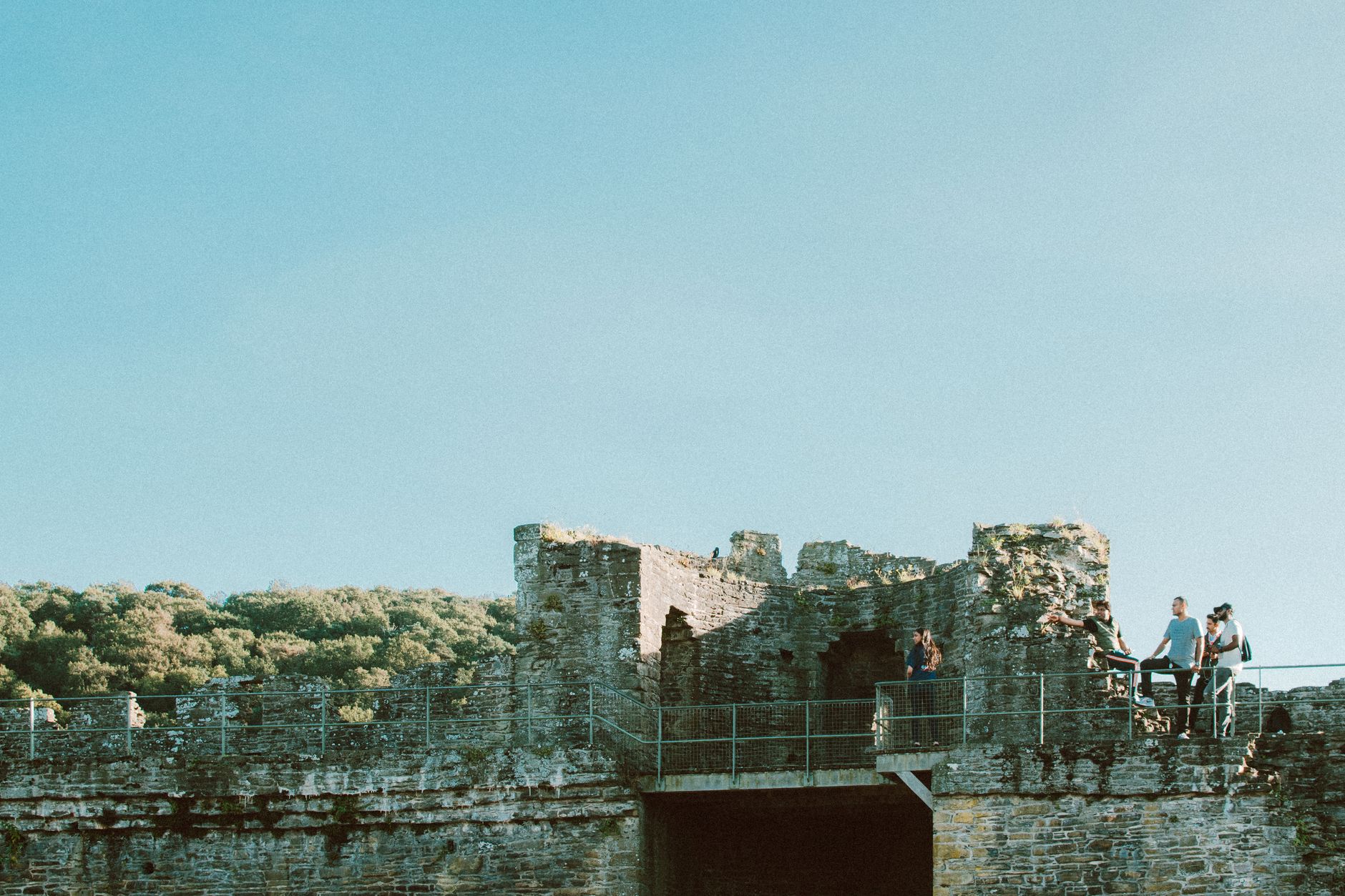
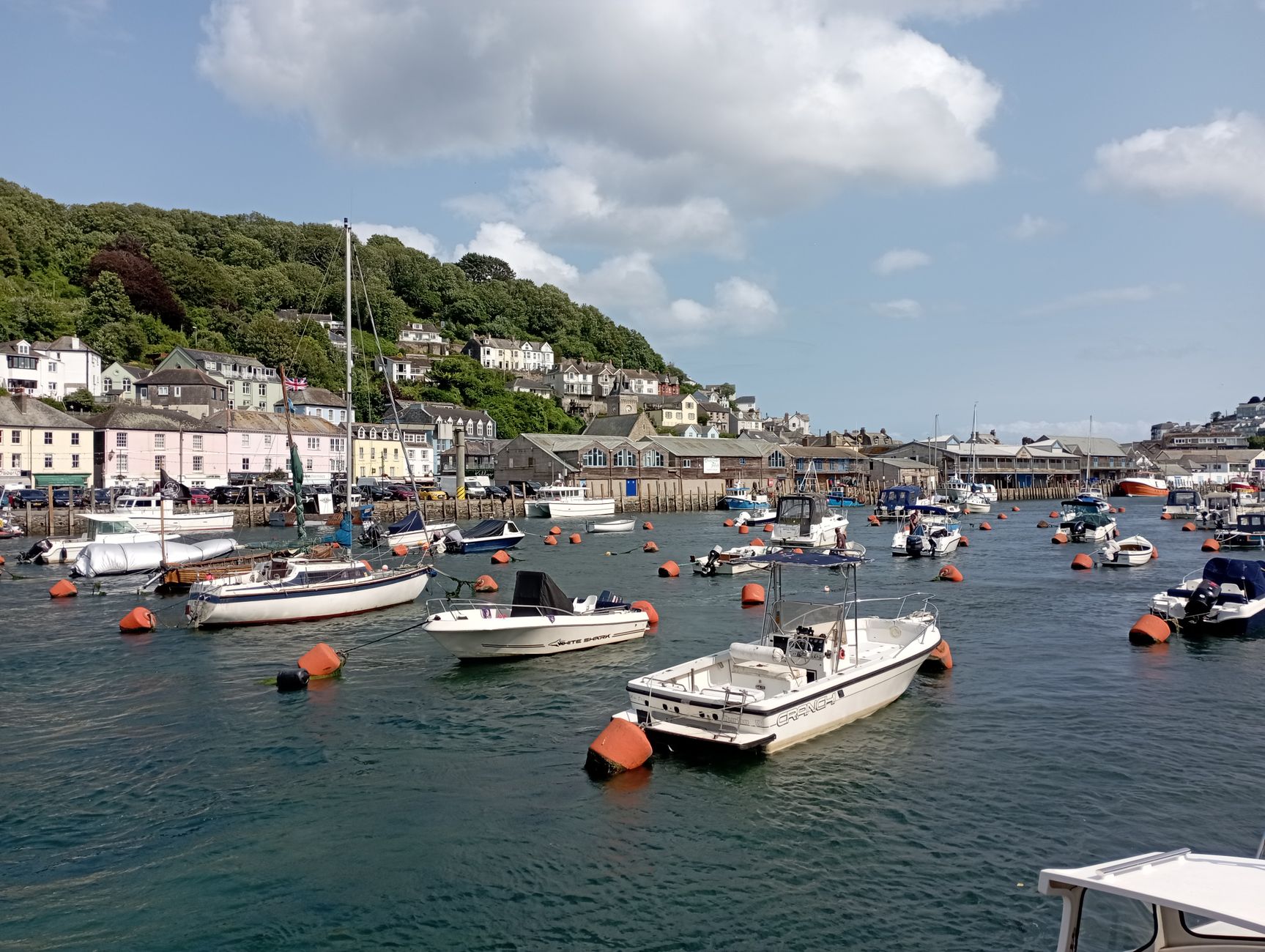
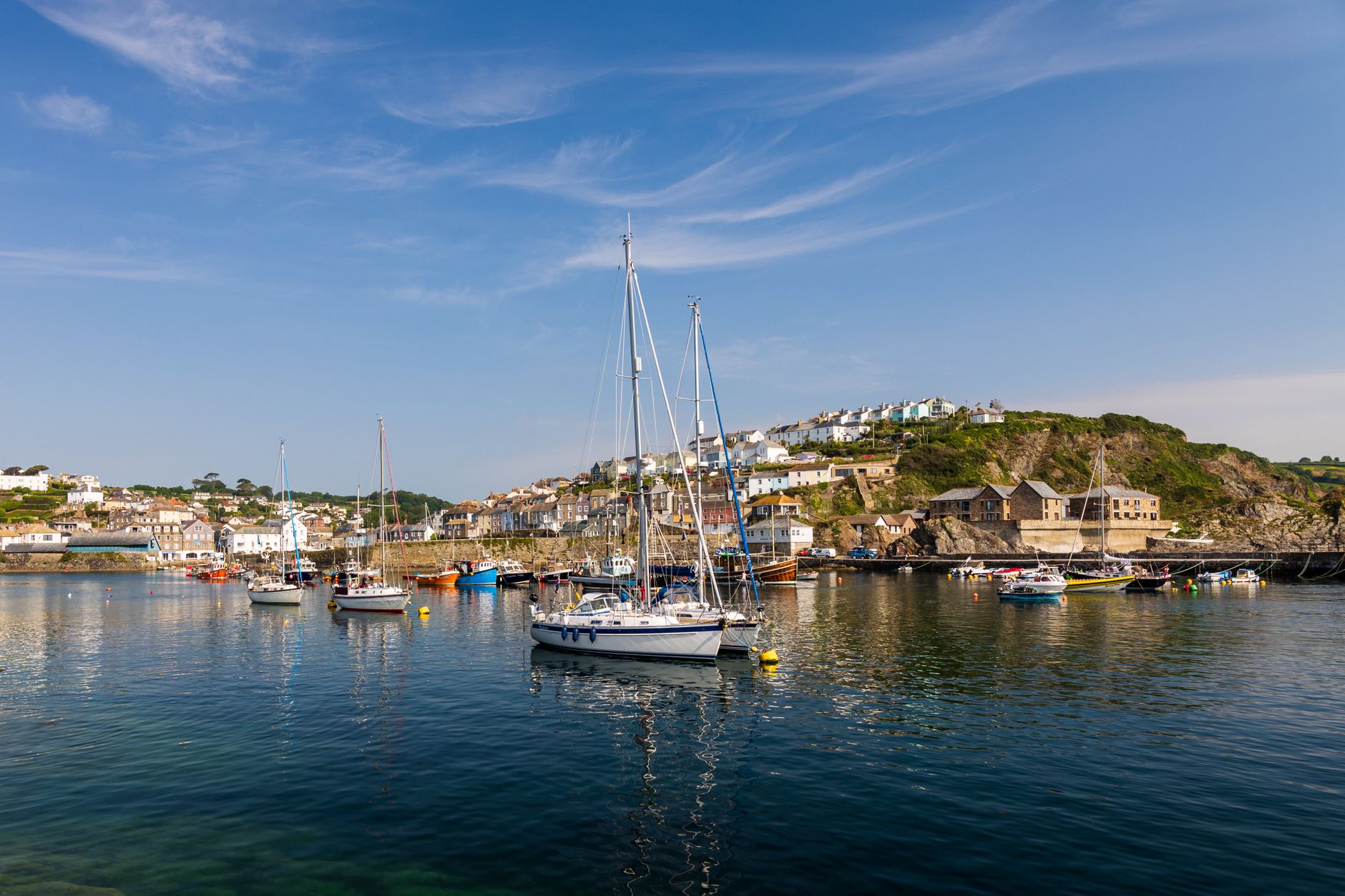
💛 What travellers fall for
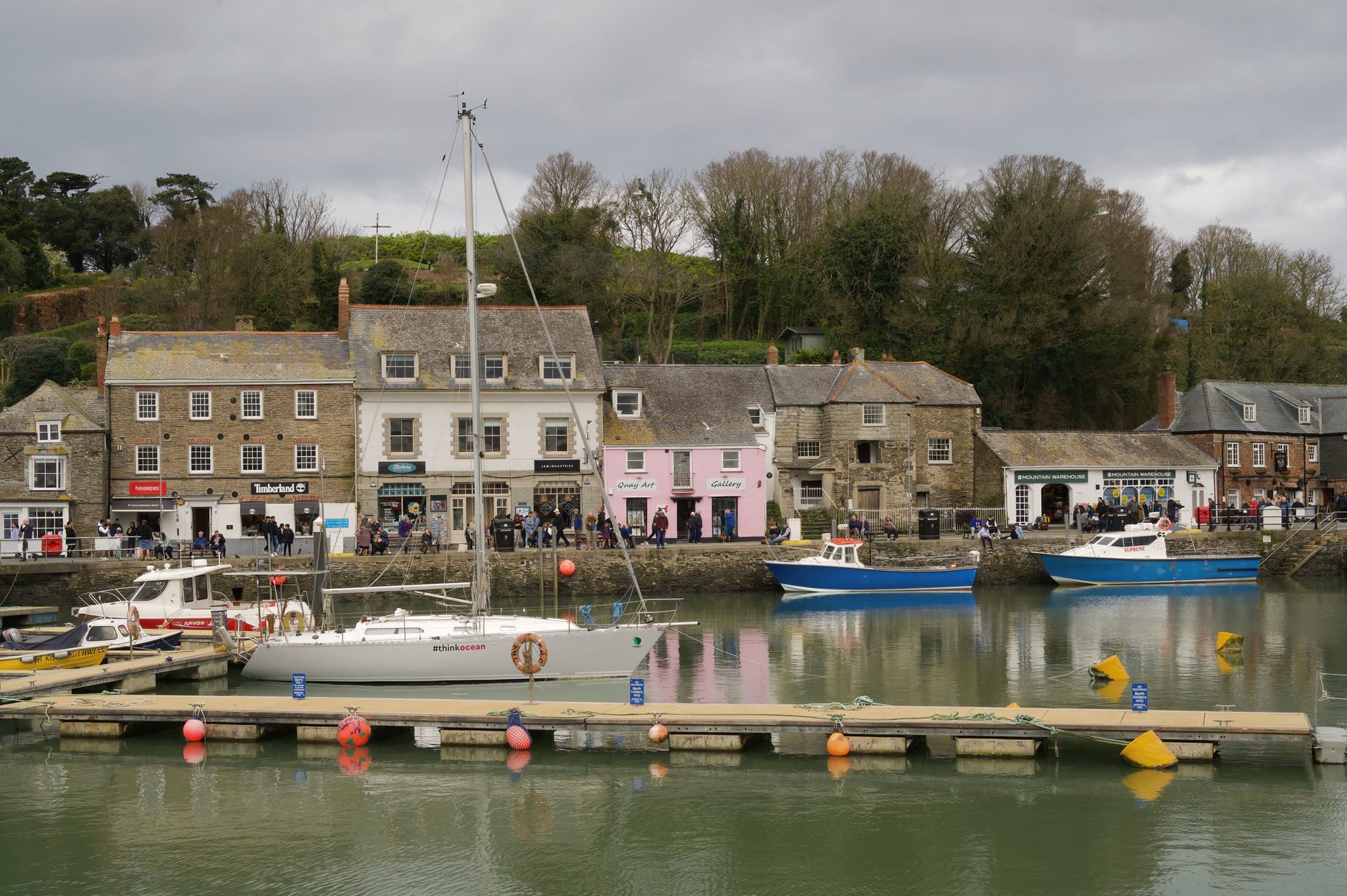
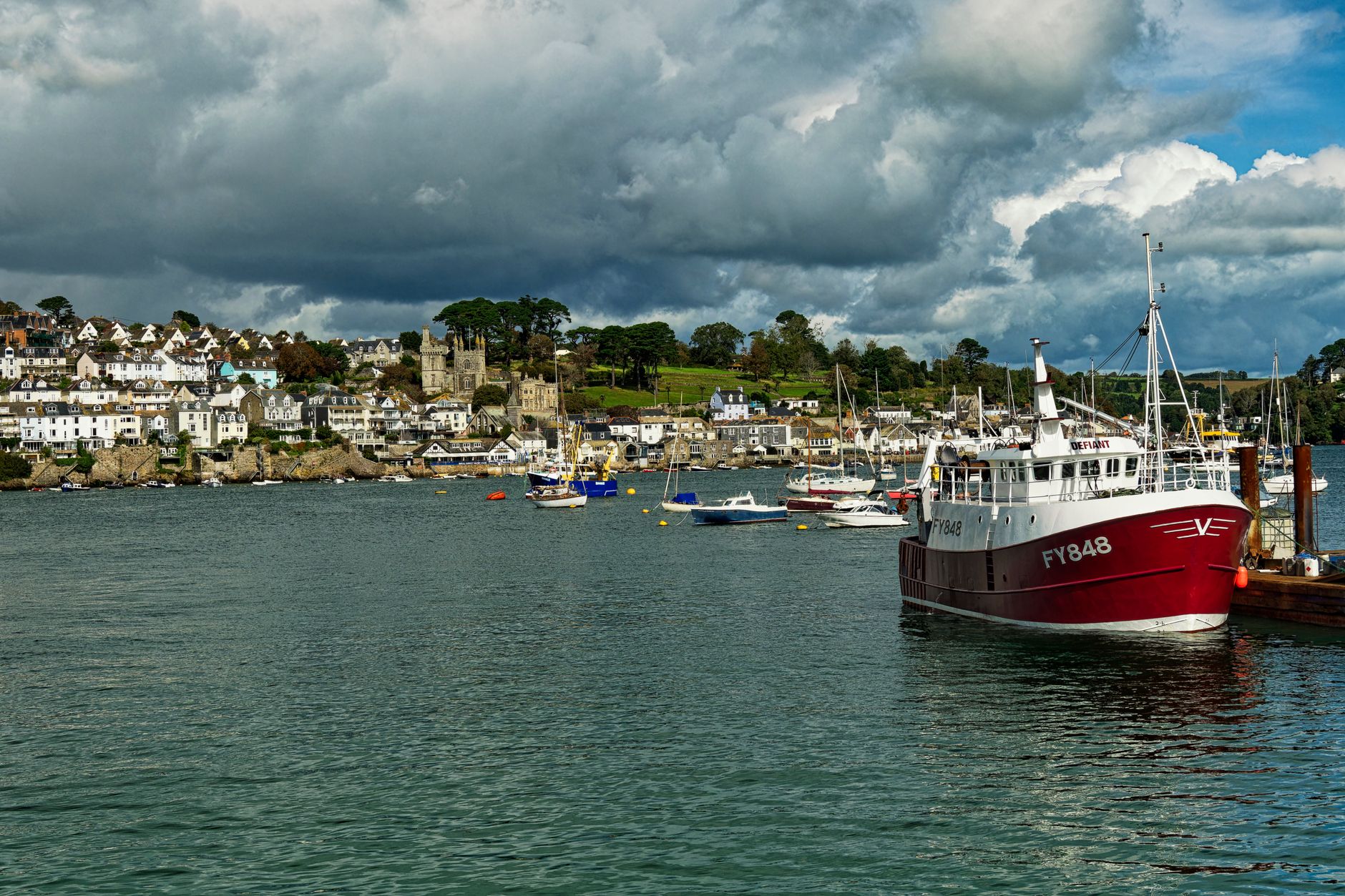
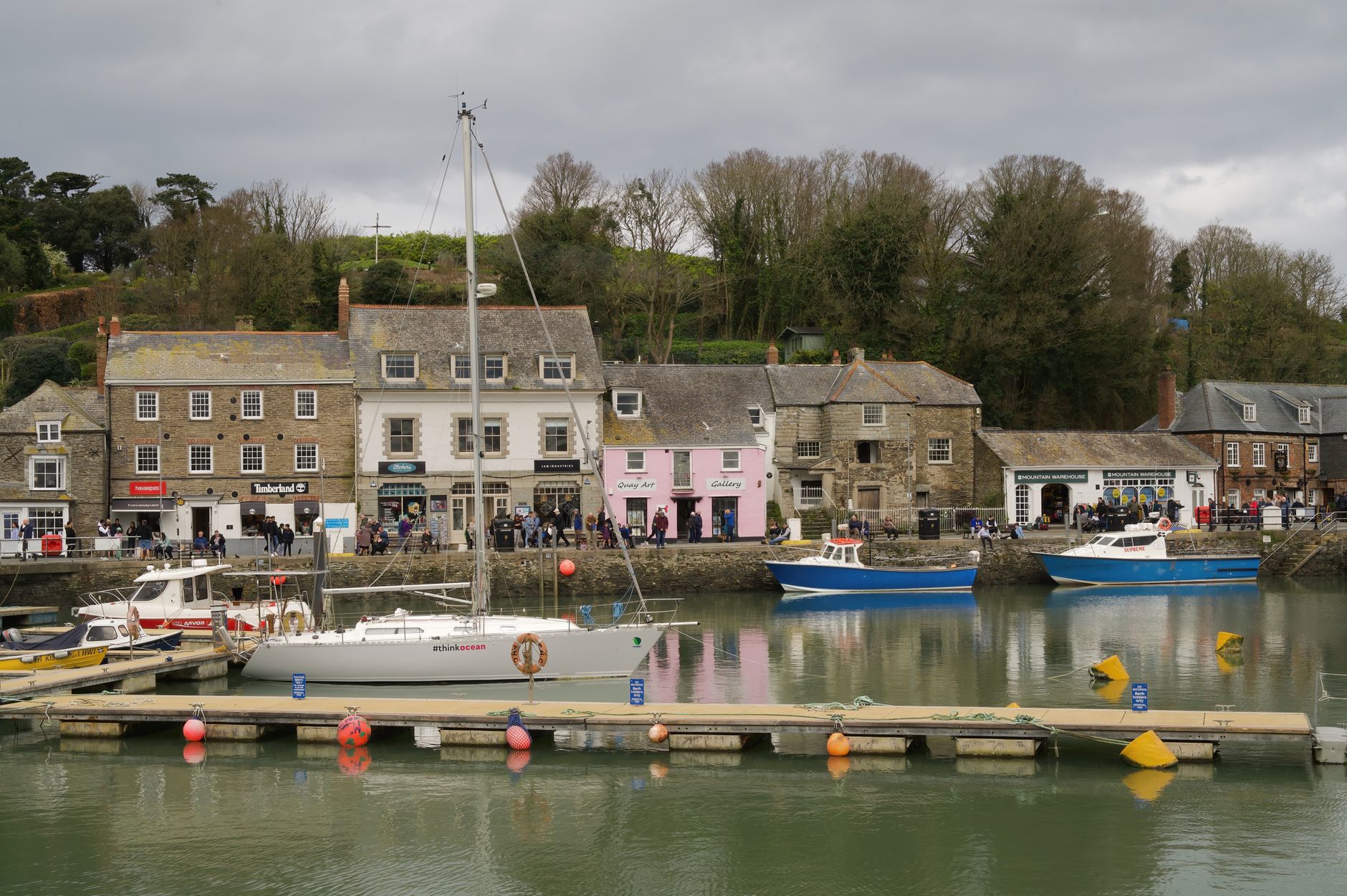
People who keep coming back tend to pick a base and work outward — Padstow for the north coast and Rick Stein's fish, Fowey for the quieter south. The Saints Way trail connects the two through the central hills in a day's walk. Book the Minack Theatre well ahead; performances on that cliff-cut stage sell out fast.
How Cornwall came to be
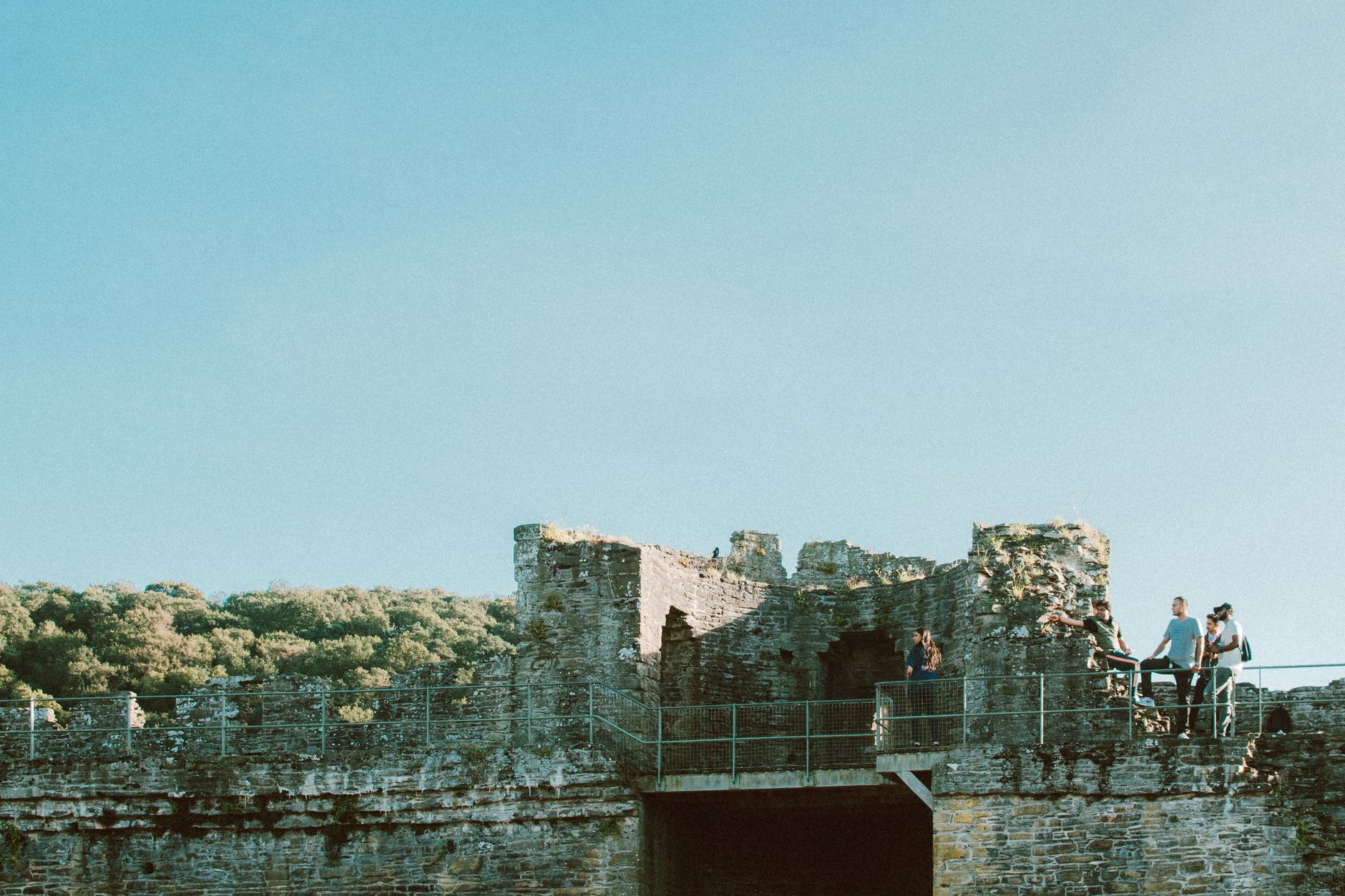
People have been working this land since around 10,000 BC, but it was tin that put Cornwall on the map. By 1600 BCE an export trade was running across Europe, and the Bronze Age left its marks in stone circles and burial mounds still scattered across the moors. The Cornish held out against Saxon expansion longer than most Celtic peoples in Britain — the last recorded battle with Wessex came in 838 AD — before being absorbed into the English kingdom while keeping a distinct identity.
By the 19th century, Cornish mines had grown into some of the largest industrial enterprises in Europe. Richard Trevithick, born here in 1771, developed the high-pressure steam engine that powered them; Humphry Davy, born in Penzance in 1778, went on to isolate sodium and potassium in a London laboratory. The Royal Albert Bridge opened in 1859, finally connecting Cornwall by rail to the rest of England, and the mining era's silhouette — engine houses on sea cliffs, none more iconic than Wheal Coates — became the image the county still carries.
Who and what shaped it
People who shaped it
Landmark buildings
See Cornwall in motion
Plan your visit
On the map
When to go
Cornwall runs mild year-round: winters rarely brutal, summers rarely hot, the Atlantic keeping everything in check between roughly 6°C in February and 17°C at the height of summer. Rain peaks in December, so if you're coming for coast walks rather than surf, May through September gives the longest days and the lightest skies.
Right now
↡ Cities
Background & history adapted from Wikipedia (CC BY-SA) · specs from Wikidata (CC0) · weather from Open-Meteo · map data © OpenStreetMap contributors · photos from Wikimedia Commons / Unsplash with per-image credit. No third-party reviews or social posts reproduced.