
Tintagel
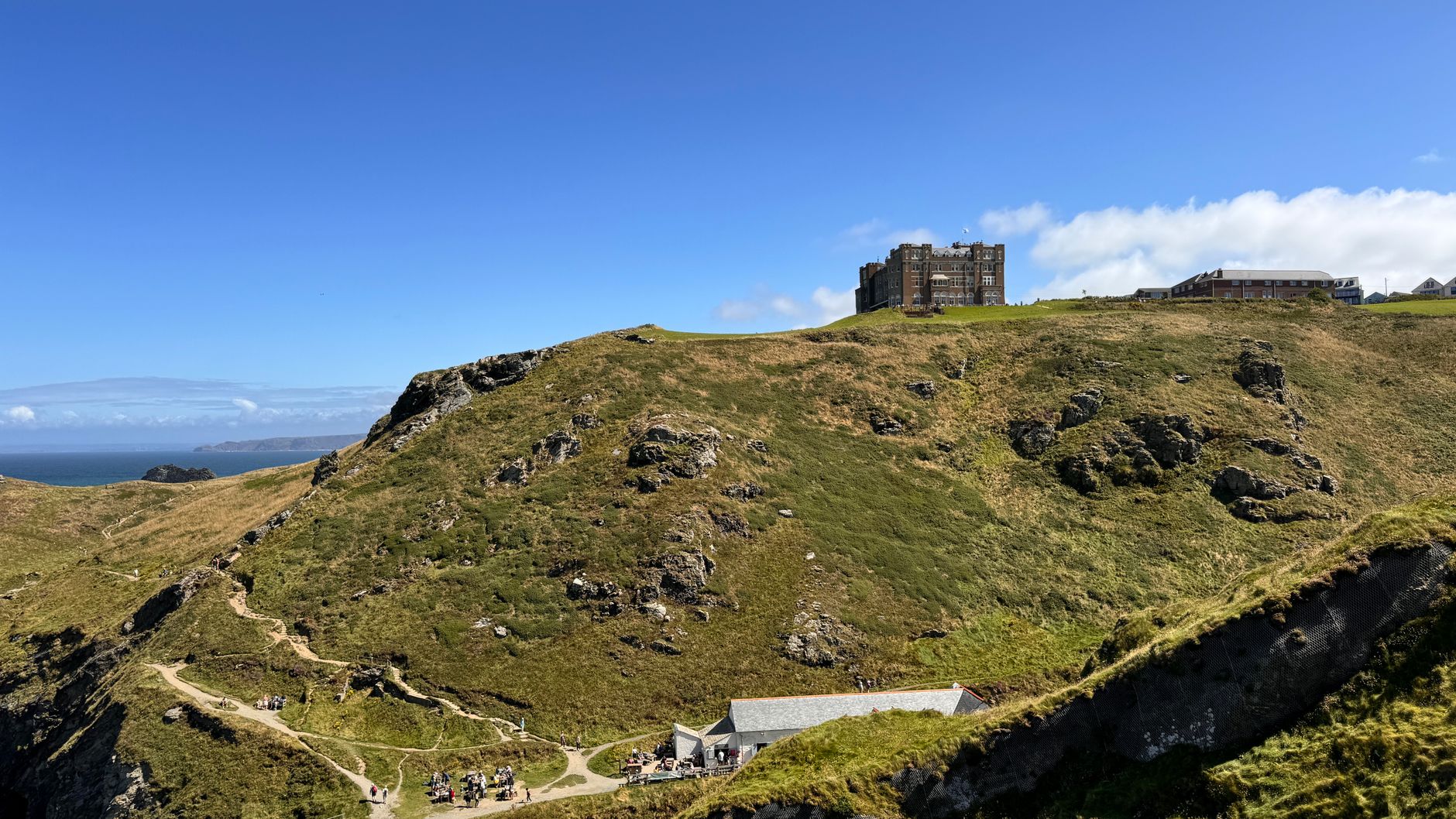
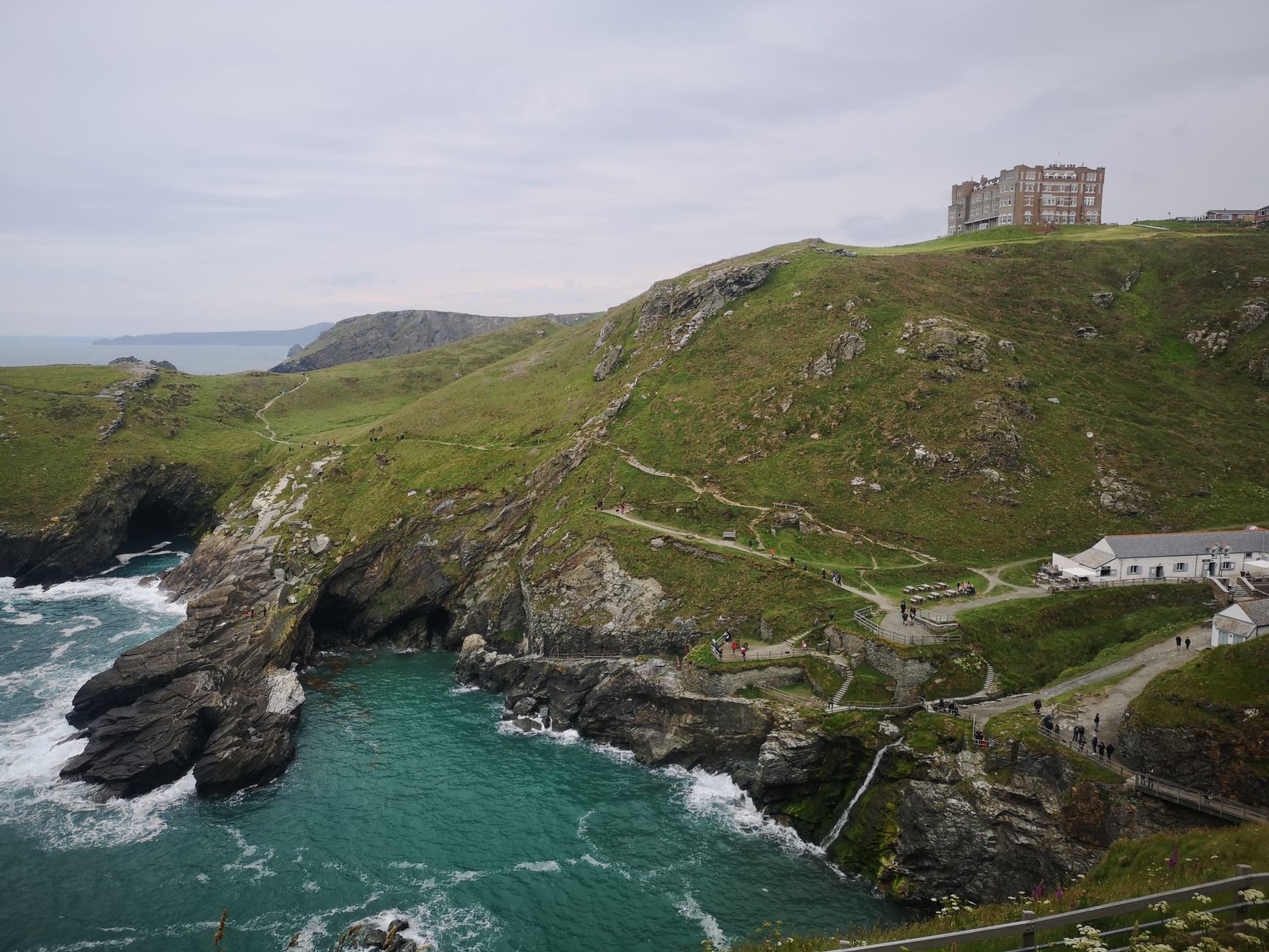
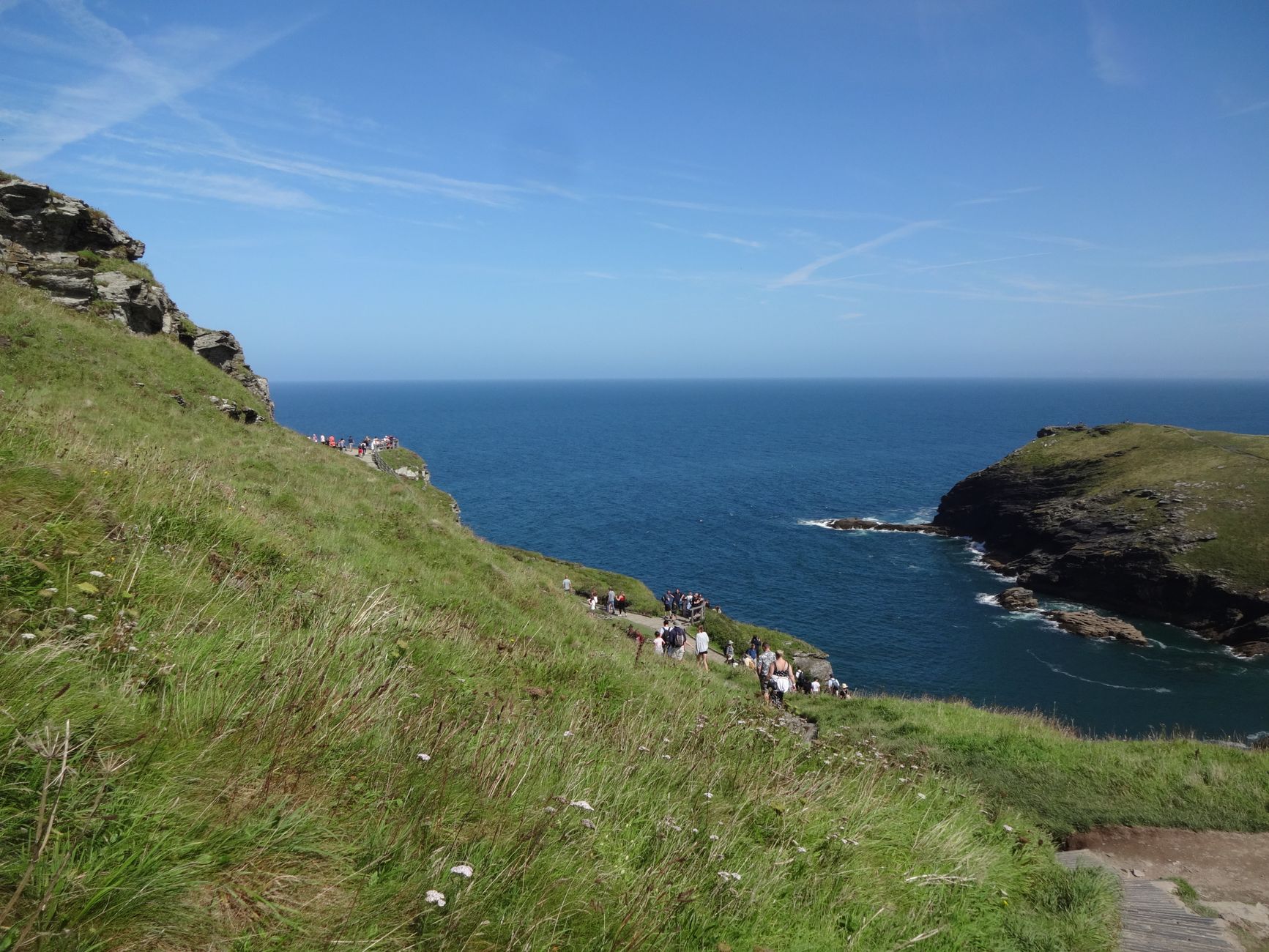
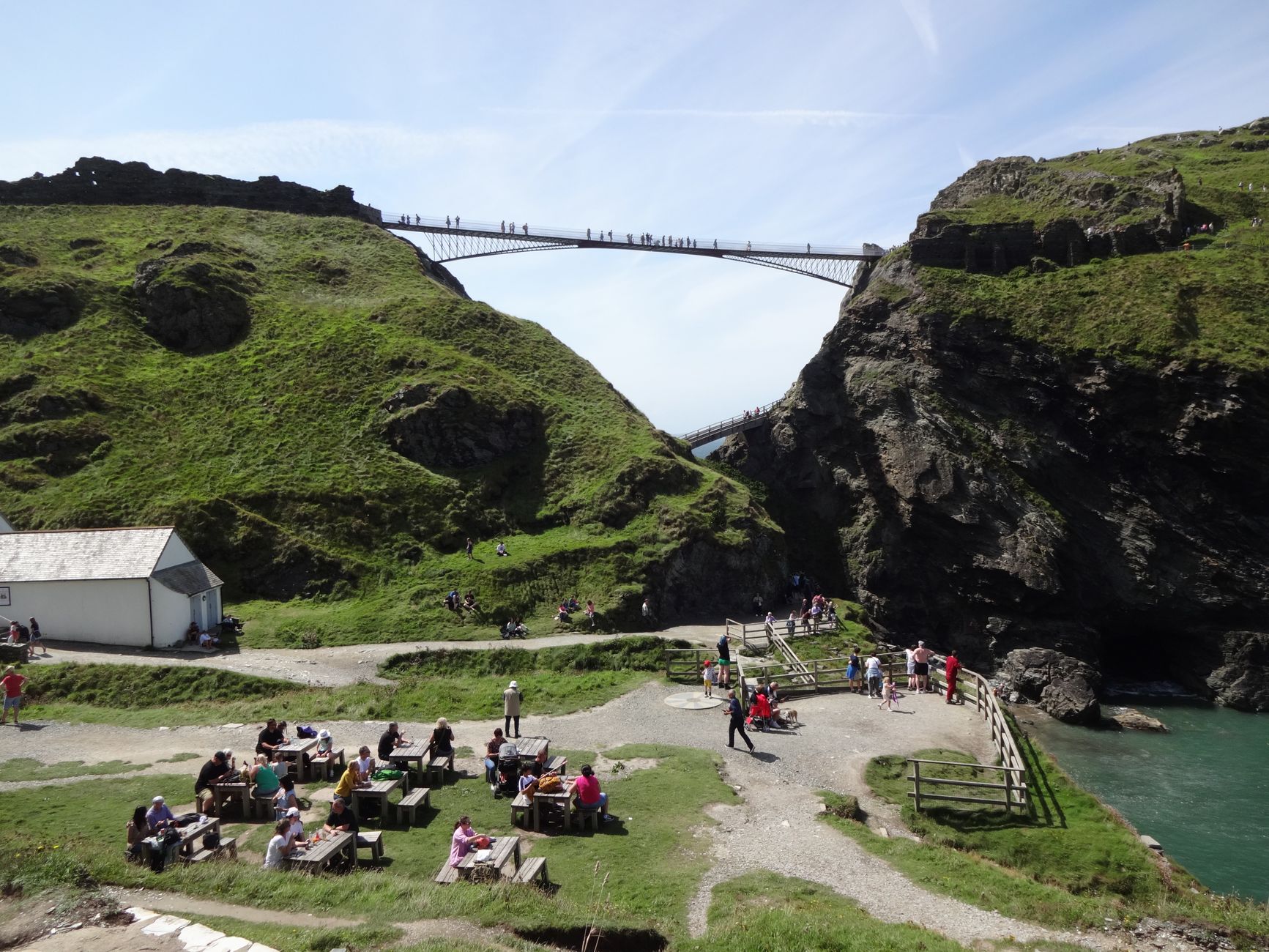
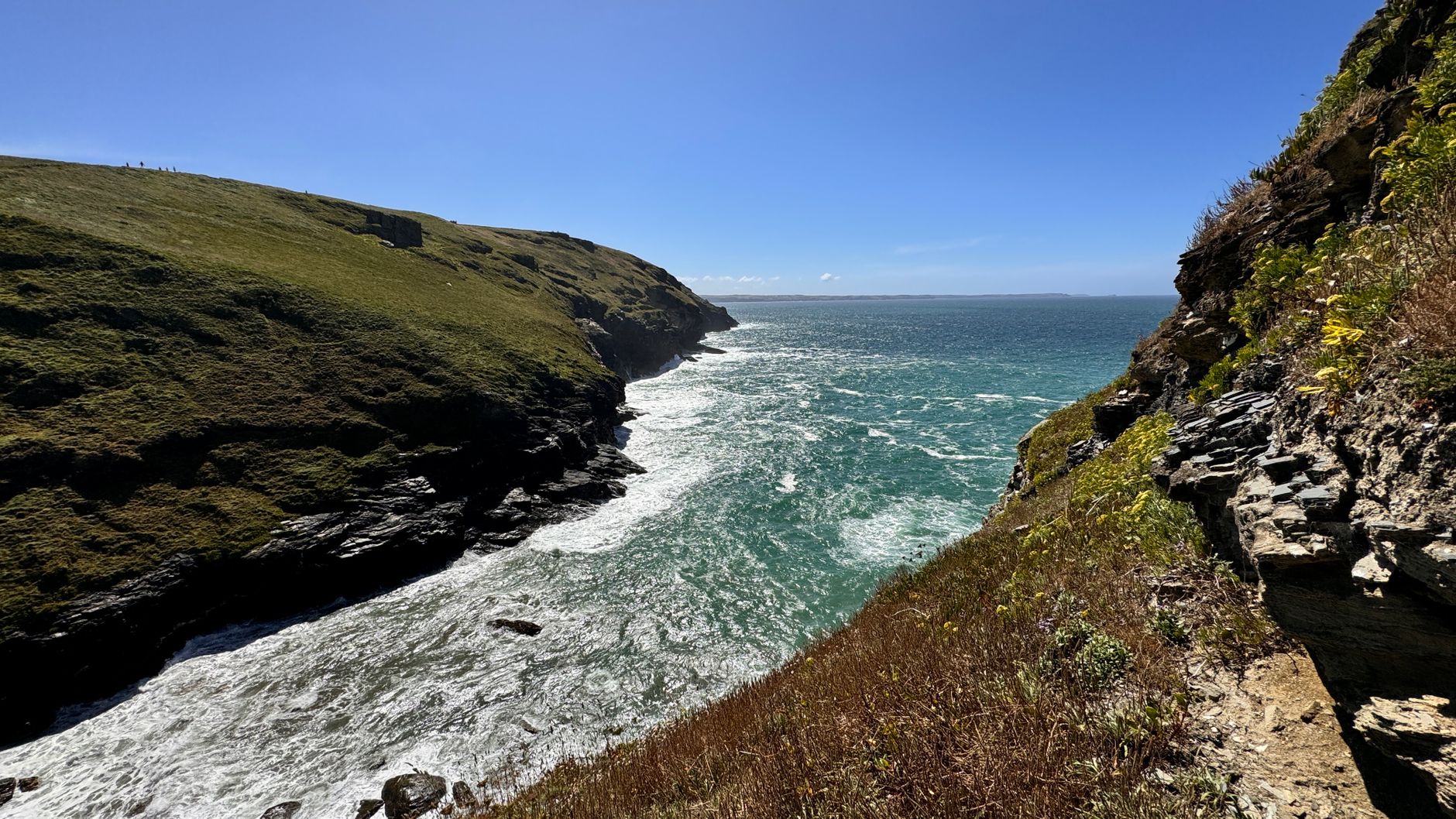
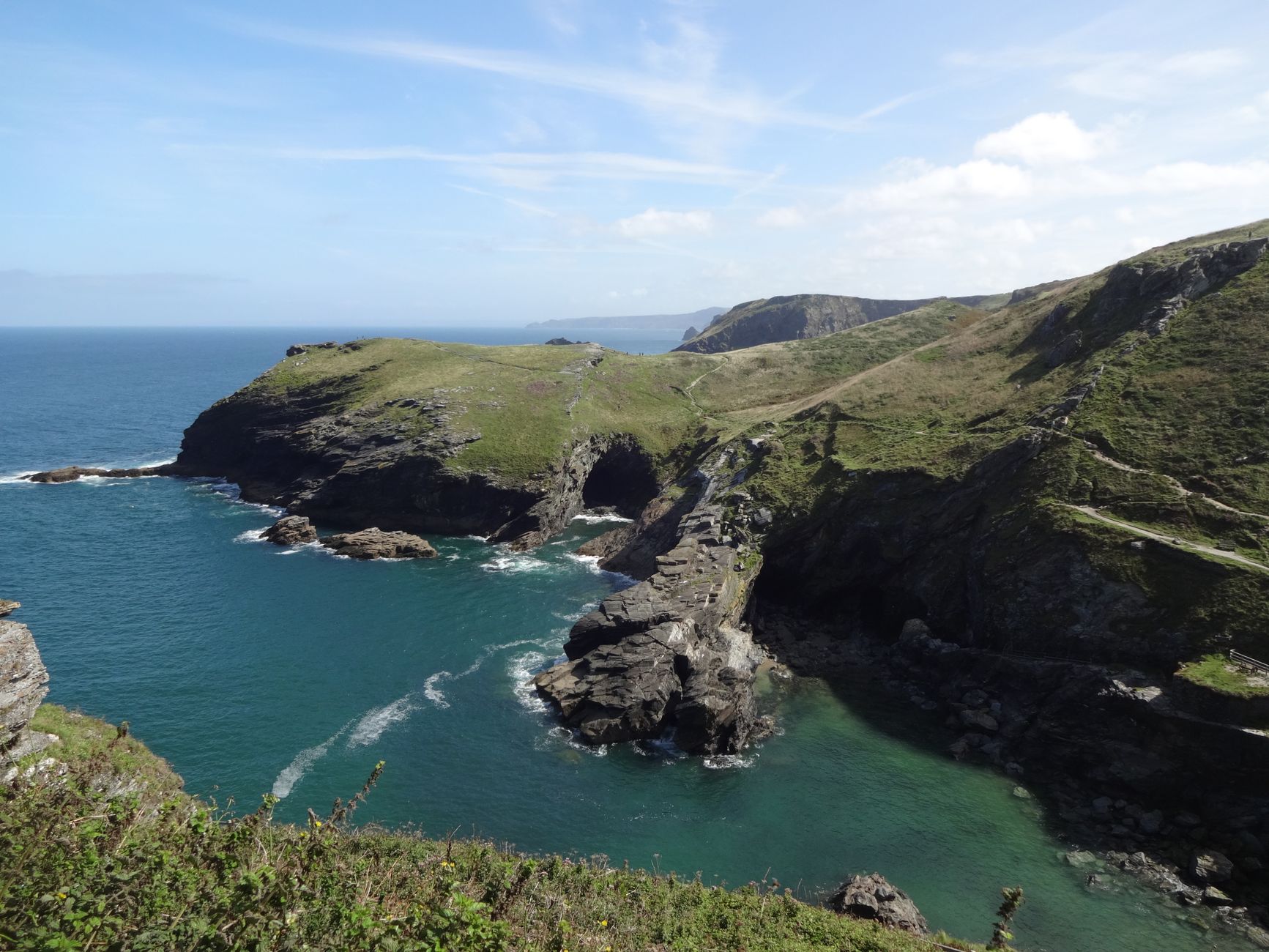
The castle sits split in two — half on the mainland, half on a jagged headland above the Atlantic — and the gap between them tells you everything. For five centuries, the only way across was imagination. Then in 2019, a footbridge of Cornish slate and steel was laid across that void, its two cantilevers meeting with a deliberate 40mm gap, as if the site still refuses to be entirely whole.
Tintagel has carried the weight of the Arthurian legend since Geoffrey of Monmouth wrote it into his 12th-century chronicle. The ruins you walk through, though, belong to a more verifiable story: a 13th-century earl, a decaying great hall, and a headland that was already old when the castle was young.
💛 What travellers fall for
People who come back tend to time the tide. Merlin's Cave, cut through the base of the headland, is only passable at low water — check before you go. They also mention arriving close to opening, before the path from the village fills up, and eating a pasty at the Beach Café rather than driving back into the village hungry.
Deals in Tintagel
Book directly at the provider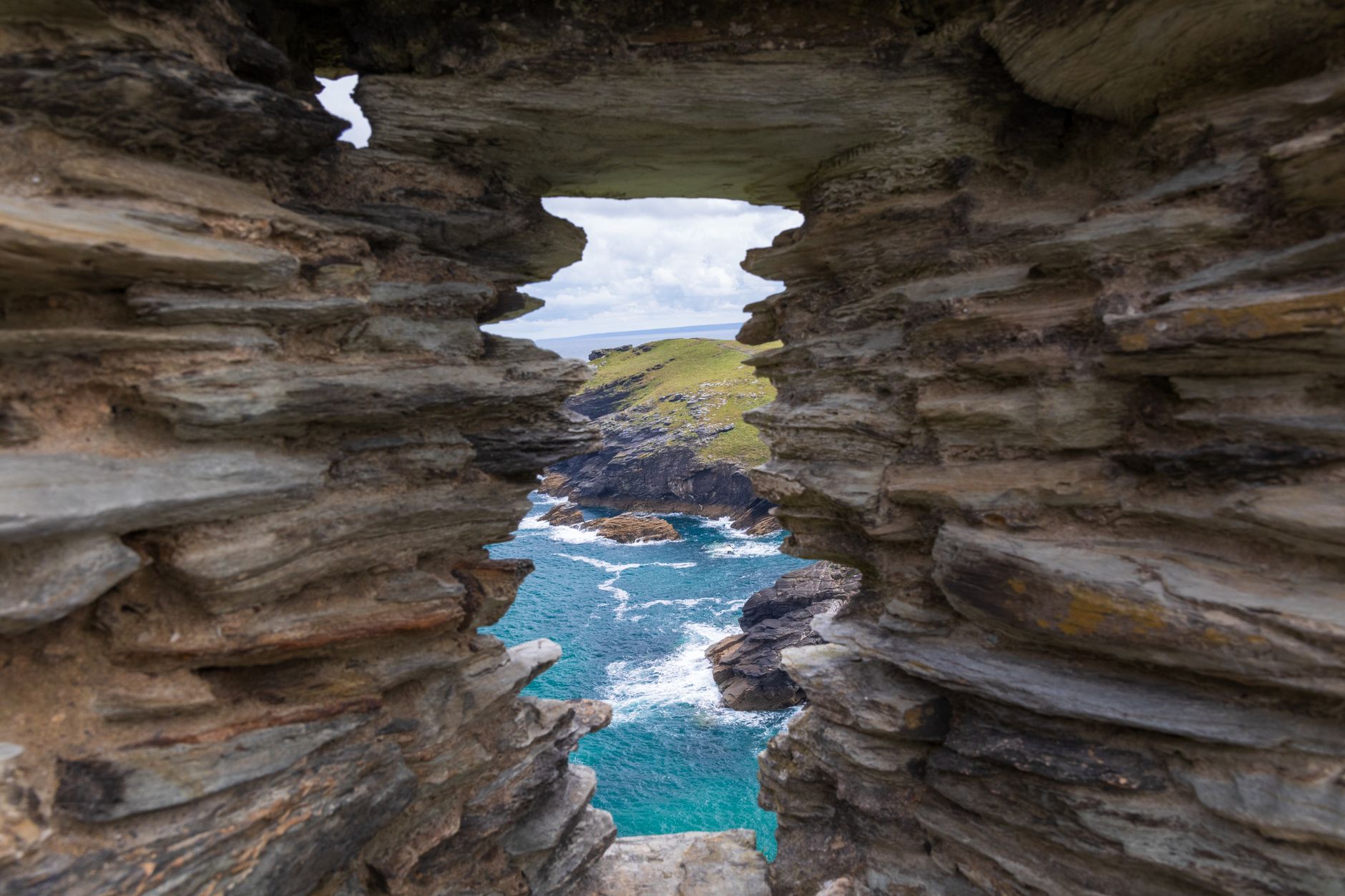

How Tintagel came to be
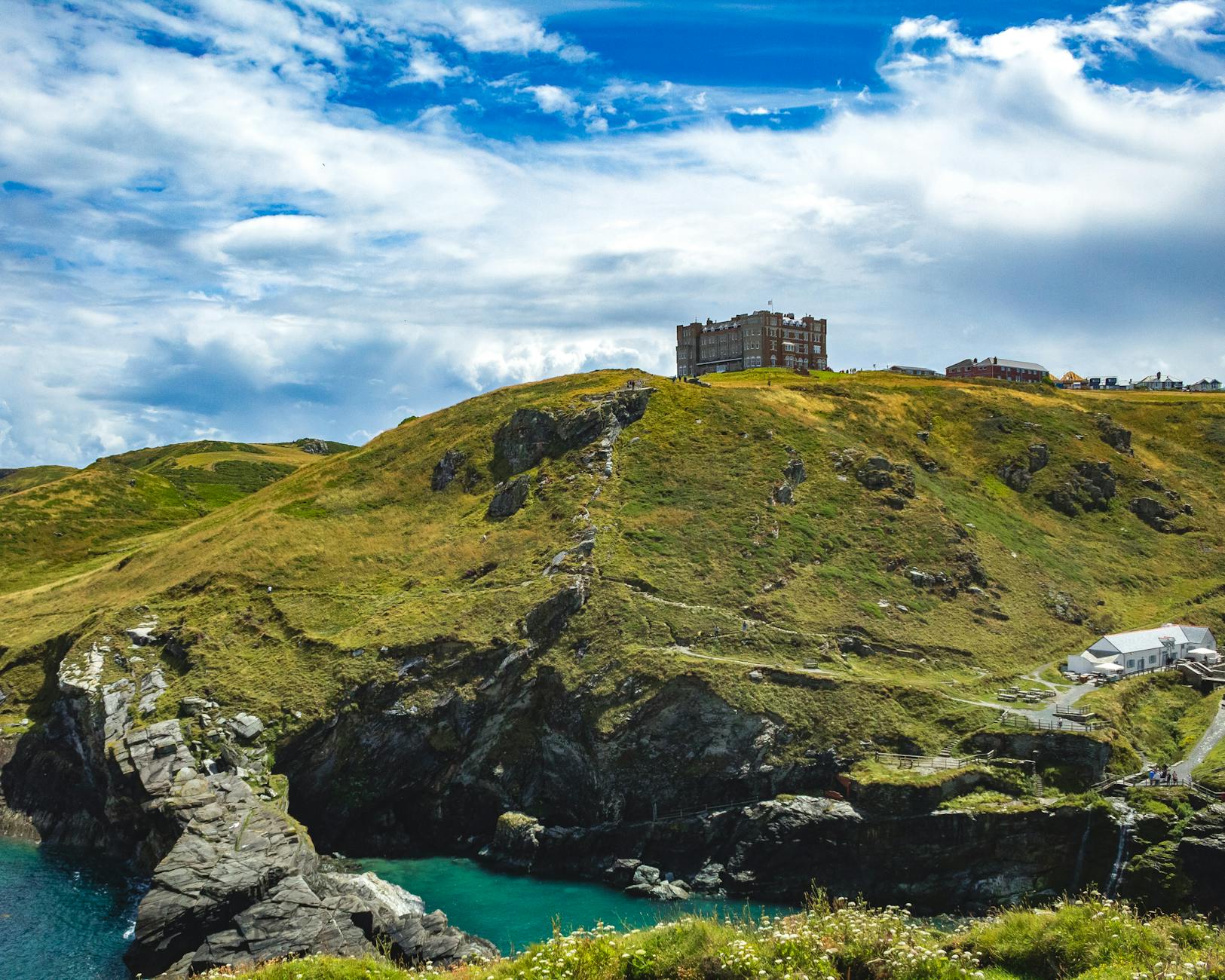
People were living on this headland long before any castle. Between the 5th and 7th centuries it served as a stronghold for Cornish rulers, and archaeology has turned up traces of Mediterranean trade goods — a signal that whoever held this rock was connected to a wider world. Geoffrey of Monmouth fixed it in legend in the 12th century by naming it as the place of Arthur's conception.
The stone ruins you see today were built in the 1230s by Richard, Earl of Cornwall, brother of Henry III. Within a century his Great Hall — once over 80 feet long — was already decaying. Edward of Woodstock, the Black Prince, rebuilt smaller structures on the same ground in the early 1300s. By the 1400s the narrow land-bridge connecting the two halves had collapsed, and the site fell into the long silence that Geoffrey's legend had always suited better than Richard's practical ambitions.
Who and what shaped it
People who shaped it
Landmark buildings
See Tintagel in motion
Plan your visit
On the map
When to go
Summers are mild rather than warm — July peaks around 18°C with Atlantic winds that make layers worth carrying. Winter visits are raw and wet, December being the wettest month, but the drama of the headland in low grey light has its own logic.
Right now
Background & history adapted from Wikipedia (CC BY-SA) · specs from Wikidata (CC0) · weather from Open-Meteo · map data © OpenStreetMap contributors · photos from Wikimedia Commons / Unsplash with per-image credit. No third-party reviews or social posts reproduced.