
Bodmin
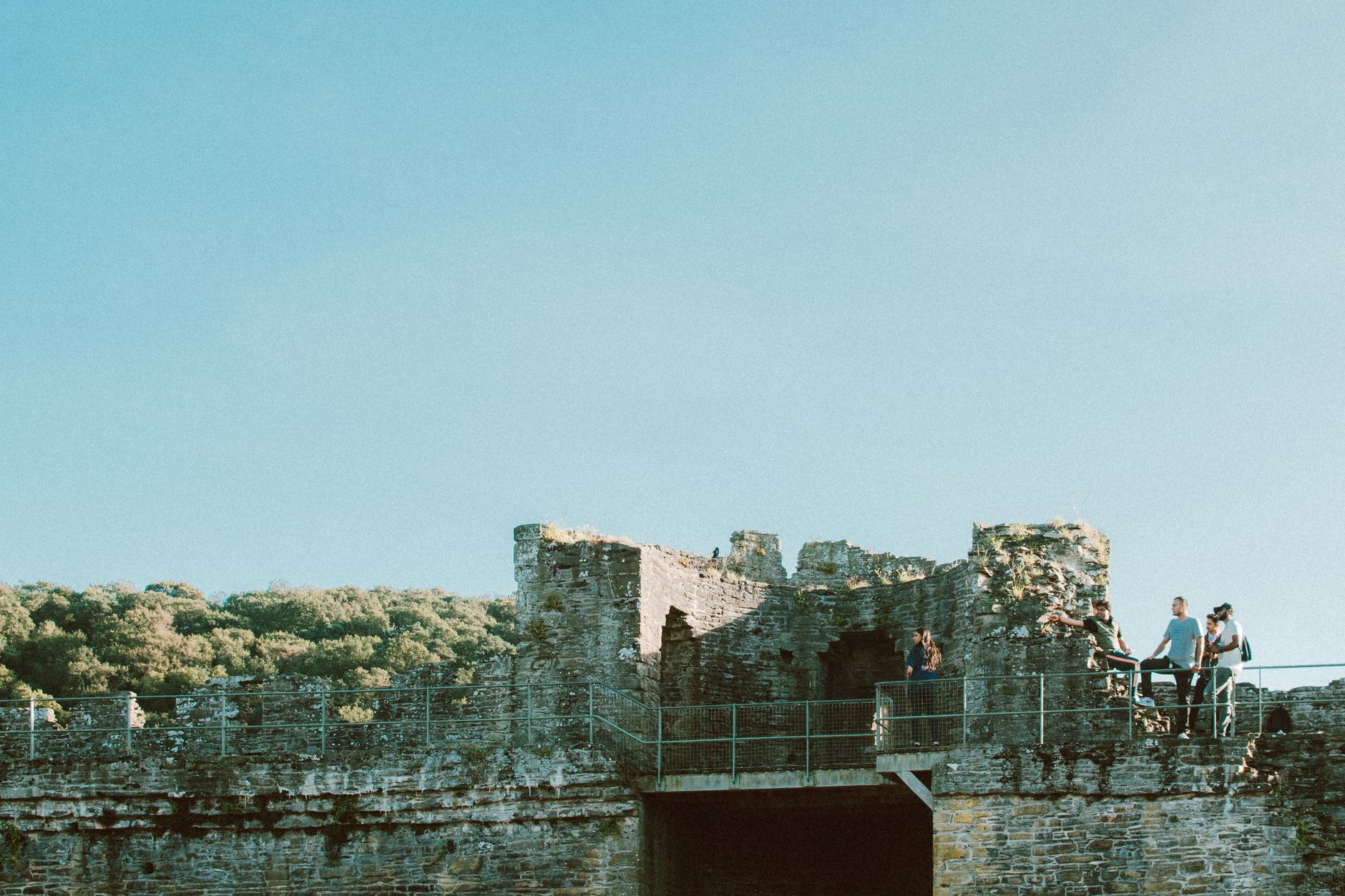
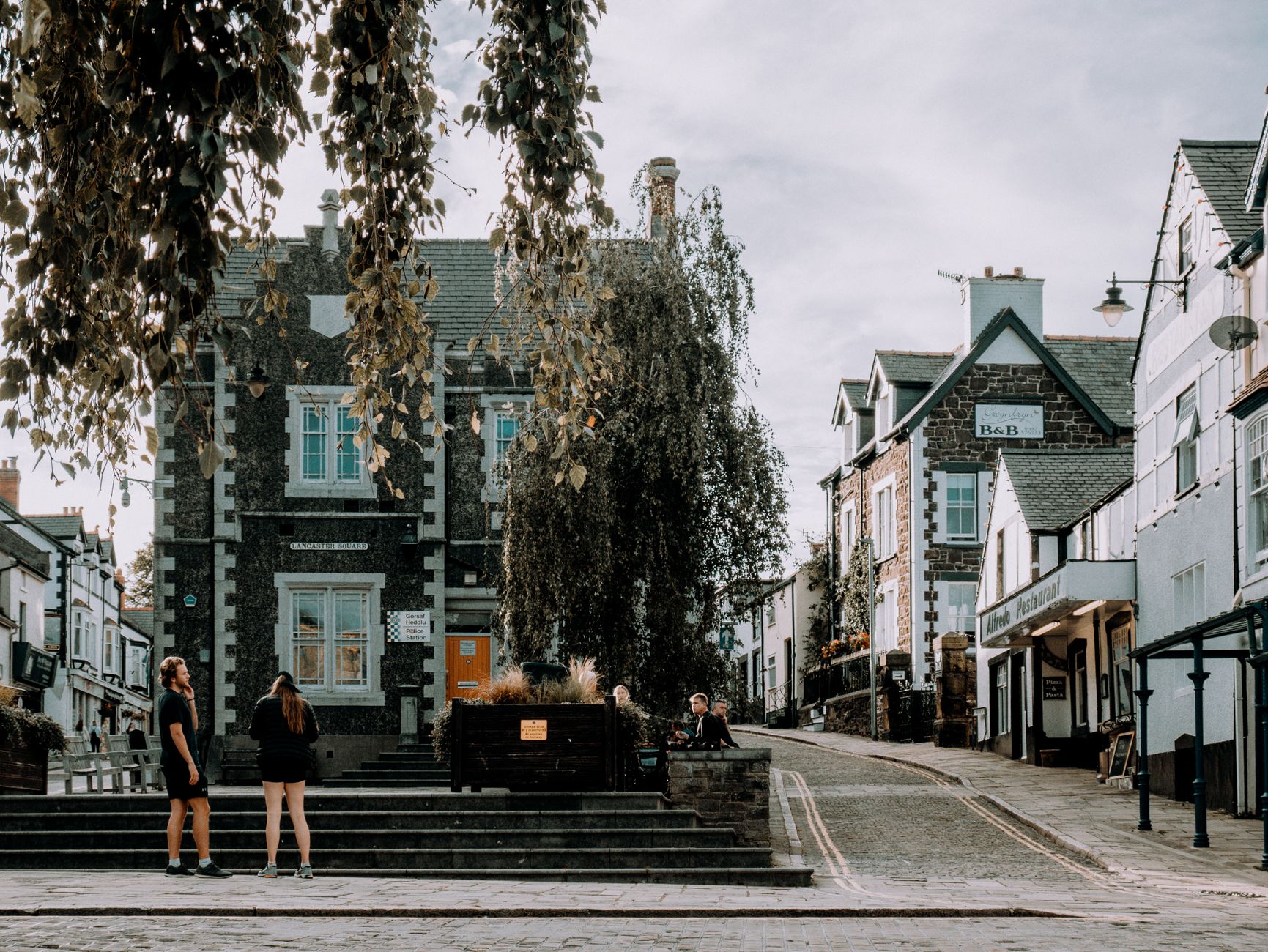
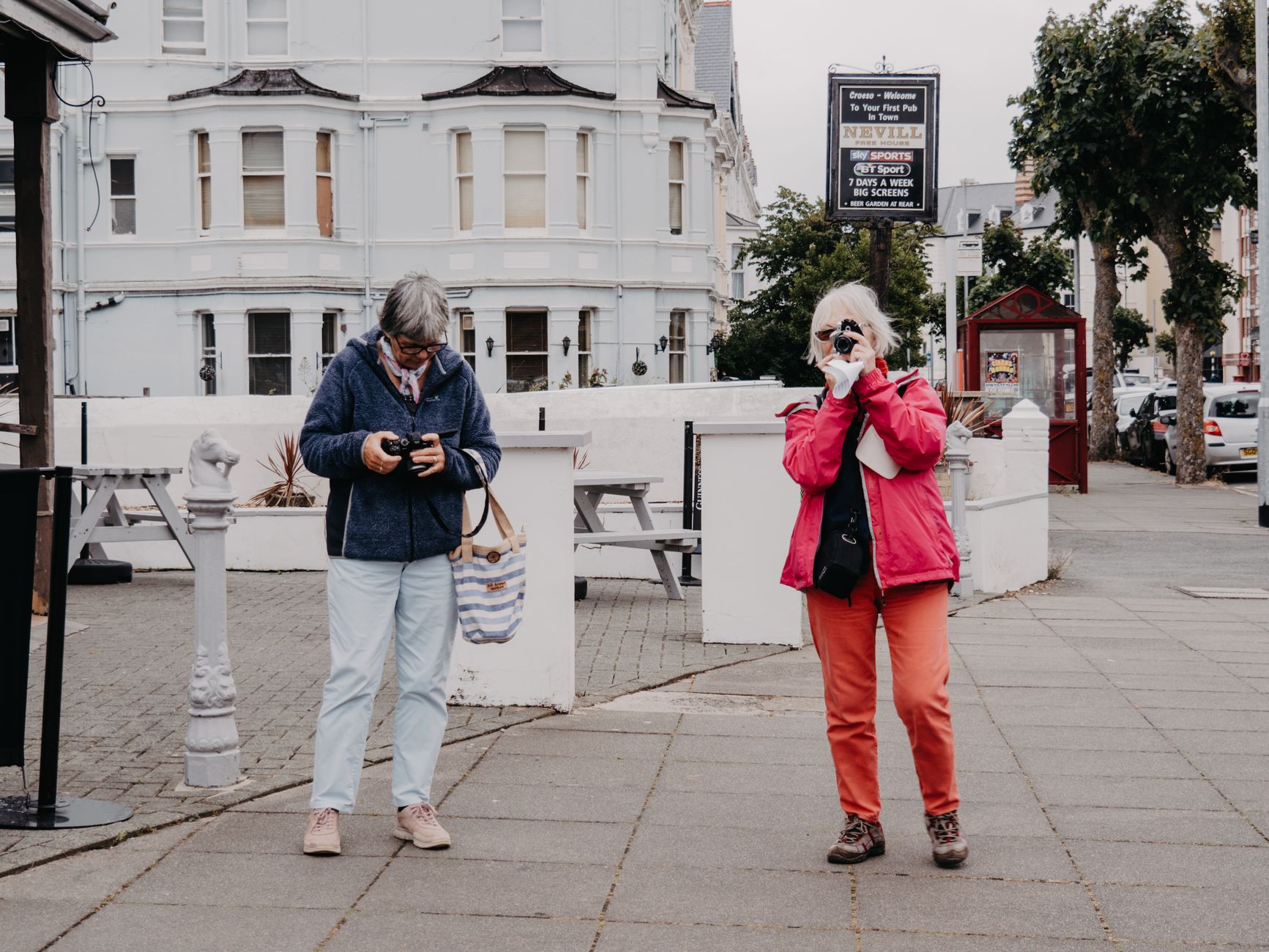
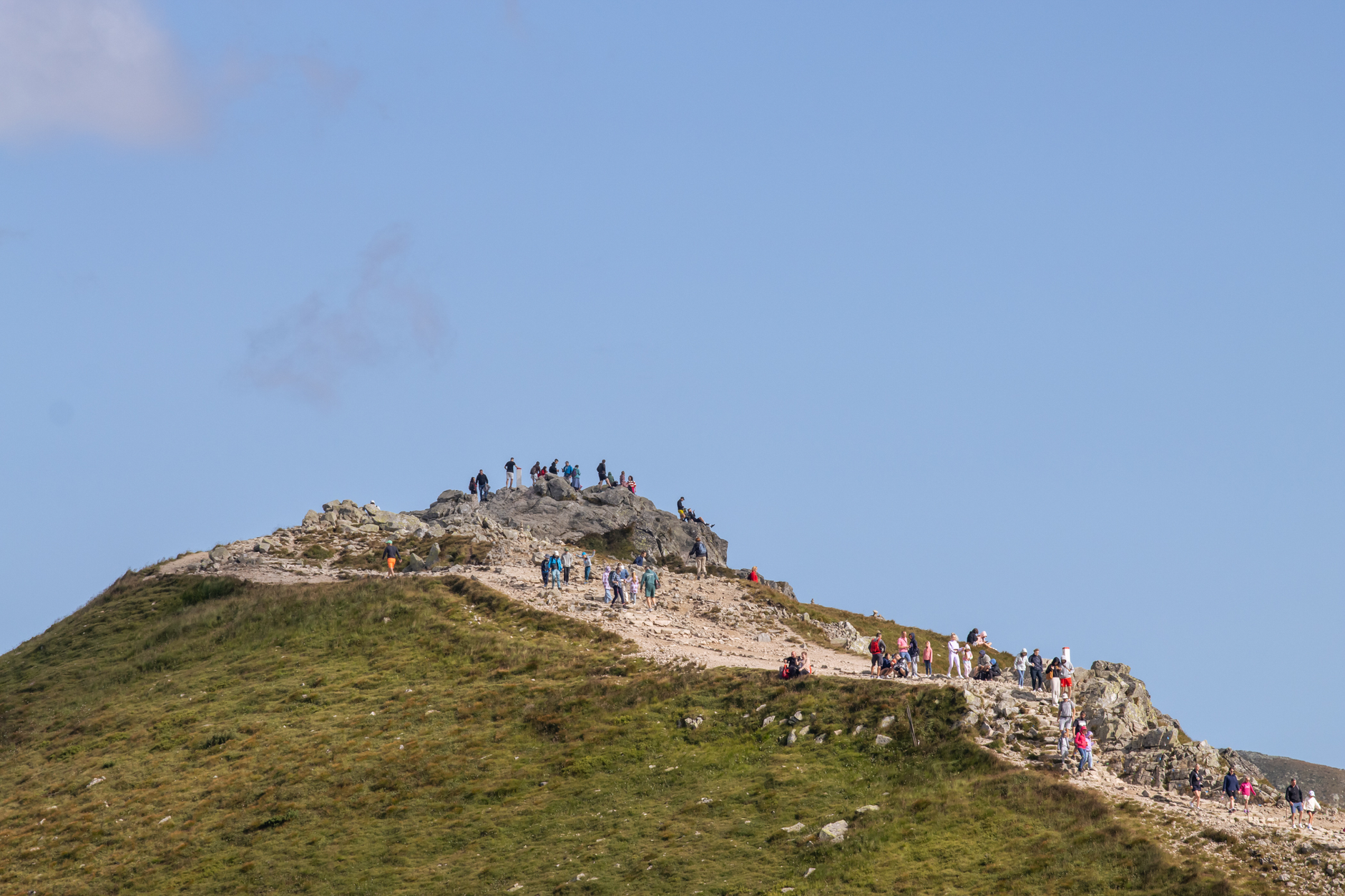


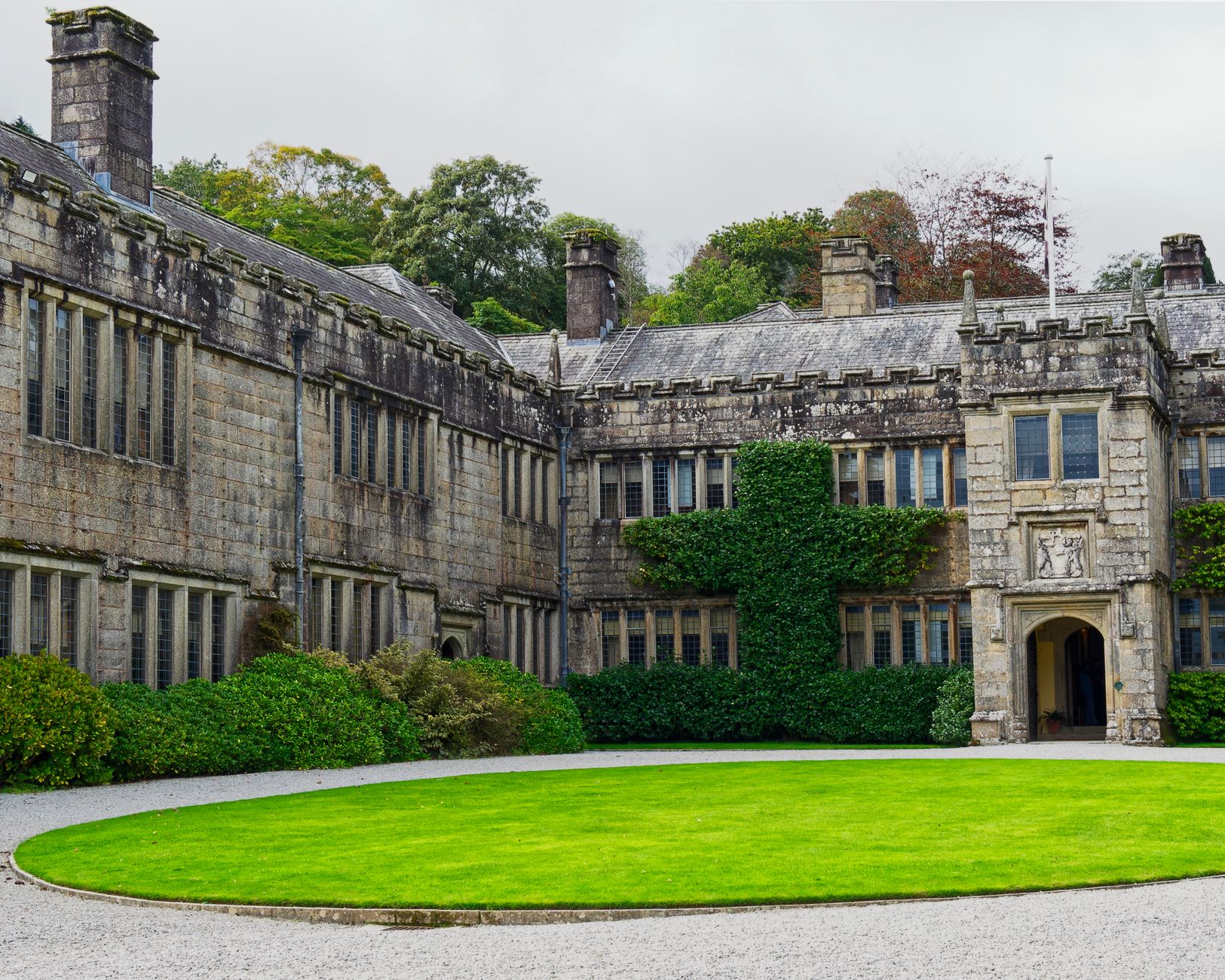
Bodmin sits on the edge of its famous moor with a civic weight that most Cornish towns don't carry. It was the only large Cornish settlement recorded in the Domesday Book, and for centuries the county's courts, jails and regiments anchored themselves here rather than by the sea. That history left a particular kind of architecture — a 15th-century granite church large enough to dwarf its surroundings, a Georgian prison that was the first in Britain to use separate cells, a Regency Shire Hall that still has the posture of somewhere important.
What you find now is a town that wore its county-town status until Truro quietly took it away, and has been working out what it is ever since. The bones of that older identity are still very much standing.
💛 What travellers fall for
People who come back tend to time it for a steam-railway day — catching the train into Bodmin General from the countryside and walking up from there. St Petroc's repays a second look once you know it was funded penny by penny by the townspeople between 1469 and 1472. The Jail is best done without children in tow.
Experiences you don't want to miss



Deals in Bodmin
Book directly at the providerHow Bodmin came to be
A monk named Guron settled here first, then St Petroc arrived from Padstow in the 6th century and established a monastery on the same ground. That founding gave Bodmin a religious gravity it held for centuries — the church rebuilt between 1469 and 1472 by townspeople's donations is still one of Cornwall's largest. The Domesday Book recorded the settlement in 1086, and by 1285 Edward I had made it a borough.
For most of its post-medieval life Bodmin was Cornwall's administrative capital in all but name — the county jail opened in 1778, the Shire Hall followed in 1837-38, and in 1838 the main courts formally moved here from Launceston. The county council chose Truro over Bodmin in 1889, and the courthouse followed in 1988, leaving a town full of institutions built for a status that had drifted westward.
Who and what shaped it
People who shaped it
Landmark buildings
See Bodmin in motion
Plan your visit
On the map
When to go
Bodmin runs cool and windy through much of the year, with average highs around 10°C in February and 20°C in August — May and July offer the best combination of warmth and sunshine. Winters are long and wet, and the wind off the moor is real.
Right now
Background & history adapted from Wikipedia (CC BY-SA) · specs from Wikidata (CC0) · weather from Open-Meteo · map data © OpenStreetMap contributors · photos from Wikimedia Commons / Unsplash with per-image credit. No third-party reviews or social posts reproduced.