
Penzance
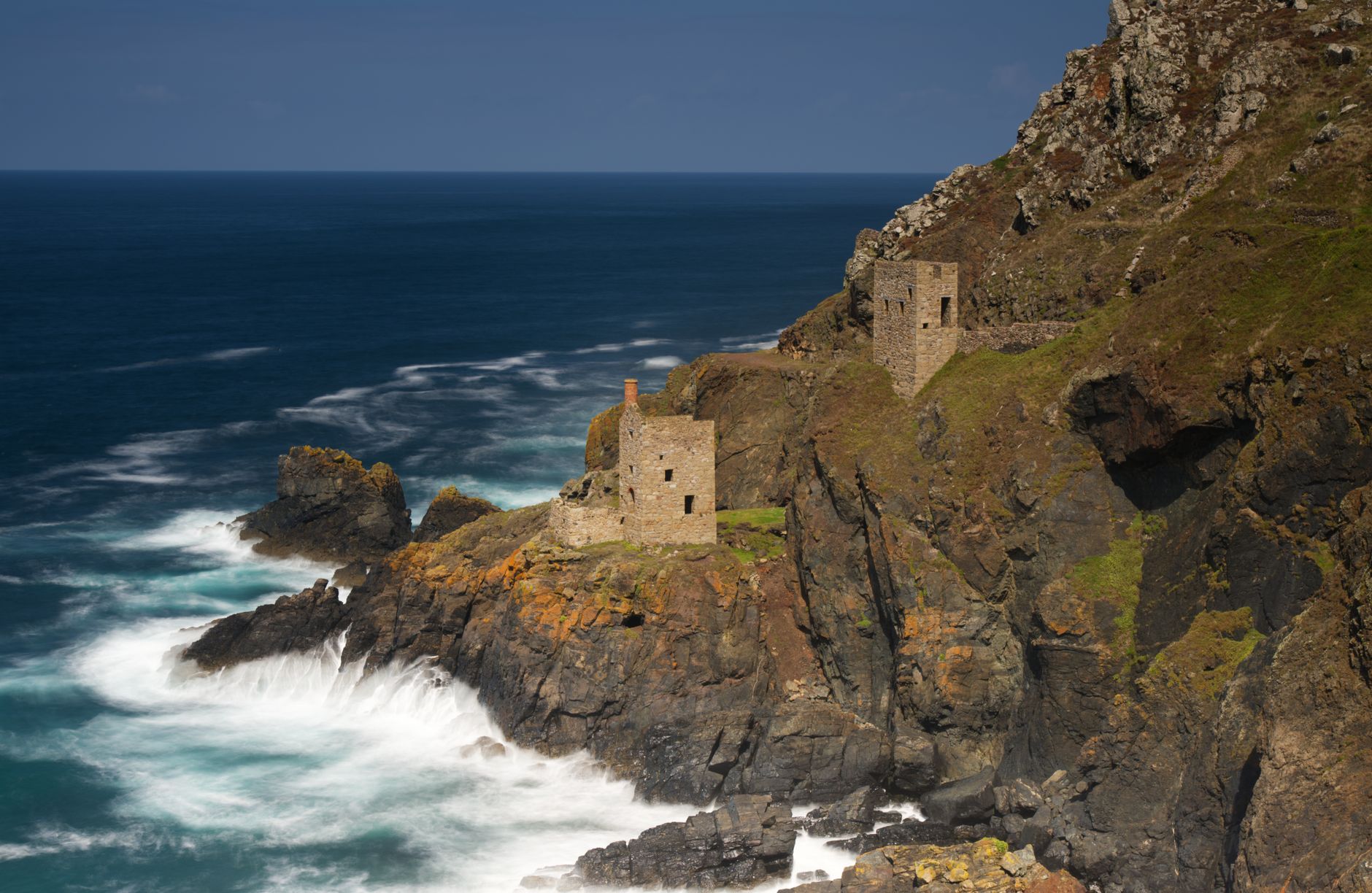
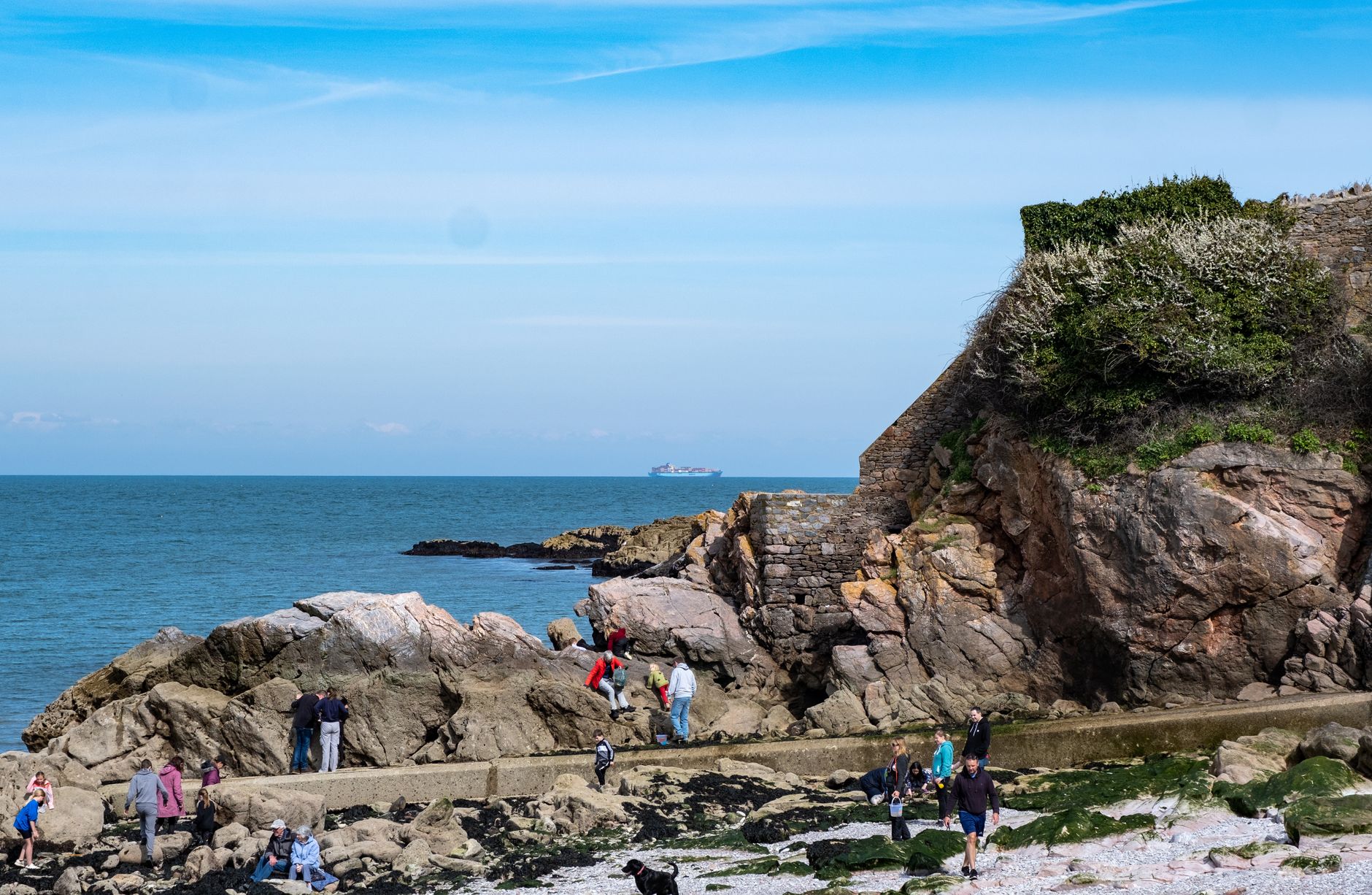
The name gives it away before you arrive: Pen Sans, the Holy Headland. Penzance sits at the far southwestern edge of mainland Britain, where the train from London Paddington runs out of track after 326 miles and the Scillonian ferry takes over. Market Jew Street climbs from the harbour past the granite dome of the 1838 Market House, and on Chapel Street a building faced with lotus columns and pharaonic reliefs — the Egyptian House, built 1835–36 and now let out as holiday apartments — stops you mid-stride.
The town faces Mount's Bay, and the two-mile promenade looks straight out at St Michael's Mount. Subtropical plants flower in Morrab Gardens, the 1935 Art Deco lido has been restored with geothermal heating, and the pubs on the old streets have been smugglers' haunts long enough to have earned their atmosphere.
💛 What travellers fall for
People who come back tend to time a morning around Penlee House — the Newlyn School paintings repay a slow look — then walk the promenade before the wind picks up. The Jubilee Pool's geothermally heated section extends the swimming season well beyond what the calendar suggests. The bilingual welcome stone at the station, English and Cornish, is worth a pause on the way out.
Deals in Penzance
Book directly at the provider

How Penzance came to be
Penzance earned its charter from Edward III in 1332, and by 1404 it held two weekly markets and three annual fairs. Henry VIII extended its harbour rights in 1512 — then in 1595 a Spanish raiding party burned much of the town to the ground. It recovered, receiving a new charter in 1614 with mayor and corporation status, and grew steadily through maritime trade.
The 19th century reshaped it intellectually as much as physically. The Royal Geological Society of Cornwall was founded here in 1814, the same year John Matthews opened the first dry dock in the South West. The railway arrived on 11 March 1852, connecting this remote headland to the national network and, by 1863, to the Electric Telegraph. The Newlyn School artists arrived toward the century's end, drawn by the quality of the Atlantic light.
Who and what shaped it
People who shaped it
Landmark buildings
See Penzance in motion
Plan your visit
On the map
When to go
Summers run 15–19°C with the least rainfall of the year, and the mild Gulf Stream influence means winters rarely frost — February daytime temperatures sit around 11°C. Autumn brings more rain, but the shoulder seasons either side of summer are often quiet and clear.
Right now
Background & history adapted from Wikipedia (CC BY-SA) · specs from Wikidata (CC0) · weather from Open-Meteo · map data © OpenStreetMap contributors · photos from Wikimedia Commons / Unsplash with per-image credit. No third-party reviews or social posts reproduced.