
Mevagissey
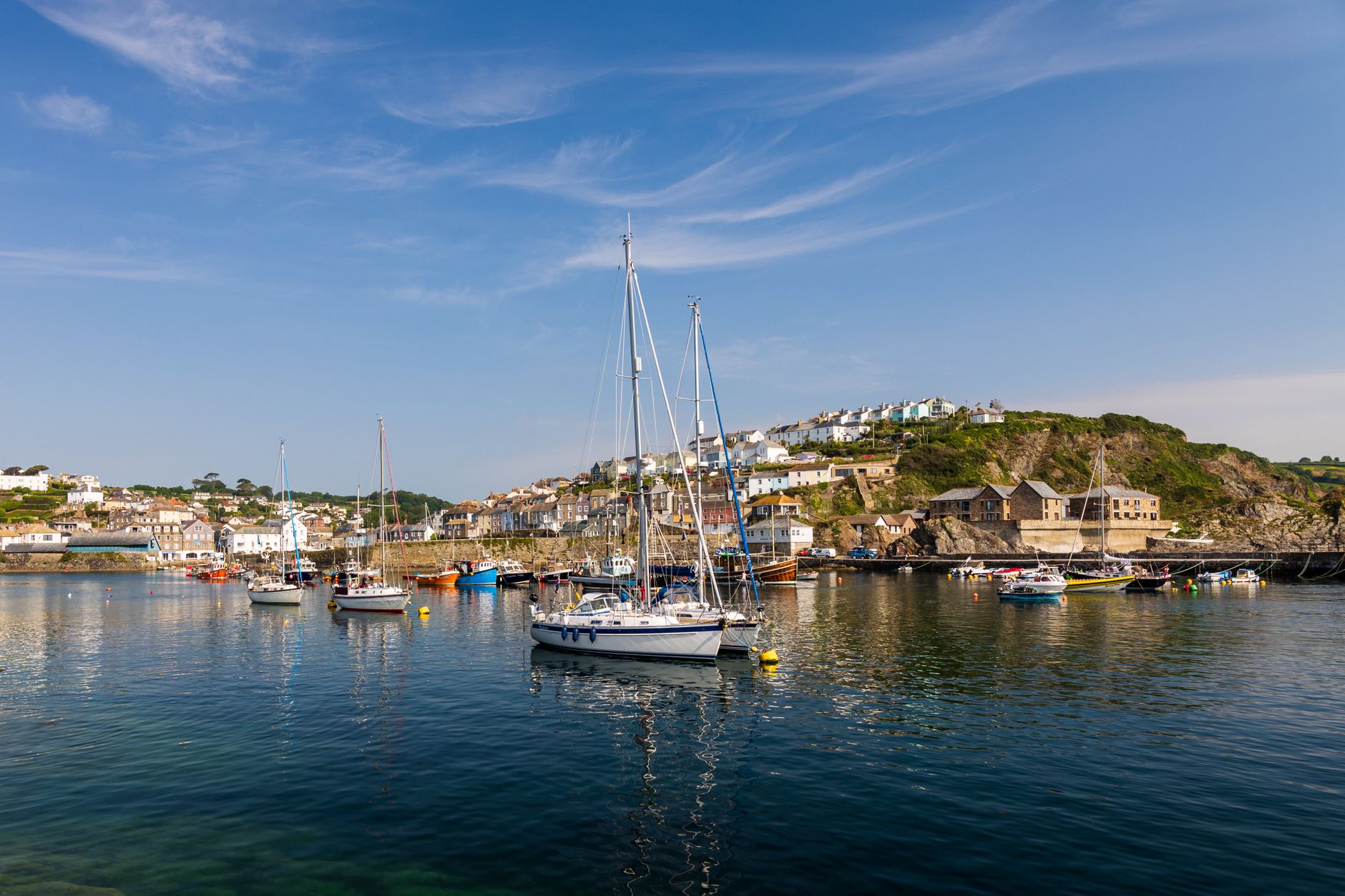
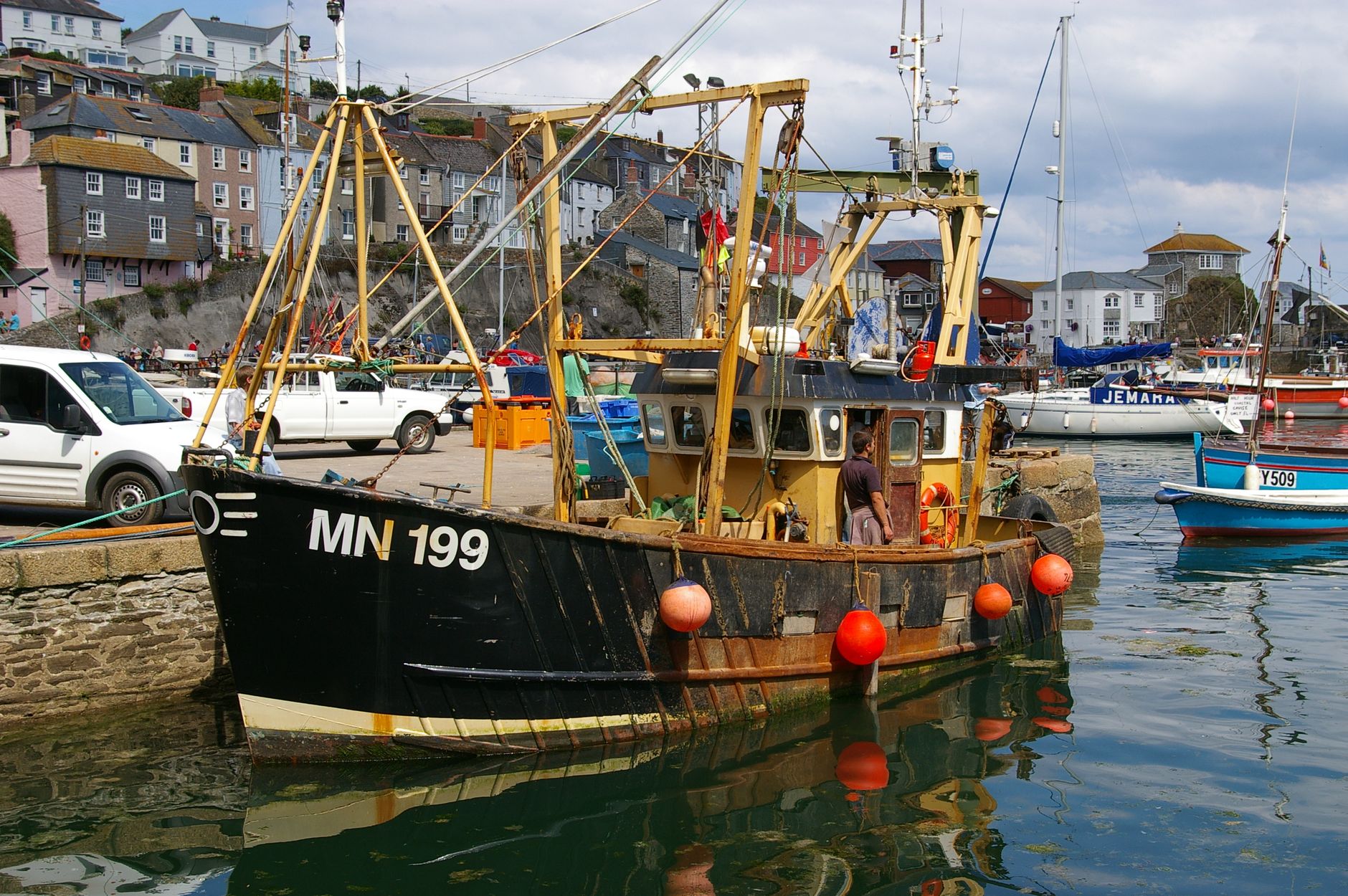
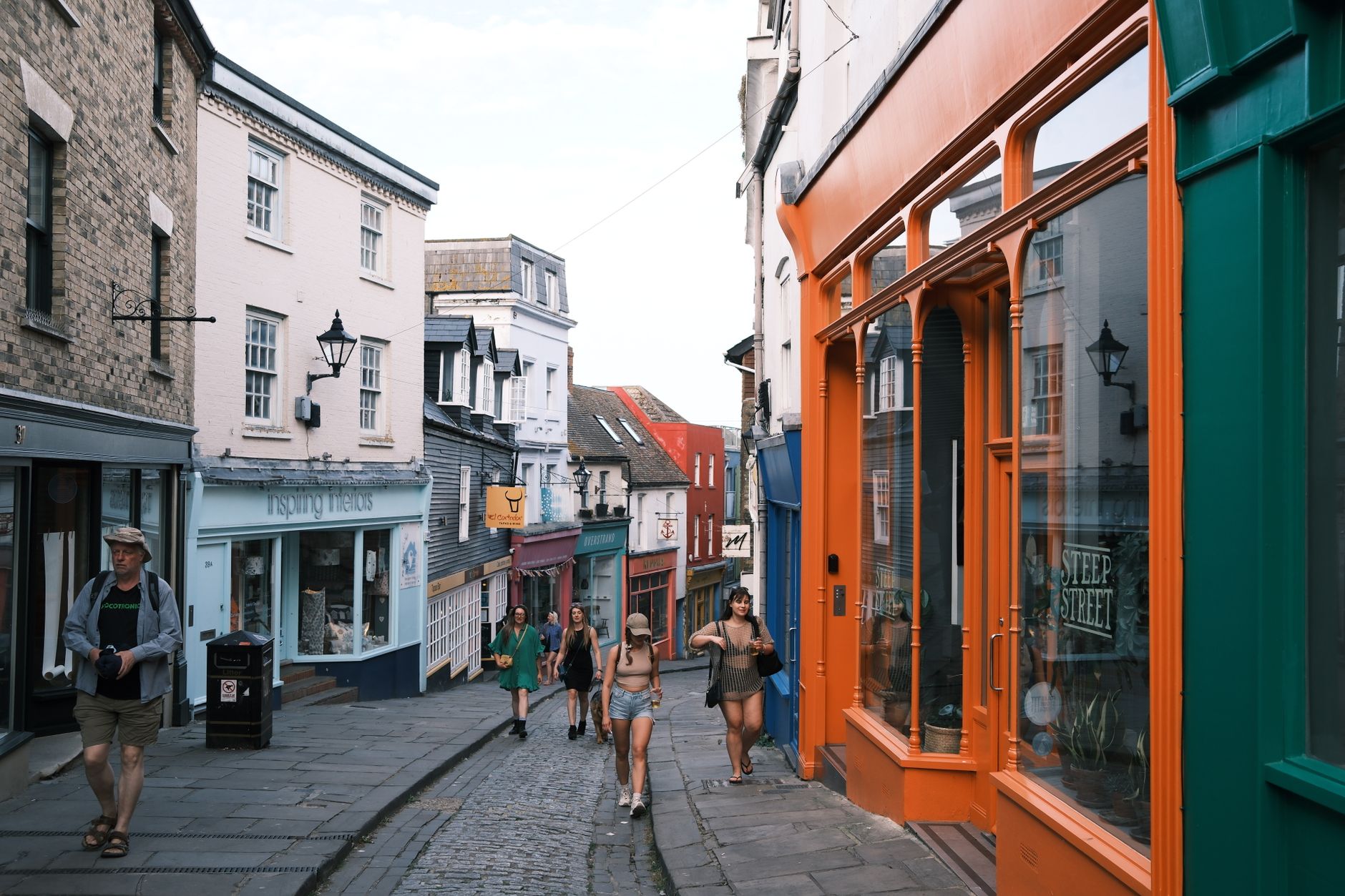
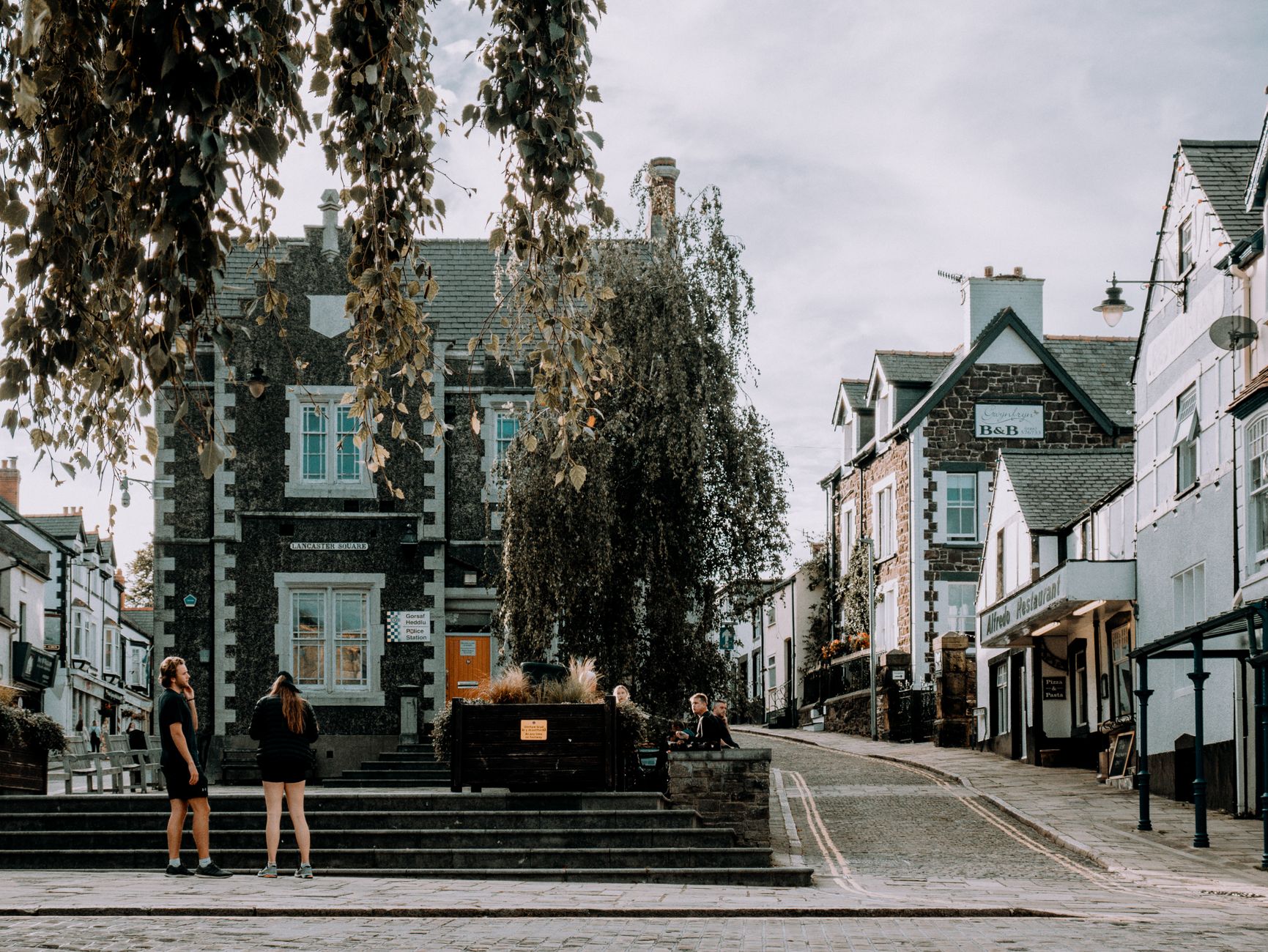
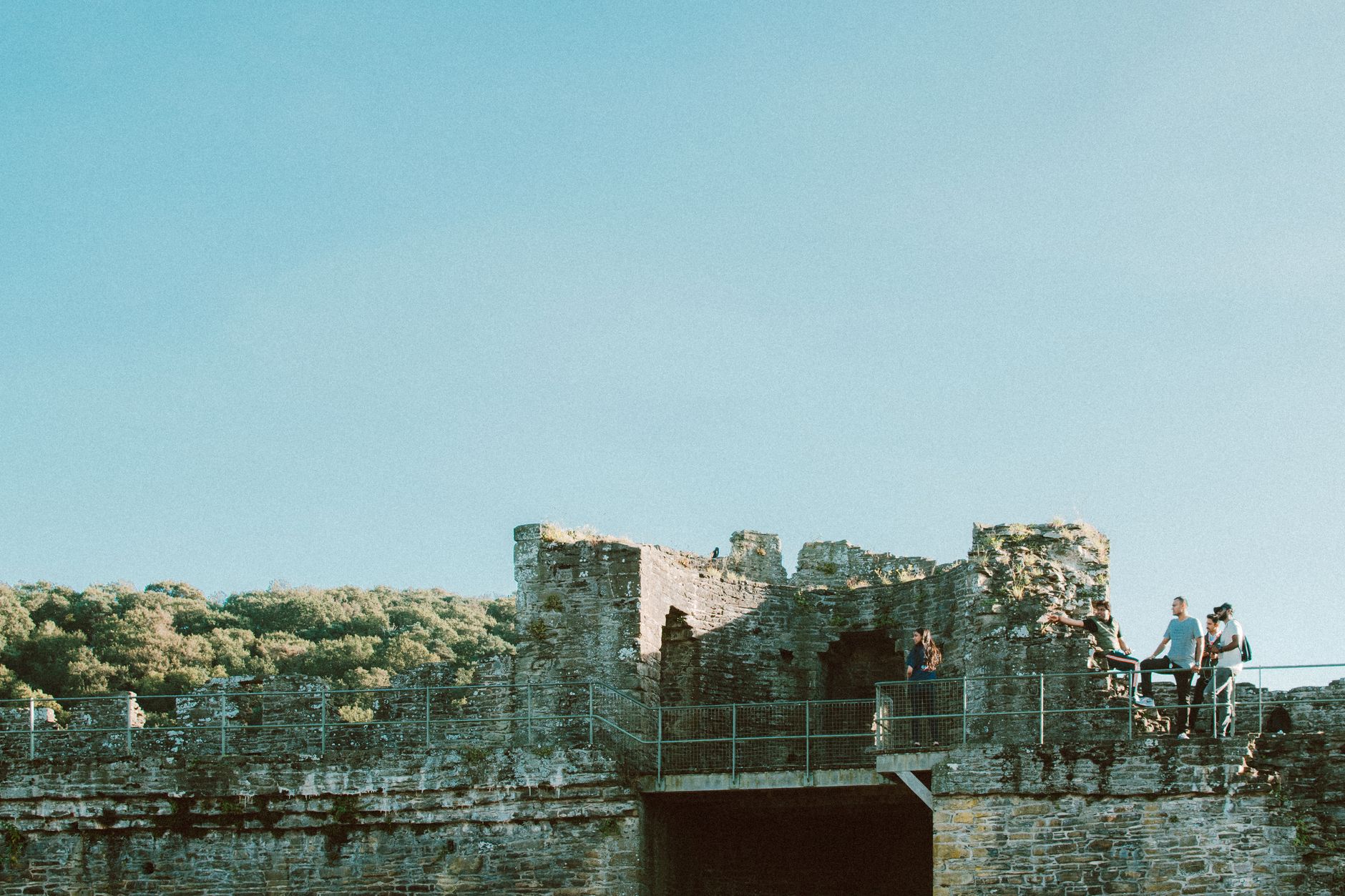
The two harbours at Mevagissey sit one inside the other like cupped hands, the inner one older and quieter, the outer built in 1888 to handle the weight of a fishing industry that was, at its peak, shipping around 75 million pilchards a year. That number is worth pausing on. The village you're walking through today — the stacked cottages, the narrow lanes, Myrtle Court's cobbled yard — was built on the back of that trade, and on smuggling, and on boats fast enough to outrun the revenue men.
The name itself tells you something. In the sixth century a monk called Mevan arrived from Ireland, joined by Issey from Brittany, and their two settlements eventually merged — linguistically and physically — into Mevan hag Ysaye, which time compressed into Mevagissey.
💛 What travellers fall for
People who come back tend to arrive by the seasonal ferry from Fowey rather than driving — the approach from the water changes what you see first. They also mention the museum on the inner harbour, a 1745 boat-builder's workshop whose roof timbers were salvaged from smuggling vessels, as the place that makes the village make sense.
Deals in Mevagissey
Book directly at the provider
How Mevagissey came to be
The harbour that defines Mevagissey today was authorised in 1775, enlarged in 1866, and the outer arm added in 1888 — the same year a blizzard buried the village entirely, freezing cattle in the fields and cutting off all roads. The RNLI station had opened in 1869, and the lighthouse at the end of the harbour wall, hexagonal and roughly 29 feet tall, is believed to be the first in the country lit by electricity, powered by the Mevagissey Electricity Company from 1895.
Boat-building on Island Quay has continued unbroken since 1745, the Lelean family and Henry Roberts giving way to the Fraziers and then to John Moor and his son. The two-masted Mevagissey sloop earned a reputation for speed that made it equally useful for fishing and for slipping past customs — a dual purpose the village never quite pretended to disown.
Who and what shaped it
People who shaped it
Landmark buildings
See Mevagissey in motion
Plan your visit
On the map
When to go
Summer days are cool and often windy, with July averaging around 20°C; winters are long, wet and genuinely cold, with February highs around 9°C and storms that can make the outer harbour dramatic to walk. Spring and early autumn tend to be the most manageable for a harbour visit.
Right now
Background & history adapted from Wikipedia (CC BY-SA) · specs from Wikidata (CC0) · weather from Open-Meteo · map data © OpenStreetMap contributors · photos from Wikimedia Commons / Unsplash with per-image credit. No third-party reviews or social posts reproduced.