
St Ives
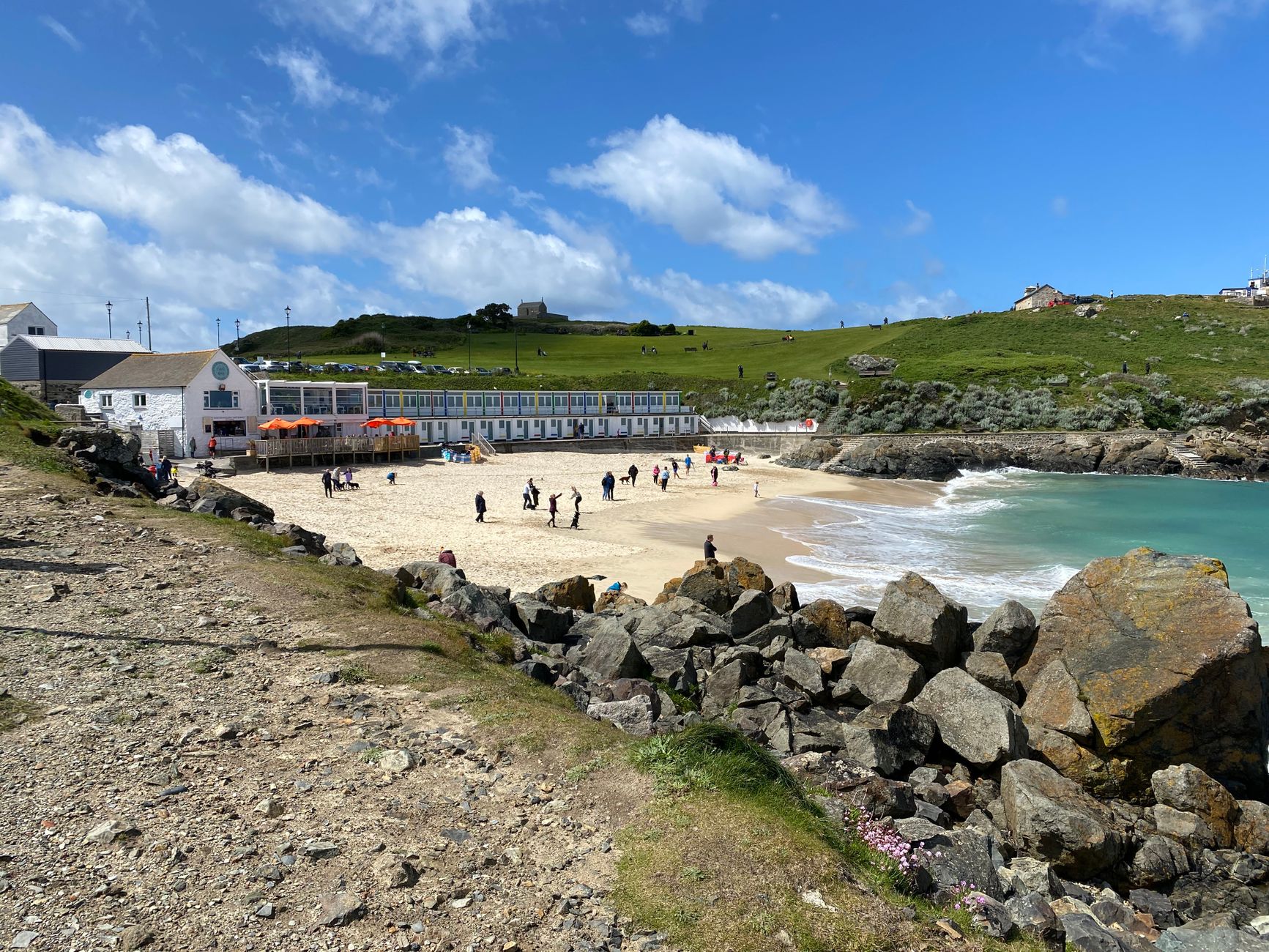
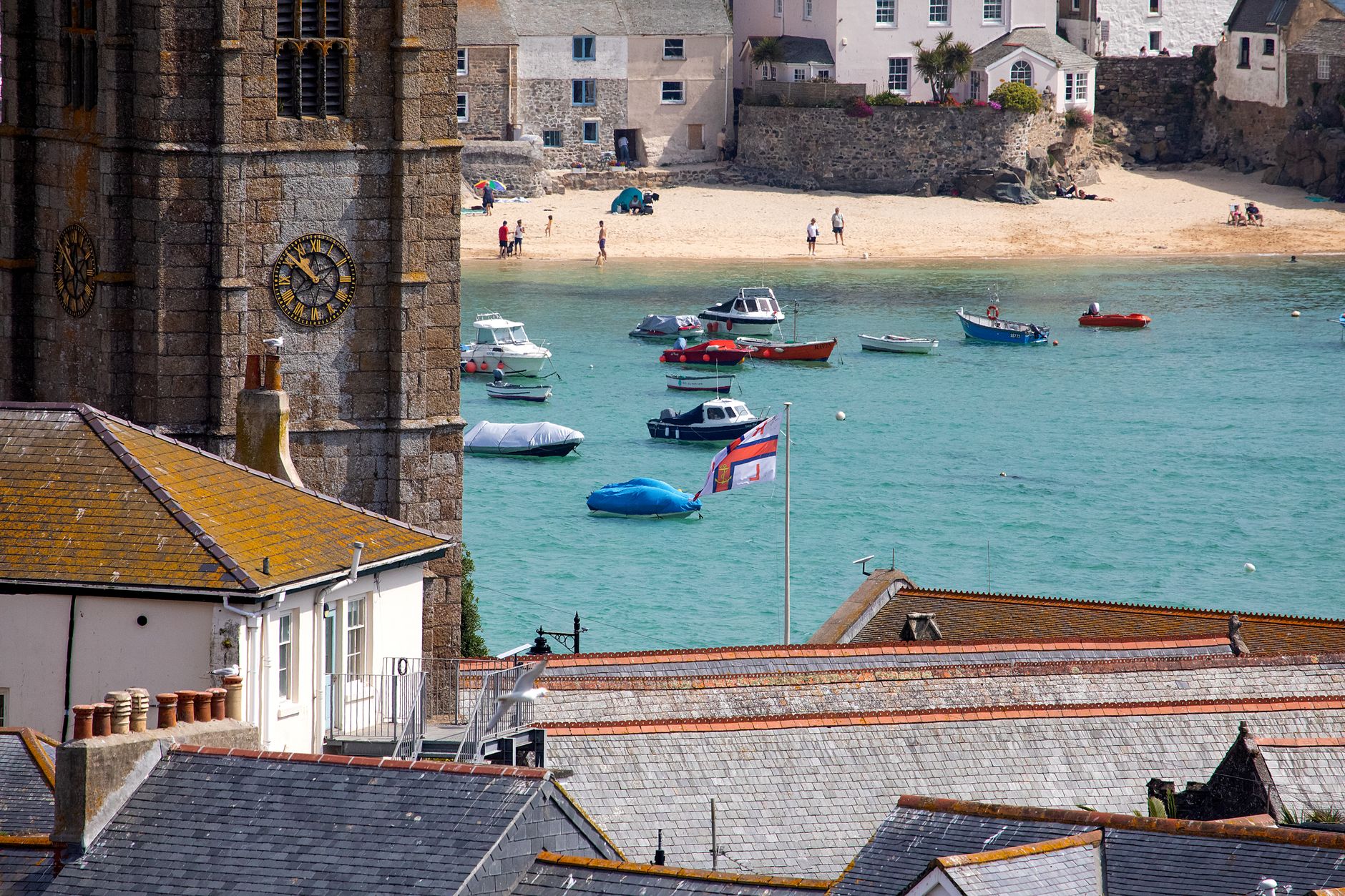
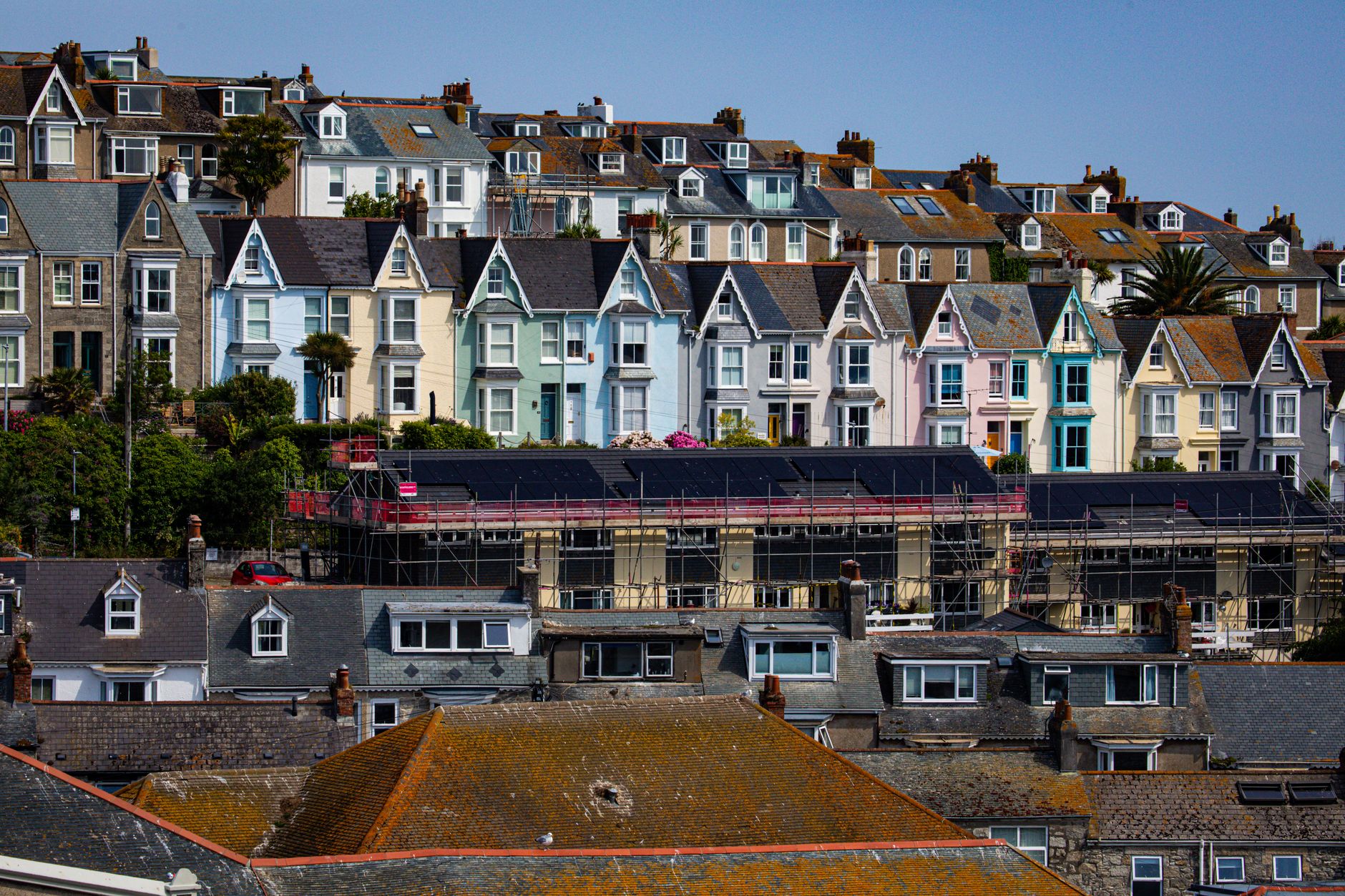
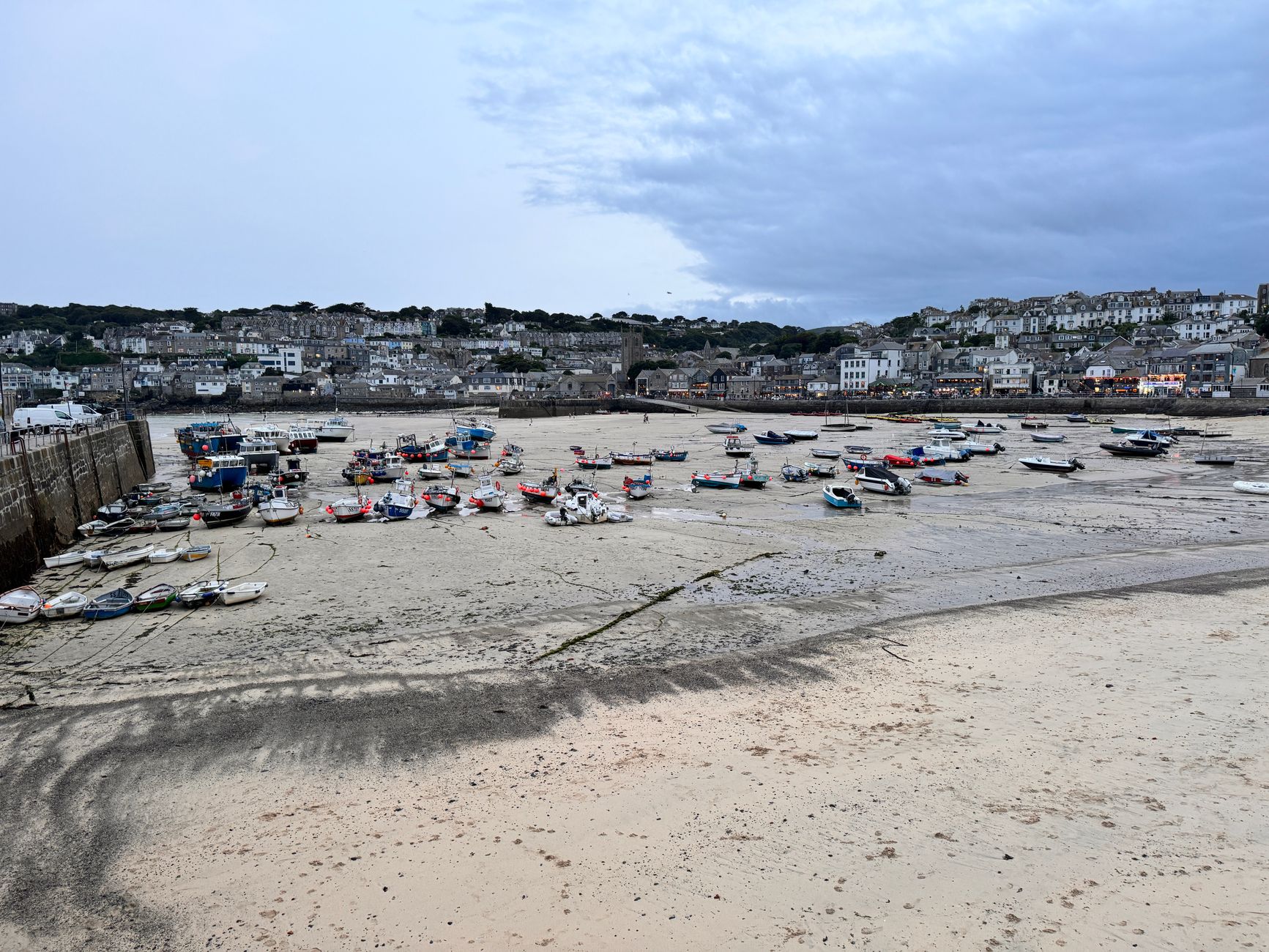
The train from St Erth drops you at the edge of the Atlantic in under fifteen minutes, and the view on the way in — estuary light, sand, the open bay — sets the tone for everything that follows. St Ives is a working idea as much as a place: a granite fishing town that became, over the course of a century, one of the most creatively charged corners of Britain.
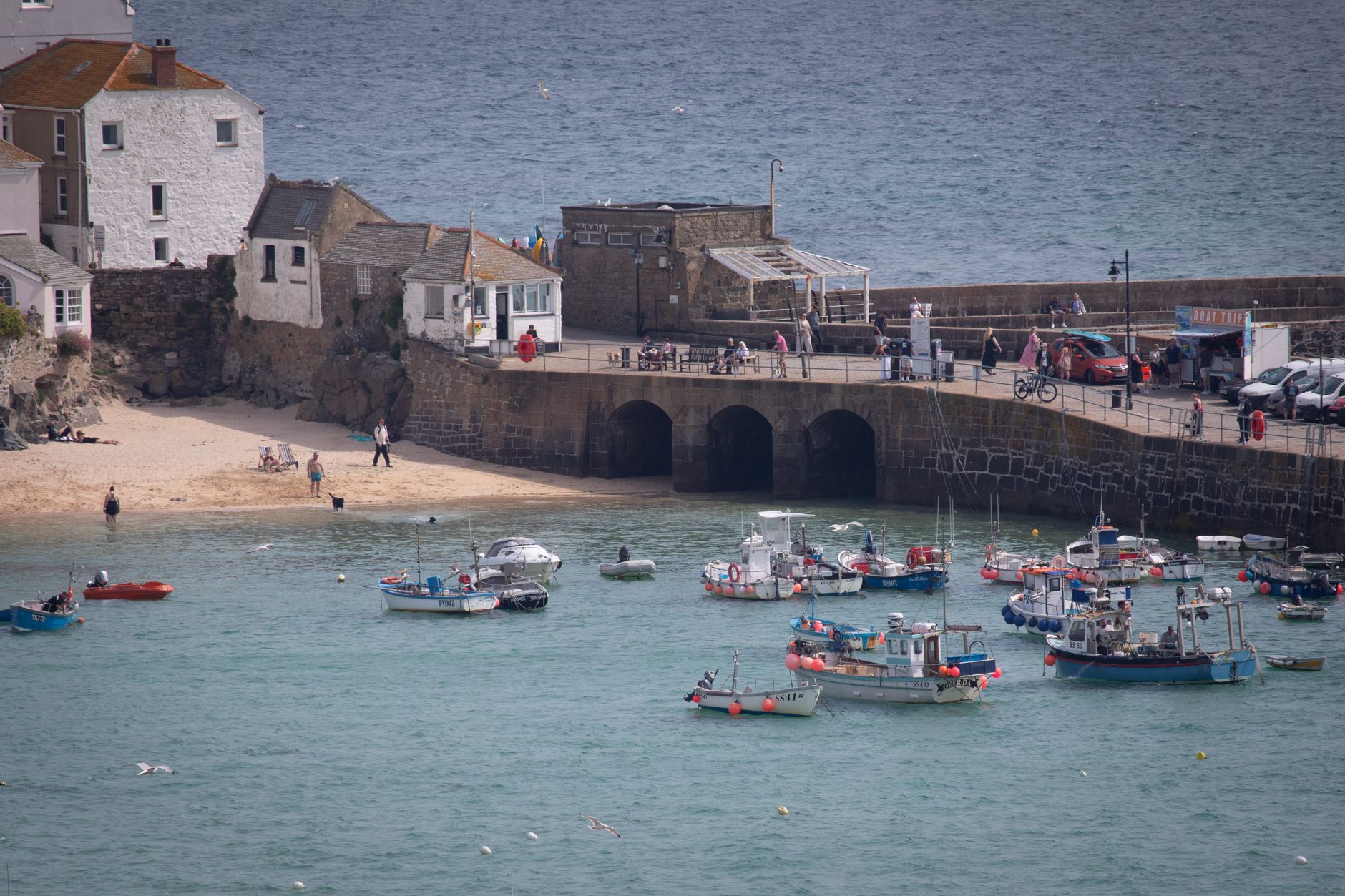
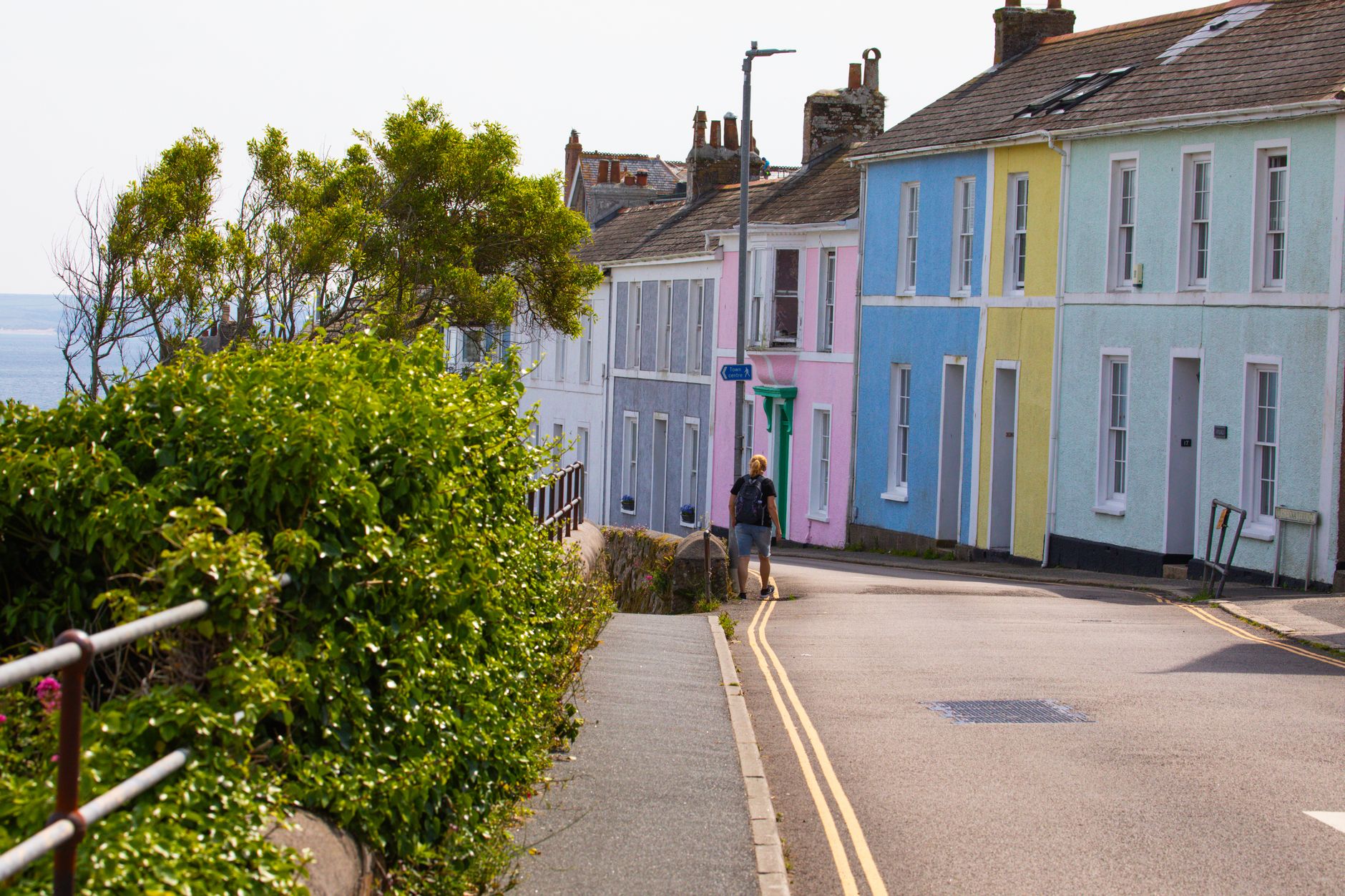
The harbour is still the centre of gravity. Smeaton's Pier curves out into the water, St Leonard's Chapel at its foot where fishermen once paused to pray. The streets behind it climb steeply, lined with studios and cottages, and the 80-foot tower of the Church of St Ia — built from Zennor granite, consecrated in 1434 — rises above it all.
💛 What travellers fall for
People who return tend to make straight for the Leach Pottery before the day fills up, then spend the afternoon in Barbara Hepworth's sculpture garden at the Tate — the one where her tools are still laid out in the studio. Early September is the consensus pick: the light stays long, the crowds thin, and the sea is as warm as it gets.
Deals in St Ives
Book directly at the provider


How St Ives came to be
St Ives takes its name from St Ia, an Irish missionary who, legend has it, crossed from Ireland on a leaf in the 5th century. The town grew as a fishing port through the 14th century, earned a weekly market in the 15th, and was raised to a borough in 1500. By the 19th century it was shipping pilchards worldwide and sitting above rich seams of tin and copper. Then in 1877 the railway arrived, and the economy quietly pivoted toward visitors.
The artistic chapter opened in 1920 when Bernard Leach founded his pottery — described since as arguably the most influential studio of its kind in the English-speaking world. In 1928, Ben Nicholson and Christopher Wood encountered the self-taught mariner Alfred Wallis here, a meeting that seeded the St Ives School. By 1939, Nicholson, Barbara Hepworth and Naum Gabo had all settled in the town. Tate St Ives followed in 1993, anchoring that legacy to the place permanently.
Who and what shaped it
People who shaped it
Landmark buildings
See St Ives in motion
Plan your visit
On the map
When to go
Summers are mild rather than hot — August averages around 16°C — with long Atlantic light and the occasional sharp sea breeze. Winters are notably gentle for Britain, rarely dropping below 12°C, though the weather off the Atlantic can change fast and rain arrives sideways.
Right now
Background & history adapted from Wikipedia (CC BY-SA) · specs from Wikidata (CC0) · weather from Open-Meteo · map data © OpenStreetMap contributors · photos from Wikimedia Commons / Unsplash with per-image credit. No third-party reviews or social posts reproduced.