
St Austell
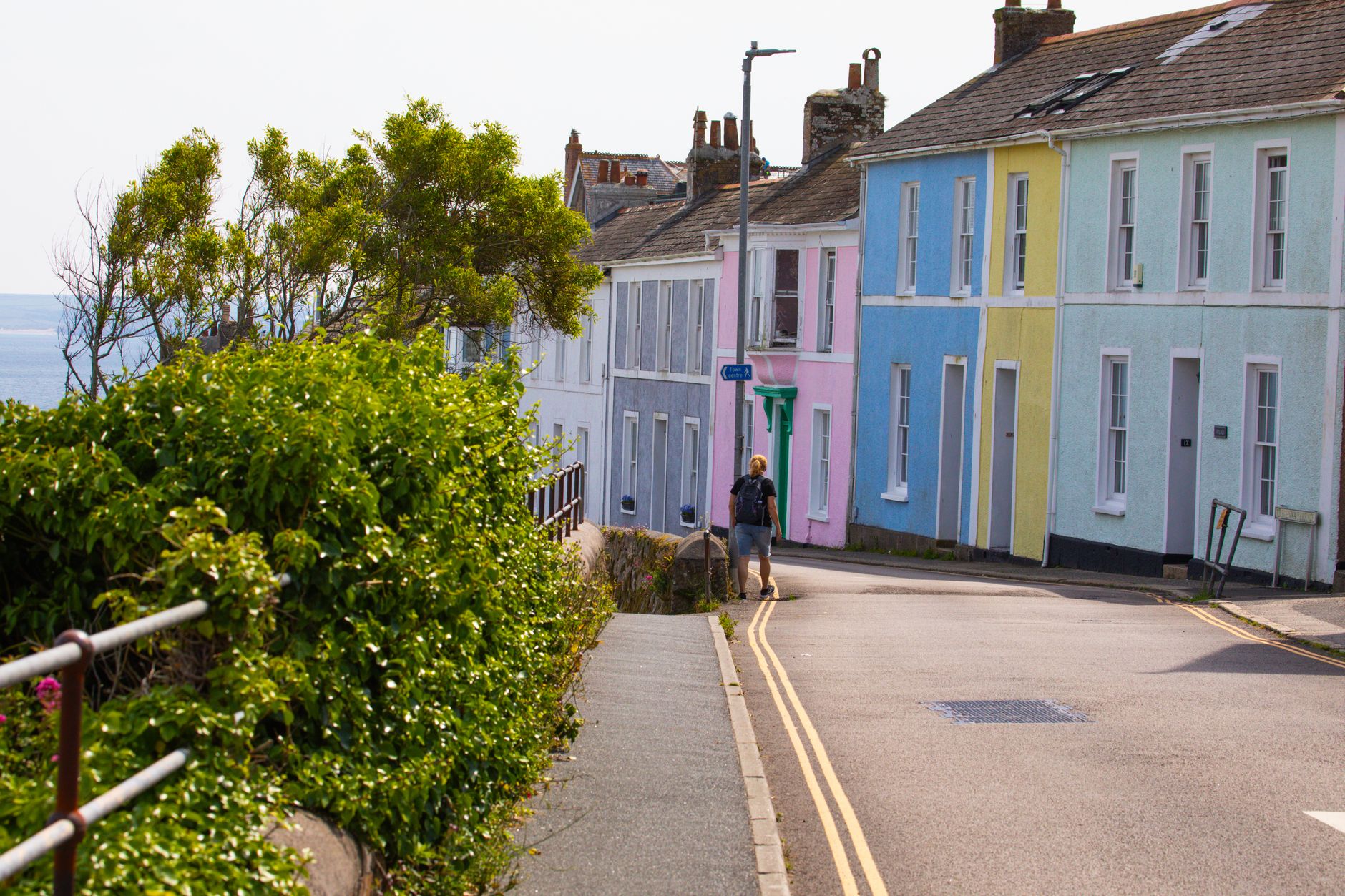
St Austell is the town that china clay built. Look out from almost any high point and you'll see the white pyramidal spoil heaps that defined this corner of Cornwall for two centuries — locals call them the Cornish Alps, and on a bright day they catch the light like something geological and strange. The town itself sits in a shallow bowl, its centre still anchored by the granite tower of Holy Trinity, faced in silvery Pentewan stone and visible long before you arrive.
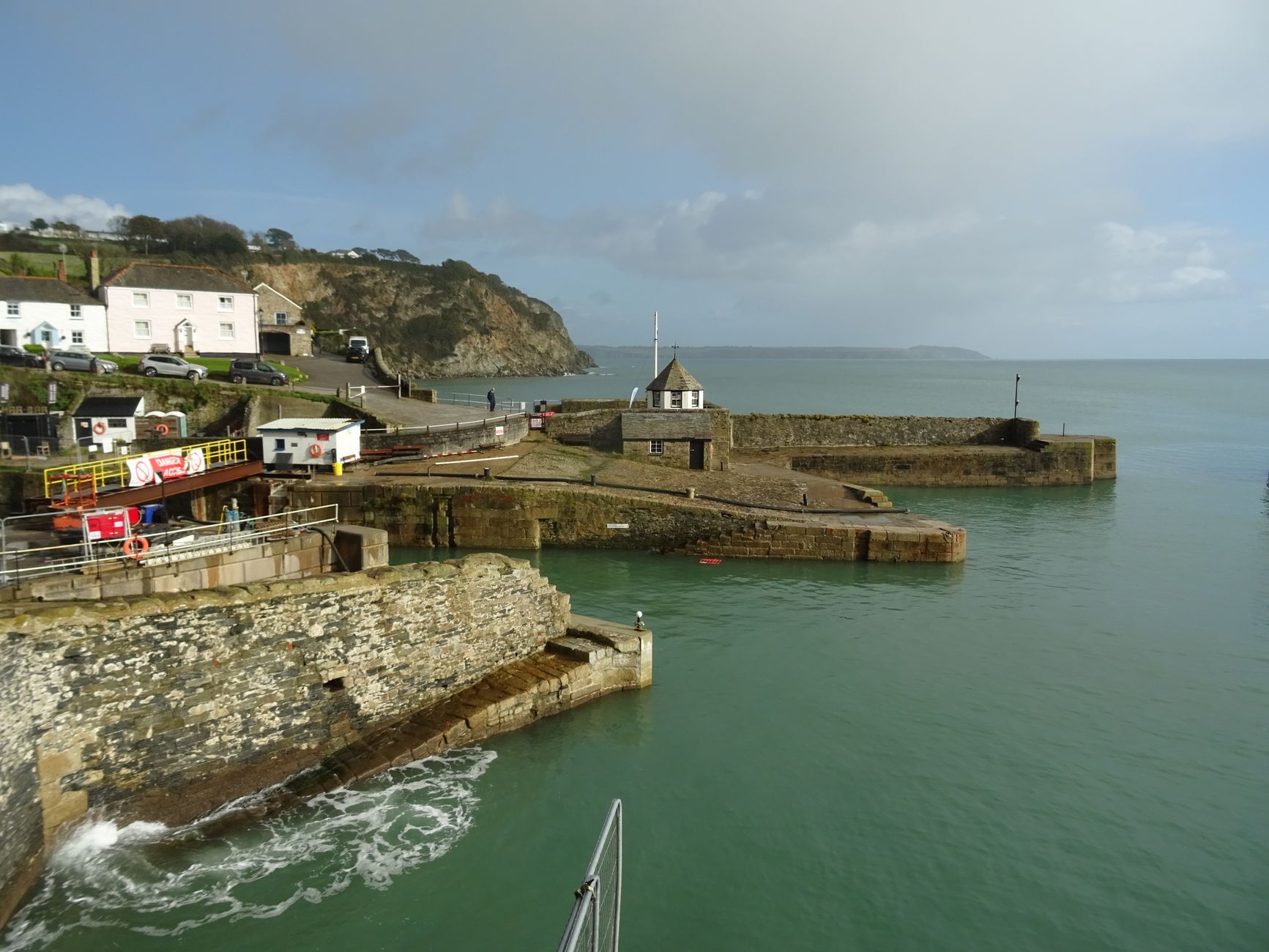
This is a working Cornish town, not a resort, and that's precisely what makes it useful as a base. The Eden Project is fifteen minutes away. Charlestown harbour — built by local landowner Charles Rashleigh in the late 18th century — is a short drive south.
💛 What travellers fall for
People who come back tend to start at the Brewery on Trevarthian Road, where the visitor centre gives proper context before you taste anything. They also make a point of finding Menacuddle Well, the 15th-century wellhead tucked away on the edge of town — easy to walk past, worth pausing at.
Deals in St Austell
Book directly at the provider

How St Austell came to be
St Austell takes its name from Saint Austol, a Breton saint said to have settled here in the 6th century. The settlement barely registered in medieval records — a village around its parish church, first granted to the Priory of Tywardreath in 1150 — and remained small until the 18th century, when kaolin changed everything. William Cookworthy, a pharmacist and inventor, identified rich deposits of white clay in the 1770s and developed the technology to fire hard-paste porcelain from it. Josiah Wedgwood followed, forming the Cornish Clay Company in 1782.
The industry remade the town at speed. A population of under 4,000 at the start of the 19th century had passed 10,000 by 1851, the same year Walter Hicks founded the brewery that still operates here. The Market House went up in 1844 in Italian Renaissance style, its roof span reportedly the largest unsupported span in Britain at the time. The white spoil heaps that still ring the town are the industry's most visible legacy.
Who and what shaped it
People who shaped it
Landmark buildings
See St Austell in motion
Plan your visit
On the map
When to go
Cornwall's Atlantic position keeps St Austell mild year-round — winters rarely freeze and summers rarely bake. Rain is a constant possibility in any season; a layer you can shed is more useful than an umbrella.
Right now
Background & history adapted from Wikipedia (CC BY-SA) · specs from Wikidata (CC0) · weather from Open-Meteo · map data © OpenStreetMap contributors · photos from Wikimedia Commons / Unsplash with per-image credit. No third-party reviews or social posts reproduced.