
Newquay
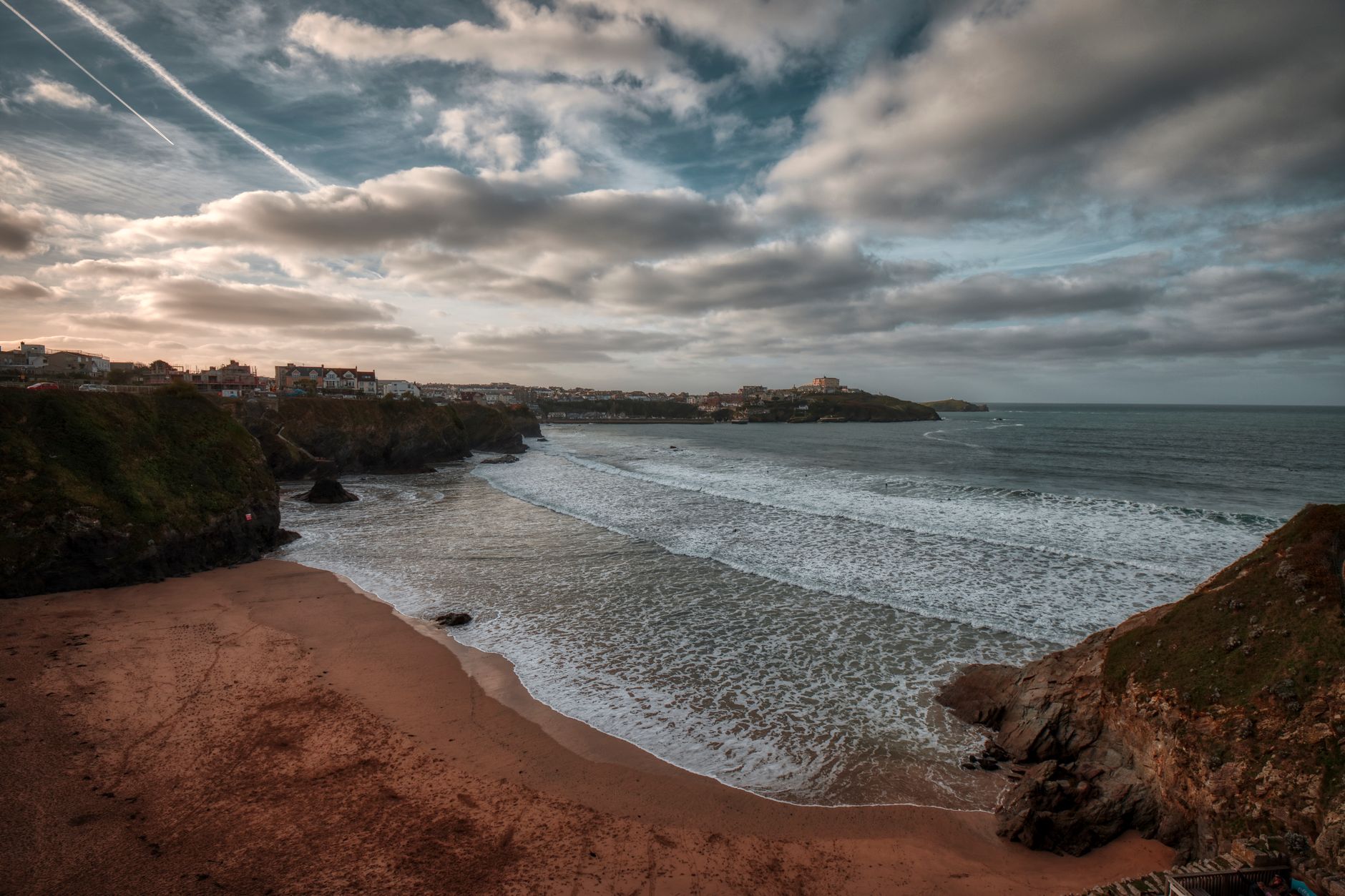
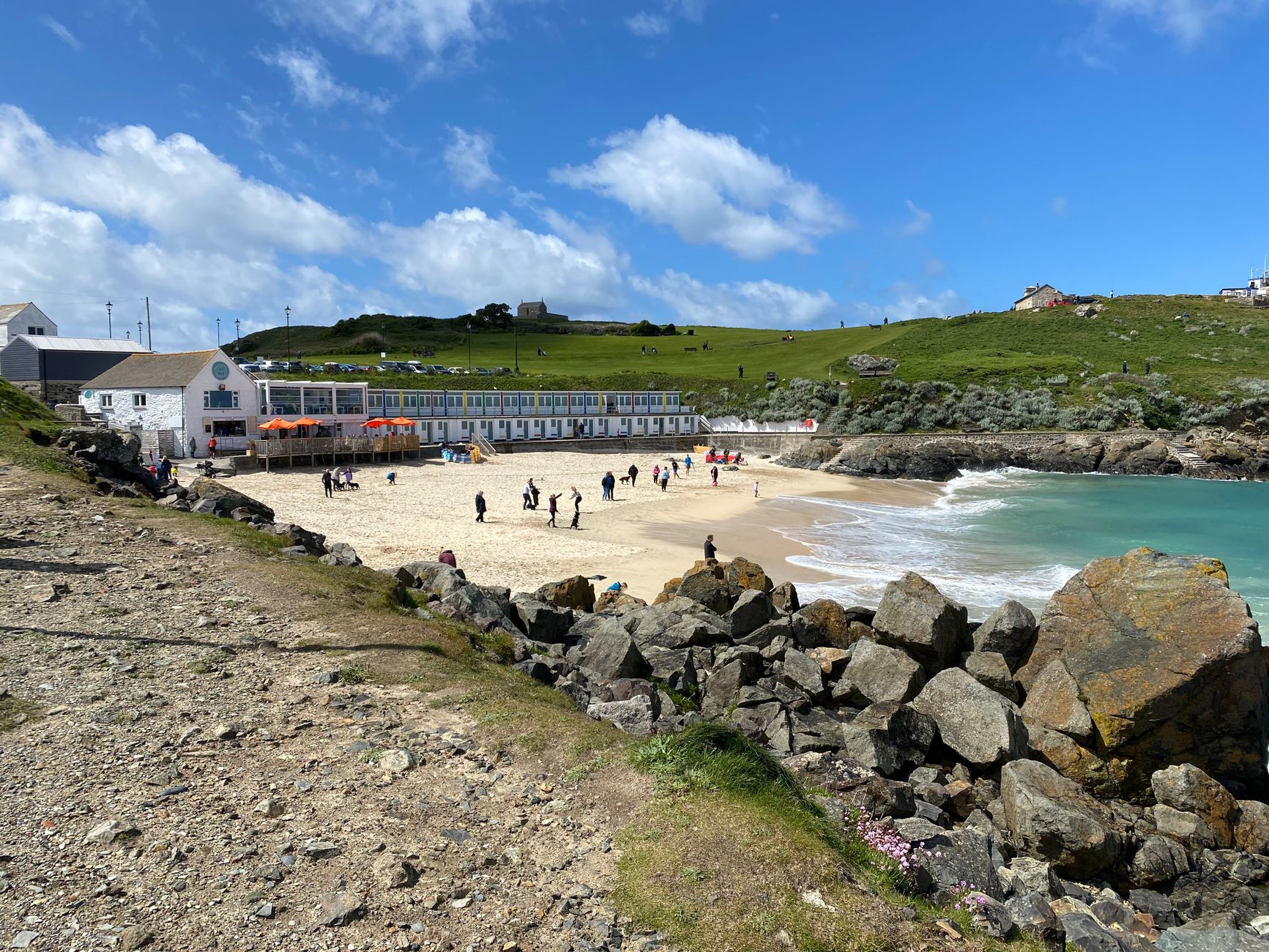
Stand at the Huer's Hut above the harbour and you're looking at the whole logic of Newquay in one view: a whitewashed stone lookout where a man once bellowed directions to pilchard boats below, a working quay where crab and lobster still come ashore, and beyond it all, Atlantic surf rolling in on beaches wide enough to lose yourself on. This is a town that has reinvented itself twice — first when the railway arrived in 1876 and turned a fishing port into a resort, then again in the 1960s when Californian surfing culture landed and never quite left.
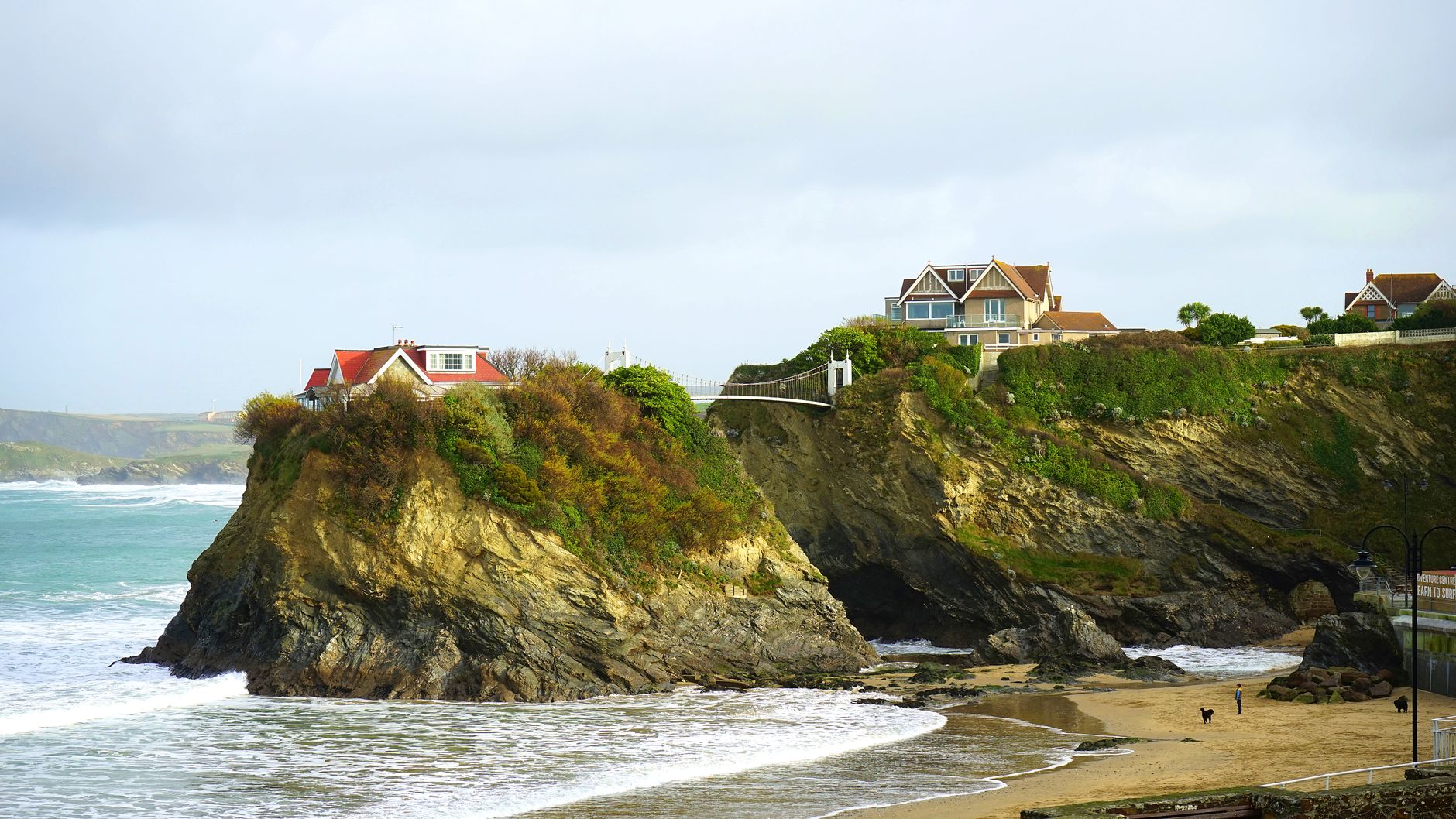
Today Newquay holds both versions of itself without much apology. The surf schools and the stone harbour coexist. Towan Island — an 80-foot rock connected to the mainland by a footbridge, with a three-bedroom house on top — sits just off the beach as if daring you to question it.
💛 What travellers fall for
People who keep coming back tend to time their visits around the tides rather than the calendar. The harbour's north and south quays are open around the clock, and an early morning walk there — before the beaches fill — gives you the working-port side of Newquay that the afternoon crowds rarely see. Trenance Gardens, with its 18th-century listed cottages, is reliably quieter than the seafront.
Deals in Newquay
Book directly at the provider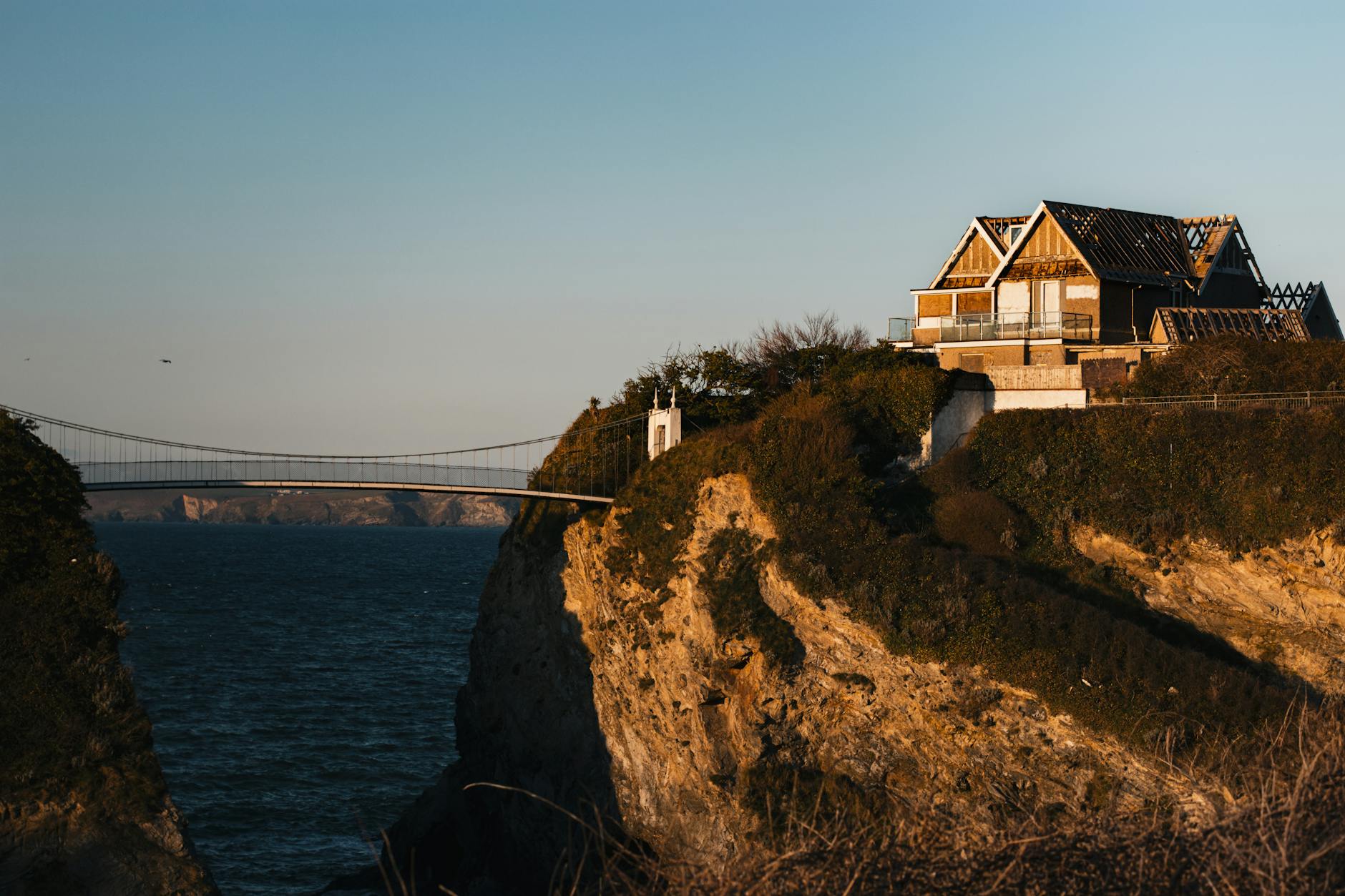


How Newquay came to be
The town's original Cornish name was Towan Blystra, and it remained that until the mid-1400s, when Edmund Lacey, Bishop of Exeter, funded the construction of a new quay. The name followed the infrastructure. A fish market appears in records as early as 1571, and by 1800 the population stood around 1,300 — a modest pilchard port with a wooden quay and a huer scanning the sea from the clifftop hut that still stands today.
The decisive change came in 1832, when London entrepreneur Richard Lomax bought the manor of Towan Blystra and set harbour construction in motion. Stone replaced timber from 1835. Then, in June 1876, the passenger railway arrived from Par, and within a generation Newquay had shifted its economic centre of gravity from fish to tourism. The surf culture that drifted in from the United States in the 1960s was simply the next wave.
Who and what shaped it
People who shaped it
Landmark buildings
See Newquay in motion
Plan your visit
On the map
When to go
Summers are comfortable but reliably windy — useful for surfing, less so for anything requiring a hat. Winters are long, wet and genuinely exposed to Atlantic weather; the town is quieter then, and the coastline looks entirely different under a grey sky.
Right now
Background & history adapted from Wikipedia (CC BY-SA) · specs from Wikidata (CC0) · weather from Open-Meteo · map data © OpenStreetMap contributors · photos from Wikimedia Commons / Unsplash with per-image credit. No third-party reviews or social posts reproduced.