
Looe
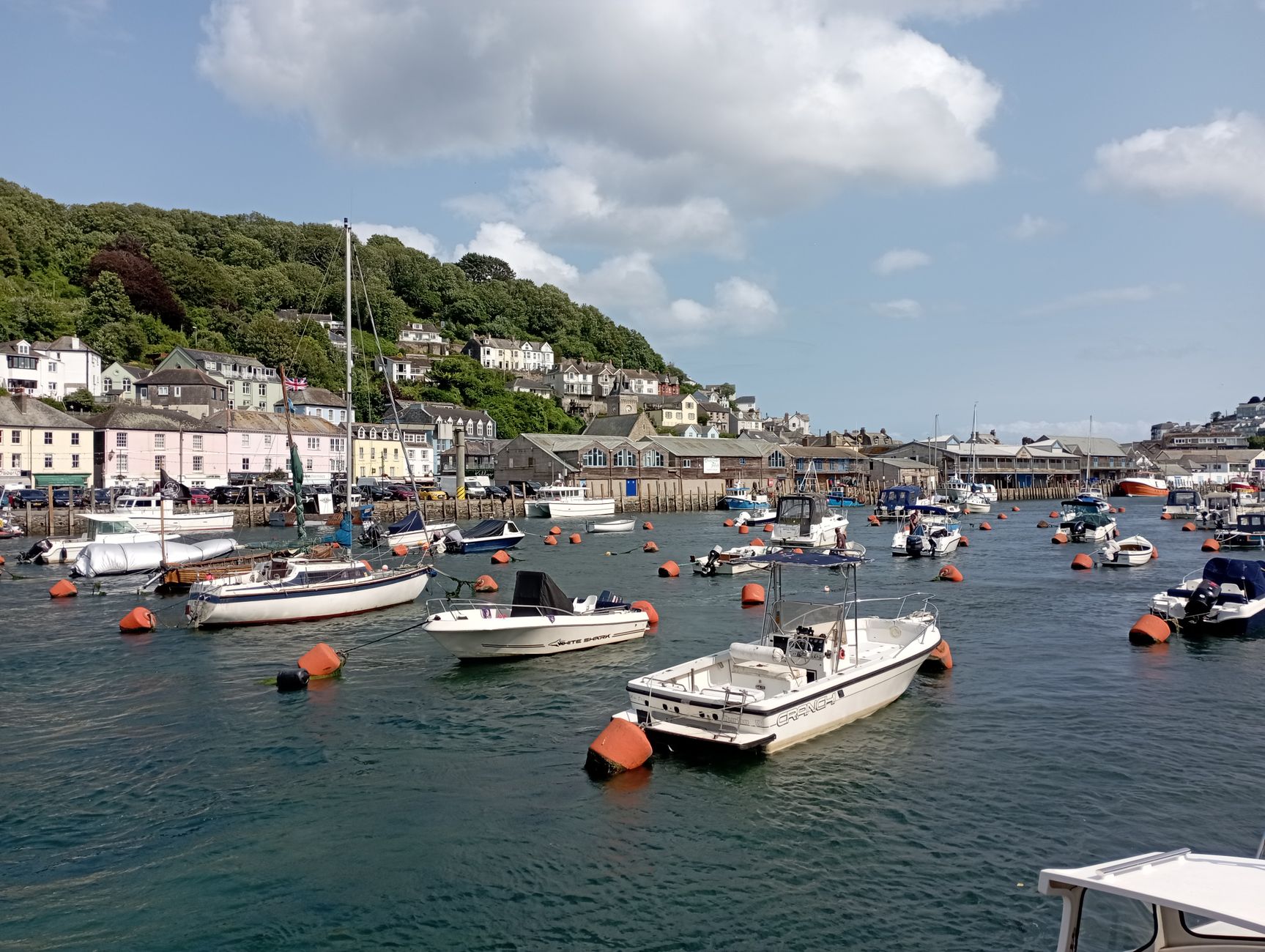
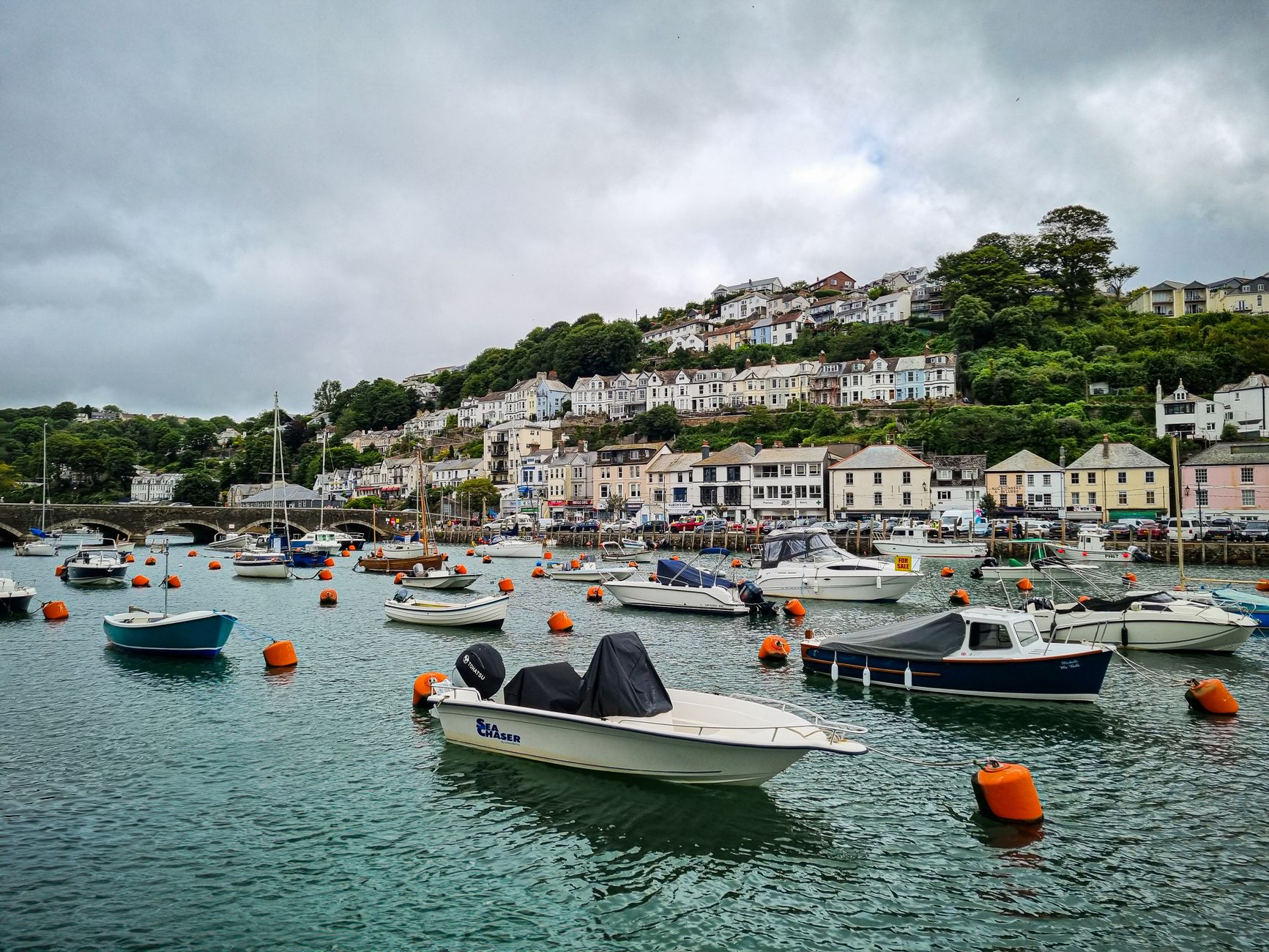
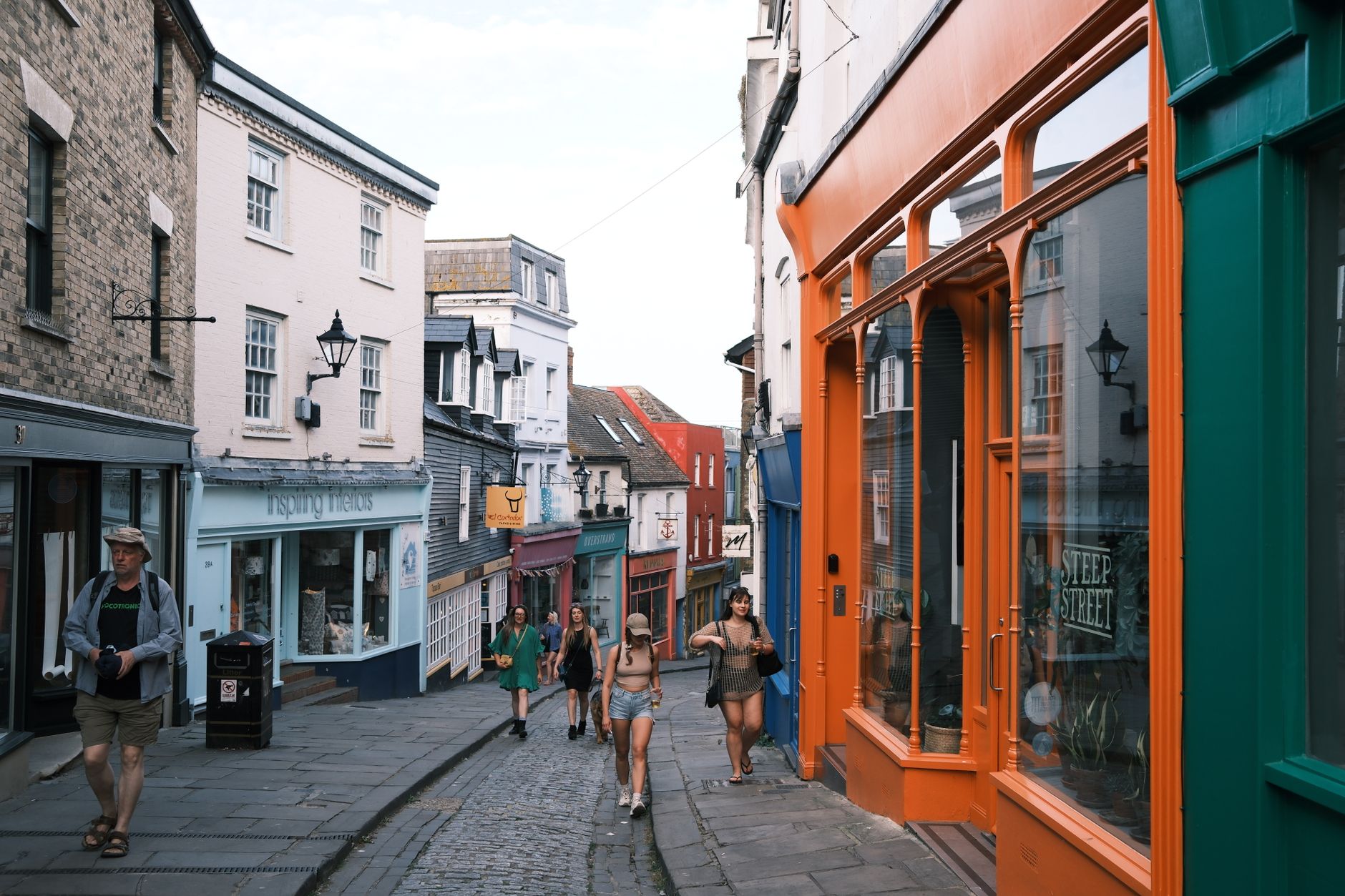
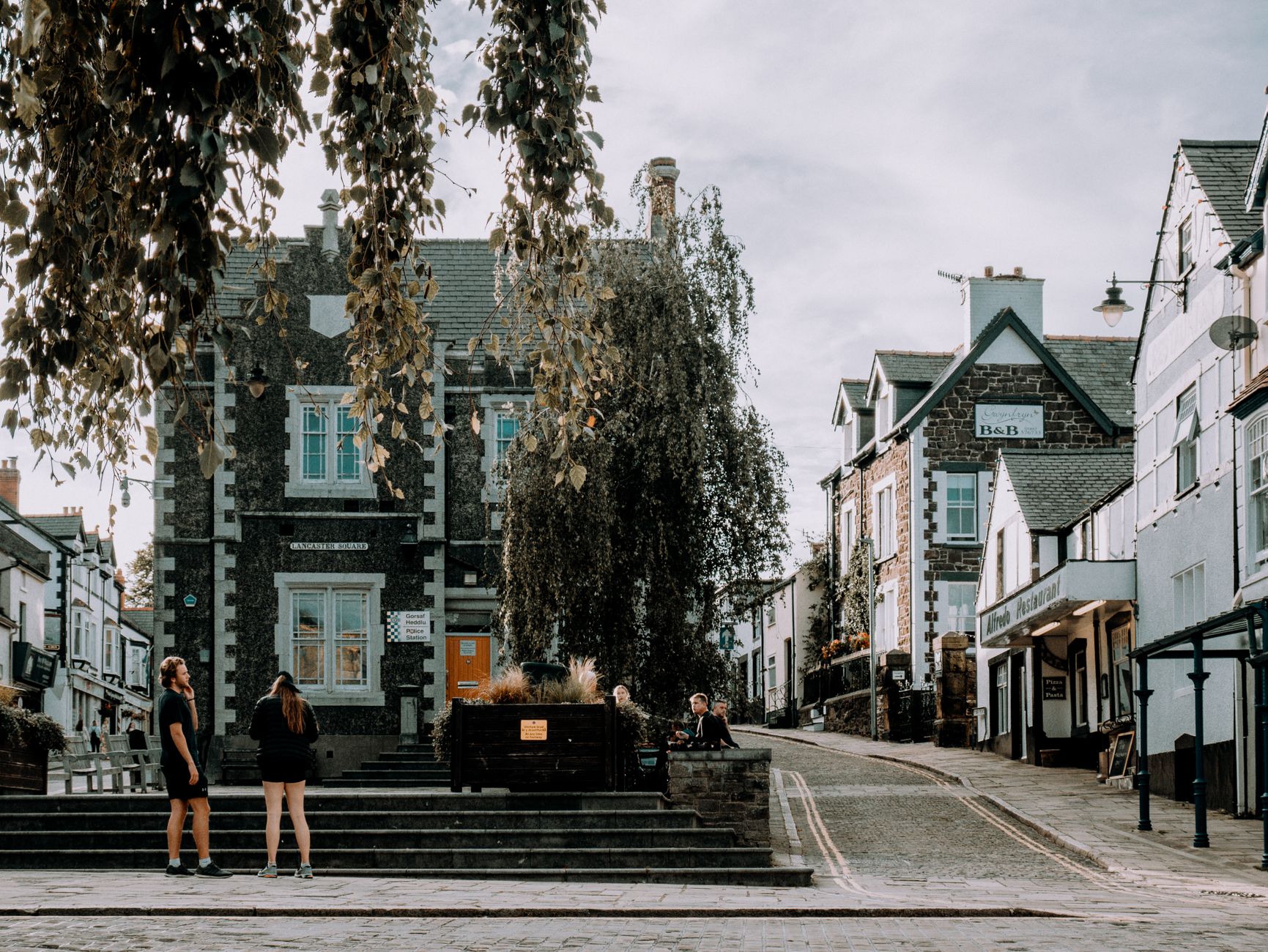
Looe arrives as two towns facing each other across a tidal river, connected by a seven-arched Victorian bridge and a centuries-long habit of argument and cooperation. East Looe keeps the beach — a wide, sheltered arc of sand tucked behind the Banjo Pier — and most of the shops. West Looe is quieter, its streets climbing steeply away from the quay.
A mile offshore, Looe Island sits in the Channel like a full stop. Once home to Benedictine monks, later to two sisters who simply bought it and lived there for decades, it's now a nature reserve managed by Cornwall Wildlife Trust. The whole place rewards close attention: the hexagonal meat market built in 1853, the pub beams salvaged from old warships, the train line that threads down a wooded valley to reach the sea.
💛 What travellers fall for
People who keep coming back tend to catch the Looe Valley Line from Liskeard rather than driving — the 30-minute ride through the wooded estuary does something to the pace of the day before you've even arrived. They also know to walk into West Looe early, when the lanes are quiet and the light is still low on the water.
Deals in Looe
Book directly at the provider
How Looe came to be
East Looe was trading and paying borough taxes by the late 12th century; West Looe received its charter from Richard, Earl of Cornwall, sometime between 1225 and 1257. A wooden bridge crossed the river by 1411, burned down, and was replaced by a stone bridge in 1436 — complete with a chapel to St Anne at its midpoint. In 1625, Barbary pirates raided the port, a reminder of how exposed these Cornish fishing towns once were to the wider, dangerous world.
The 19th century reshaped the town again. A canal to Liskeard opened in 1828; a railway followed its towpath, carrying goods from 1860 and passengers from 1879. The current bridge opened in 1853, the same year as the hexagonal meat market. By 1898, a single Urban District Council governed both sides of the river for the first time.
Who and what shaped it
People who shaped it
Landmark buildings
See Looe in motion
Plan your visit
On the map
When to go
Looe sits on Cornwall's south coast and gets some of the mildest, wettest weather in England — winters are rarely harsh, summers rarely scorching. July and August bring the most reliable warmth for the beach; spring and October can be breezy and overcast but the light on the estuary is often better for it.
Right now
Background & history adapted from Wikipedia (CC BY-SA) · specs from Wikidata (CC0) · weather from Open-Meteo · map data © OpenStreetMap contributors · photos from Wikimedia Commons / Unsplash with per-image credit. No third-party reviews or social posts reproduced.