
Peak District
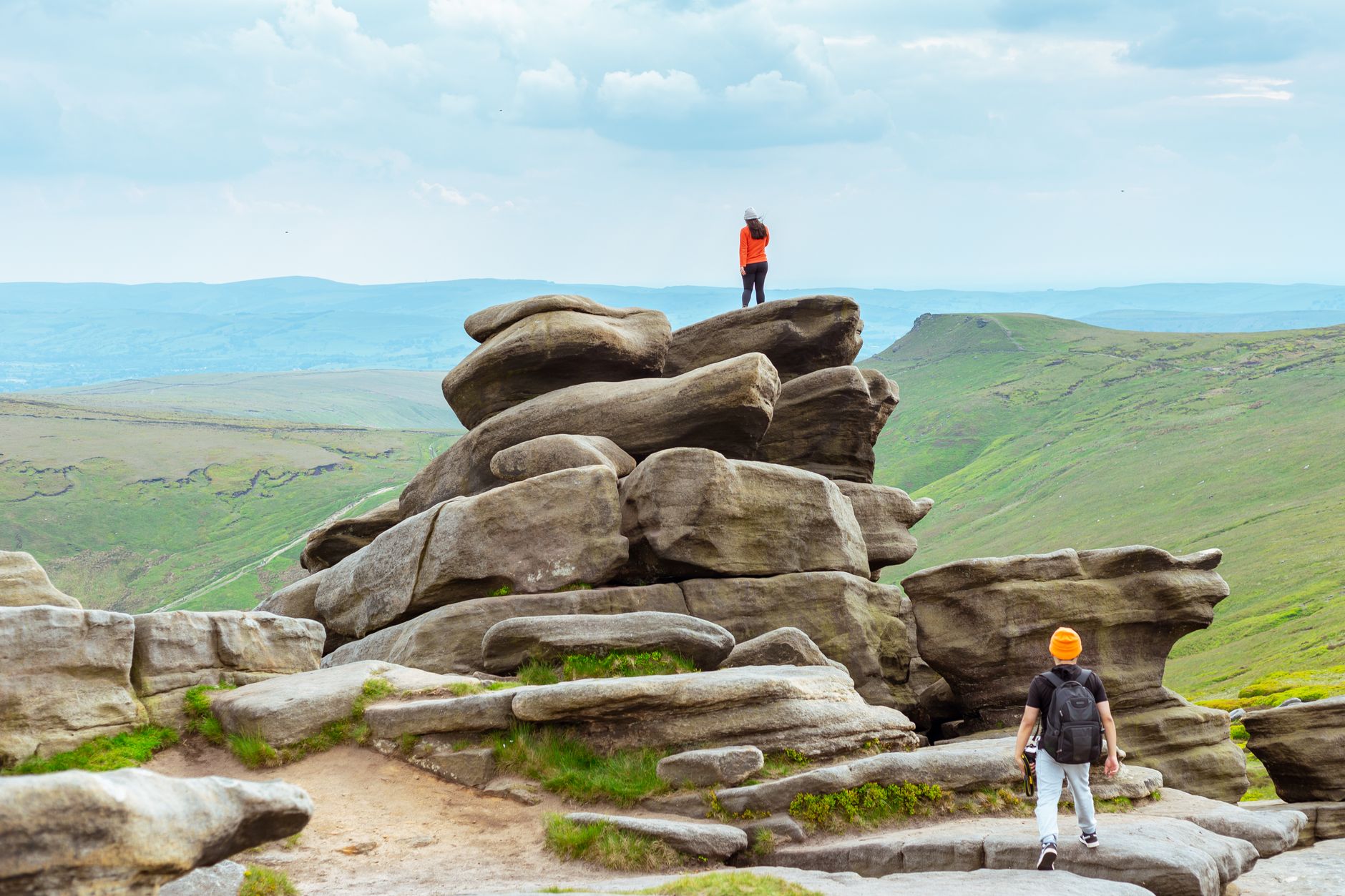
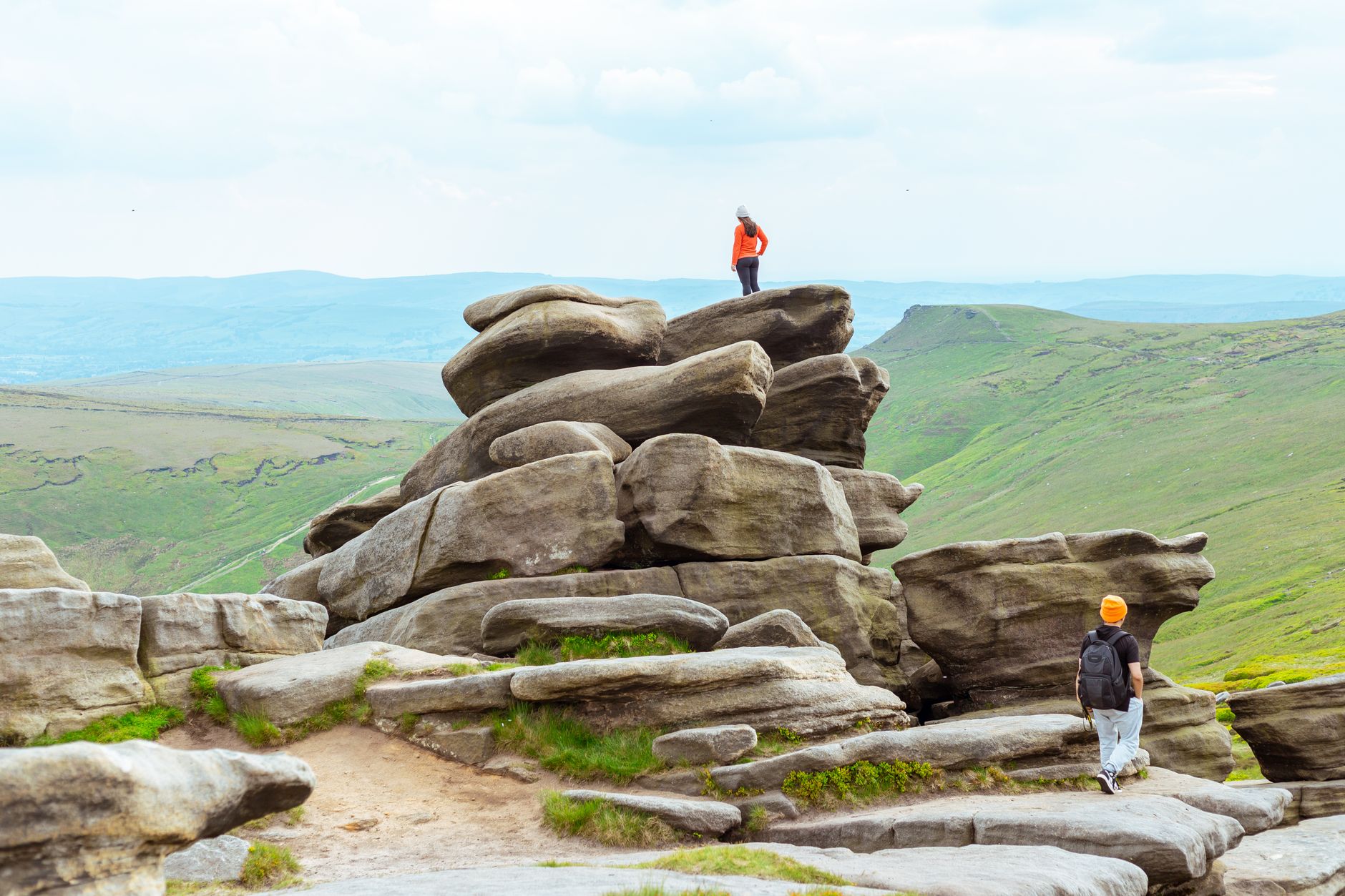
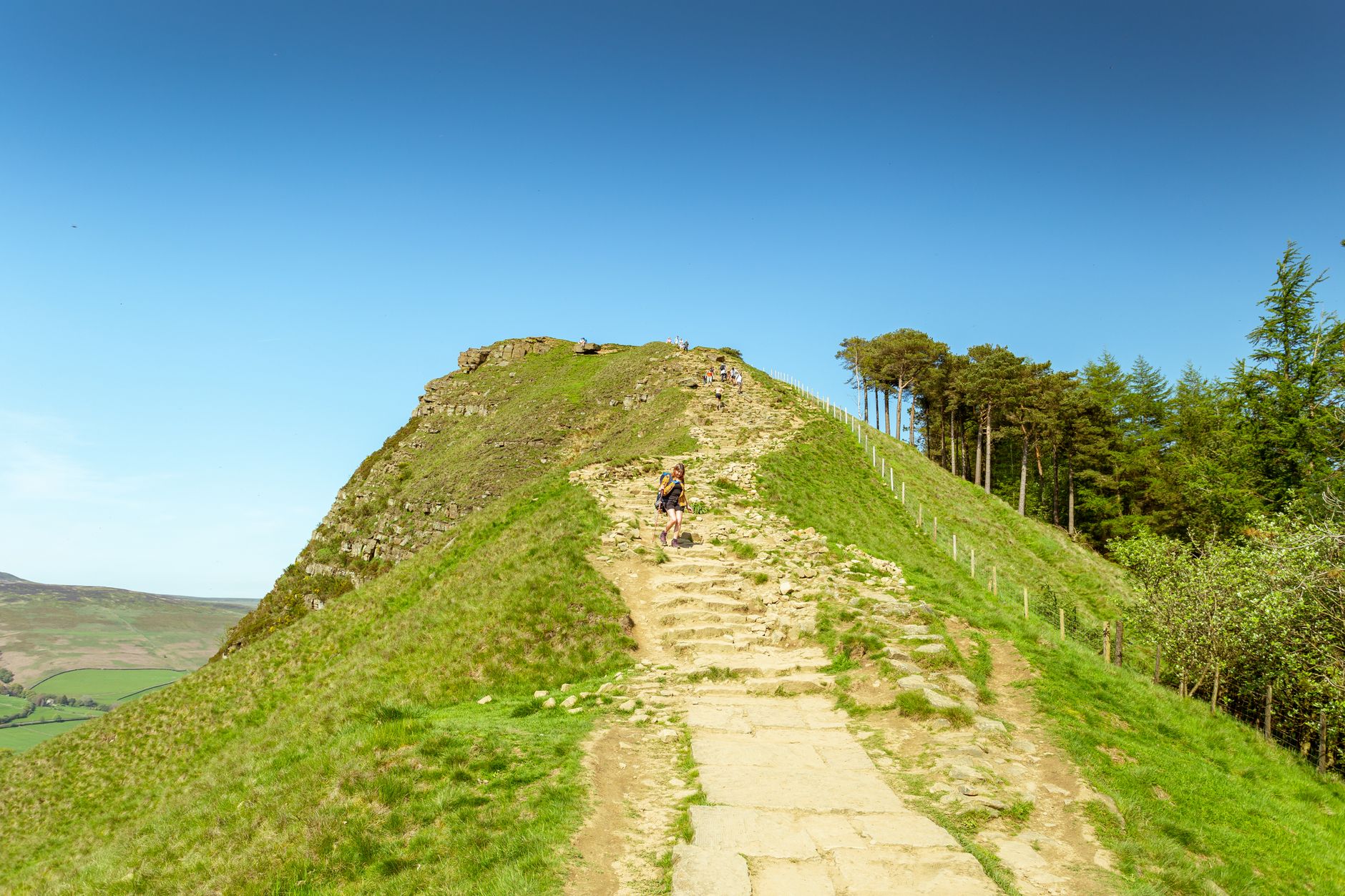
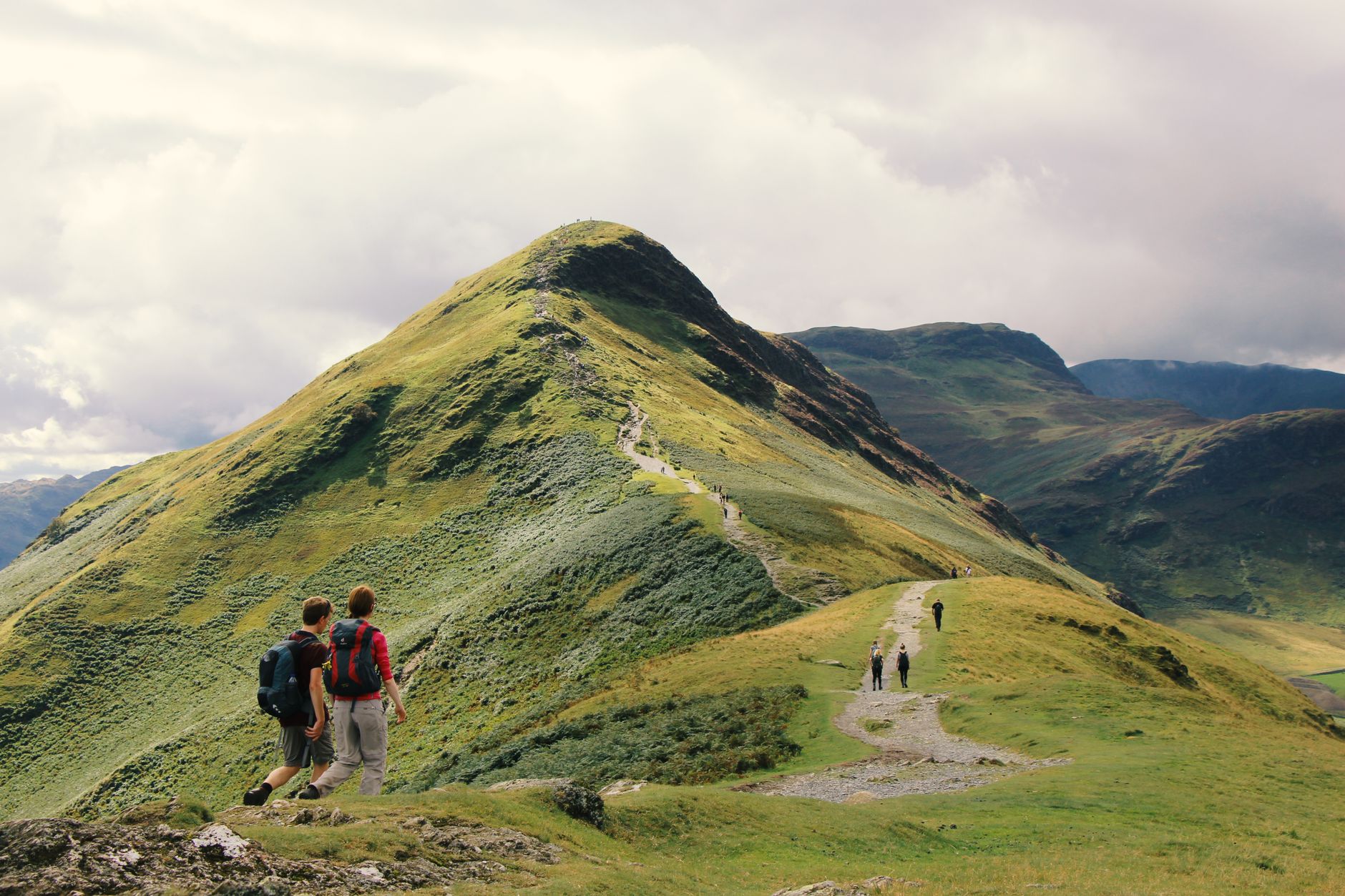
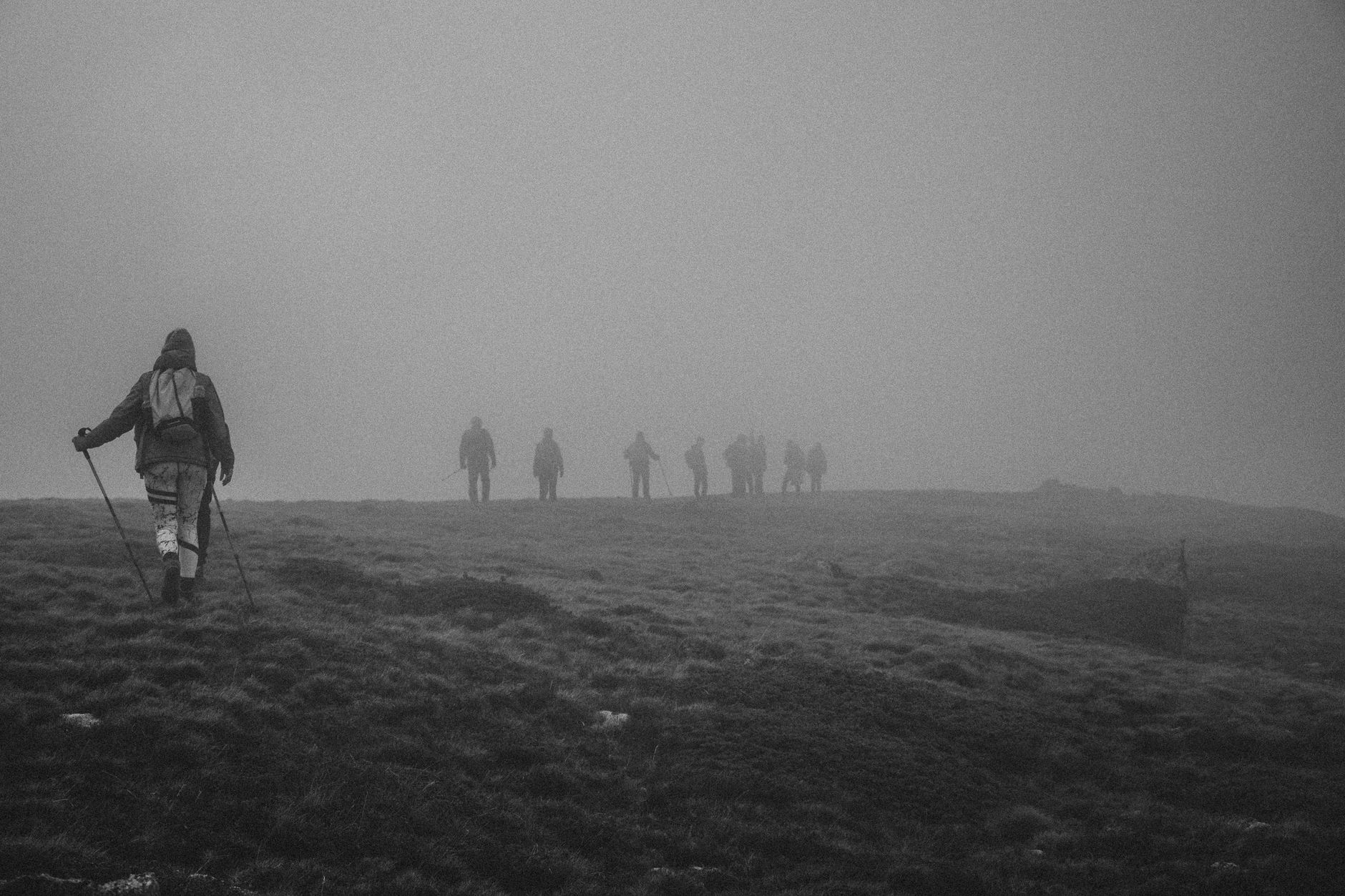
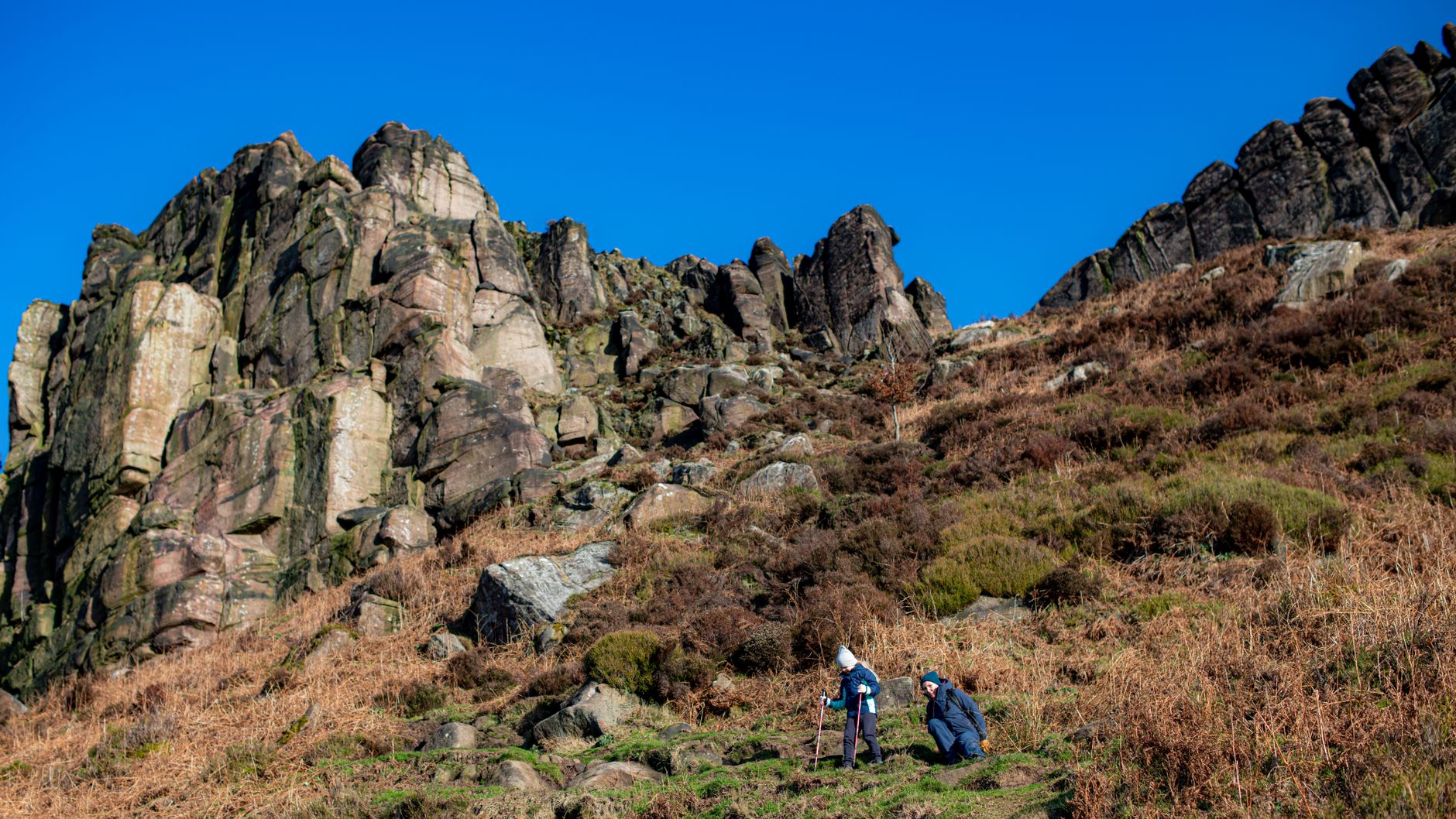
The Peak District sits in the middle of England — geographically, historically, and in the imagination of anyone who's ever walked out of a Sheffield or Manchester suburb and found themselves, twenty minutes later, on open moorland. It was the first national park in the UK, designated in 1951, and it remains the most visited, drawing more than thirteen million people a year across 1,600 miles of footpaths. Yet it still manages to feel spacious.
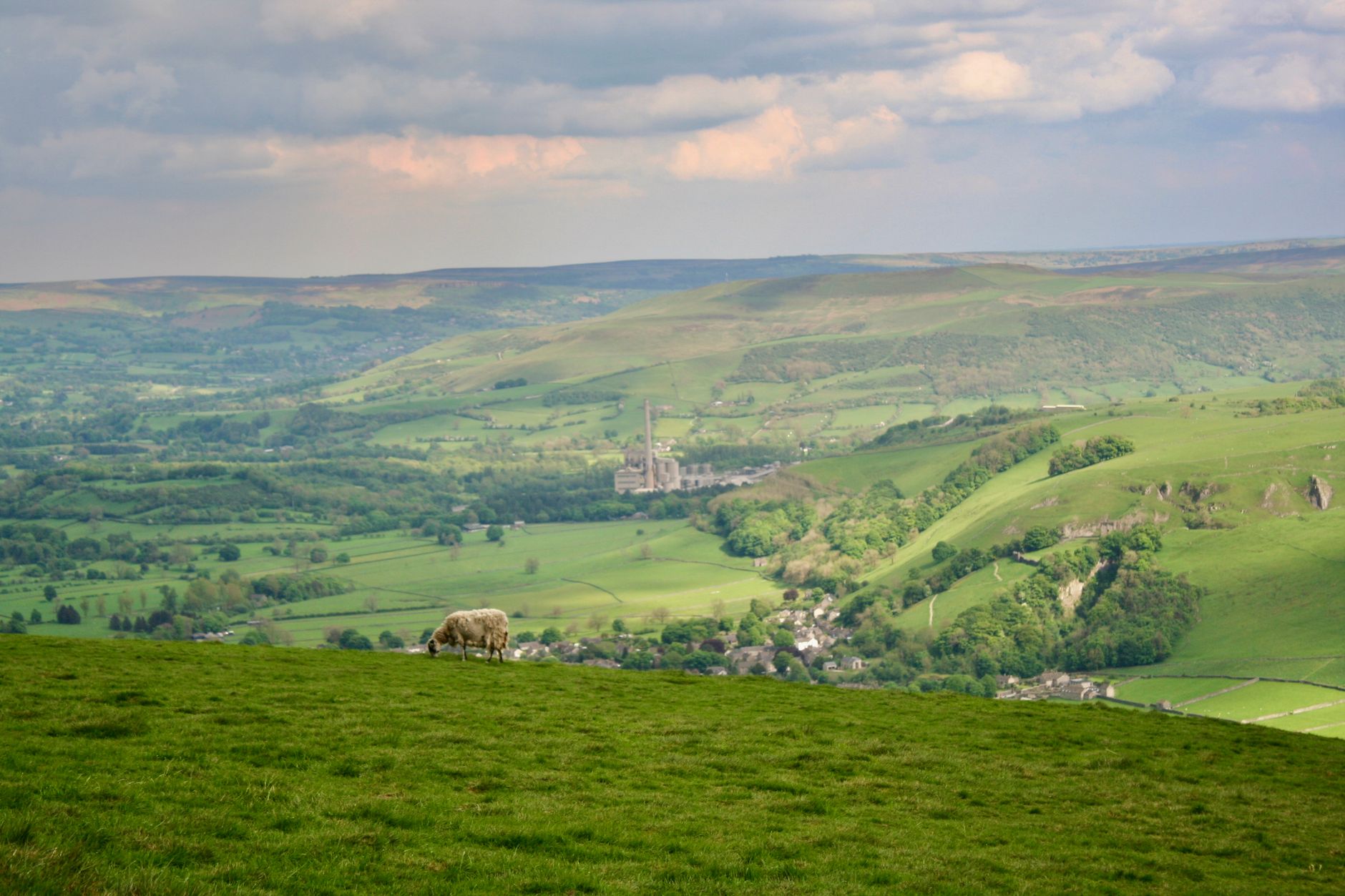
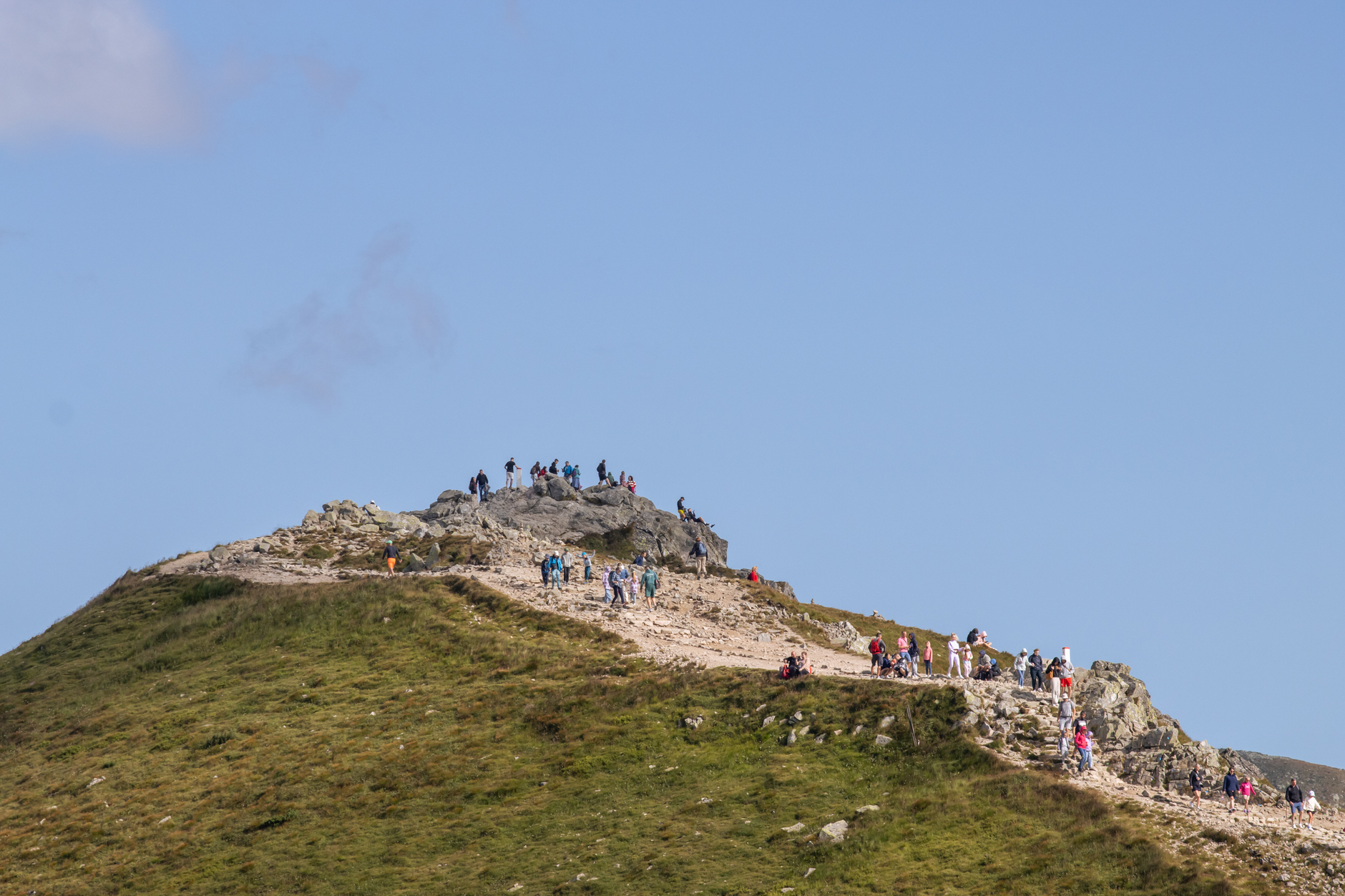
The landscape splits roughly into three: the dark gritstone edges and peat moors of the north, the pale limestone dales of the centre, and the softer, farmed hills to the south-west. Each has its own character. Kinder Scout, at 636 metres, is the high point — in every sense.
Popular cities in Peak District
💛 What travellers fall for
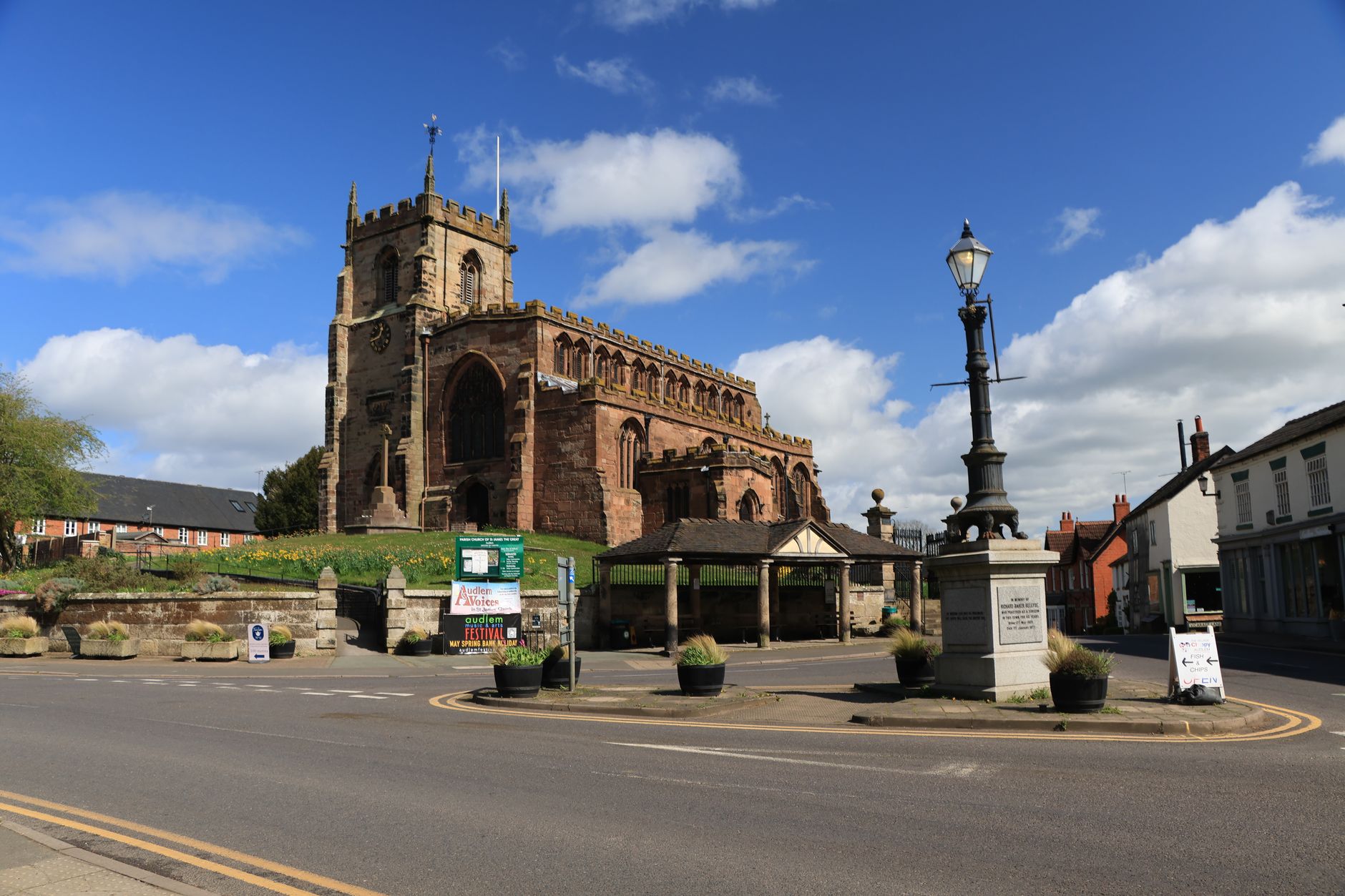
Regulars tend to keep a few loyalties: Bakewell pudding from one of the town's older shops (not the tart — a different thing entirely), a preferred stretch of the Derwent Valley, and a well-dressing festival they return to each summer. Edale, where the Pennine Way begins, draws the kind of people who like to start long things.
How Peak District came to be
People have been moving through this landscape for around ten thousand years. By the Bronze Age it was farmed and settled; the henge at Arbor Low, built somewhere between three and six thousand years ago, is the most significant prehistoric structure in the East Midlands. The Romans arrived around 80 AD; the Normans left Peveril Castle above Castleton, its stone keep raised by Henry II in 1176. The name itself likely comes from the Anglo-Saxon Pecsaeton tribe, present here by the sixth century.
The park's modern shape owes something to a single afternoon in April 1932, when hundreds of walkers staged a mass trespass on Kinder Scout to challenge the exclusion of ordinary people from private moorland. It was a deliberately illegal act, several participants were jailed, and it shifted the political argument decisively. The National Parks and Access to the Countryside Act followed in 1949; the Peak District became Britain's first national park on 17 April 1951.
Who and what shaped it
People who shaped it
Landmark buildings
See Peak District in motion
Plan your visit
On the map
When to go
The Peak District is wetter and cooler than the English lowlands, particularly on the high moors, where mist and rain can arrive without much warning even in summer — a waterproof layer is useful year-round. Winter brings occasional snow to the gritstone uplands; spring and September tend to offer the most reliable walking weather.
Right now
↡ Cities
Background & history adapted from Wikipedia (CC BY-SA) · specs from Wikidata (CC0) · weather from Open-Meteo · map data © OpenStreetMap contributors · photos from Wikimedia Commons / Unsplash with per-image credit. No third-party reviews or social posts reproduced.