
Bakewell


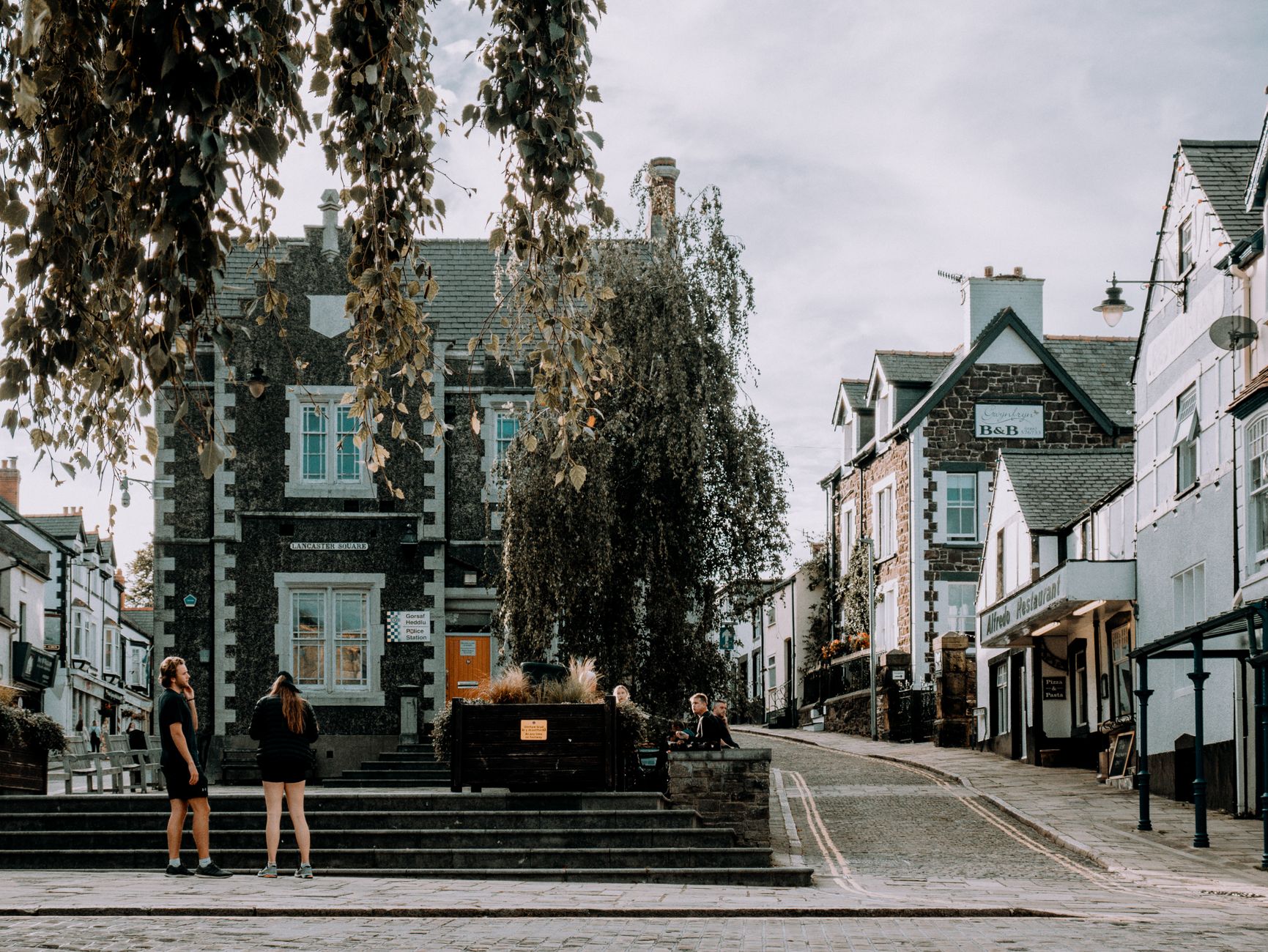
Bakewell is the kind of market town where the medieval bridge over the River Wye has been carrying foot traffic since the thirteenth century, and the bakeries on the main street are still arguing, quietly, over who makes the authentic pudding. The Peak District rolls in from every direction — limestone dales, dry-stone walls, the long ridgeline of the moors — but Bakewell itself is a working town, not a set piece. Monday's market still draws farmers and locals in the same square where the Rutland Arms has stood since 1804.
The town sits on the Wye, connected by the A6 to Buxton to the north and Matlock to the south, and its streets compress a surprising amount of history into a compact, walkable area.
💛 What travellers fall for
People who return tend to time it around the Monday market, when the square fills with proper stalls rather than tourist fare. The Old House Museum on Cunningham Place is easy to miss and worth the £3 — it's a Tudor building that still feels like one. And order the pudding, not the tart: they are different things.
Experiences you don't want to miss


Deals in Bakewell
Book directly at the provider


How Bakewell came to be
Bakewell's name reaches back to an Anglo-Saxon woman called Badeca, whose spring — wella — gave the settlement its identity. By 920, King Edward the Elder had ordered a fortification built here, a strategic point in the Mercian landscape recorded in the Anglo-Saxon Chronicle. The Domesday Book of 1086 knew it as Badequelle. A market charter followed in 1254, and the stone bridge over the Wye went up shortly after — it still stands, five arches, Grade I listed.
Industry arrived in 1782 with Arkwright's cotton mill at Lumford, employing around 350 workers before it burned down in 1868. The railway opened in 1862 and closed in 1968, leaving the town to its roads and buses. Jane Austen stayed here in 1811 and quietly turned it into Lambton for Pride and Prejudice.
Who and what shaped it
People who shaped it
Landmark buildings
See Bakewell in motion
Plan your visit
On the map
When to go
Summers are mild and frequently overcast, with enough rain to keep the dales green; July and August bring the most visitors and the best odds of dry walking weather. Winters are cold and sometimes sharp, but the town functions year-round — just pack layers even in June.
Right now
Background & history adapted from Wikipedia (CC BY-SA) · specs from Wikidata (CC0) · weather from Open-Meteo · map data © OpenStreetMap contributors · photos from Wikimedia Commons / Unsplash with per-image credit. No third-party reviews or social posts reproduced.