
Wirksworth
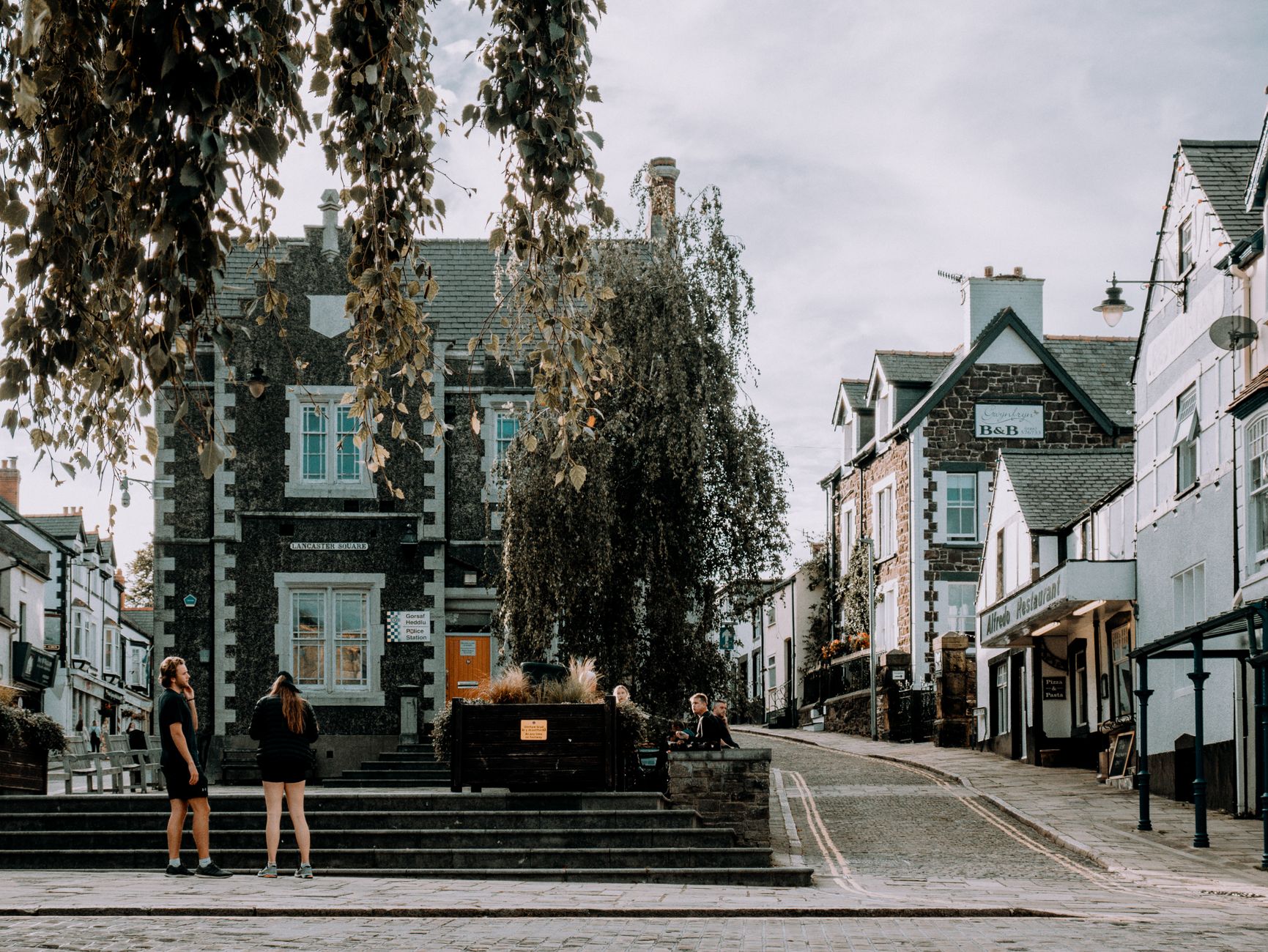


The first thing you notice in Wirksworth is that it climbs. Streets and narrow jitties angle upward from the market place, leading to clusters of stone cottages around small courtyards, and the locals call the tangle of passages between The Dale and Greenhill the Puzzle Gardens — which tells you something about the town's relationship with itself.
This is one of the oldest settlements in the Peak District, with a charter dating to 835, and lead mining so central to its past that the Domesday Book counted three mines here in 1086. The medieval church, the 1814 Moot Hall where the ancient Barmote court still meets, and 107 listed buildings keep the layers visible without turning the place into a museum.
💛 What travellers fall for
People who come back tend to time a visit around the first Saturday of the month for the farmers market, or aim for early June when the well dressing decorates taps as well as wells across town. The Heritage Centre café in Crown Yard, a converted silk and velvet mill just off the market place, is a reliable stop before walking the jitties up the hill.
Deals in Wirksworth
Book directly at the provider


How Wirksworth came to be
Wirksworth's name appears in documents as early as 835, when the Abbess of Wirksworth granted land to a Mercian duke — the oldest known charter in the Peak District. Lead and silver drew the Normans, who rebuilt the church from 1272, and by Tudor times Wirksworth was the second largest town in Derbyshire after Derby. The Gell family shaped much of its later character: Anthony Gell founded the grammar school, Philip Gell opened the Via Gellia road to carry ore to the smelter at Cromford, and in 1777 Richard Arkwright leased a mill here and converted it for cotton spinning with his water frame.
The railway arrived in 1867, but by the twentieth century the town had faded. In the 1970s, a local civic association launched the Wirksworth Project, designating much of the centre a restoration zone — the reason the stone streetscape survives as coherently as it does today.
Who and what shaped it
People who shaped it
Landmark buildings
See Wirksworth in motion
Plan your visit
On the map
When to go
Summers are short and mild, with July averaging around 15–16 °C; June tends to be the wettest month, so a waterproof is worth carrying. Winters are long and cold, with January dipping to around 3–4 °C and persistent cloud, though the stone town looks particularly itself under a grey Derbyshire sky.
Right now
Background & history adapted from Wikipedia (CC BY-SA) · specs from Wikidata (CC0) · weather from Open-Meteo · map data © OpenStreetMap contributors · photos from Wikimedia Commons / Unsplash with per-image credit. No third-party reviews or social posts reproduced.