
Hartington
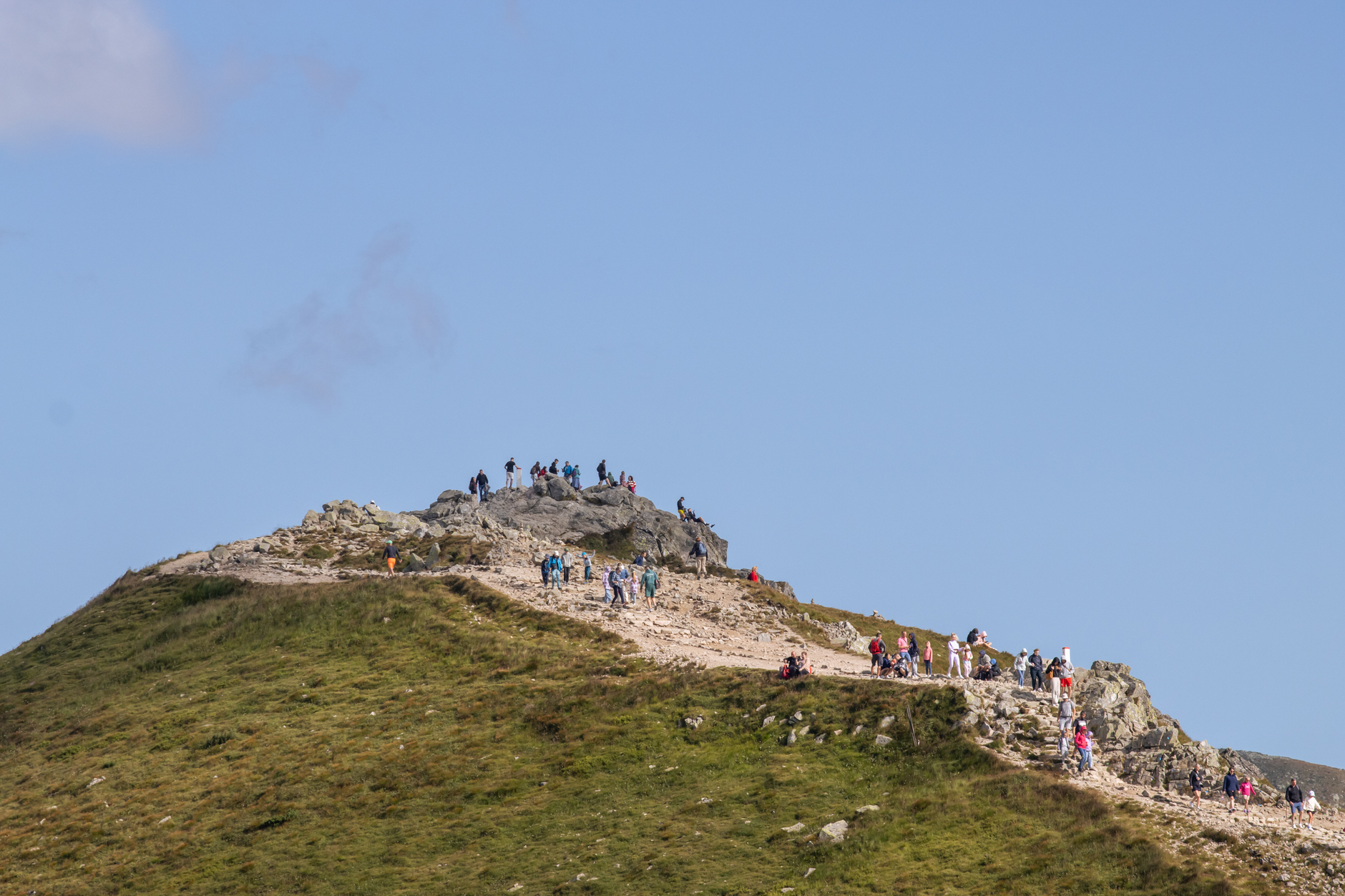
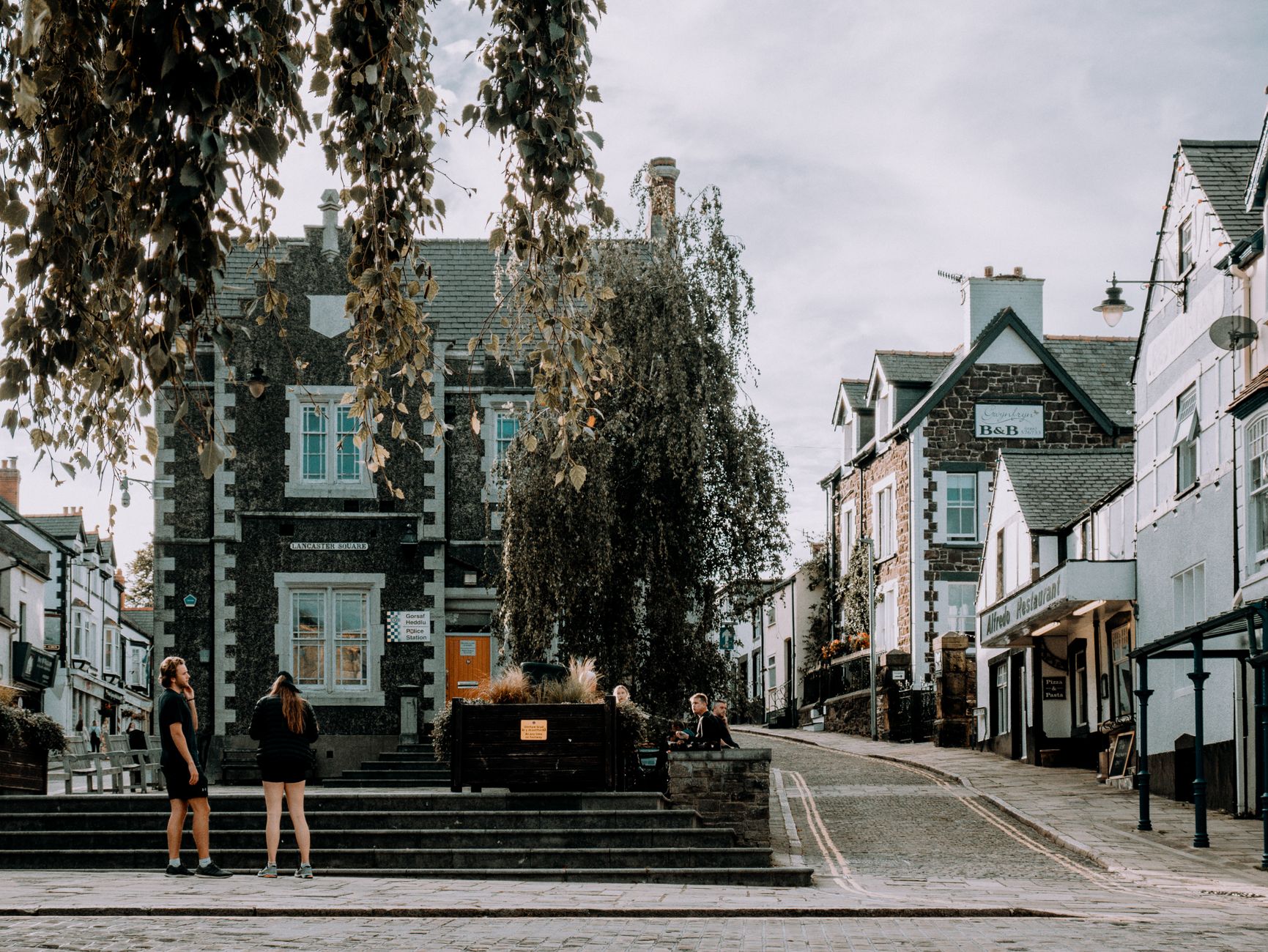
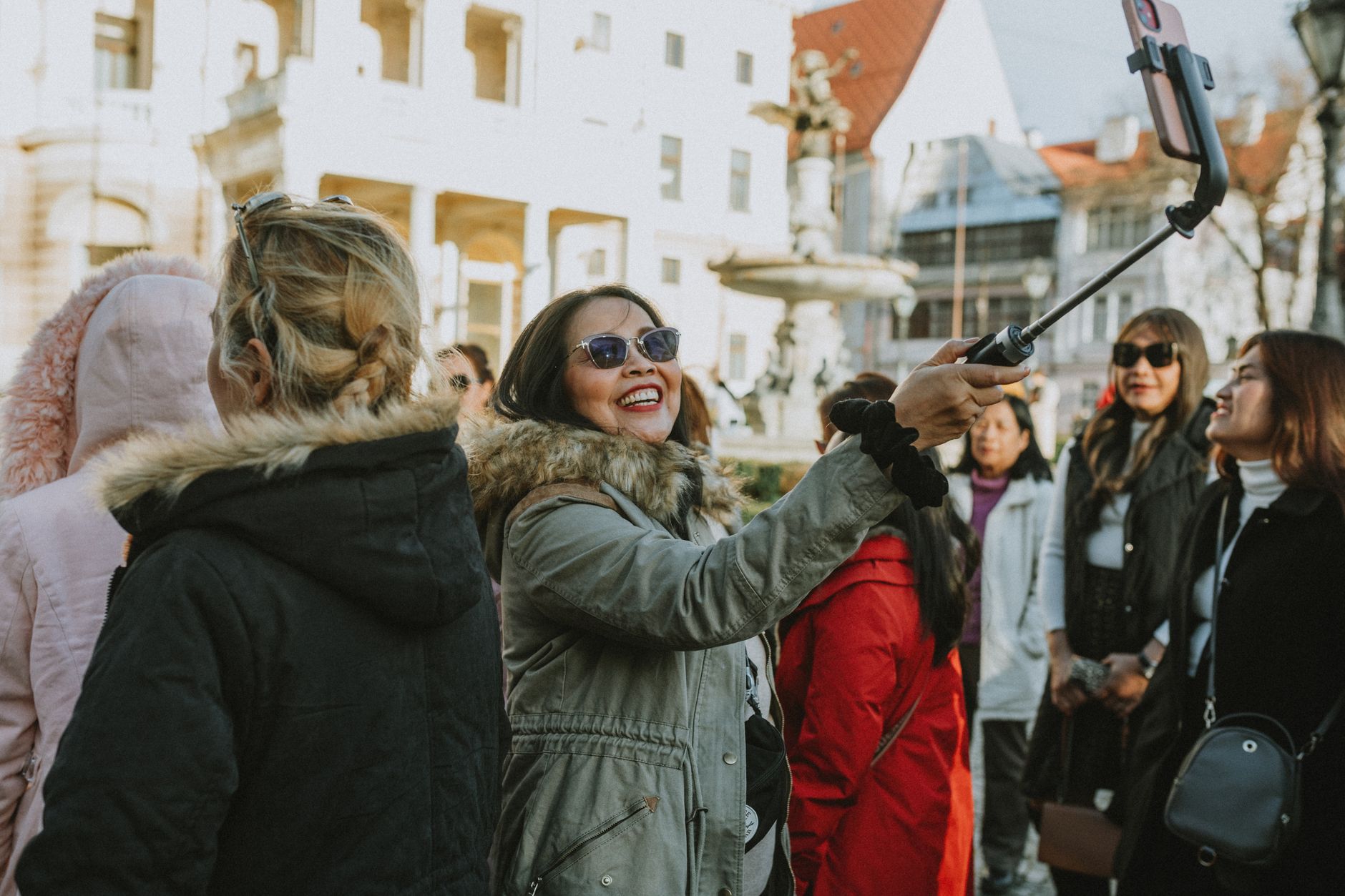
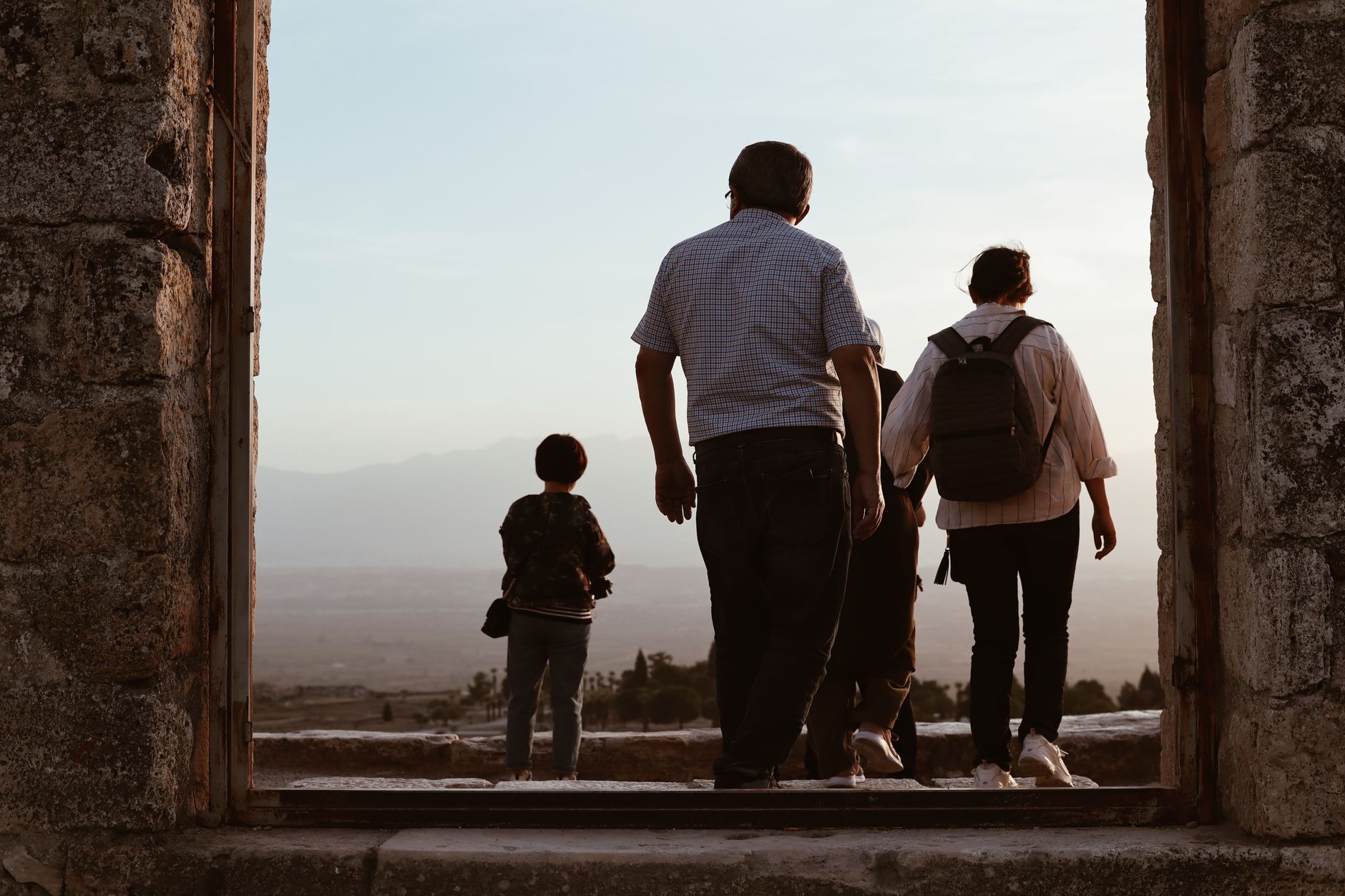

The duck pond in Hartington's marketplace sits so squarely at the centre of things that it functions as a kind of clock — people orient around it, dogs circle it, walkers pause beside it before heading out onto the limestone plateau. The village is small enough that you can read its whole shape in an hour, yet deep enough in Derbyshire's White Peak to feel genuinely removed from anywhere.
Hartington made cheese long before it was fashionable. The creamery the Duke of Devonshire founded in the 1870s closed in 2009, but former employees reopened a smaller version in 2014 — and Stilton, one of only a handful of places licensed to produce it, is still made here.
💛 What travellers fall for
People who come back tend to time it around the trails. The Tissington and High Peak trails meet at Parsley Hay, under a mile east, and the old railway trackbeds give you thirty miles of flat, car-free cycling. The signal box at the former Hartington station — about two miles out — has been converted into a visitor centre worth the detour.
Deals in Hartington
Book directly at the provider


How Hartington came to be
Hartington appears in the Domesday Book as a holding of Henry de Ferrers, valued at forty shillings. In 1203 his descendant William de Ferrers secured a market charter, establishing the trading function the marketplace still echoes. The village was originally organised as four townships — Town, Nether, Middle, and Upper Quarter — which didn't become separate parishes until 1866.
The Cavendish family arrived in the 17th century and shaped much of what stands today: the Old Vicarage was built by the 5th Duke for the manager of his copper mines at Ecton; the Drill Hall was raised for a local rifle volunteer corps. Hartington Hall, begun around 1350 and rebuilt in 1611 by Thomas Bateman, became a youth hostel in 1934 and still takes guests. The railway came in 1899 and was gone, track and all, by 1964.
Who and what shaped it
People who shaped it
Landmark buildings
See Hartington in motion
Plan your visit
On the map
When to go
July averages around 20°C — warm enough for a full day on the trails, though the plateau catches wind. February sits near 7°C; the village is walkable in winter but the surrounding paths can be muddy after rain, and light fades early on the high ground.
Right now
Background & history adapted from Wikipedia (CC BY-SA) · specs from Wikidata (CC0) · weather from Open-Meteo · map data © OpenStreetMap contributors · photos from Wikimedia Commons / Unsplash with per-image credit. No third-party reviews or social posts reproduced.