
Ashbourne
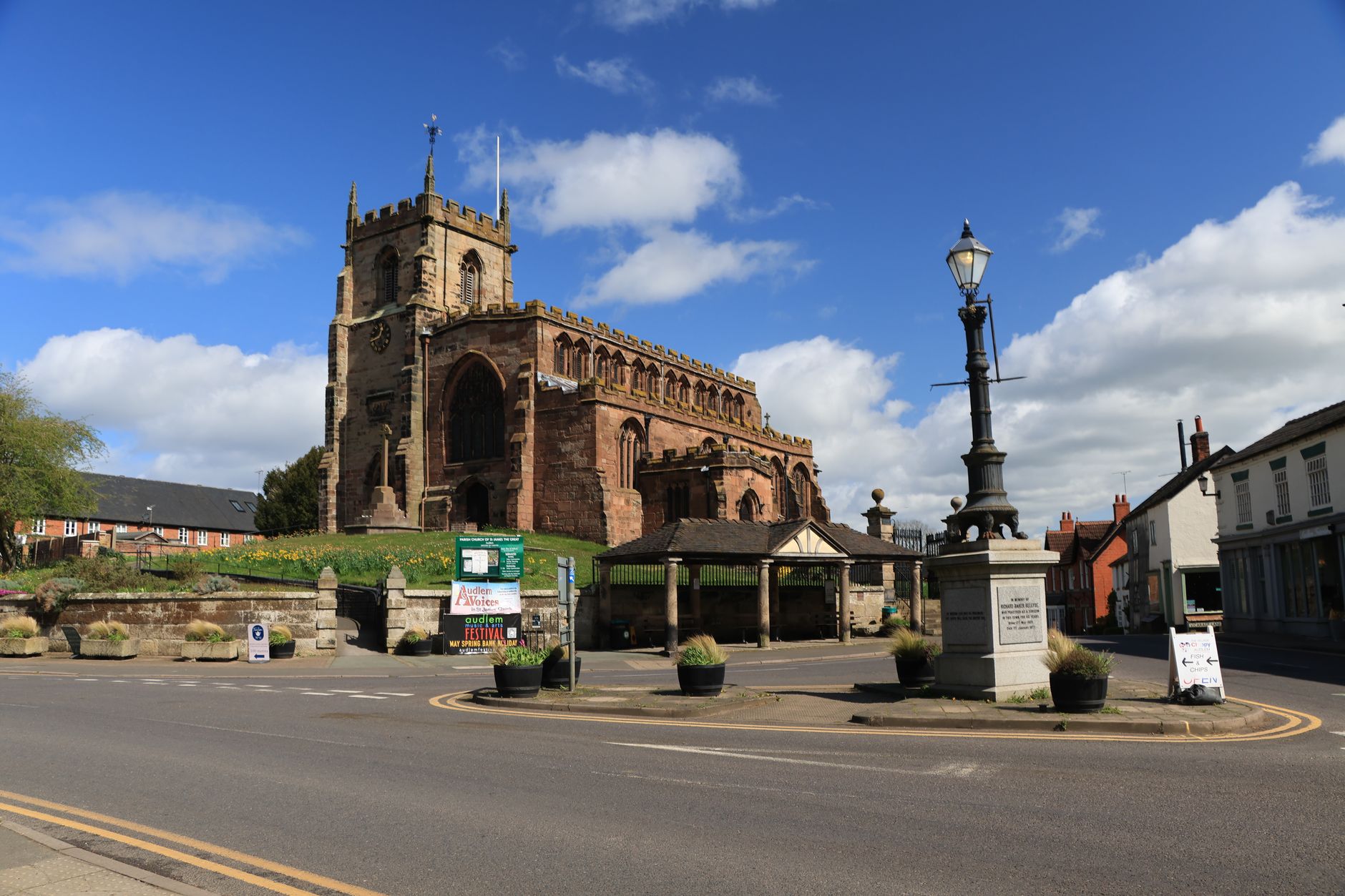

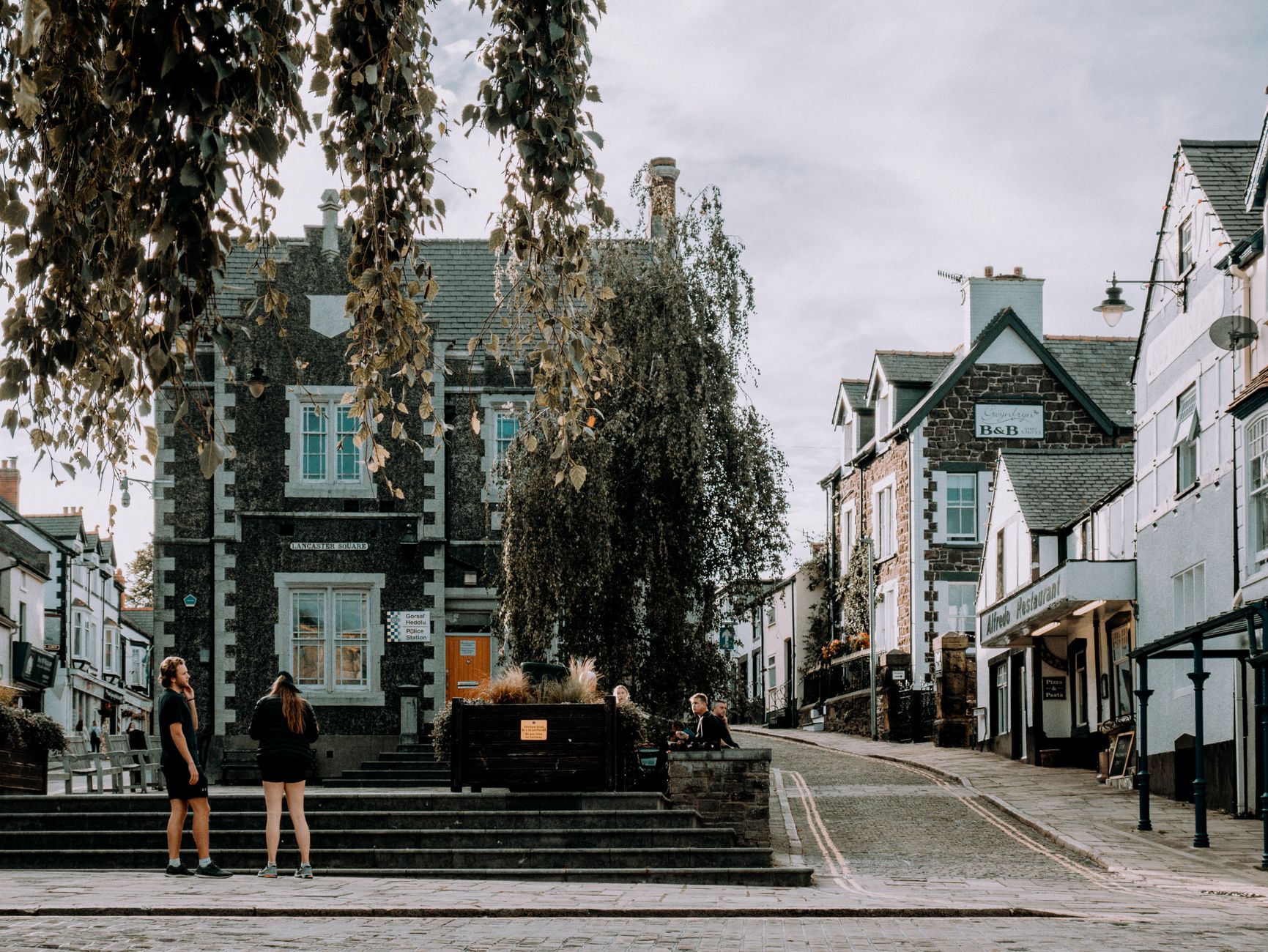
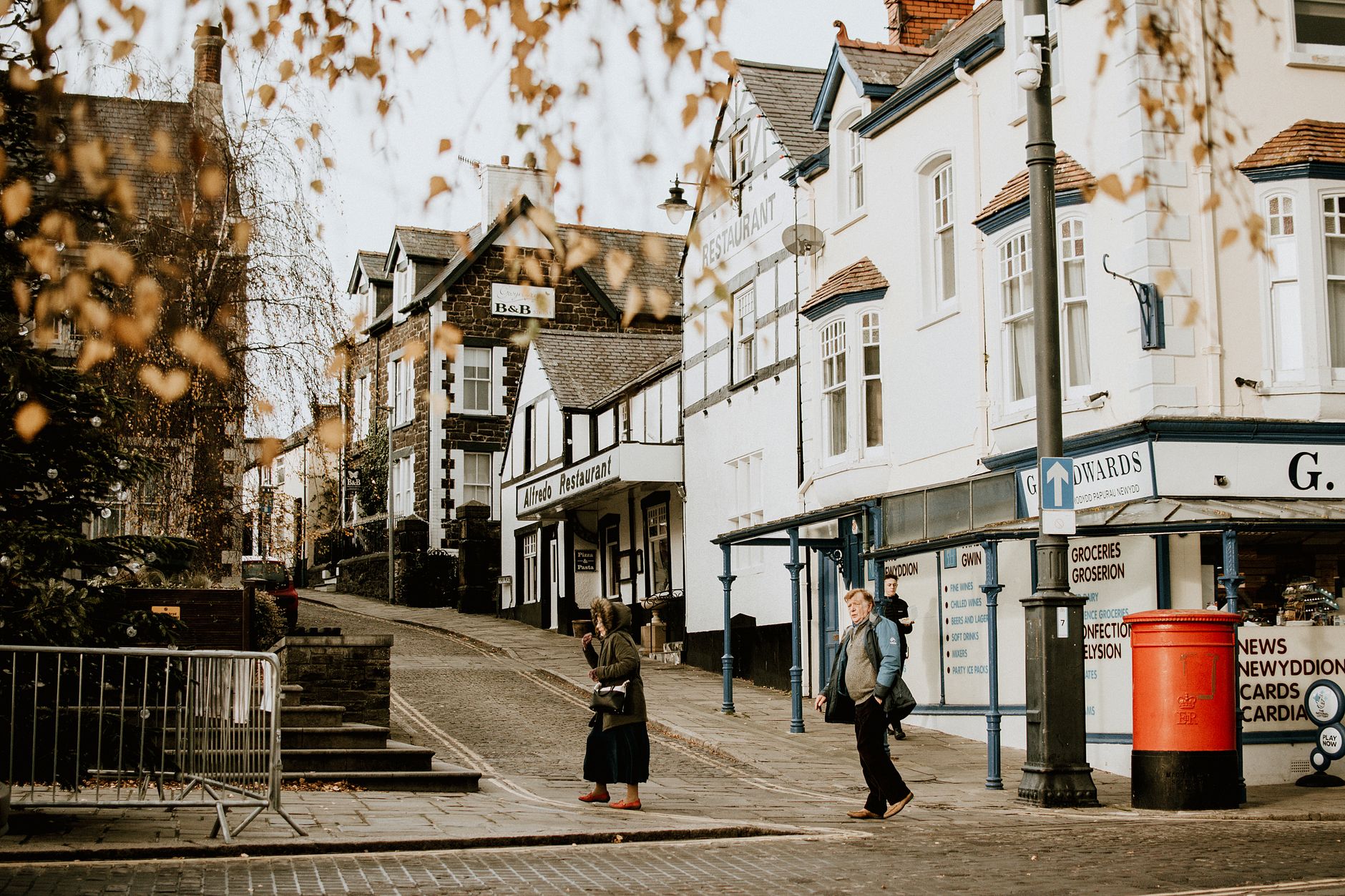


Ashbourne announces itself with a spire. St Oswald's rises 215 feet over the rooftops in Early English stone, and George Eliot, who visited often enough to have opinions, called it the finest mere parish church in the kingdom. The town below it is Georgian in bone structure — brick and stone townhouses that replaced medieval buildings during the era when six coaching roads converged here and wealthy travellers stopped long enough to build something worth stopping for.
Today the cobbled market place still runs its outdoor market on Thursdays and Saturdays, the Green Man & Black's Head Royal Hotel has reopened after years dark, and the streets hold over 160 listed buildings. Ashbourne sits at the southern edge of the Peak District, grounded and a little unhurried.
💛 What travellers fall for
People who come back tend to time it around the Thursday market and build the day from there — coffee, then the walk up to St Oswald's to see the Penelope Boothby memorial, then lunch before the afternoon light hits the Georgian façades on Church Street. The Green Man is worth a drink even if you're not staying; the inn sign spanning the street is genuinely absurd in the best way.
Experiences you don't want to miss



Deals in Ashbourne
Book directly at the provider
How Ashbourne came to be
The name comes from the Old English for a stream by ash trees — Esseburne in the Domesday Book — and the settlement likely dates to the 8th or 9th century. A market charter arrived in 1257, royal borough status in 1276, and for centuries the town served pilgrims moving through on their way to shrines further south. In 1745 the forces of Bonnie Prince Charlie passed through during the Jacobite rising, a reminder of how much traffic these roads once carried.
The Georgian era transformed Ashbourne's fabric. Six coaching roads met here, including the London–Carlisle route, and the town became a fashionable social centre. Samuel Johnson visited repeatedly — his father was born five miles away in Cubley — staying with his friend Dr John Taylor, whose house on Church Street gained its portico and Venetian window in 1764–65. The railway arrived in 1899 and closed to passengers by 1954; a Nestlé creamery ran from 1910 until the milk trains stopped in 1965.
Who and what shaped it
People who shaped it
Landmark buildings
See Ashbourne in motion
Plan your visit
On the map
When to go
Summers are mild and the light on the stone is good from May through September, though rain arrives without much warning this close to the Peak District uplands. Winter markets have their own atmosphere, but expect cold and short days from November onward.
Right now
Background & history adapted from Wikipedia (CC BY-SA) · specs from Wikidata (CC0) · weather from Open-Meteo · map data © OpenStreetMap contributors · photos from Wikimedia Commons / Unsplash with per-image credit. No third-party reviews or social posts reproduced.