
Hathersage

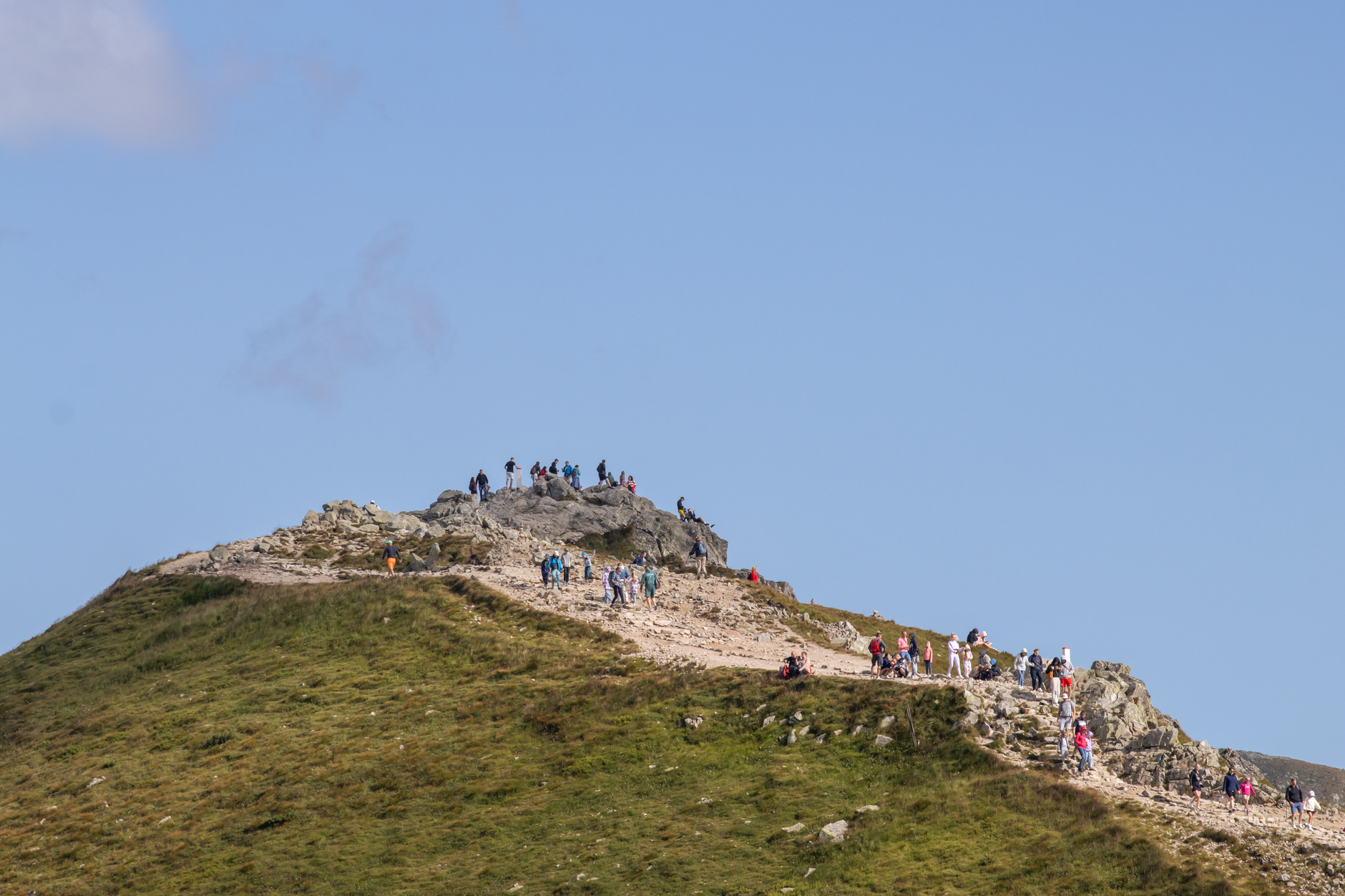
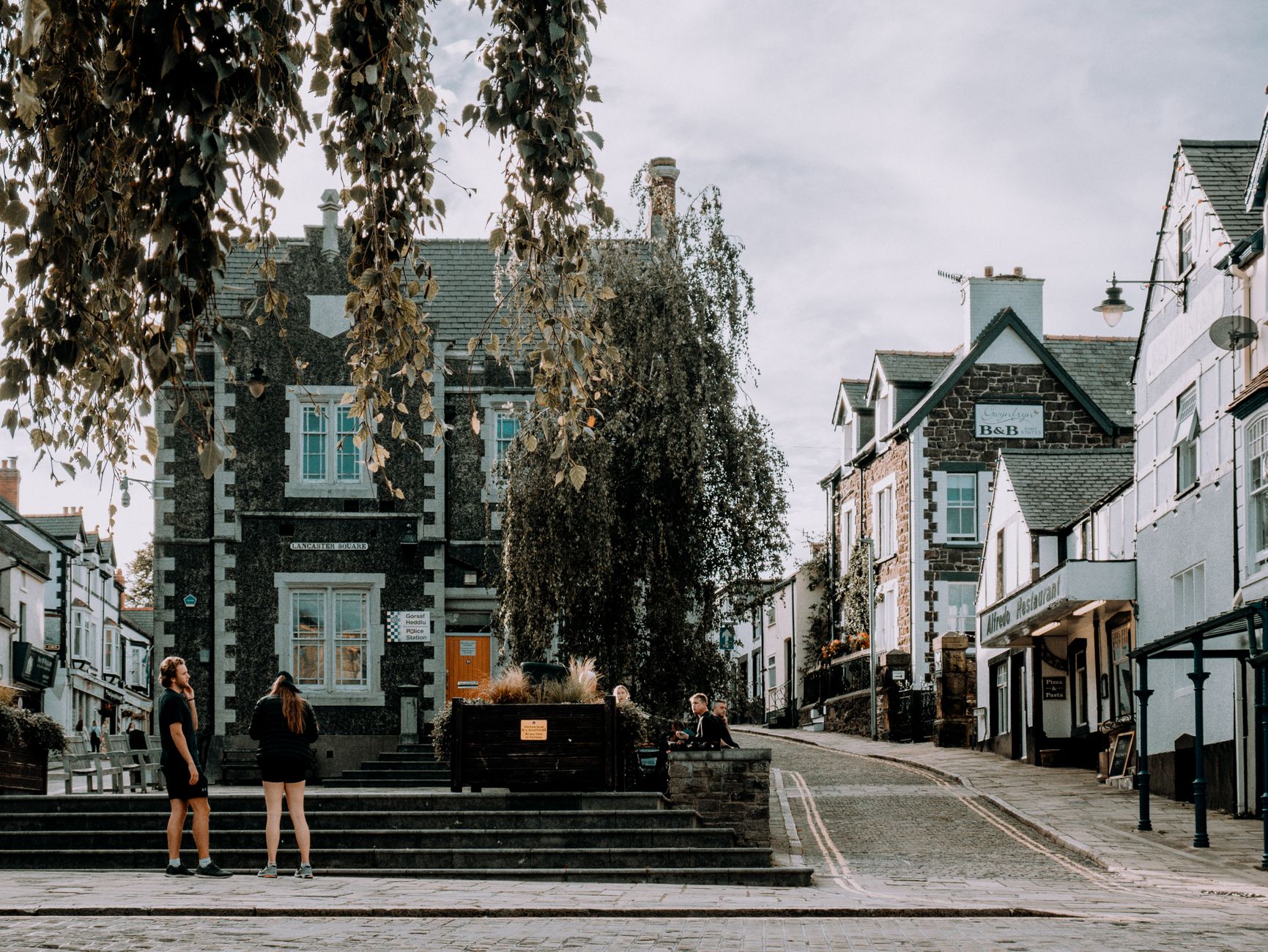


Stand in the graveyard of St Michael and All Angels on a clear morning and you can see Stanage Edge running along the skyline like a dark ruled line. Below your feet, according to stones laid here centuries ago, lies Little John — and when a thigh bone was dug up in 1780, it measured over two feet long. Hathersage has always been a place where the ordinary and the legendary sit close together.
The village earned its living hard: wire, pins, needles, brass buttons — industries so dangerous that workers rarely made it past thirty, a fact grim enough to prompt some of England's earliest factory legislation. The last mill closed in the 1950s. What replaced it, gradually, was walkers, climbers, and anyone who'd read Jane Eyre and wanted to see the original of Thornfield Hall.
💛 What travellers fall for
People who come back tend to time a visit around the outdoor pool — open since 1936, heated to 28°C year-round, and genuinely worth the trip in October when the surrounding hills have gone amber. The David Mellor Design Museum café is a reliable lunch stop, small and unshowy. Walk up to North Lees Hall in the late afternoon when the light is low.
Deals in Hathersage
Book directly at the provider


How Hathersage came to be
The name appears in Domesday Book in 1086 as 'Hereseige', though the site was occupied long before that — Mesolithic microliths have been found below Stanage Edge, and Bronze Age cairns sit at Dennis Knoll. The church was first built by Richard Bassett, son of Ralph Bassett, Chancellor of England under Henry I. A probable Norman ringwork at Camp Green, near the church, marks the edge of a Danish-period earthwork.
The industrial chapter opened in 1566 when Christopher Schutz, a German immigrant, established wire-drawing works here. By the mid-18th century the village was producing brass buttons, wire, pins and needles at a scale that made grinding dust a public health crisis — the average mill worker's life expectancy was thirty years. Daniel Defoe noted the millstone trade in 1728, with stones going to North America, Russia and Scandinavia. The railway arrived on 25 June 1894, and the relationship between Hathersage and the wider world shifted permanently.
Who and what shaped it
People who shaped it
Landmark buildings
See Hathersage in motion
Plan your visit
On the map
When to go
The Peak District uplands mean Hathersage runs cooler and wetter than you might expect, even in summer — a waterproof layer is sensible from September through May. Spring and early autumn bring the clearest light for walking Stanage Edge; July and August are warmest but draw the largest crowds.
Right now
Background & history adapted from Wikipedia (CC BY-SA) · specs from Wikidata (CC0) · weather from Open-Meteo · map data © OpenStreetMap contributors · photos from Wikimedia Commons / Unsplash with per-image credit. No third-party reviews or social posts reproduced.