
Northern Ireland
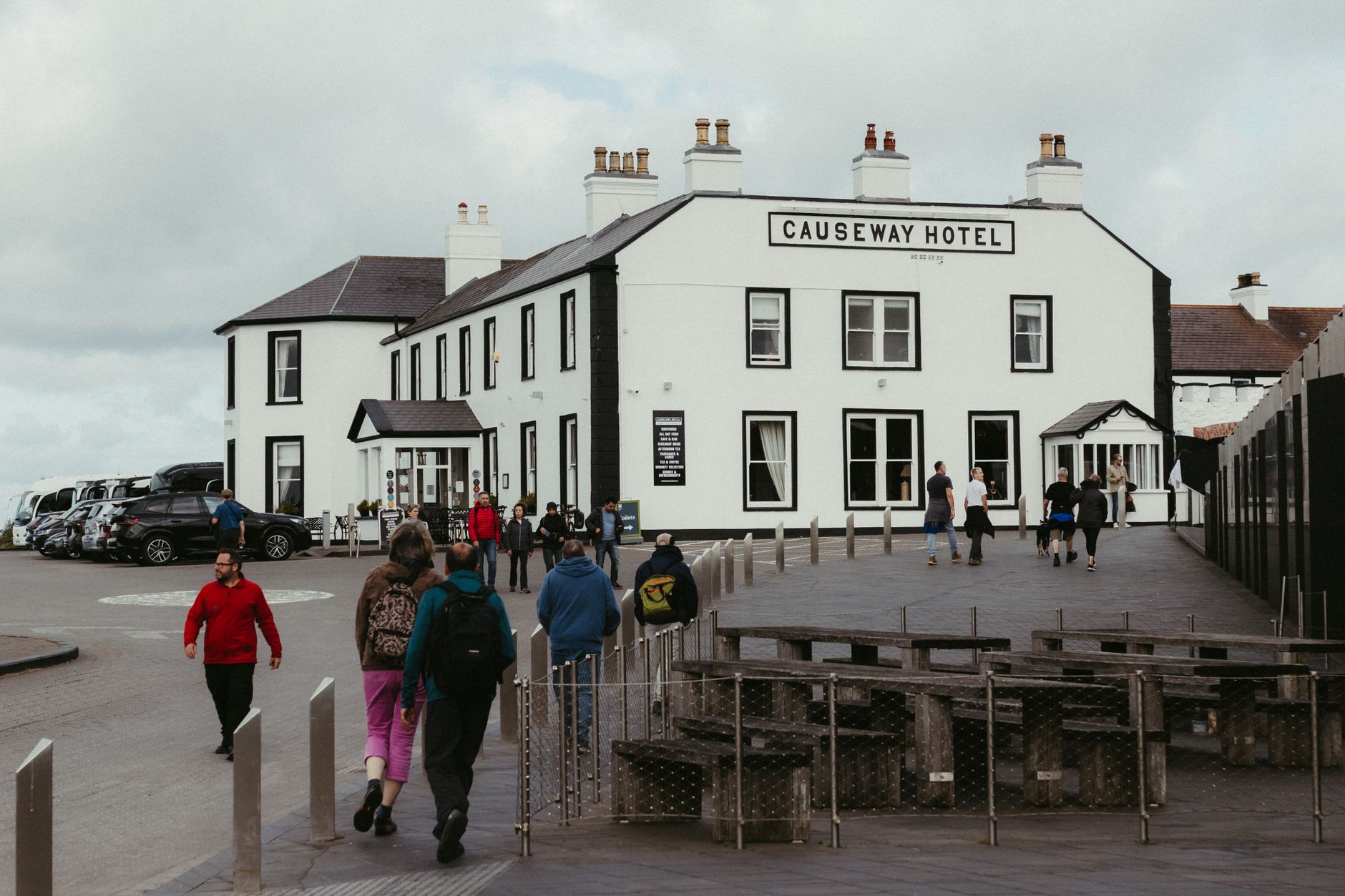
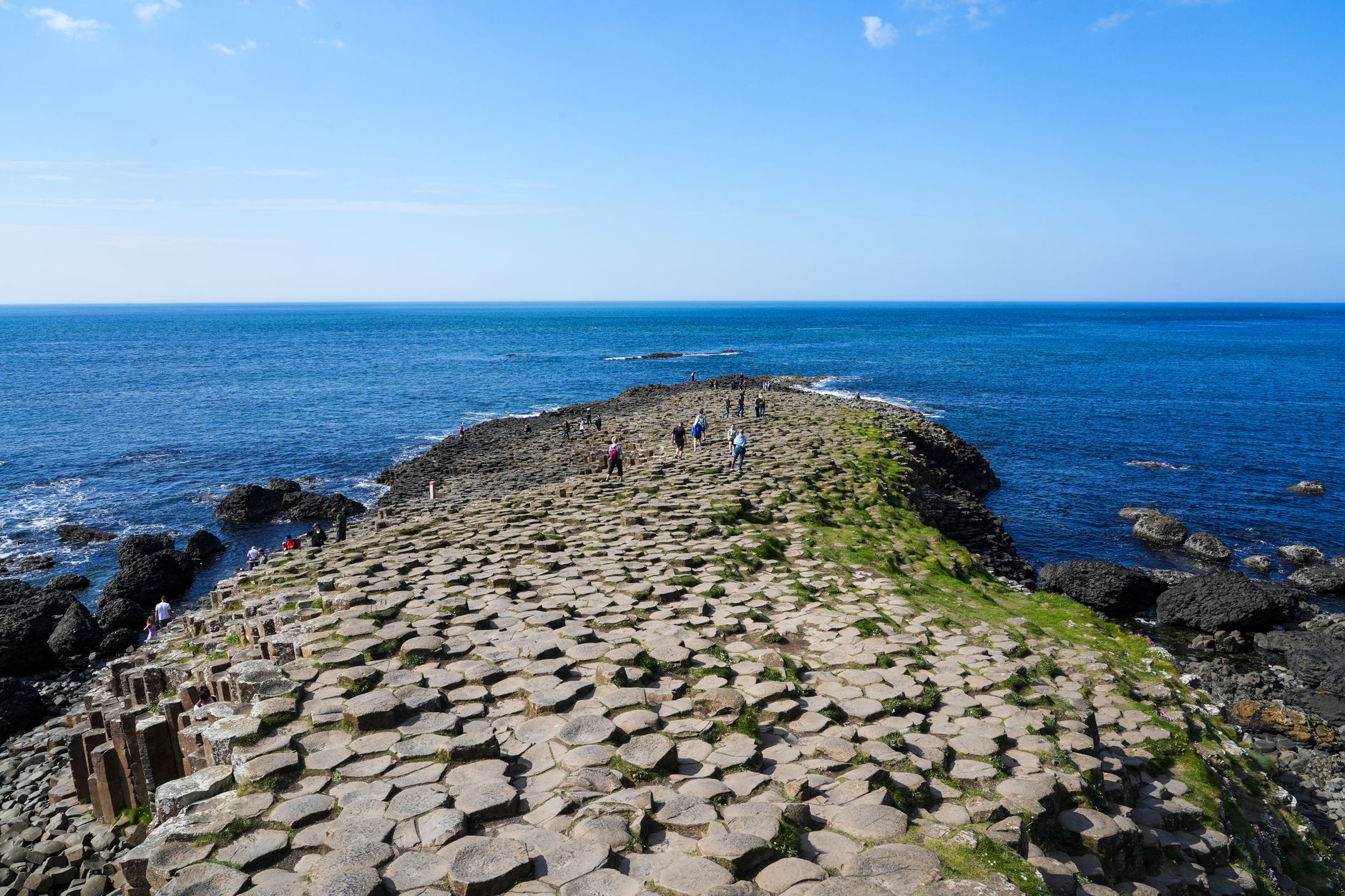
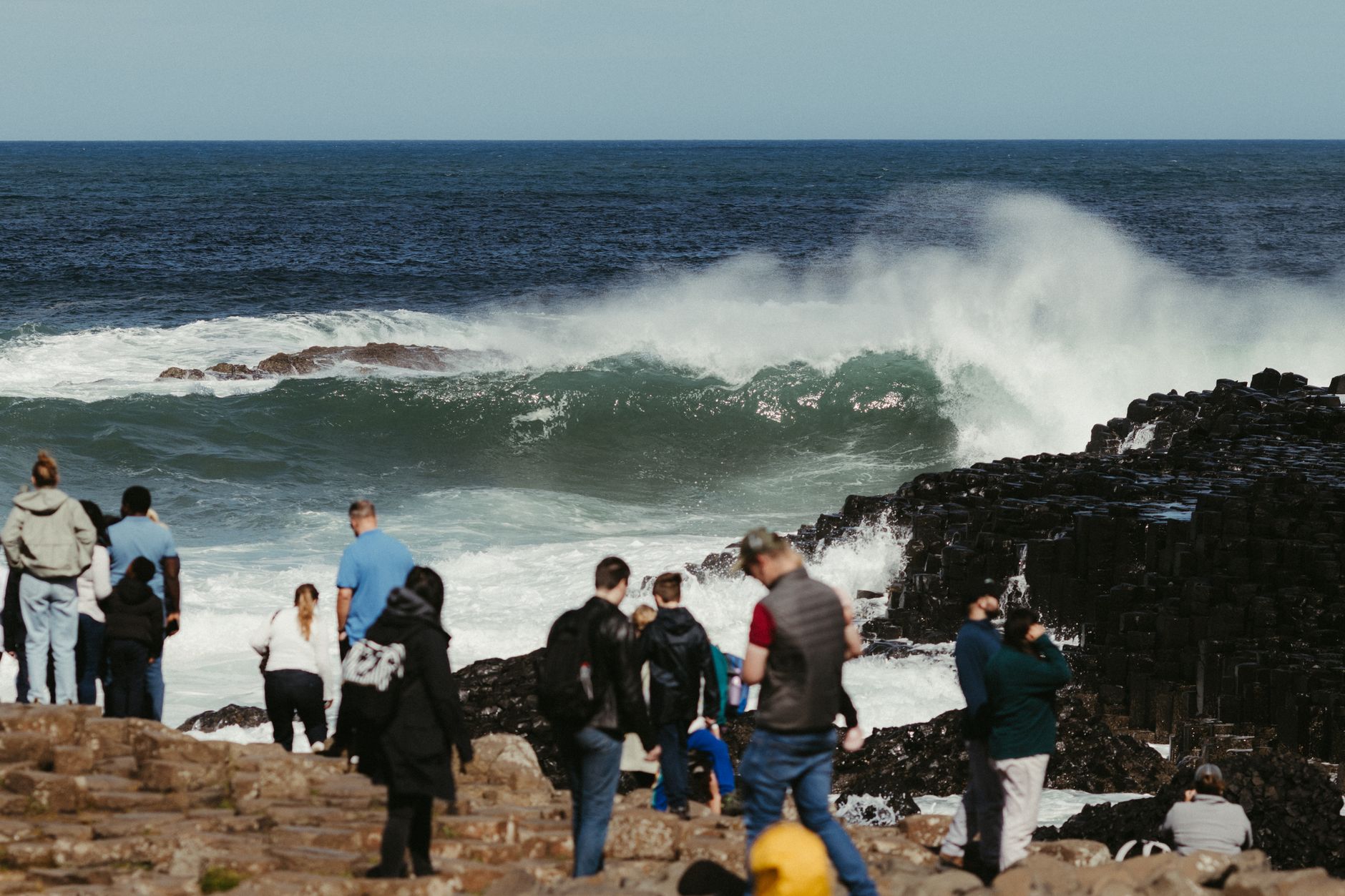

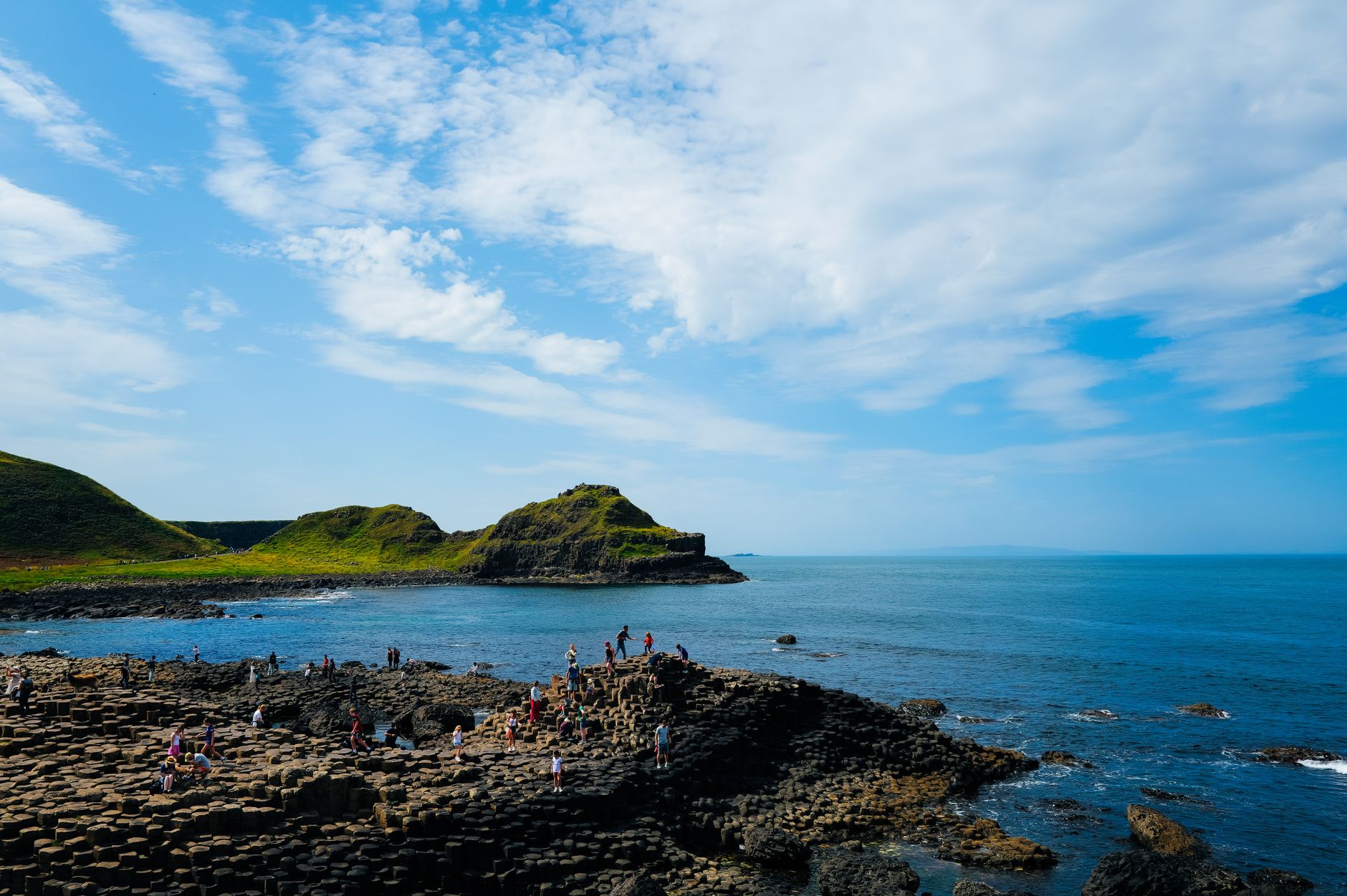
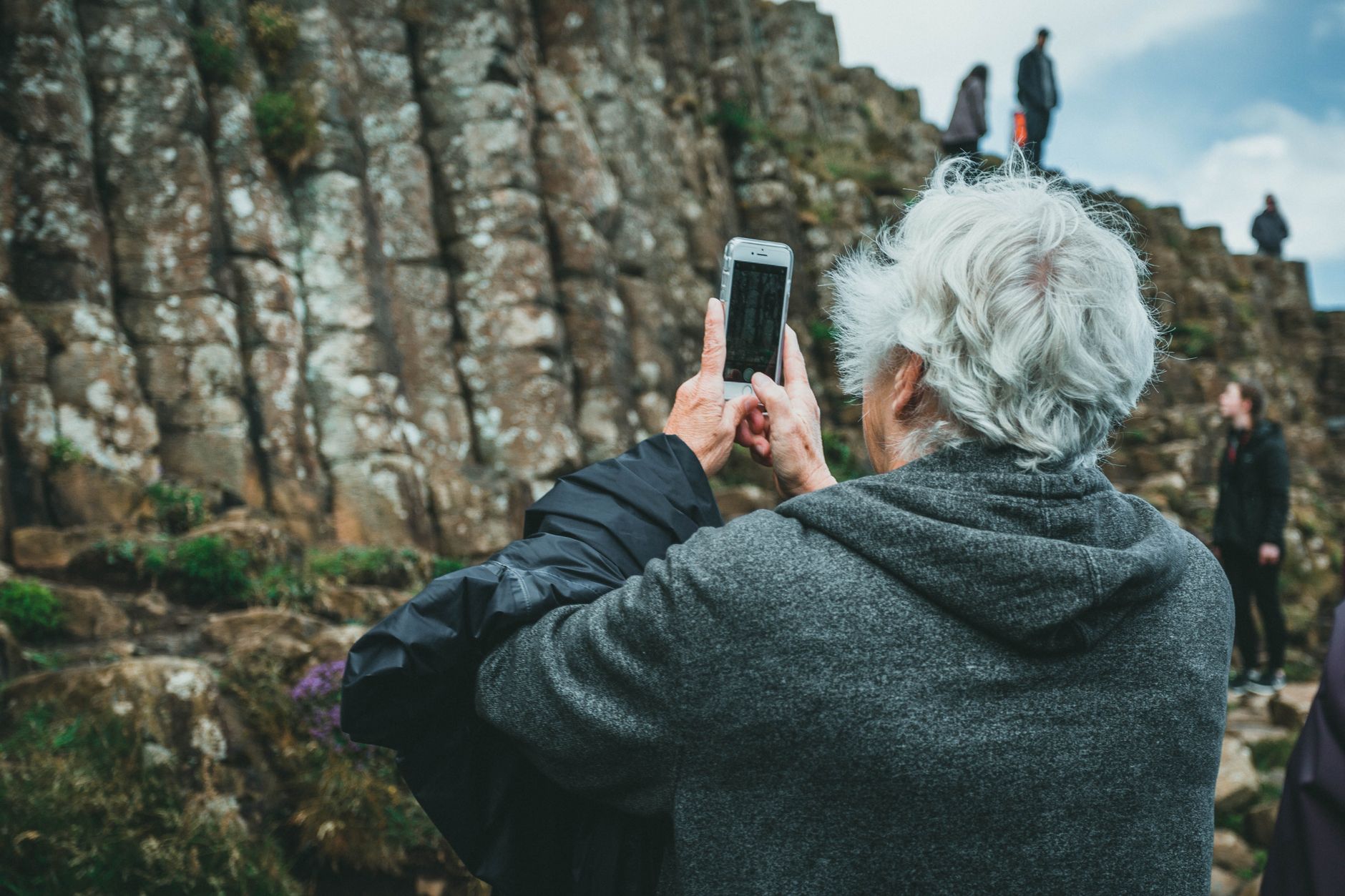
Northern Ireland is a place where geology does the heavy lifting. On the north coast, roughly 40,000 basalt columns — formed by volcanic activity some 60 million years ago — step down into the Atlantic at the Giant's Causeway, and the sight stops you in a way that photographs don't quite prepare you for. Inland, beech trees planted centuries ago to impress guests now line Bregagh Road in near-darkness at noon.
This is a small region — you can drive coast to coast in under two hours — but it holds an unusual density of landscape, history and architecture. Belfast anchors it, with Titanic Belfast sitting in the very shipyard where the ship was built, but the countryside beyond the city is where Northern Ireland earns its own identity.
Popular cities in Northern Ireland
How Northern Ireland came to be
Northern Ireland came into being on 3 May 1921 under the Government of Ireland Act 1920, when partition divided the island along lines of religion and political allegiance. Six largely Protestant counties in Ulster remained within the United Kingdom, while the rest of Ireland moved toward independence. The first parliament met on 7 June 1921, with Ulster Unionist Party leader James Craig heading the new devolved government.
The division was a response to deep tensions between Protestant Unionists, concentrated in the north, who wanted to remain part of Britain, and mostly Catholic Nationalists, who sought an independent, unified Ireland. Those tensions shaped the region's twentieth century in ways that still leave marks on its cities and its conversations — though the landscape, older than any of it, tends to put things in perspective.
Who and what shaped it
People who shaped it
Landmark buildings
See Northern Ireland in motion
Plan your visit
On the map
When to go
Northern Ireland has an oceanic climate — mild but reliably wet in all seasons. Summers rarely get warm enough to feel summery, and winters are cold and grey, with January averages around 3–4°C. The shoulder months of May and September offer the best balance of light and manageable rainfall for coast-road driving.
Right now
↡ Cities







Background & history adapted from Wikipedia (CC BY-SA) · specs from Wikidata (CC0) · weather from Open-Meteo · map data © OpenStreetMap contributors · photos from Wikimedia Commons / Unsplash with per-image credit. No third-party reviews or social posts reproduced.