
Antrim
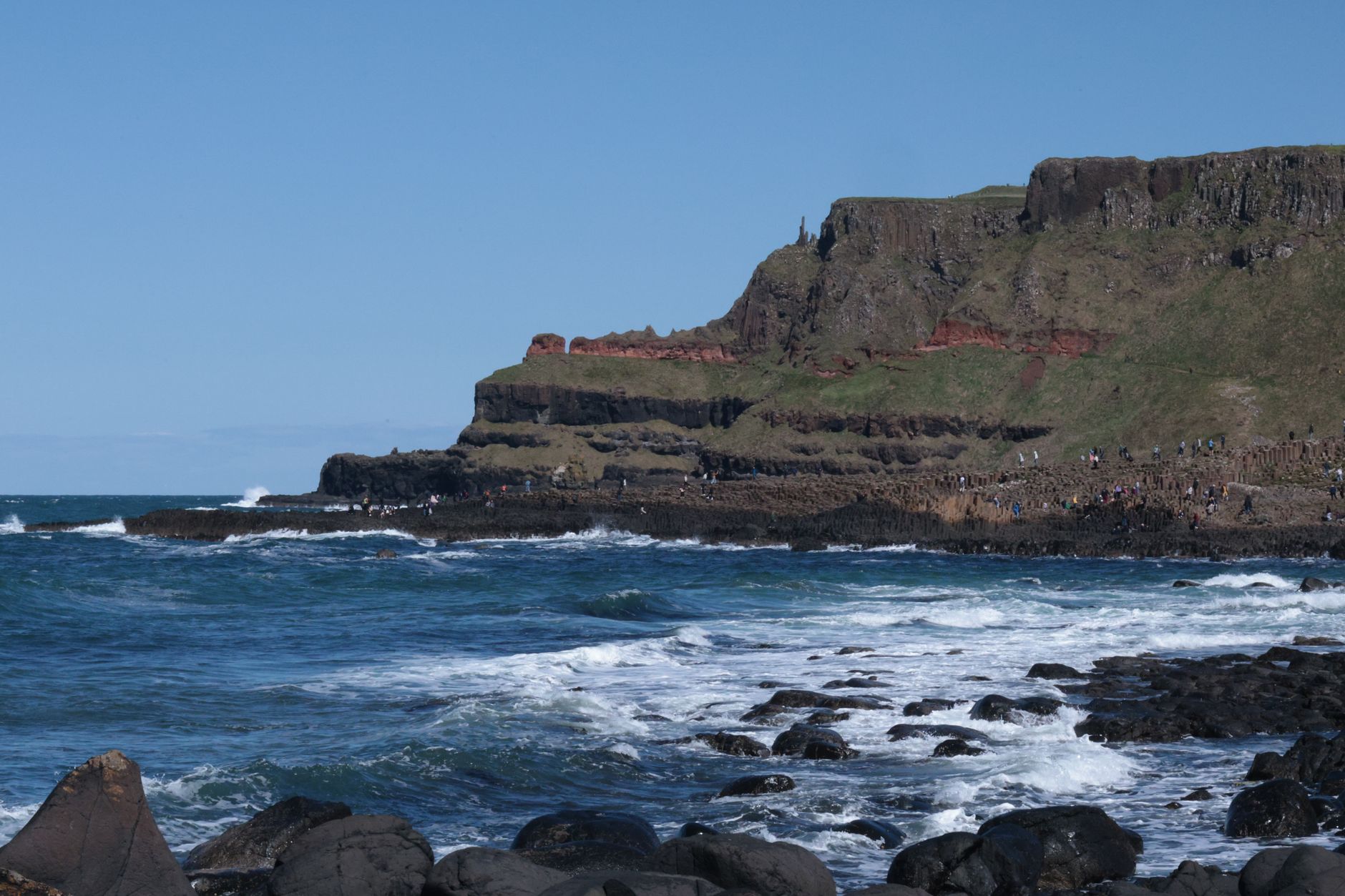
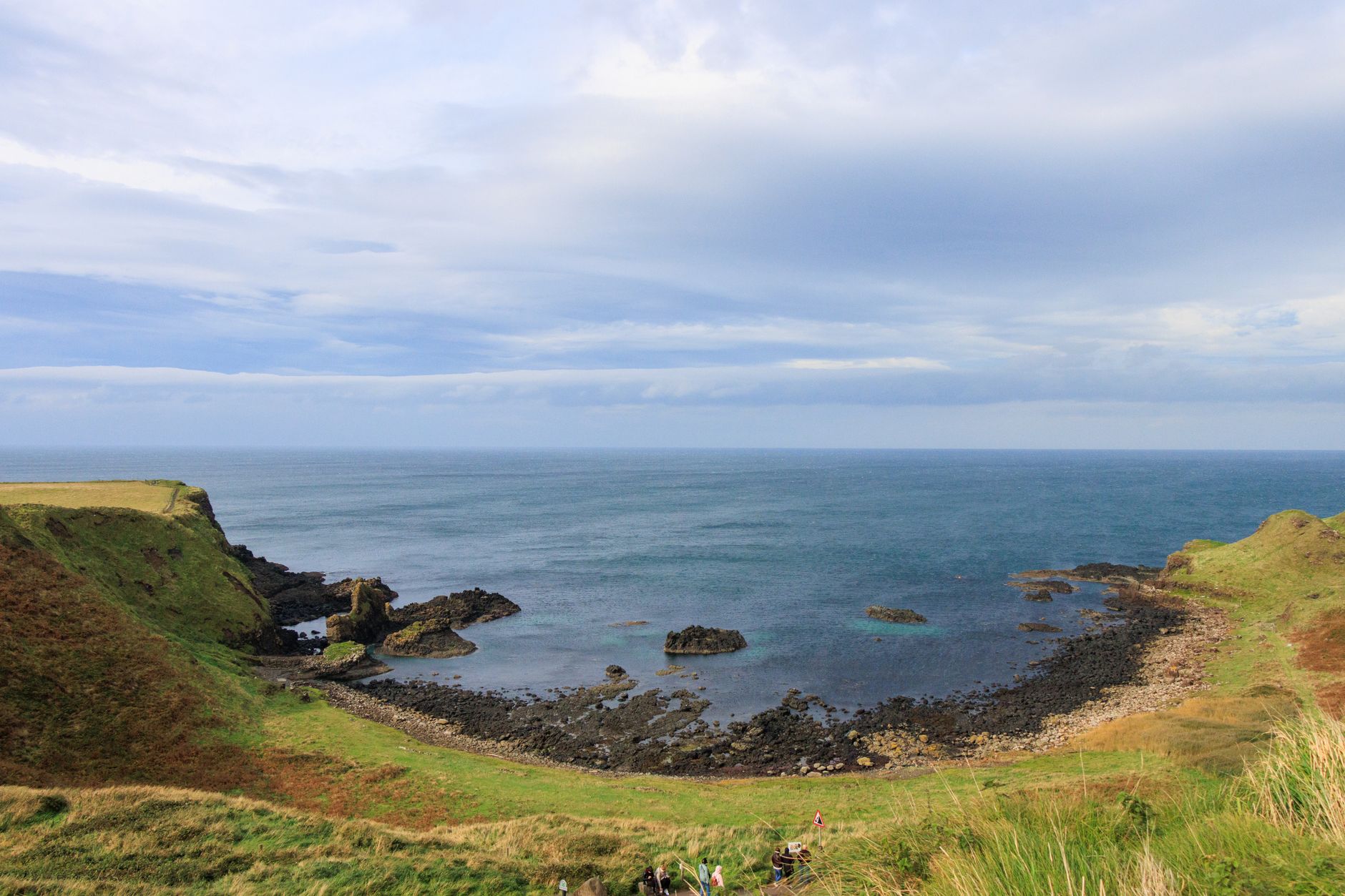
Antrim sits on the north-east shore of Lough Neagh where the Six Mile Water comes in, and the first thing you notice — if you know to look — is a 28-metre round tower rising above the trees on the edge of town. Locals call it The Steeple. It has been standing since roughly the tenth century, built as a bell-tower for an Early Christian monastery, and it remains the clearest signal that there is more to this place than a ring road and a retail park.
The town has the slightly unresolved quality of somewhere that got a shopping centre dropped on it before it had finished deciding what it wanted to be. But the castle gardens are genuinely old and genuinely lovely, the railway connects you to Belfast in under half an hour, and the lough is always at the edge of things.
💛 What travellers fall for
People who come back tend to go straight to the castle gardens rather than the town centre — the Yew Tree Pond and the walled sections reward a slow circuit. The Anchor Bar on the High Street is the kind of place where a weekday afternoon pint feels entirely reasonable. And if you arrive by train, the station café is a better bet than it looks.
Experiences you don't want to miss



Deals in Antrim
Book directly at the provider

How Antrim came to be
The name comes from the Irish for 'lone ridge', and the site was significant long before anyone wrote it down. A monastery was founded here by tradition in AD 495, and the round tower that survives dates to around the tenth century. In the early medieval period, the ringfort of Rathmore — at the eastern edge of town — served as the royal seat of the kings of Dál Araide. The Anglo-Normans arrived in the late twelfth century under John de Courcy, and a motte-and-bailey castle followed.
Antrim Castle — later known as Massereene Castle — was built in stages between 1613 and 1662 under Hugh Clotworthy, knighted in 1617 and appointed High Sheriff of County Antrim. It burned during a grand ball in autumn 1922, the evidence pointing to IRA arson, and the ruin was eventually demolished in 1970. On 7 June 1798, Henry Joy McCracken led roughly 4,000 United Irishmen in an attack on the town — the Battle of Antrim — a moment the place has not entirely set down.
Who and what shaped it
People who shaped it
Landmark buildings
See Antrim in motion
Plan your visit
On the map
When to go
Antrim's maritime climate means cool, damp winters and summers that rarely get warm — July averages a daytime high of 18°C, and rain is likely on more than half the days of any given month. April and May offer a reasonable compromise: more sunshine than January, less rain than autumn, and the gardens at their most photogenic.
Right now
Background & history adapted from Wikipedia (CC BY-SA) · specs from Wikidata (CC0) · weather from Open-Meteo · map data © OpenStreetMap contributors · photos from Wikimedia Commons / Unsplash with per-image credit. No third-party reviews or social posts reproduced.