
Enniskillen

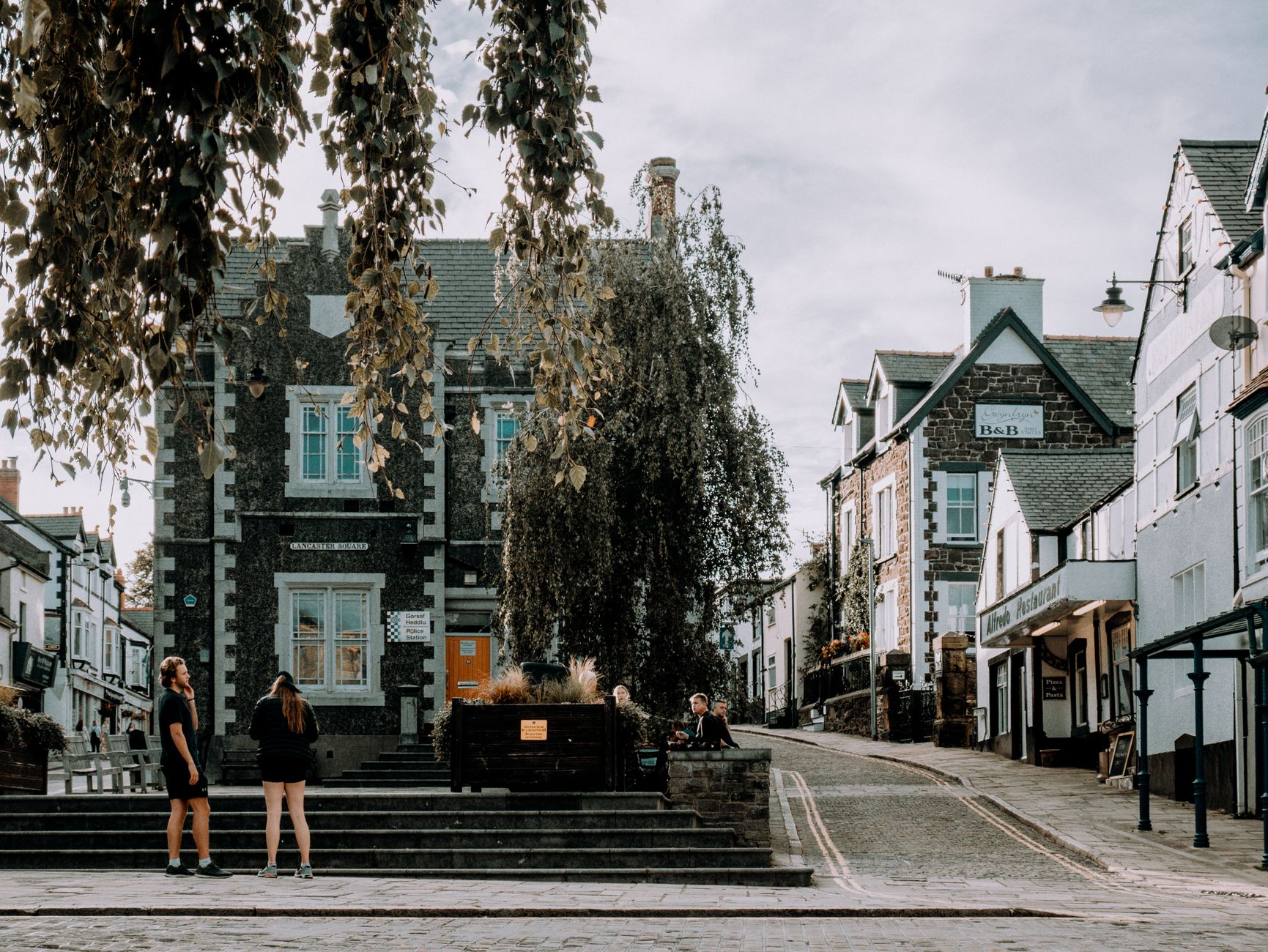
Enniskillen sits on an island — literally, between two channels of the River Erne — and that geography has shaped everything about it: its castle, its bridges, its sense of being a place apart. The town is the only major settlement in County Fermanagh, which means it carries a lot of weight for a relatively small place: market town, garrison town, county capital, and now a quiet base for exploring the loughs and islands that surround it.
The castle on the western edge of town is where the story begins. Built by the Gaelic Maguire clan in the 15th century, it passed through plantation hands, military occupation and eventual state care, and today houses two serious museums under one roof. The water is never far away.
💛 What travellers fall for
People who come back tend to mention Devenish Island — the short boat trip from the Round O jetty, the round tower standing intact after twelve centuries, the strange quiet of it. They also mention Castle Coole, the National Trust neo-classical mansion just outside town, which rewards a slow afternoon more than a quick circuit.
Deals in Enniskillen
Book directly at the provider


How Enniskillen came to be
The Maguire clan built a castle here in the 15th century, using the island's natural water defences to anchor their authority over Fermanagh. That control ended with the Plantation of Ulster: after the castle's capture in 1607, James I appointed William Cole of Devon to establish an English settlement. Cole became the first provost when the borough was incorporated on 27 February 1613. A Protestant parish church went up on the hilltop in 1627; the Royal Free School arrived on the island in 1643; permanent bridges — replacing the earlier drawbridges — were not in place until 1688.
The 18th and 19th centuries brought a lace-making industry, with around ten lace schools operating across County Fermanagh up to the First World War. St Macartin's was granted cathedral status in 1923. The town's most painful recent chapter is the 1987 Remembrance Day bombing, in which eleven people were killed; Bill Clinton opened the Clinton Centre on that site in 2002. In 2013, Enniskillen hosted the 39th G8 summit.
Who and what shaped it
People who shaped it
Landmark buildings
See Enniskillen in motion
Plan your visit
On the map
When to go
July averages around 19°C — warm enough for the loughs but rarely hot. January drops to about 8°C in the day, with damp and wind off the water. Rain is possible any month; a waterproof layer earns its place in your bag year-round.
Right now
Background & history adapted from Wikipedia (CC BY-SA) · specs from Wikidata (CC0) · weather from Open-Meteo · map data © OpenStreetMap contributors · photos from Wikimedia Commons / Unsplash with per-image credit. No third-party reviews or social posts reproduced.