
Carrickfergus
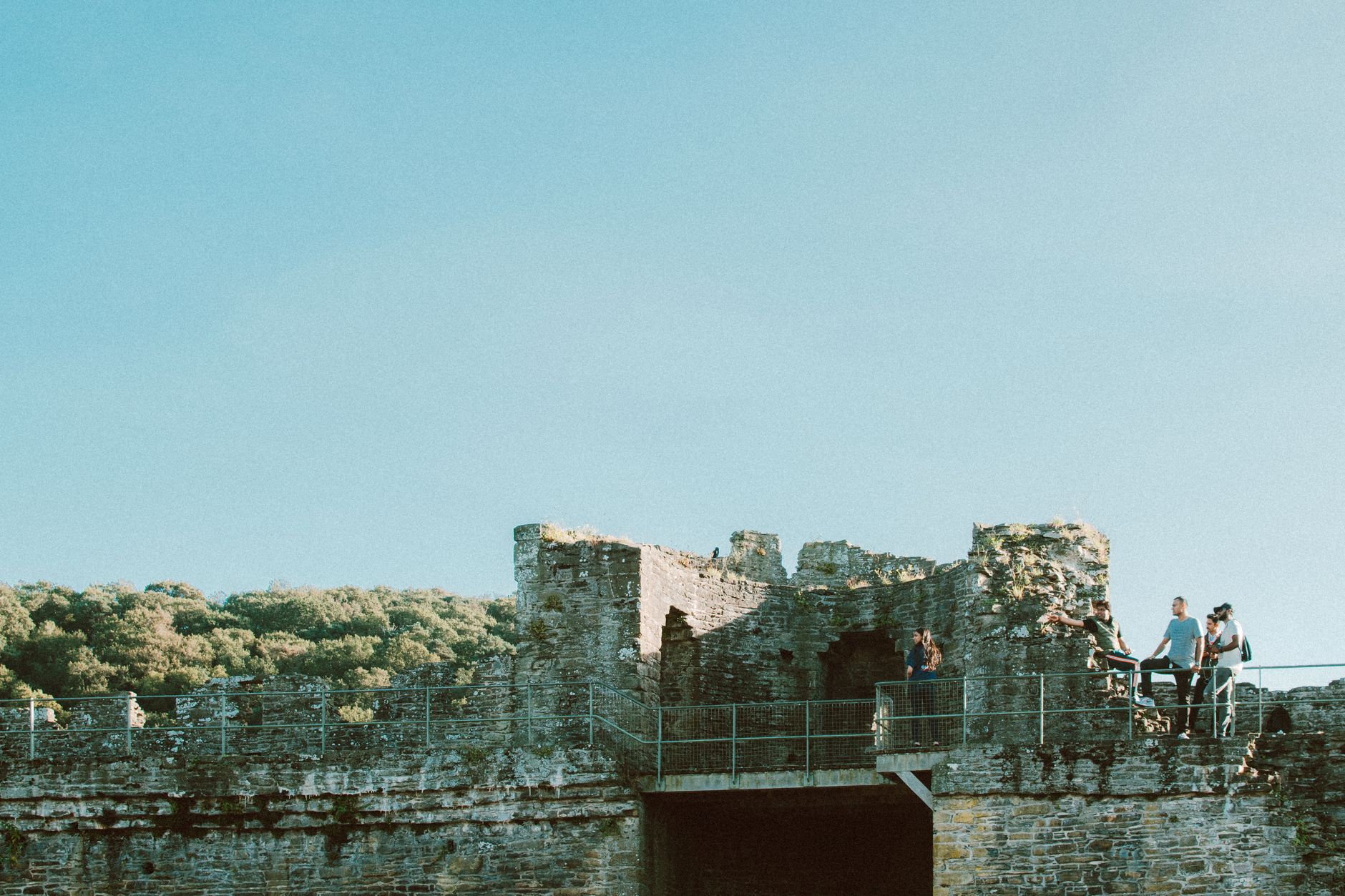
Stand at the waterfront in Carrickfergus and the first thing you notice is the castle — not a ruin, but a working medieval fortress sitting right on the lough, its Norman stonework intact enough to make the twelfth century feel close. This is one of the best-preserved structures of its kind in Northern Ireland, and it has earned that status: besieged by the Scottish, the English, the French, and the Irish in turn, it stayed standing through all of it.
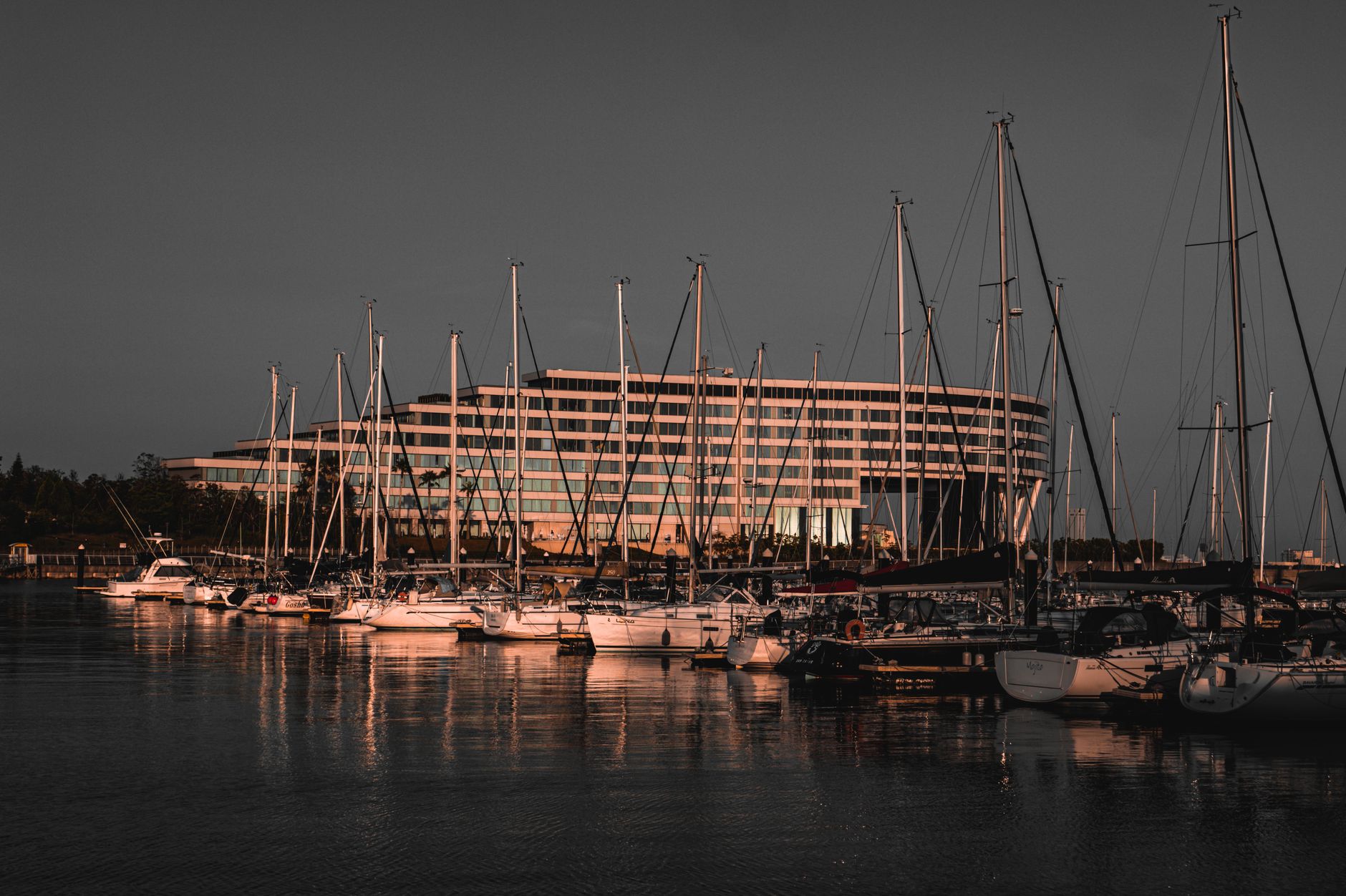
Known locally as Carrick, the town is compact enough to read in an afternoon but layered enough to hold your attention longer. The marina gives you somewhere to sit and recalibrate; the old gasworks museum gives you somewhere genuinely unexpected to go next.
💛 What travellers fall for
People who come back tend to mention the free guided castle tours — worth doing even if you've already walked the walls yourself, because the guides carry the details that don't make it onto the information boards. The Flame Museum's gasholder climb also keeps coming up: industrial history that earns its place on the itinerary.
Experiences you don't want to miss





Deals in Carrickfergus
Book directly at the provider

How Carrickfergus came to be
Carrickfergus begins with John de Courcy, the Anglo-Norman knight who invaded Ulster in 1177, chose this rocky outcrop on Belfast Lough as his base, and started building the castle the following year. The town that grew around it was one of the earliest planned settlements in Ulster. De Courcy was ousted between 1203 and 1205 by Hugh de Lacy — acting on orders from King John, who arrived himself in 1210 to bring the castle under royal authority. The town walls, completed by Governor Sir Arthur Chichester by 1615, enclosed an area of roughly 97,000 square metres; sections of them still stand.
The lough continued to draw significant moments to Carrickfergus. King William III set foot in Ireland here on 14 June 1690. In 1778, American privateer John Paul Jones fought and won a naval engagement just offshore. In 1942, the First Battalions of the US Army Rangers were founded and trained at Sunnylands Camp in the town. And in April 1912, residents watched the RMS Titanic anchor overnight in the lough on its first journey out from Belfast.
Who and what shaped it
People who shaped it
Landmark buildings
See Carrickfergus in motion
Plan your visit
On the map
When to go
Northern Ireland's coast runs cool and changeable year-round — expect grey skies alongside clear ones at any season, and bring a layer regardless of the forecast. Summer gives you the longest days to walk the waterfront; the castle and the Flame Museum make winter visits equally worthwhile.
Right now
Background & history adapted from Wikipedia (CC BY-SA) · specs from Wikidata (CC0) · weather from Open-Meteo · map data © OpenStreetMap contributors · photos from Wikimedia Commons / Unsplash with per-image credit. No third-party reviews or social posts reproduced.