
Lisburn

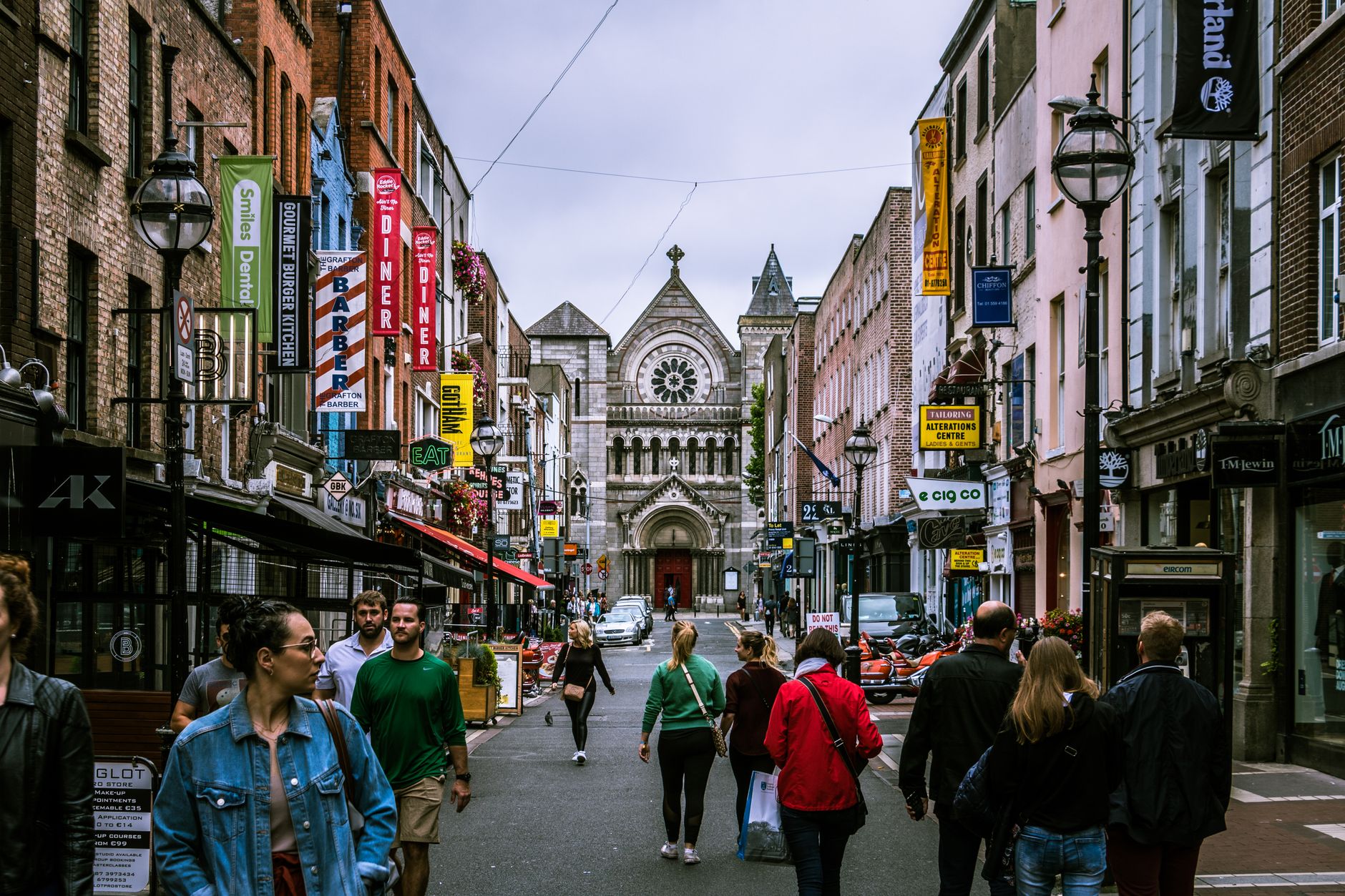
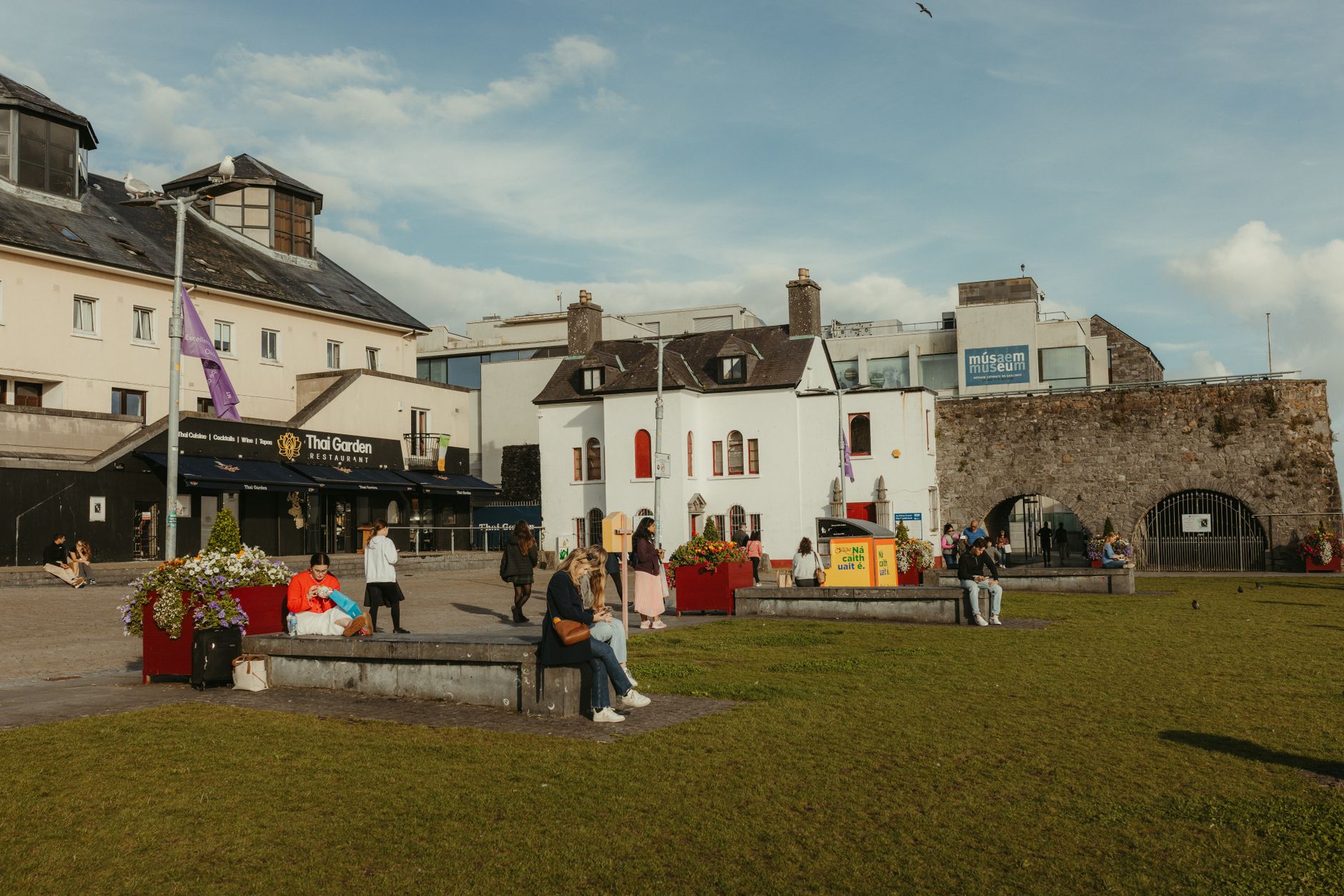
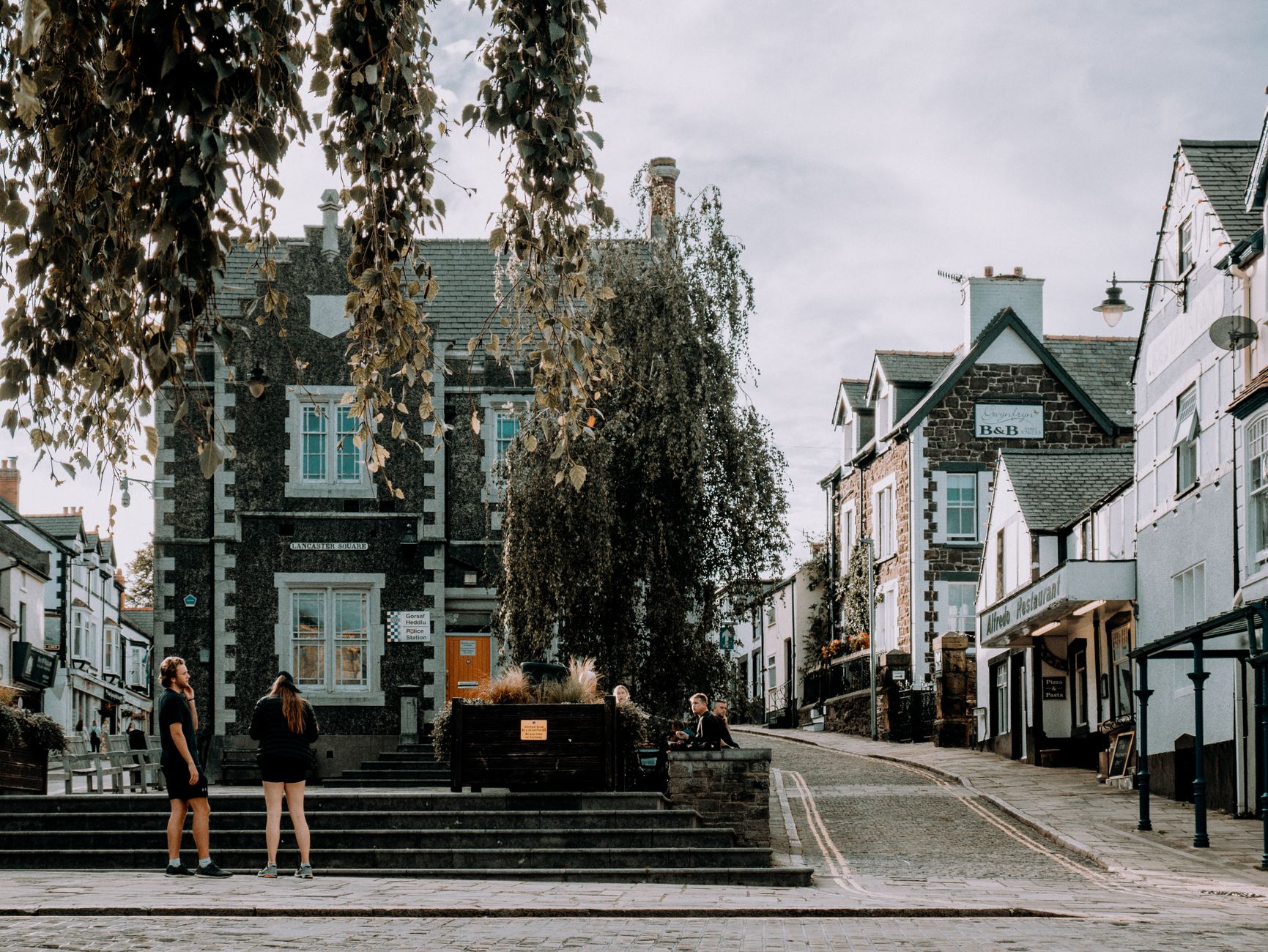

The street plan you walk today in Lisburn is roughly the one drawn up around 1640, when the settlement was still called Lisnagarvey and the Plantation of Ulster was only a generation old. Market Square, Bow Street, Castle Street — the bones of the town are older than the name itself, which doesn't appear in the records until a baptismal entry of 11 January 1662.
Lisburn sits ten minutes by train from Belfast, close enough to feel like the city's quieter neighbour yet distinct enough to have its own centre of gravity. The Irish Linen Centre tells a story that shaped this whole region, the Lagan Towpath gives you seventeen kilometres of river walking, and the Ulster Aviation Society keeps more than fifty aircraft under one roof.
💛 What travellers fall for
People who come back tend to time it around the Lagan Towpath — the full run from Belfast into town is worth doing in either direction, and Lisburn is the better end to finish on, with Lisburn Square close by for coffee afterwards. The Irish Linen Centre keeps surprising repeat visitors; free entry means there's no pressure to rush it.
Deals in Lisburn
Book directly at the provider


How Lisburn came to be
The land was granted to Sir Fulke Conway in 1609 under James I's Plantation scheme, and by 1627 a castle had been built and 53 tenements established around it. English, Scots, and Welsh settlers arrived through the 1620s, displacing the existing Irish community. The castle survived a siege in 1641 but burned down in 1707 along with much of the town.
The event that shaped Lisburn's character most durably came in 1698, when French Huguenot refugees — skilled linen workers — were invited to settle here, seeding an industry that would define the region for centuries. Quakers arrived earlier still: William Edmundson brought the movement to town in 1655, and John Hancock later endowed the Friends' School in 1766. The city gained its status formally only in 2002, as part of Queen Elizabeth's Golden Jubilee.
Who and what shaped it
People who shaped it
Landmark buildings
See Lisburn in motion
Plan your visit
On the map
When to go
Lisburn is cool and wet year-round — summers rarely climb above 16°C and October is the wettest month, so a waterproof layer is useful in any season. Winter days are short and often overcast, with occasional snow between January and March, but the town's indoor attractions make it a workable destination regardless of what the sky is doing.
Right now
Background & history adapted from Wikipedia (CC BY-SA) · specs from Wikidata (CC0) · weather from Open-Meteo · map data © OpenStreetMap contributors · photos from Wikimedia Commons / Unsplash with per-image credit. No third-party reviews or social posts reproduced.