
Armagh


Two cathedrals face each other across Armagh's low hills — one Church of Ireland, one Roman Catholic, both claiming the title of Primate of All Ireland, both tracing their authority back to Saint Patrick. That theological standoff, played out in stone on opposite ridgelines, tells you something essential about this small city: it carries a disproportionate weight of history for its size, and it wears it without fuss.
The streets between those hills are compact and largely walkable, lined with Georgian architecture that owes its existence to one energetic eighteenth-century archbishop. Somewhere beneath the older cathedral, Brian Boru — High King of Ireland — is said to lie buried. The Observatory has been reading the sky without interruption since 1789. Armagh rewards the kind of attention that notices the specific thing.
💛 What travellers fall for
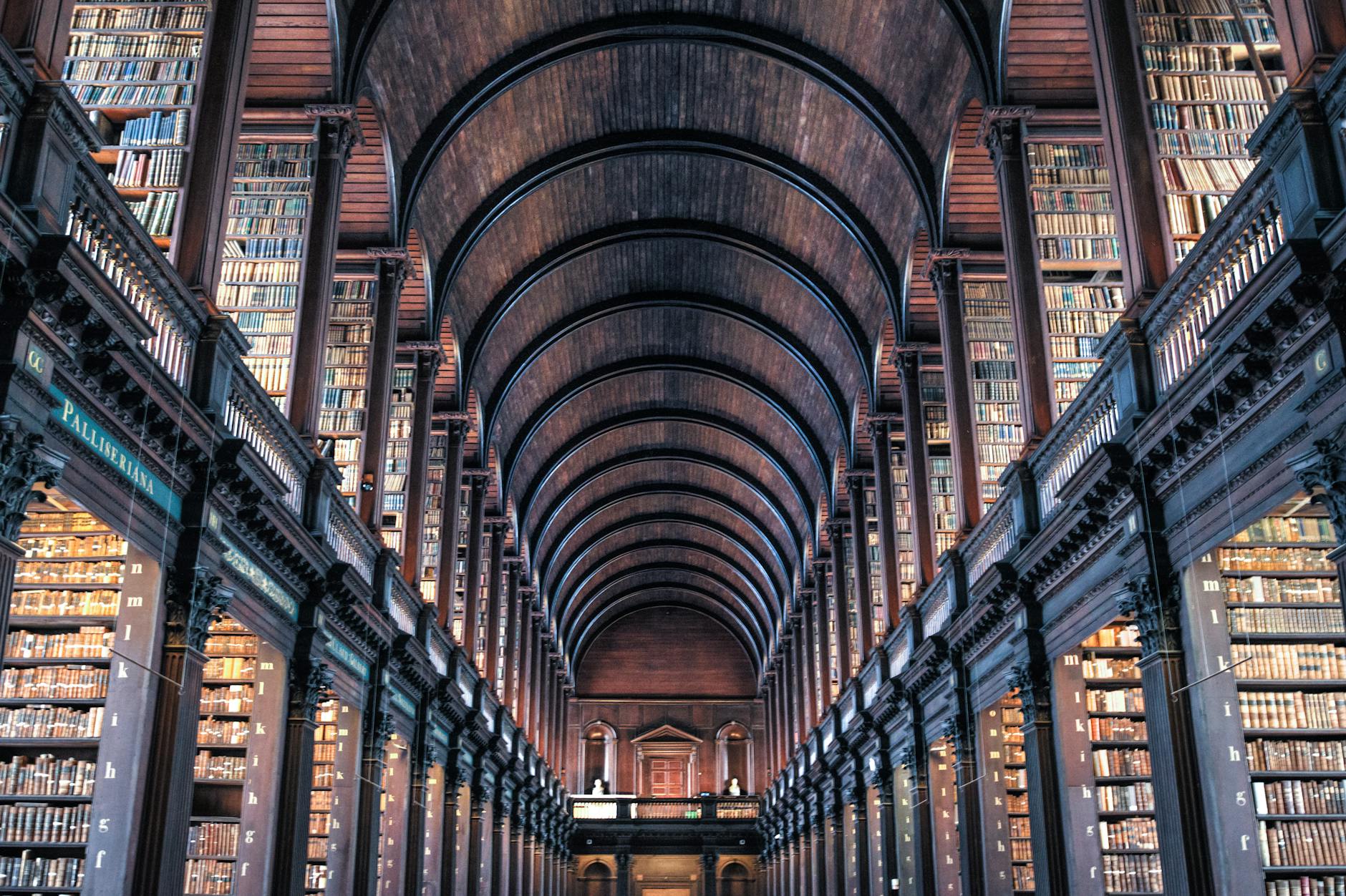
People who return tend to mention the Archbishop Robinson Library unprompted — 42,000 volumes in a building founded in 1771, open only on weekday mornings until four. Go early, give yourself time. And allow an afternoon for Navan Fort, two miles out: the earthworks are quiet in a way that the city centre, for all its calm, is not.
Experiences you don't want to miss



Deals in Armagh
Book directly at the provider
How Armagh came to be
Saint Patrick established his principal church on the hill of Ard Mhacha around 445 AD, and from that point Armagh became the ecclesiastical capital of Ireland — a status it has never entirely relinquished. The monastery drew Viking raiders in 839 and again in 869. By 1586, an English commander described little more than a broken village around a ruined church.
Recovery came slowly, then decisively. By 1714 the town recorded 183 households. The real transformation arrived with Archbishop Richard Robinson in 1765: he funded the Public Library (1771), the Observatory (1789), and the conversion of The Mall from a horse-racing ground into a Georgian park. City status followed in 1995, granted during a visit by Queen Elizabeth II.
Who and what shaped it
People who shaped it
Landmark buildings
See Armagh in motion
Plan your visit
On the map
When to go
Armagh's maritime climate means mild, damp conditions year-round — winters hover around 7–8°C with occasional frost, spring warms gradually to the low teens by May. Nearly a metre of rain falls annually, so a layer and a waterproof are sensible in any season; summer days can be genuinely pleasant without ever being guaranteed.
Right now
Background & history adapted from Wikipedia (CC BY-SA) · specs from Wikidata (CC0) · weather from Open-Meteo · map data © OpenStreetMap contributors · photos from Wikimedia Commons / Unsplash with per-image credit. No third-party reviews or social posts reproduced.