
Bangor
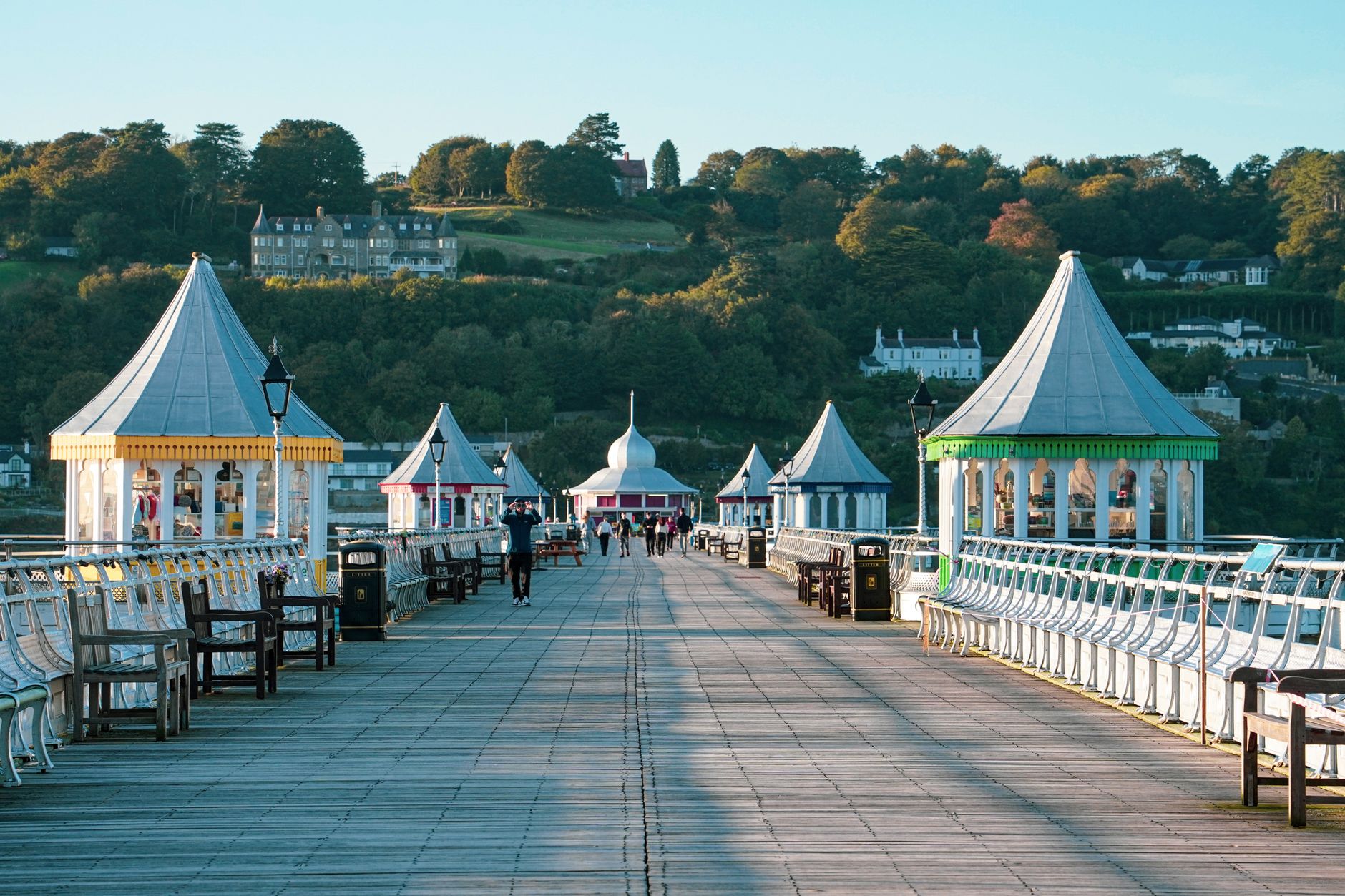
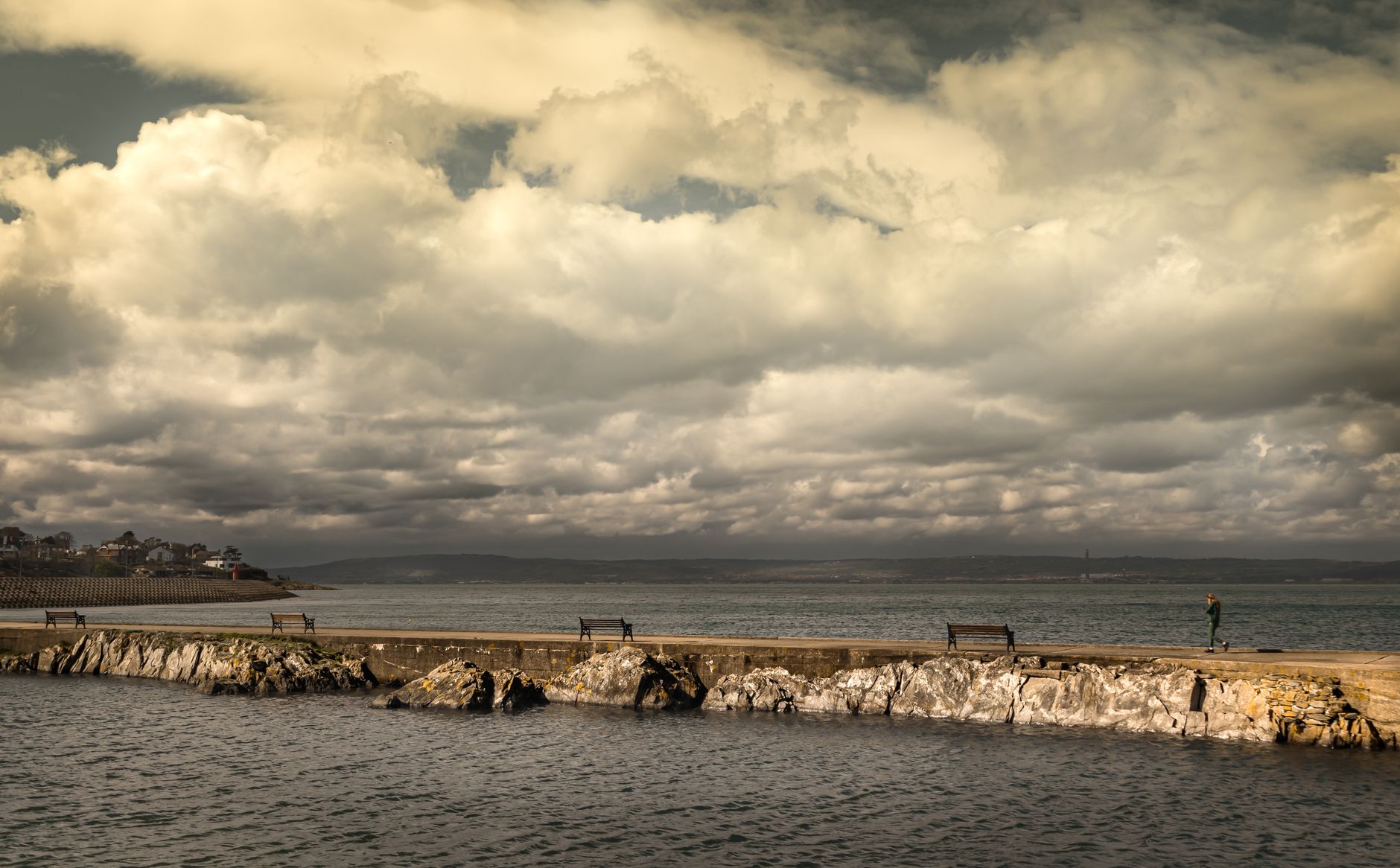
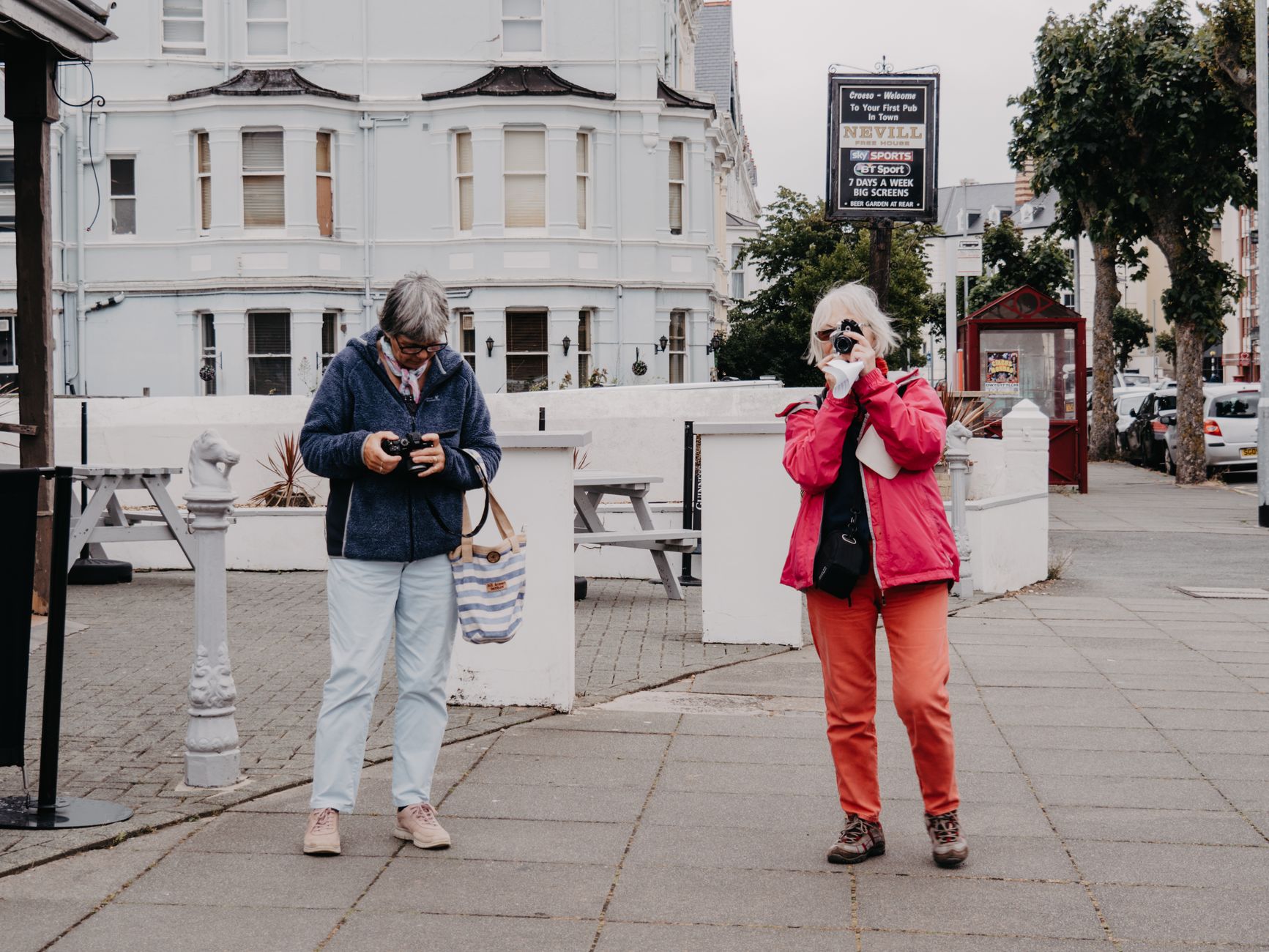
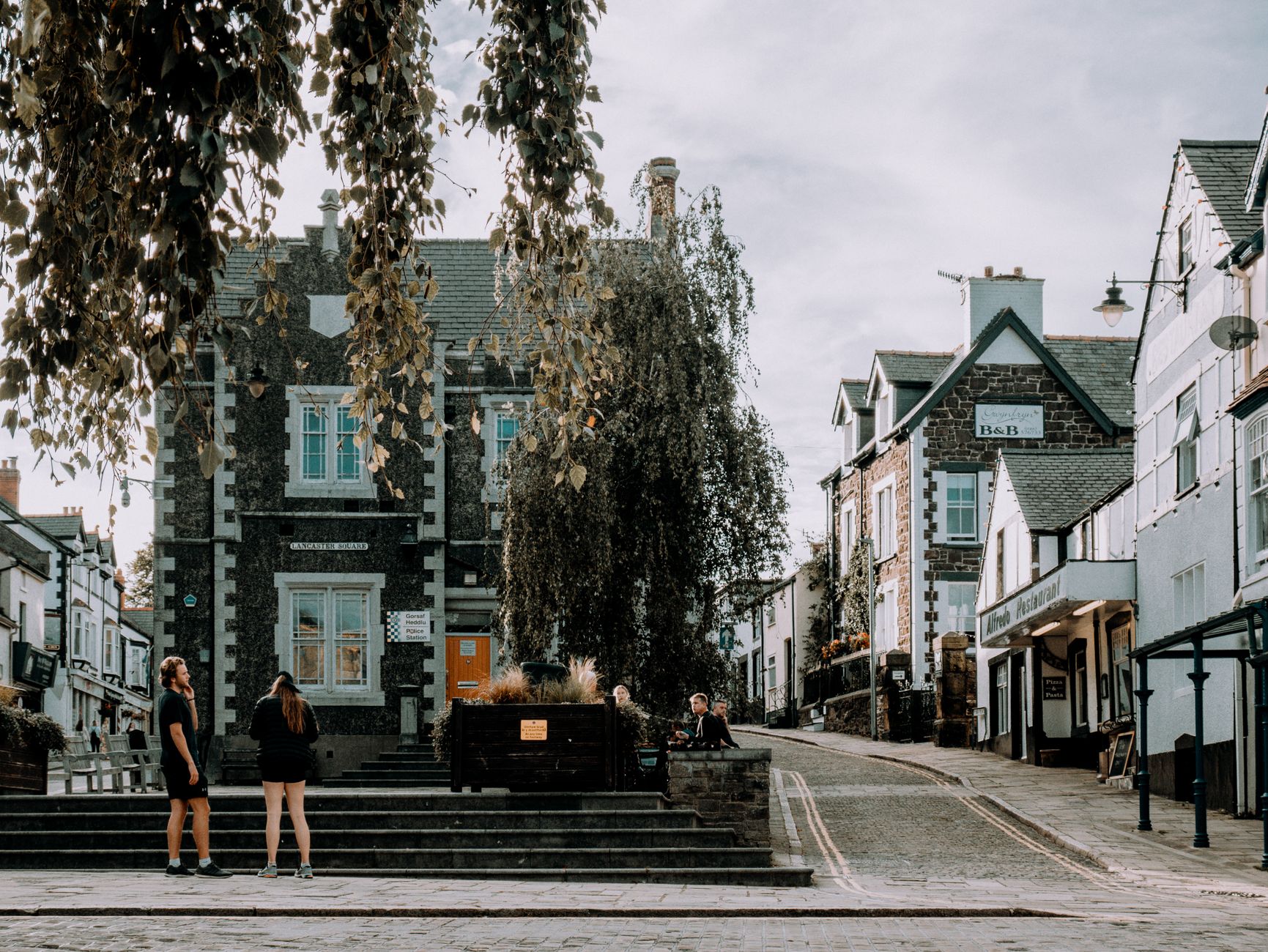
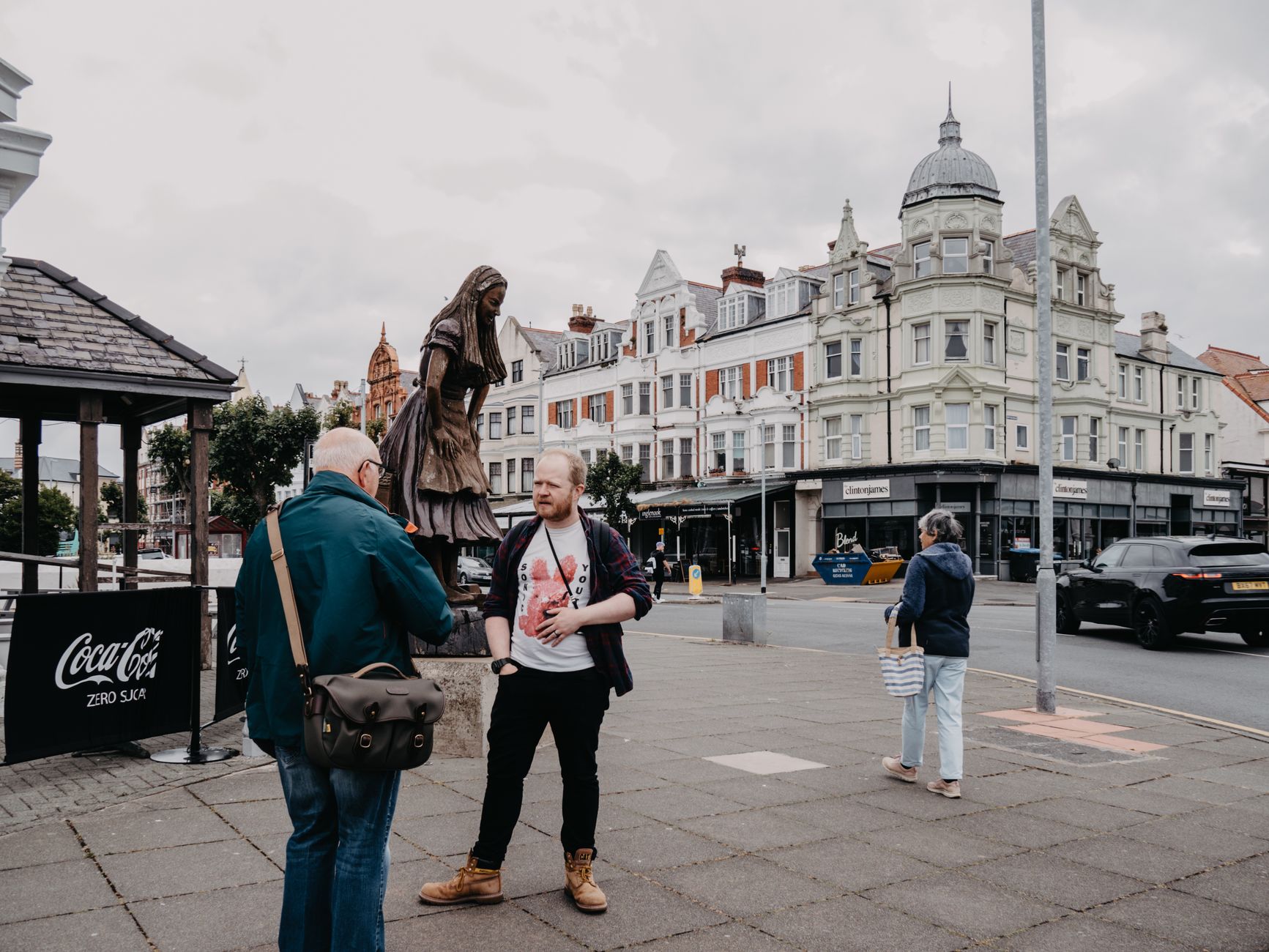

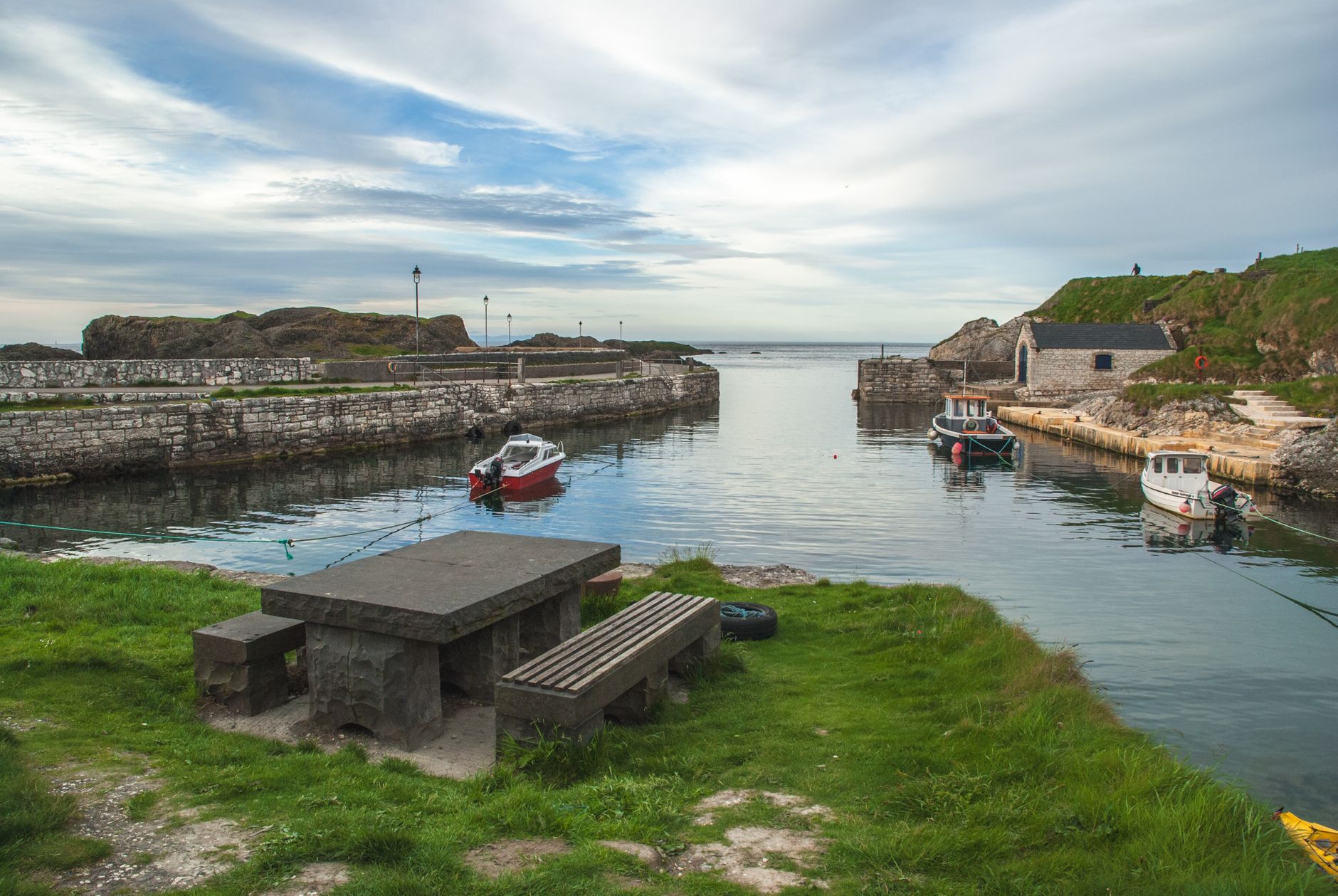
Bangor sits at the mouth of Belfast Lough, close enough to the capital that you can be here in thirty-three minutes by train, yet distinct enough to have its own long argument with time. The marina is one of the largest on the island of Ireland, and on a clear morning the water holds the light in a way that makes the place feel larger than it is.
The city — that title arrived only in December 2022, making Bangor Northern Ireland's sixth — carries fourteen centuries of layered identity: early Christian scholarship, Viking raids, Scottish plantation, Victorian seaside ambition, and a post-package-holiday quietness that it is still working through.
💛 What travellers fall for
People who come back tend to combine the North Down Museum with the walled garden behind Bangor Castle — both free, both unhurried. The museum's stable-block setting rewards a slow look. From there, the walk along the seafront toward the marina takes about twenty minutes and gives you the full sweep of the lough.
Experiences you don't want to miss


Deals in Bangor
Book directly at the provider

How Bangor came to be
In around 555 CE, St. Comgall founded a monastery here that became one of early medieval Ireland's great centres of learning — sending missionaries across Europe and drawing scholars in return. The Danes ended that era violently; they raided and stripped the monastery in 824, and further incursions eventually destroyed it.
The present city dates from 1605, when James Hamilton, a Scotsman favoured by James I, received the lands and set about building a town. Borough status came in 1613; Hamilton's Customs House followed in 1637 and still stands. The railway arrived in 1865, transforming Bangor into a Victorian resort for Belfast day-trippers, a role it played with some energy until cheap package flights abroad gradually drained the seasonal trade from the late 1960s onward.
Who and what shaped it
People who shaped it
Landmark buildings
See Bangor in motion
Plan your visit
On the map
When to go
Summers are mild and often overcast, with temperatures typically in the mid-teens Celsius — bring a layer even in July. Winter is wet and blustery along the seafront, but the short train ride from Belfast makes a dry-day visit easy to plan at short notice.
Right now
Background & history adapted from Wikipedia (CC BY-SA) · specs from Wikidata (CC0) · weather from Open-Meteo · map data © OpenStreetMap contributors · photos from Wikimedia Commons / Unsplash with per-image credit. No third-party reviews or social posts reproduced.