
Downpatrick
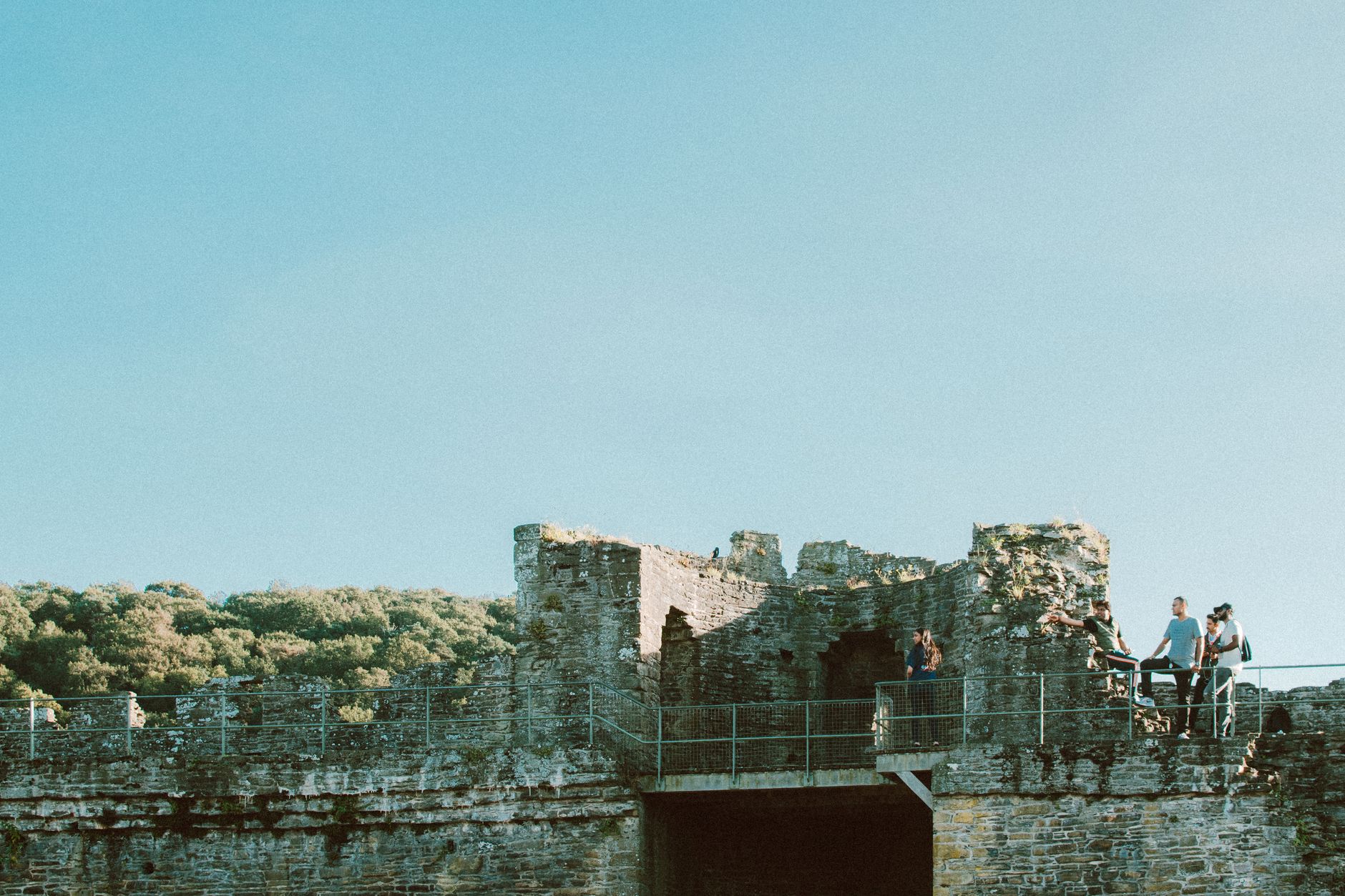

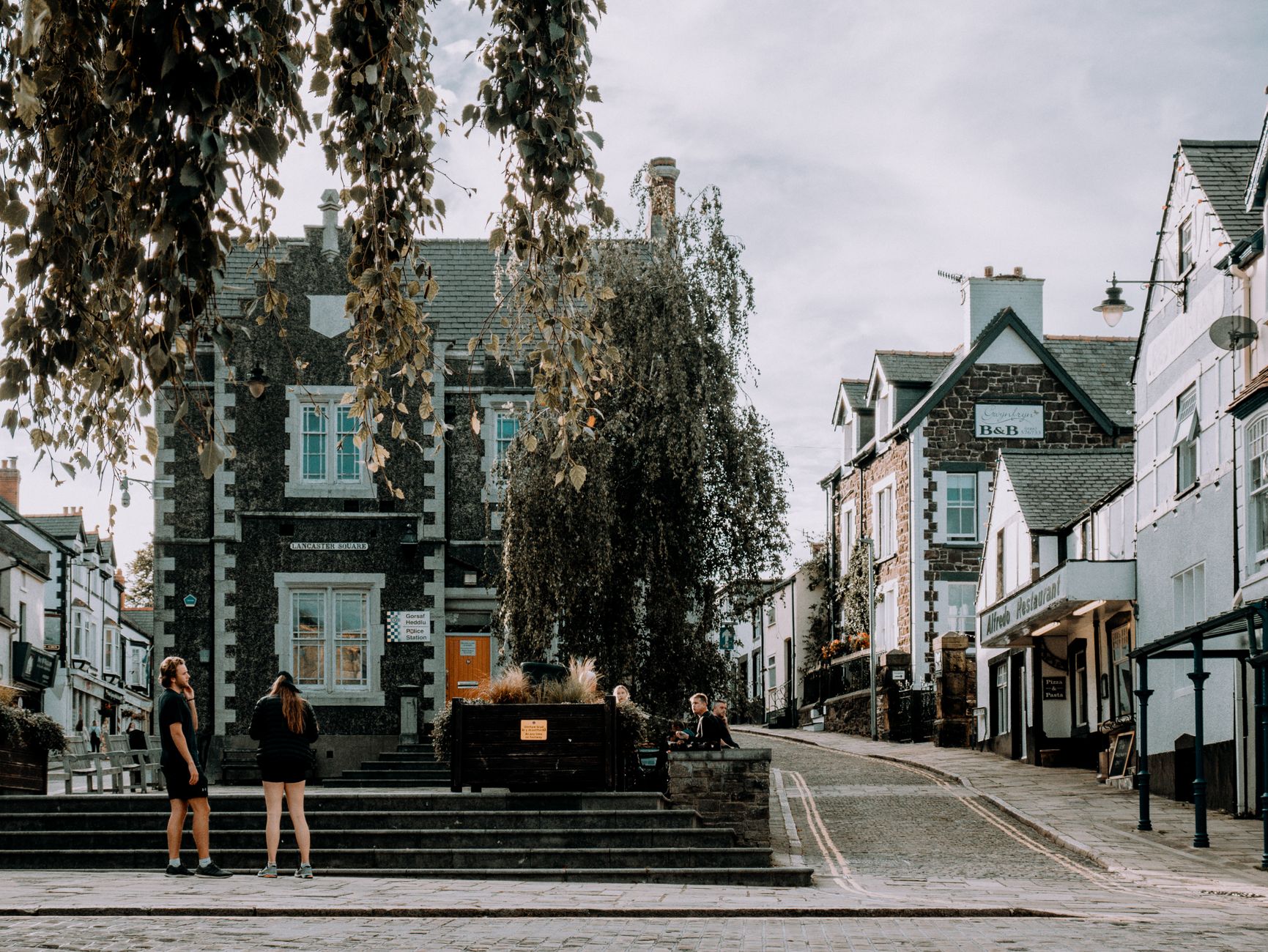


Stand on Cathedral Hill and the whole logic of Downpatrick becomes clear — a low ridge above river flats, with a cathedral at its crown and a granite stone in the churchyard that draws pilgrims from five continents. That stone, placed in 1900, marks the reputed grave of Saint Patrick, who according to tradition died here in 461. The town of around 11,500 people that has grown up around this hill is compact, walkable, and carries its history lightly.
Downpatrick answers a specific kind of curiosity: the place where Irish Christianity is said to have taken root, filtered through Norman ambition, Georgian civic order, and quiet County Down farmland. It rewards a slow half-day rather than a rushed hour.
💛 What travellers fall for
People who come back tend to time it for a heritage railway running day, when the Victorian carriages fill the old line with steam and noise. They also mention arriving at Down Cathedral just before closing on a weekday — the hill is quieter then, the light on the Mourne granite grave marker more considered, and the verger often willing to talk.
Deals in Downpatrick
Book directly at the provider


How Downpatrick came to be
Ptolemy noted a settlement here around AD 130, and the ridge had an earlier Irish name — Rath Celtair, after the Ulster warrior Celtchar. In the Middle Ages it served as capital of the Dál Fiatach, the ruling dynasty of Ulaid. The name Dún Phádraig, anglicised as Downpatrick, arrived in the 13th century, cementing the town's association with Ireland's patron saint, who tradition holds came ashore at nearby Strangford Lough in 432 and was buried on this hill in 461.
The Norman layer arrived with John de Courcy, who seized the town in 1177 after defeating Rory Mac Donlevy, made it his headquarters until 1203, and left two lasting marks: the Mound of Down earthwork and Inch Abbey, built 1.2 km away along the River Quoile as penance for destroying Erenagh Abbey. The cathedral he reshaped with Benedictine monks from Chester; what stands today is largely the 15th-century chancel, restored under an 1790 Act of Parliament and reopened in 1818.
Who and what shaped it
People who shaped it
Landmark buildings
See Downpatrick in motion
Plan your visit
On the map
When to go
Downpatrick shares the mild, damp temperament of coastal County Down — summers rarely hot, winters rarely severe, and rain a possibility in any month. Spring and early autumn offer the clearest skies and the most manageable crowds around the cathedral grounds.
Right now
Background & history adapted from Wikipedia (CC BY-SA) · specs from Wikidata (CC0) · weather from Open-Meteo · map data © OpenStreetMap contributors · photos from Wikimedia Commons / Unsplash with per-image credit. No third-party reviews or social posts reproduced.