
Cookstown
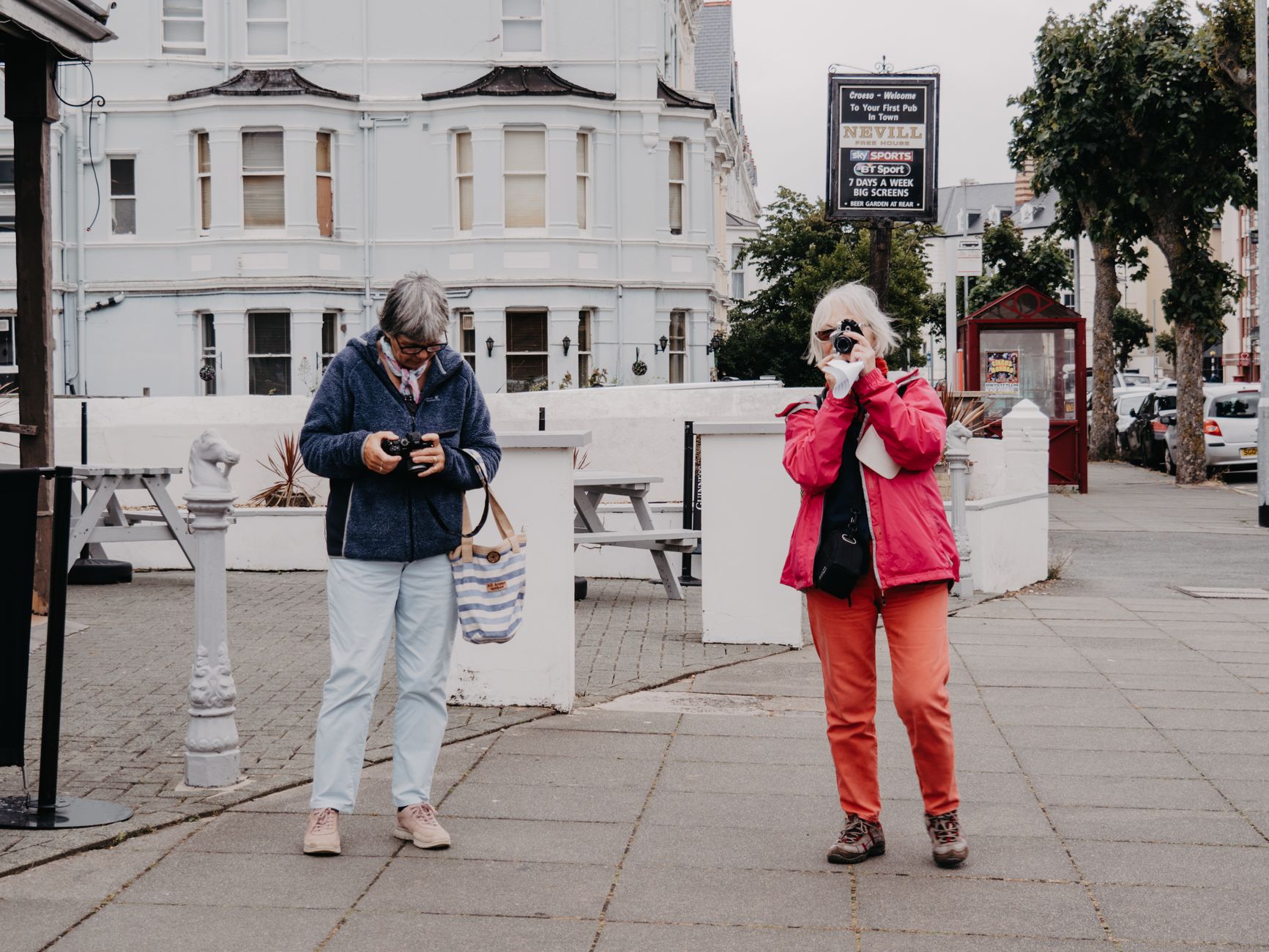
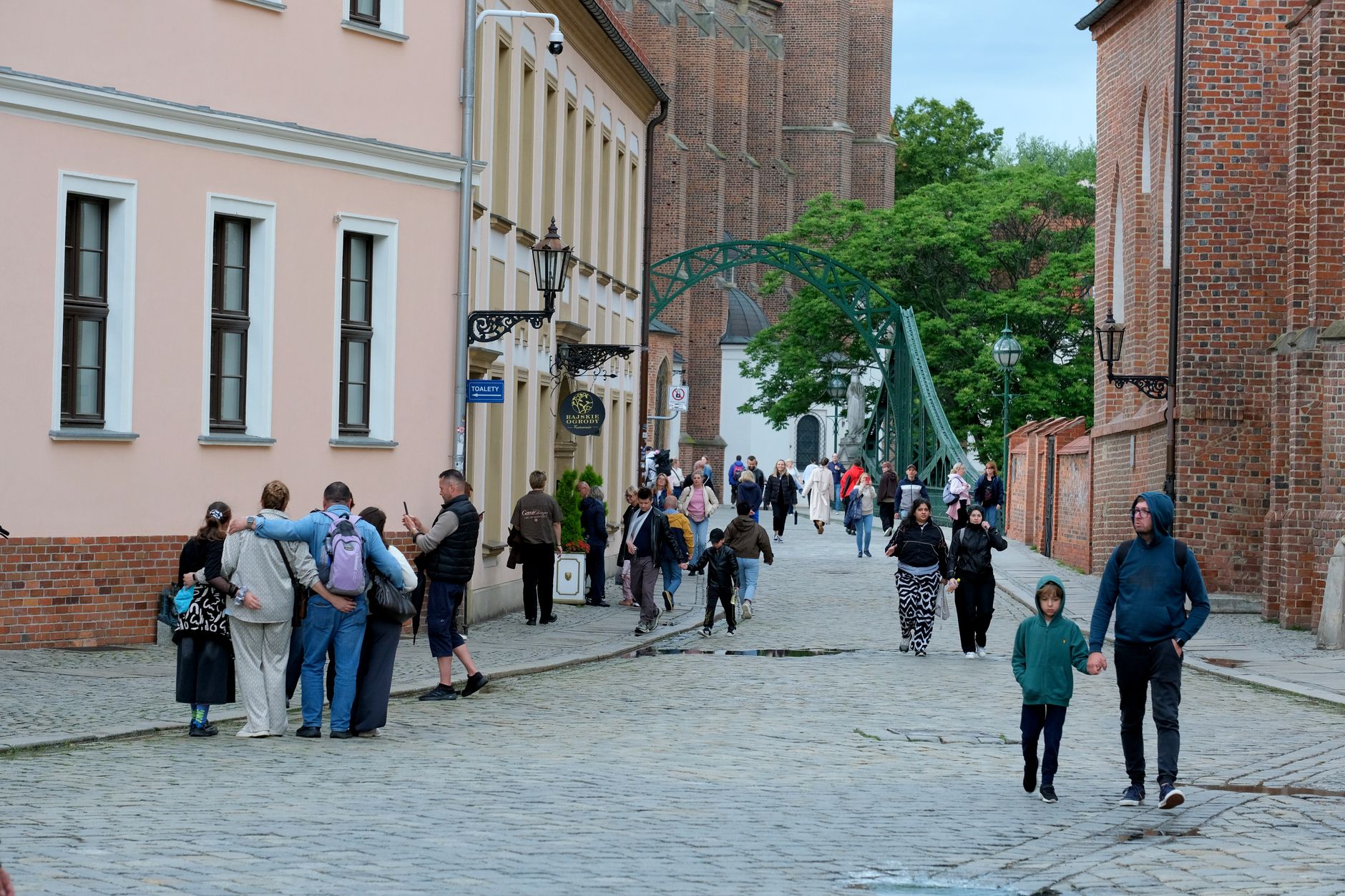

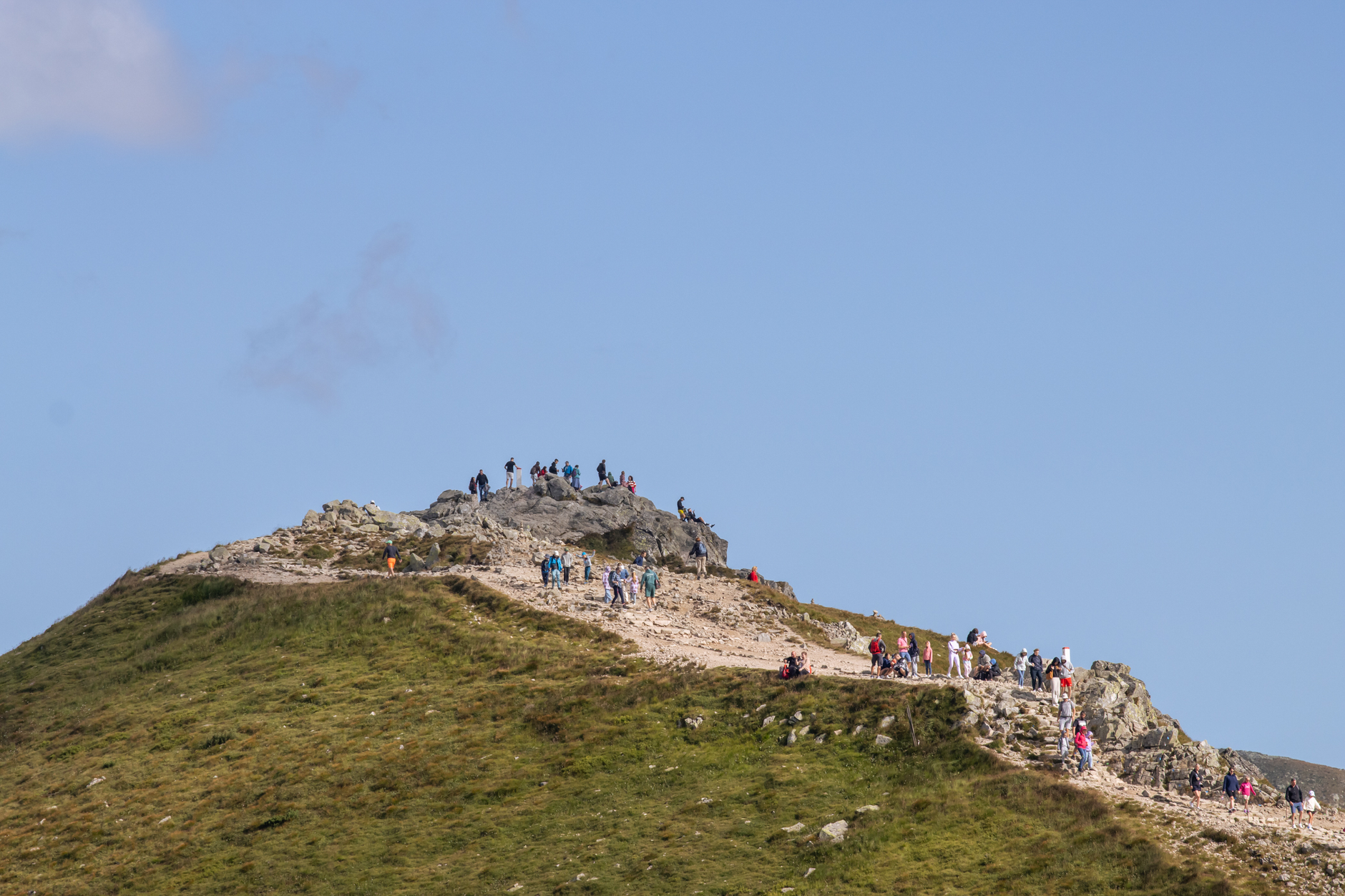
Cookstown announces itself with a street. At over a mile long and 130 feet wide — deliberately proportioned, inspired by Dublin's Wide Streets Commission — the main street is the longest in Ireland, and walking its length gives you a sense of a town that was always thinking about scale. It sits on the southeastern edge of the Sperrin Mountains, with Lough Neagh not far to the east, and that geography shapes everything: the light, the damp, the particular green of the surrounding fields.
This is Mid-Ulster in a quiet, working register. The linen mills are long gone, the old Town Hall demolished, and in their place is the Burnavon Arts and Cultural Centre. Within a short drive: a John Nash castle, a working water-powered beetling mill, and a 9th-century high cross standing alone at the lough shore.
💛 What travellers fall for
People who come back tend to mention the same detour: out to Wellbrook Beetling Mill before the afternoon gets away from you, then the Ardboe High Cross at dusk when the light off Lough Neagh is low and horizontal. The Cookstown 100 road races draw a very particular crowd each spring — if motorcycles are your thing, plan around it; if they're not, plan around them.
Deals in Cookstown
Book directly at the provider


How Cookstown came to be
Cookstown was built on a lease. Around 1620, Dr. Alan Cooke — an English ecclesiastical lawyer — took on townlands from the Archbishop of Armagh, lands made available after the Flight of the Earls and the subsequent Plantation of Ulster. Cooke built houses, fulfilled his covenants, and was eventually granted a charter by King Charles I to hold weekly markets and twice-yearly fairs. The town that grew from that arrangement became one of the main centres of the linen industry west of the River Bann, with flax spinning, weaving, bleaching and beetling all carried out here until 1956.
The 20th century left harder marks. On 17 June 1920, during the Irish War of Independence, an IRA raid on the RIC barracks resulted in the death of Patrick Loughran — the first IRA member killed on active service in what would become Northern Ireland. In March 2019, three teenagers died in a crowd crush outside the Greenvale Hotel on St Patrick's Day, a loss the town has not moved past so much as carried forward.
Who and what shaped it
People who shaped it
Landmark buildings
See Cookstown in motion
Plan your visit
On the map
When to go
Cookstown has a temperate maritime climate: mild and wet, with annual rainfall close to 1,000 mm. Summers reach around 18°C and winters rarely drop far below 4°C, but May — with nearly seven hours of daily sunshine on average — is the clearest window for getting out to the surrounding countryside and lough shore.
Right now
Background & history adapted from Wikipedia (CC BY-SA) · specs from Wikidata (CC0) · weather from Open-Meteo · map data © OpenStreetMap contributors · photos from Wikimedia Commons / Unsplash with per-image credit. No third-party reviews or social posts reproduced.