
Mumbai, India
Seven islands, land-reclaimed into one. That's the founding logic of Mumbai — ambitious, incremental, and never quite finished — and it still describes the city today. The suburban railway alone carries over seven million people a day, a number that stops making sense the moment you try to picture it.
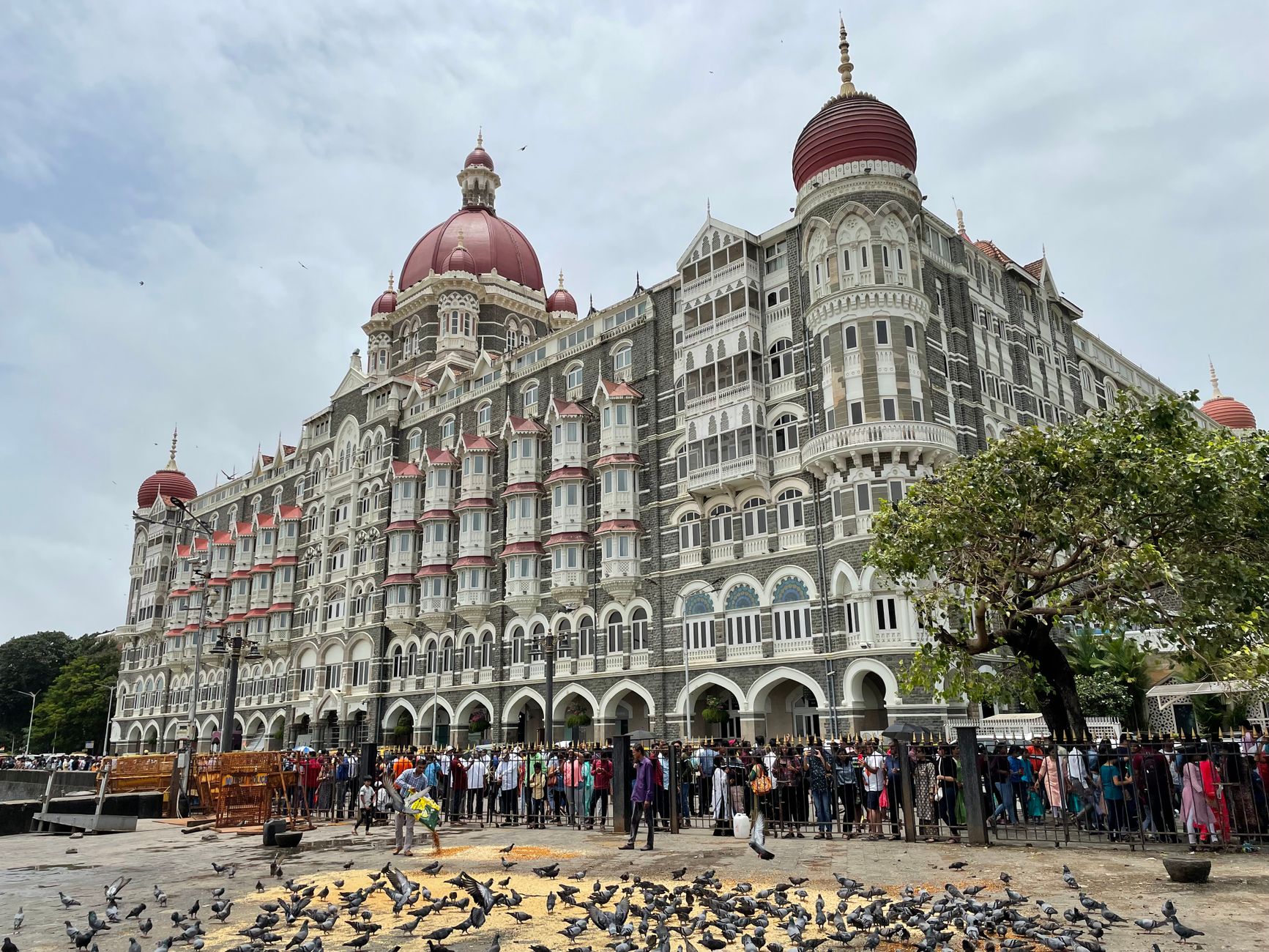
What the city offers at scale is hard to summarise and easy to experience: Gothic railway terminals that double as rush-hour theatre, Art Deco seafronts, cave temples carved into basalt a millennium and a half ago, and a film industry that has been producing its own mythology since Raj Kapoor was shooting in the 1950s. Come with time and a willingness to follow a single neighbourhood deep.
Popular cities in Mumbai, India

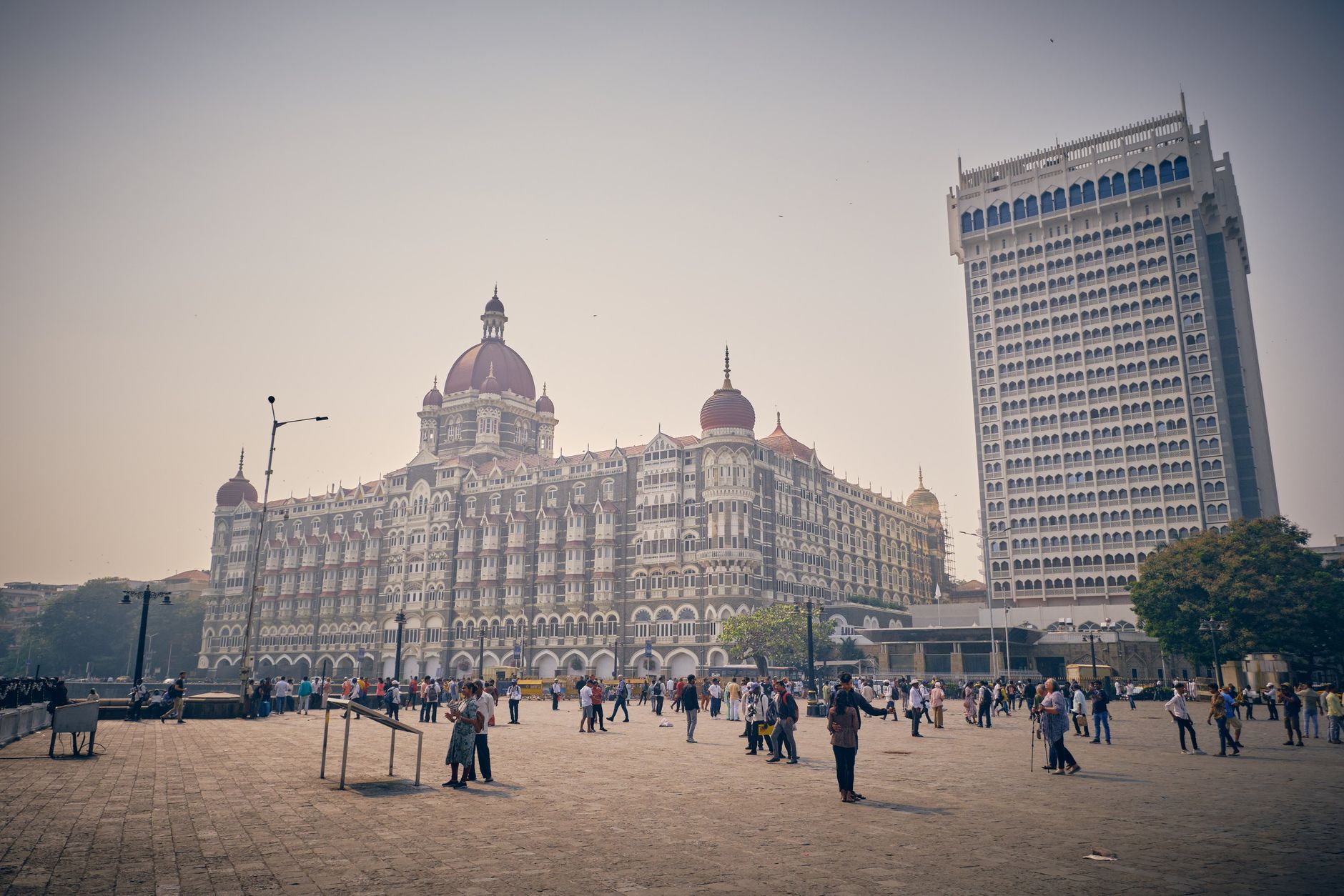
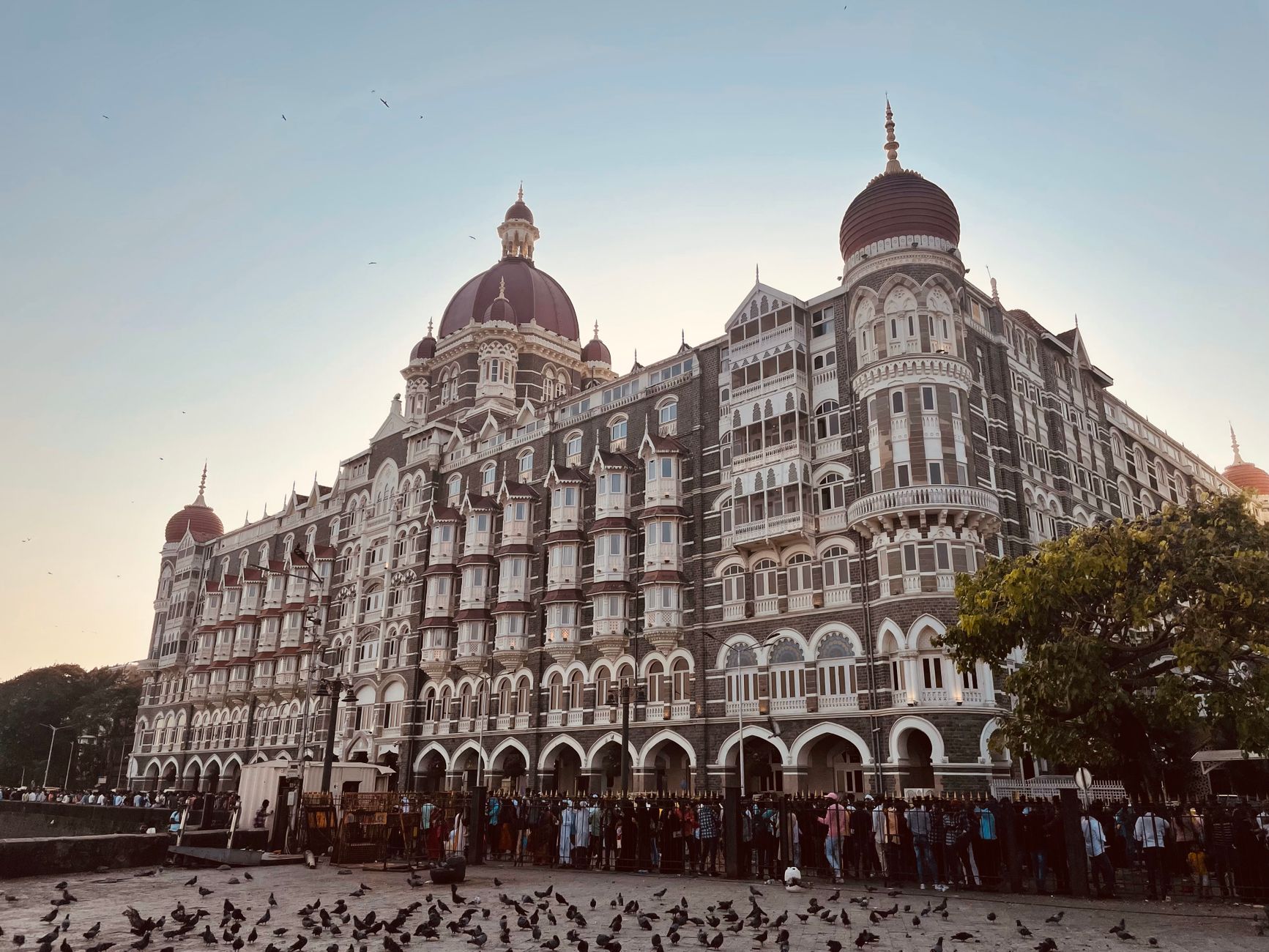
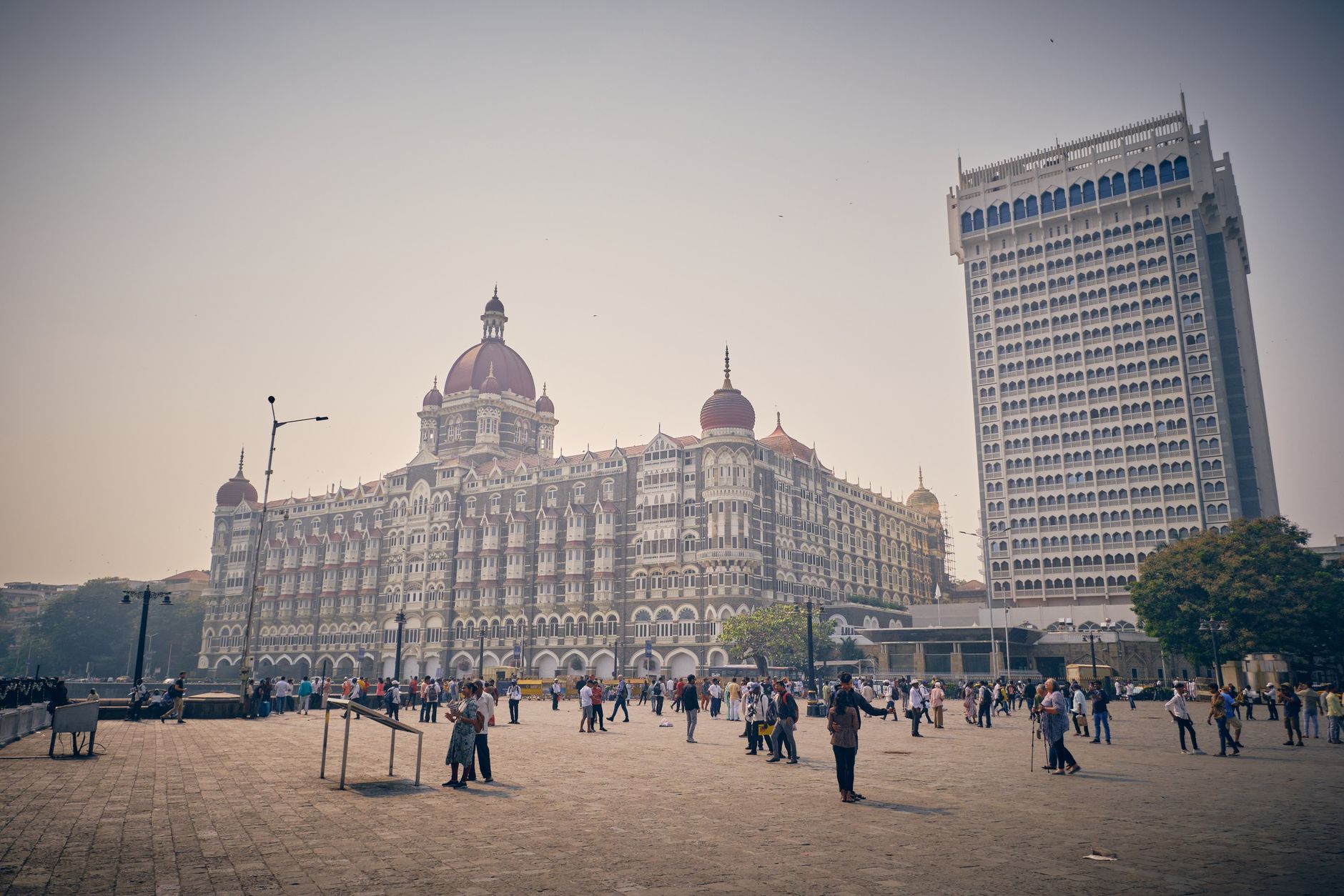
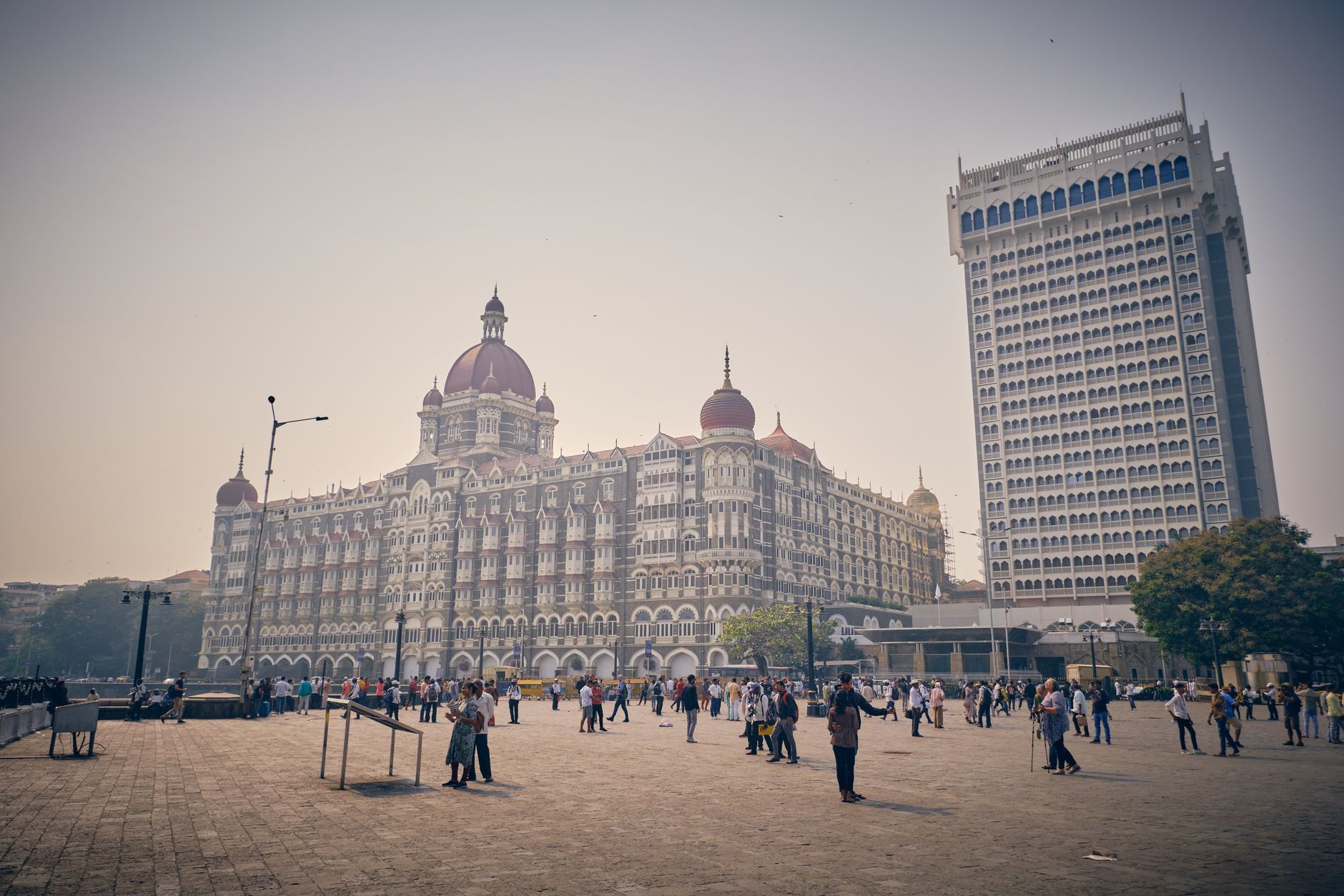
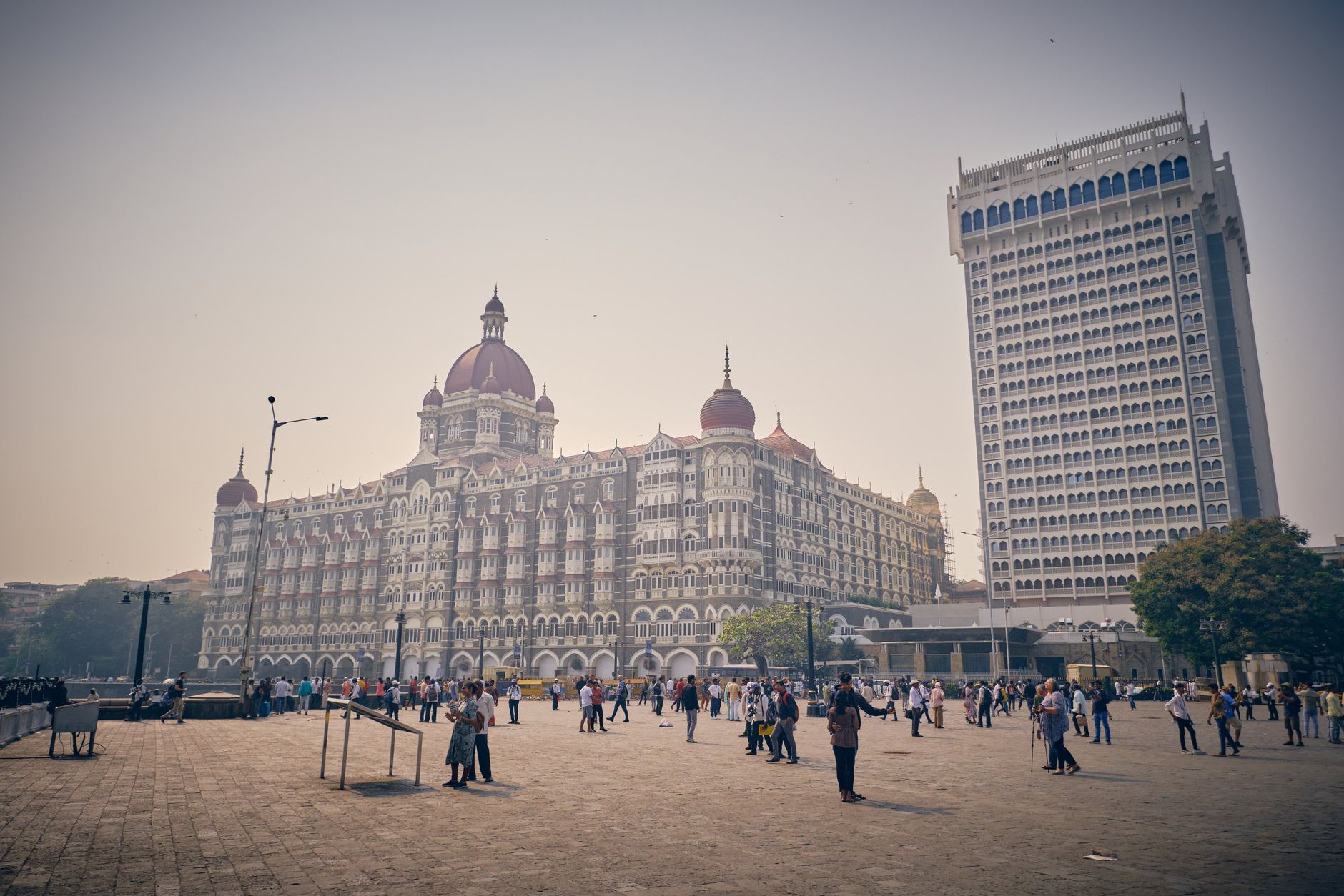
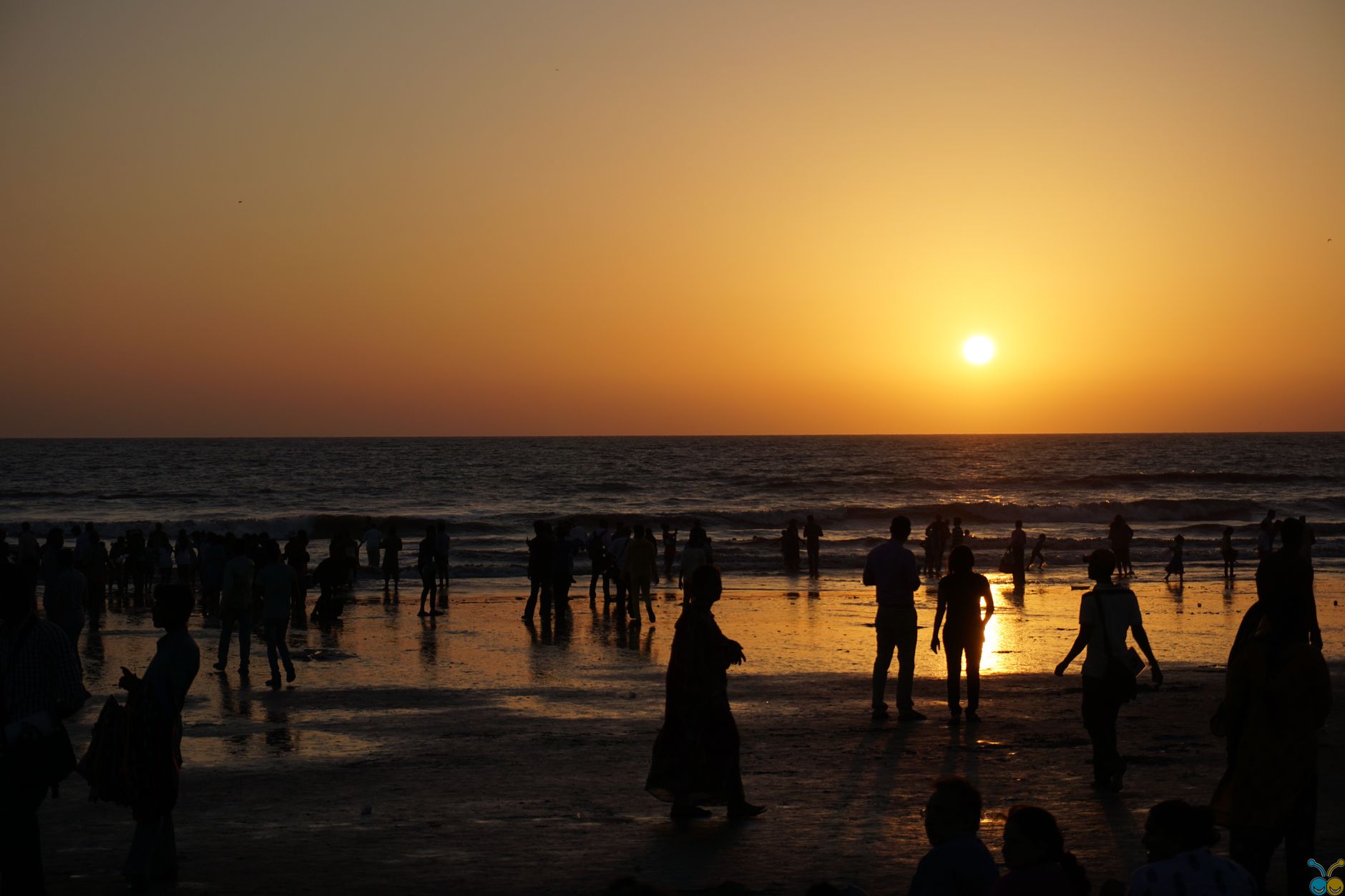
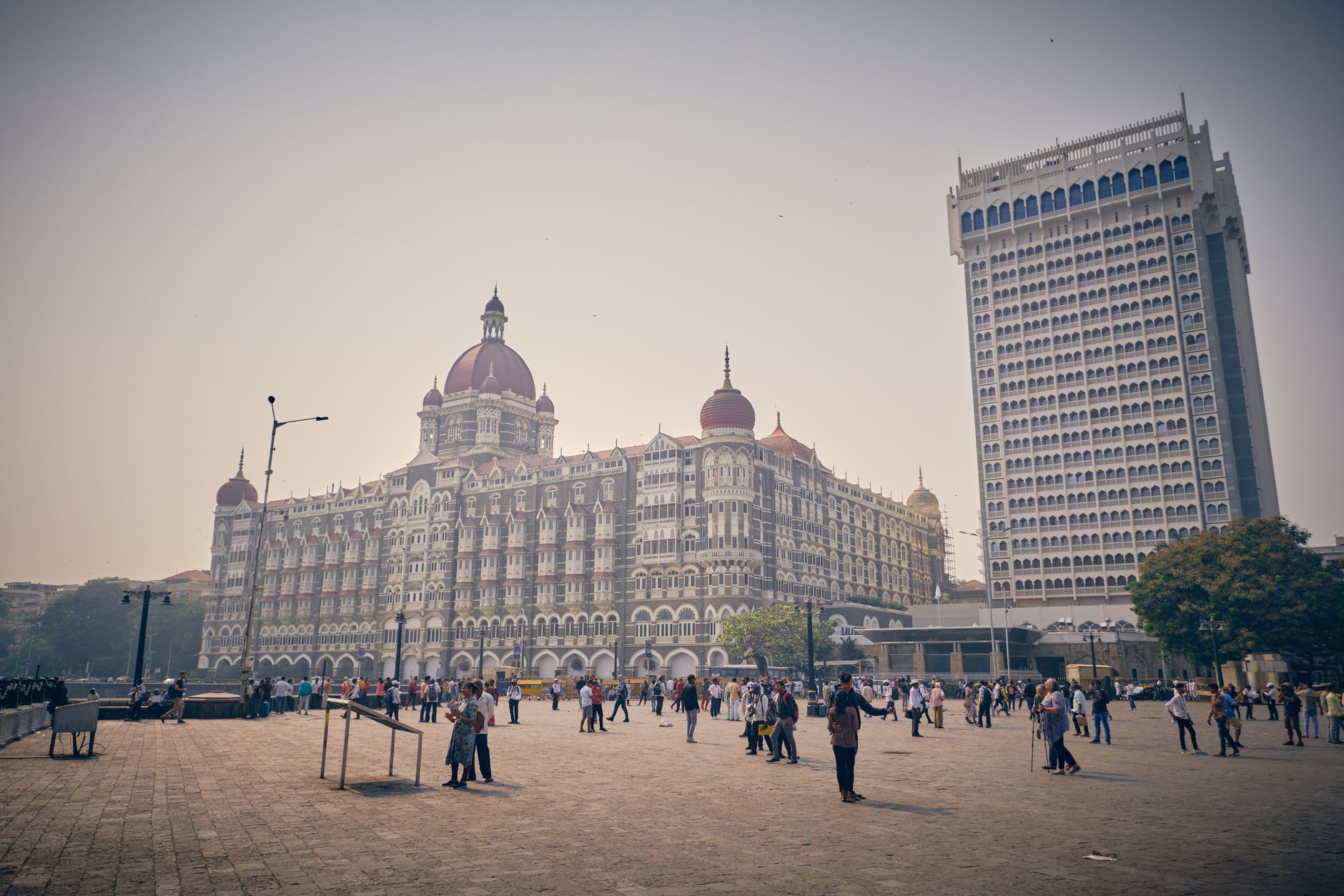
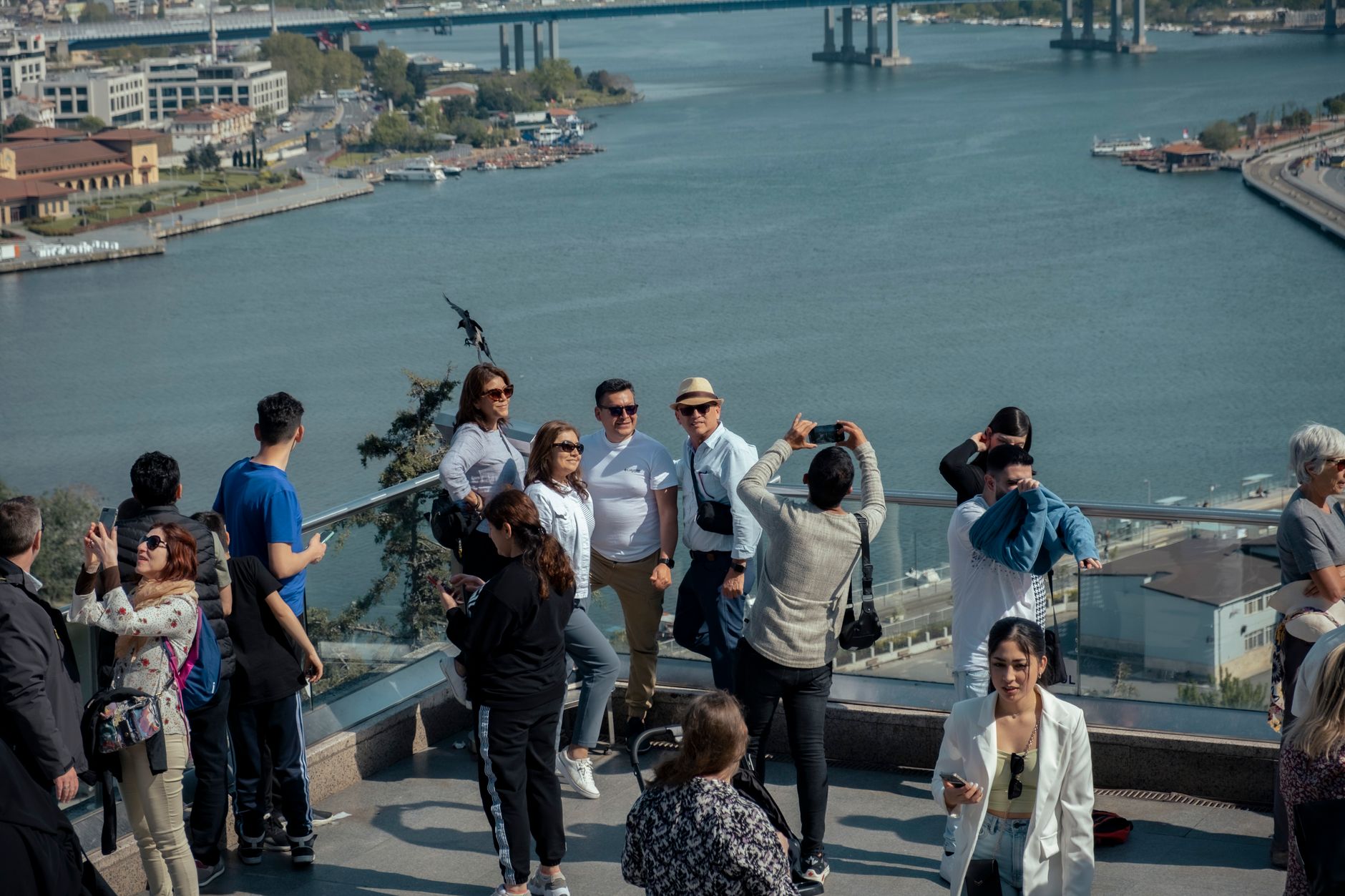
💛 What travellers fall for
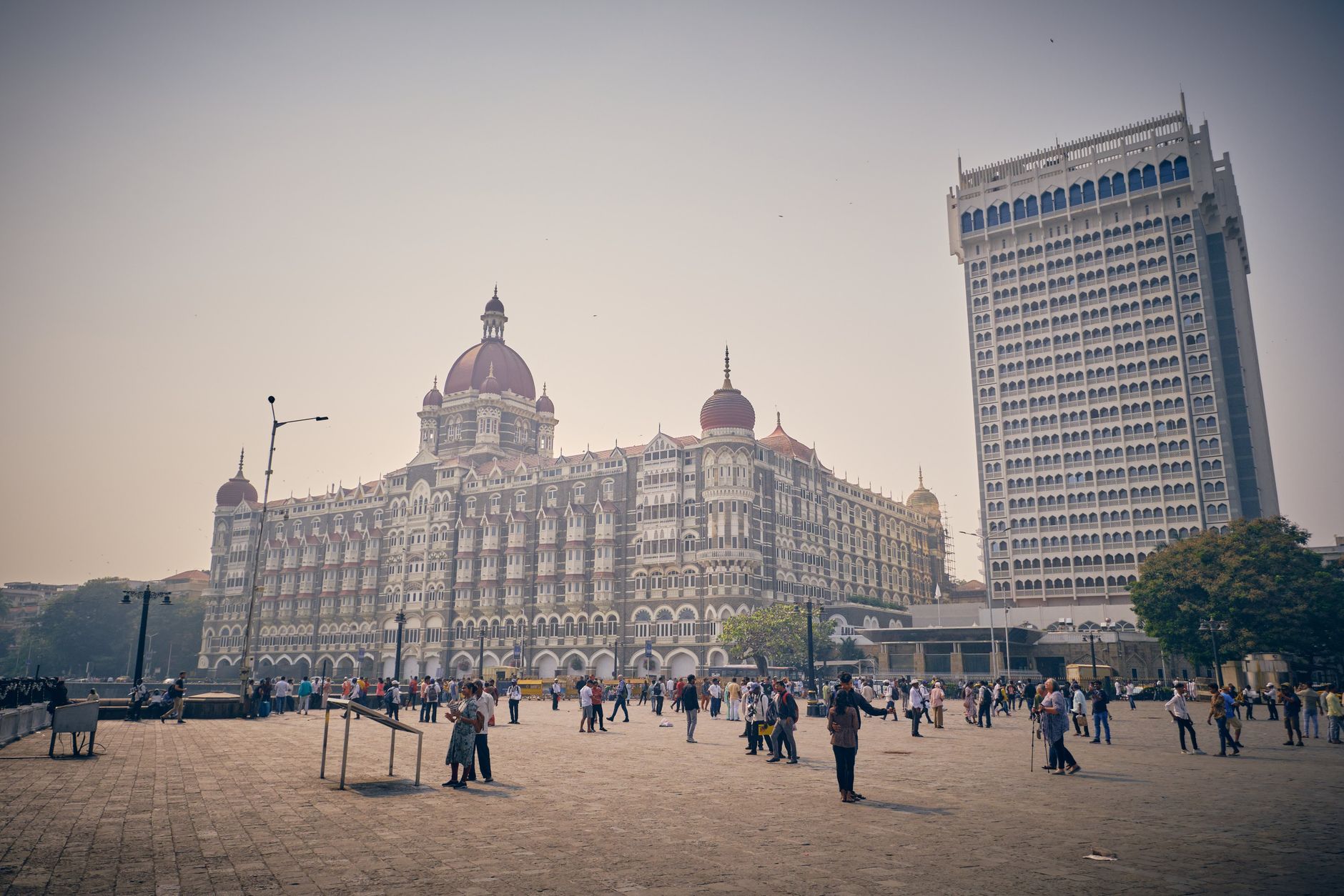
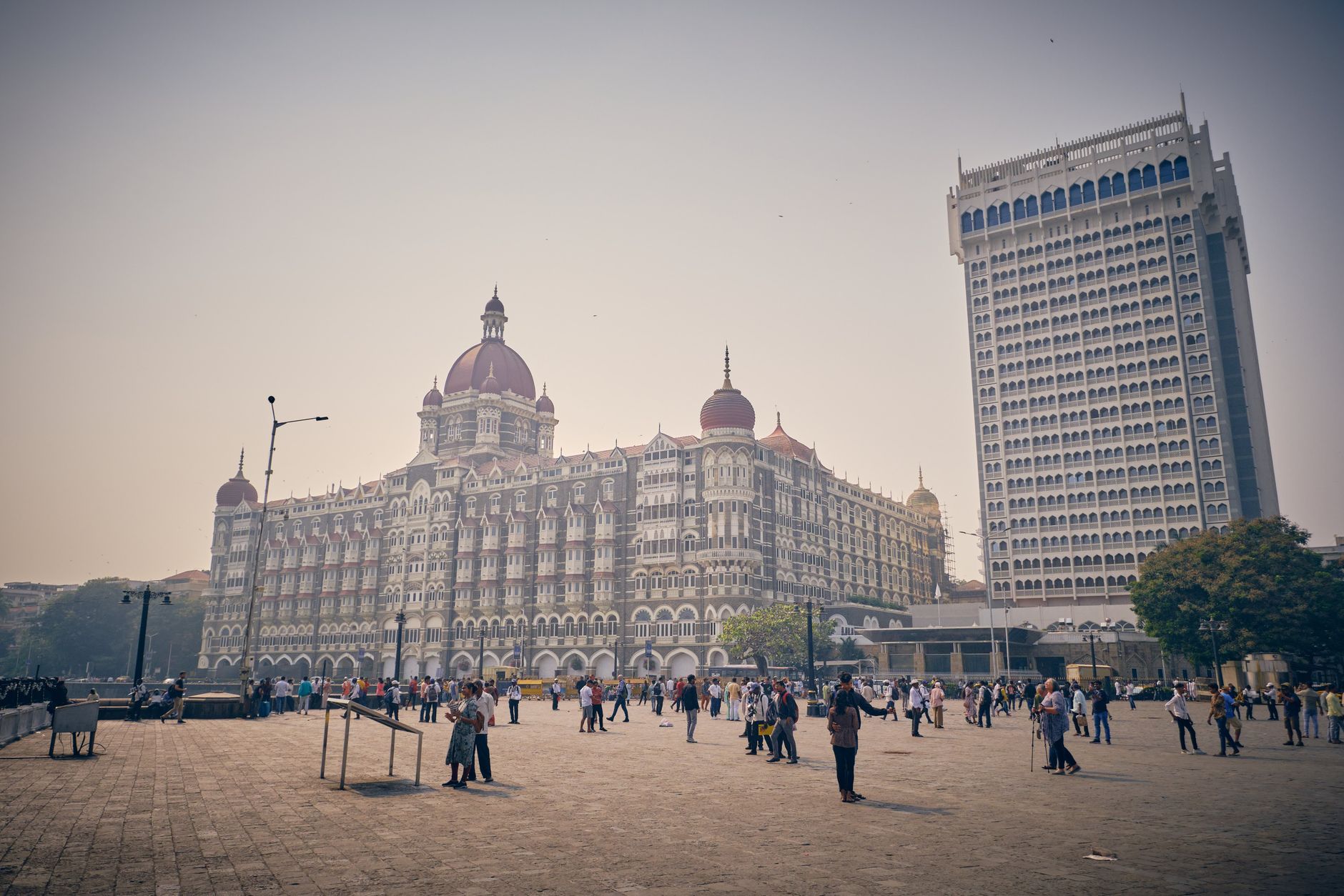
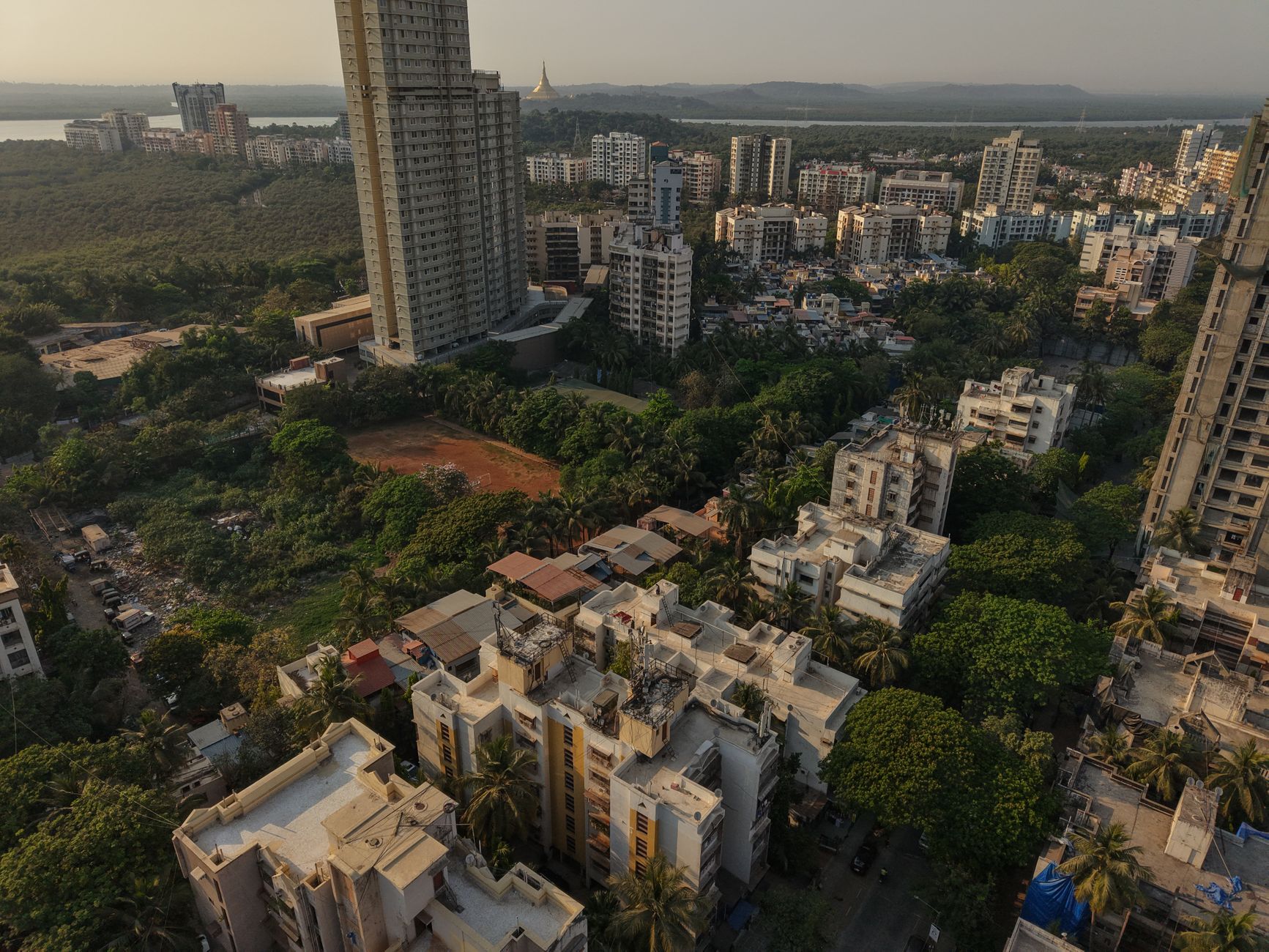
People who return tend to anchor themselves to one area first — Colaba for the southern landmarks, Bandra for the restaurants and the slower pace of the western suburbs. The Metro has changed how the city moves; the suburban rail still shows you how it lives. Both are worth taking at least once during peak hours, if only to understand the scale.
How Mumbai, India came to be
Mumbai's origin is a story of ownership changing hands and land being added by force of will. The Koli fishing communities were here first, trading across the Arabian Sea long before European contact. The Portuguese took the islands from the Sultan of Gujarat in 1534; they passed to the British Crown in 1661 as part of Catherine of Braganza's dowry to Charles II, who promptly leased them to the East India Company. By 1687 the Company had moved its entire western presidency here from Surat.
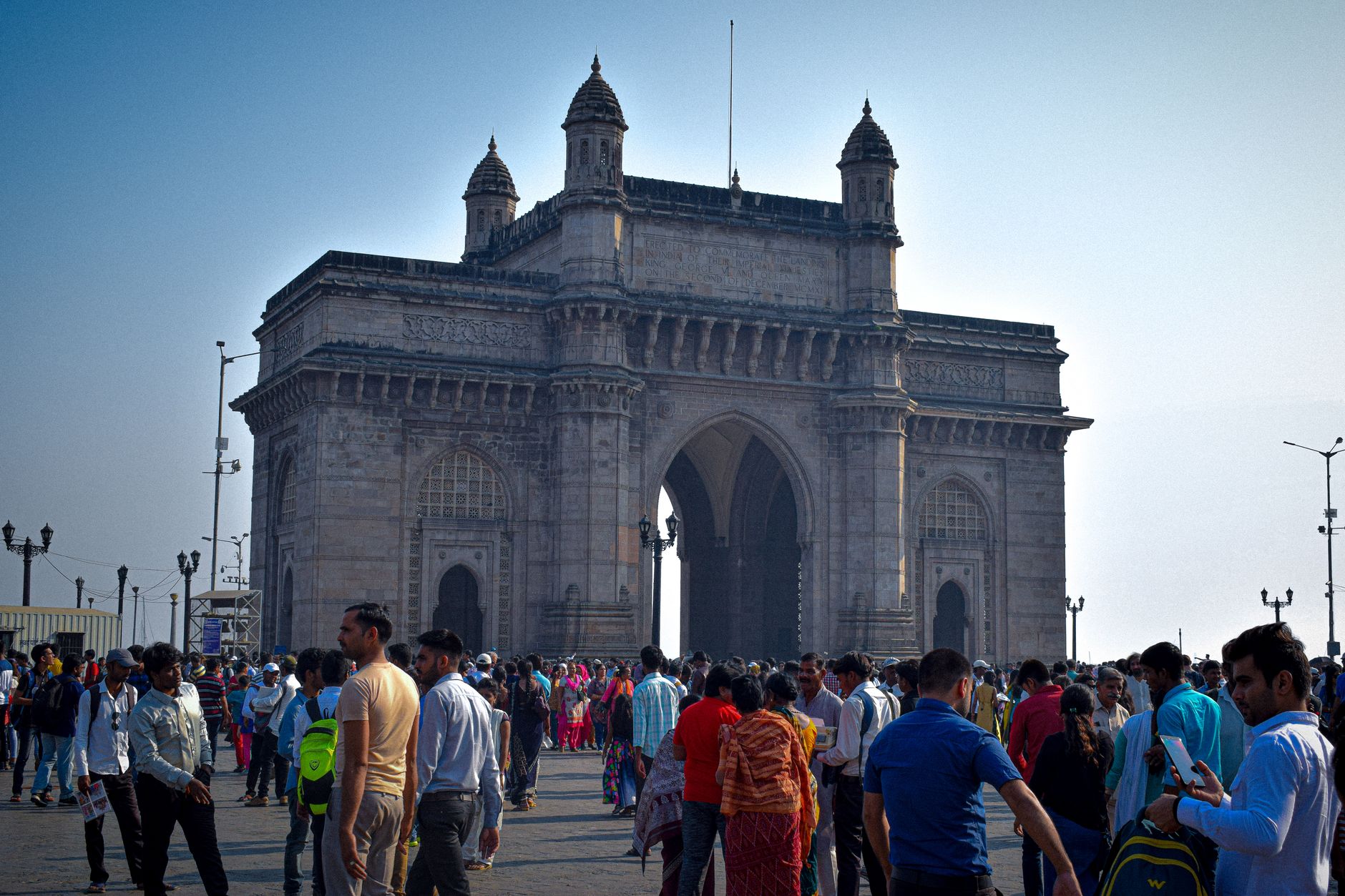
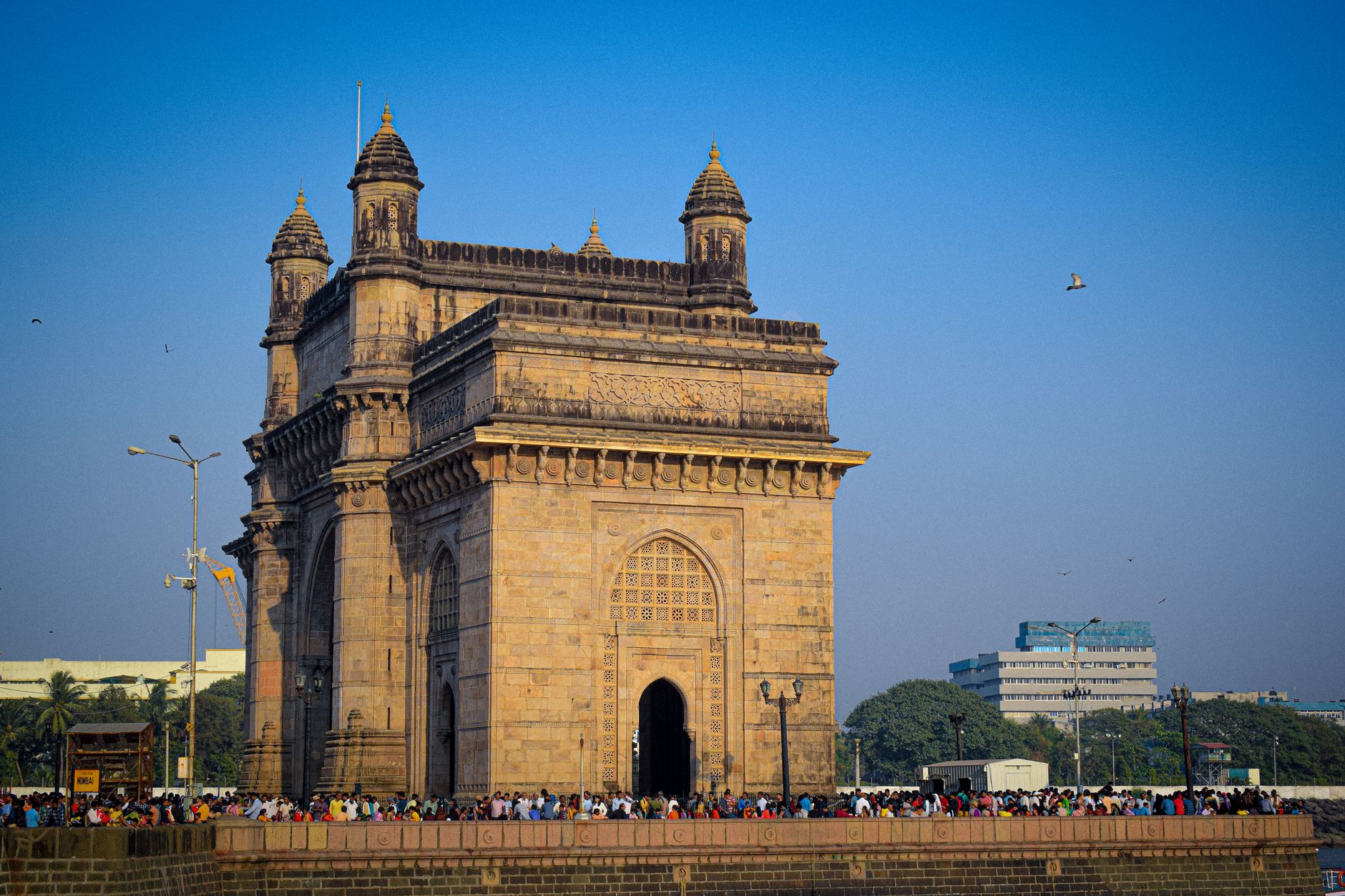
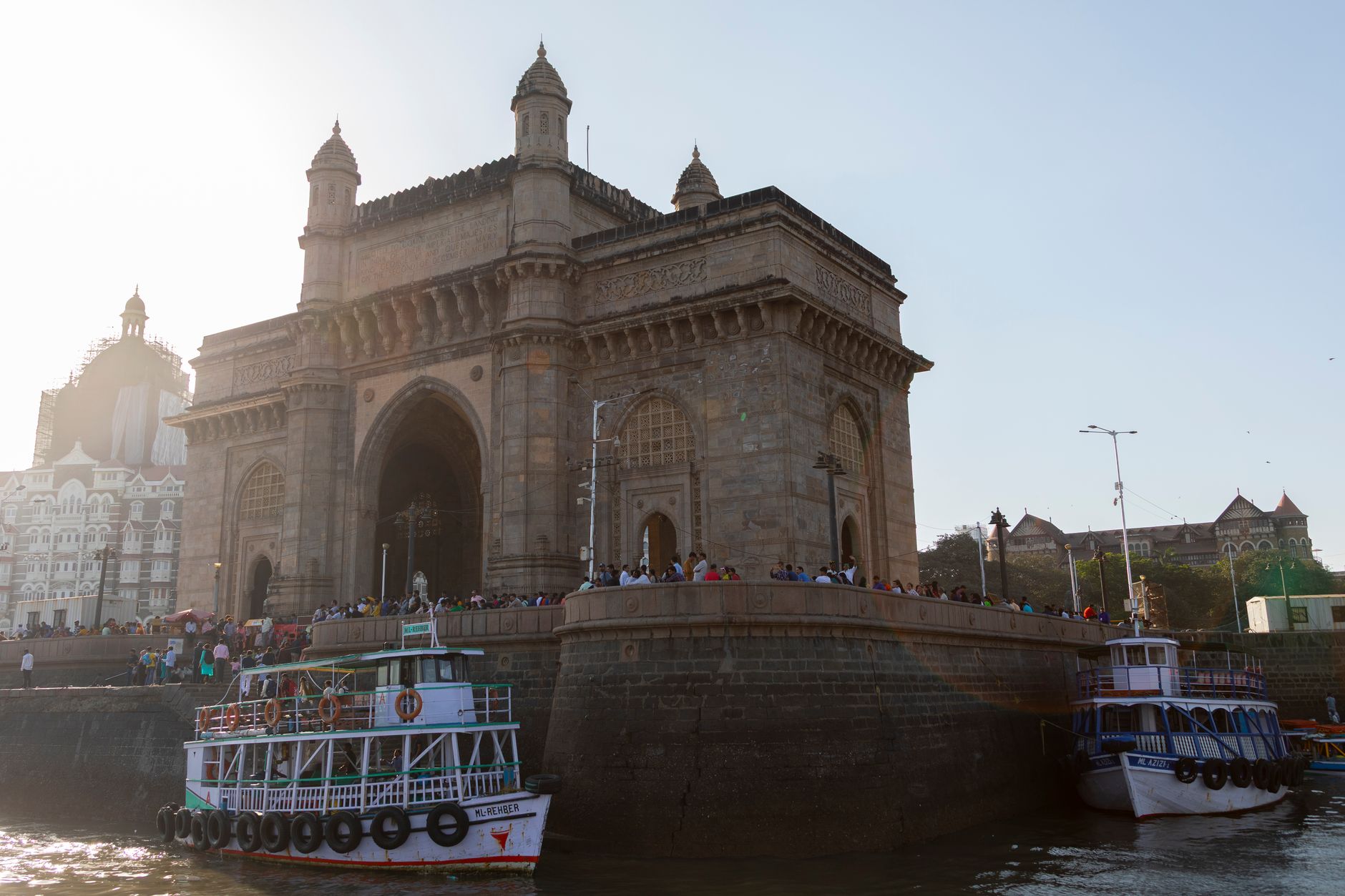
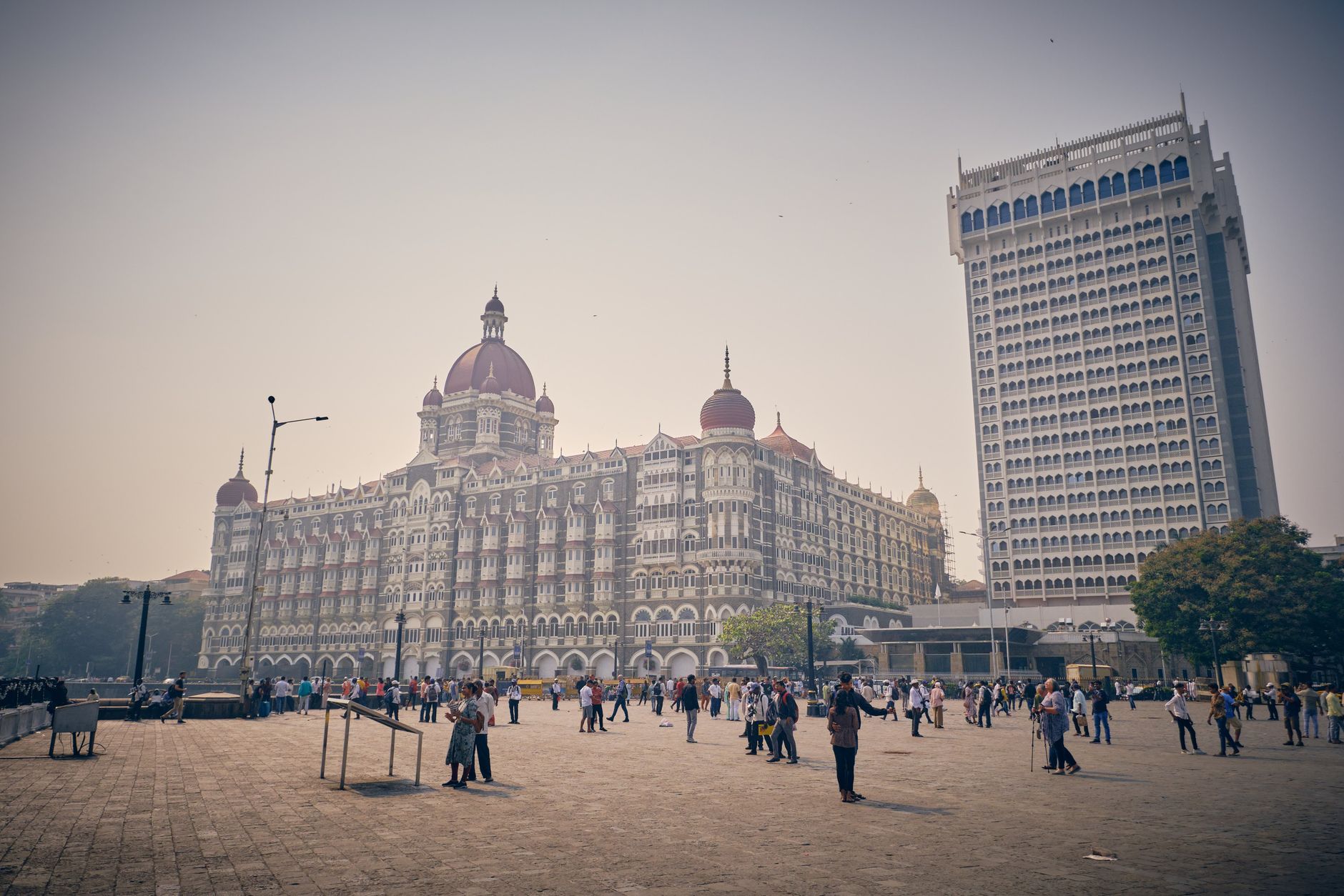
Between 1817 and 1845, a land reclamation project stitched the original seven islands into a single landmass. What followed came quickly: Asia's first railway line in 1853, the Bombay Stock Exchange in 1875, the Indian National Congress founded here in 1885, Victoria Terminus completed in 1888. The Gateway of India — built to mark a royal visit, last used when British troops finally departed in February 1948 — stands as an accidental monument to the whole arc.
Who and what shaped it
People who shaped it
Landmark buildings
See Mumbai, India in motion
Plan your visit
On the map
When to go
November to February brings dry, relatively cool weather — the city's most hospitable months. The monsoon arrives in June and doesn't fully leave until September, bringing heavy rain and high humidity; some travellers find it dramatic, most find it limiting.
Right now
↡ Cities
Background & history adapted from Wikipedia (CC BY-SA) · specs from Wikidata (CC0) · weather from Open-Meteo · map data © OpenStreetMap contributors · photos from Wikimedia Commons / Unsplash with per-image credit. No third-party reviews or social posts reproduced.