
Colaba
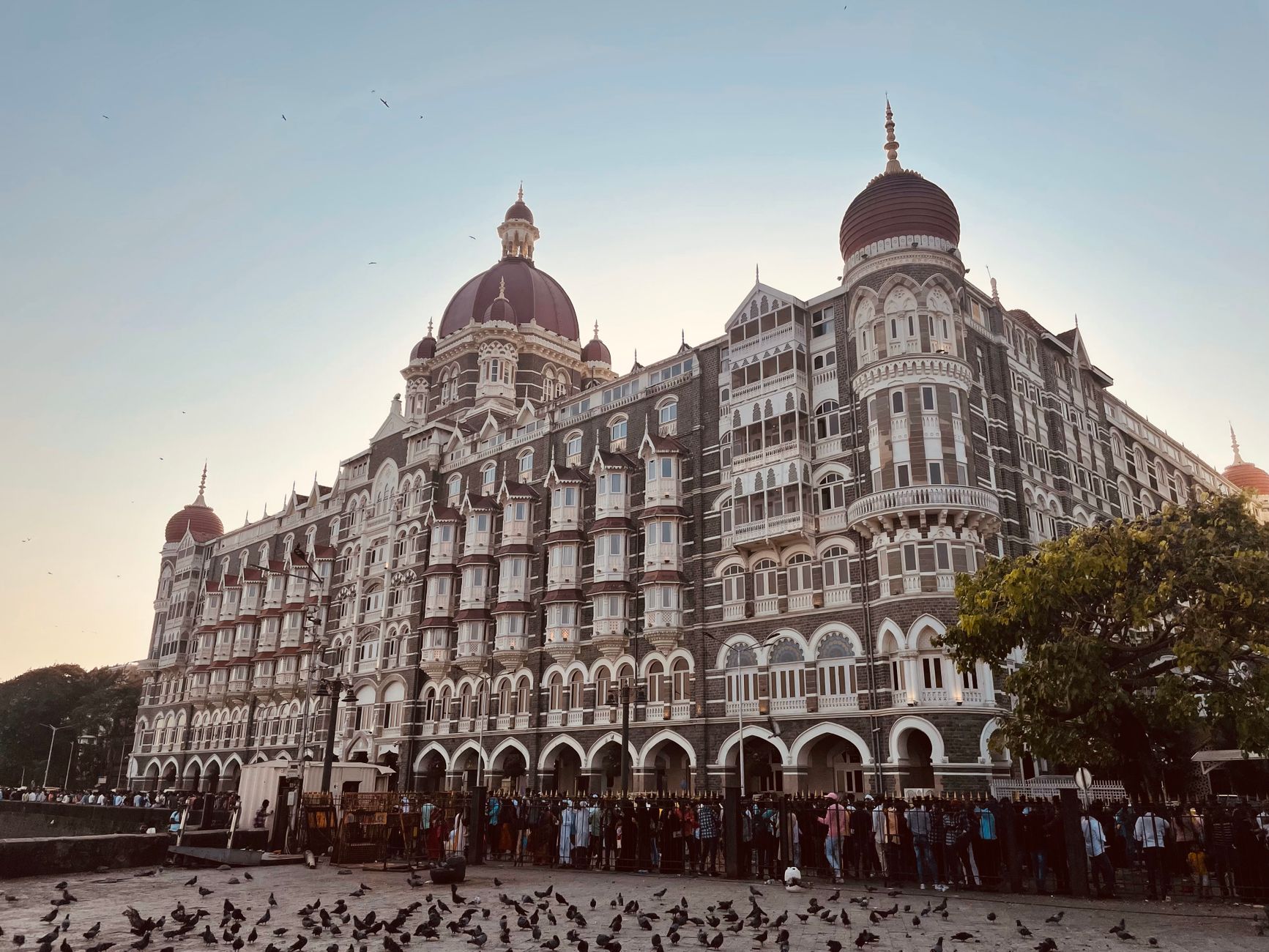
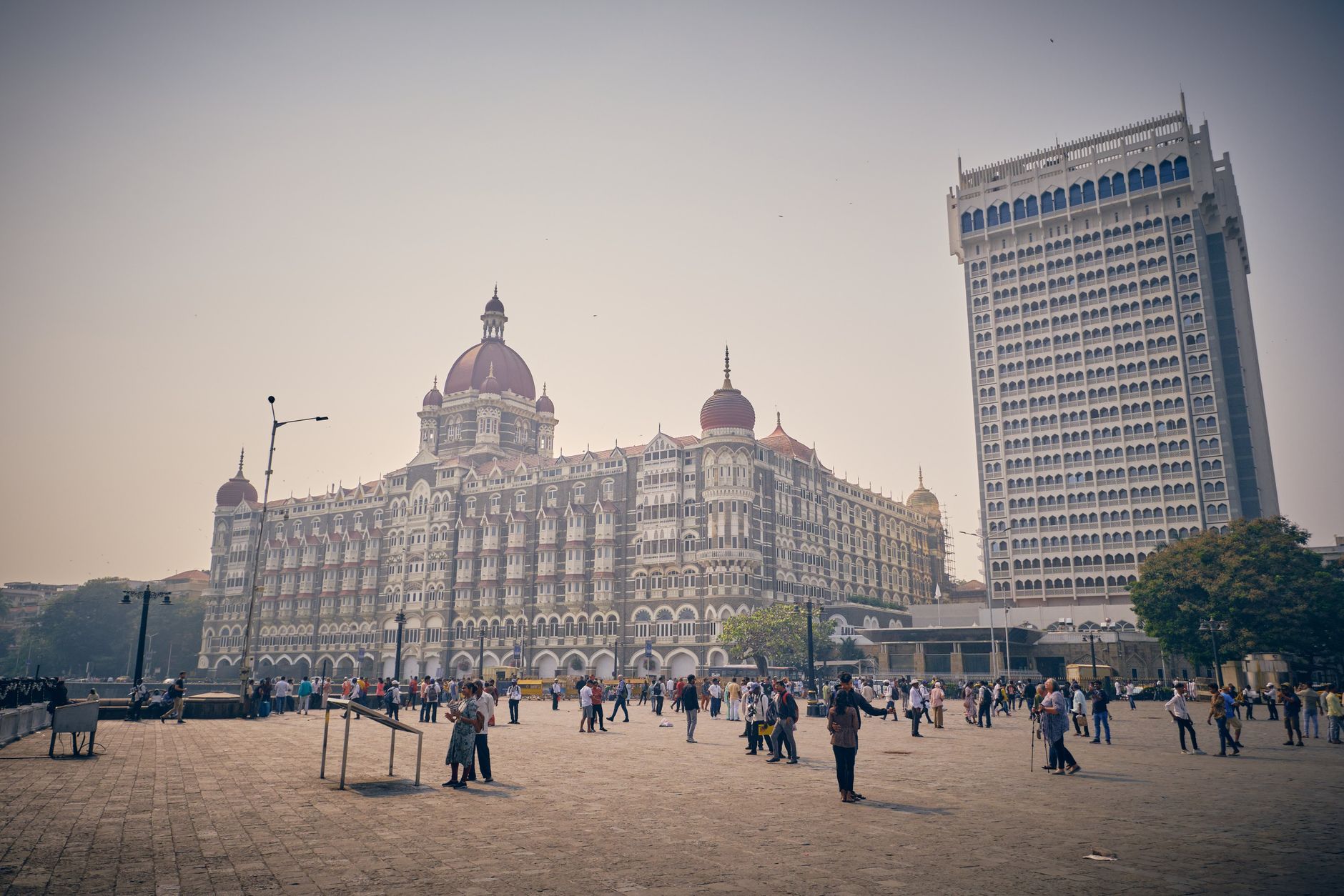
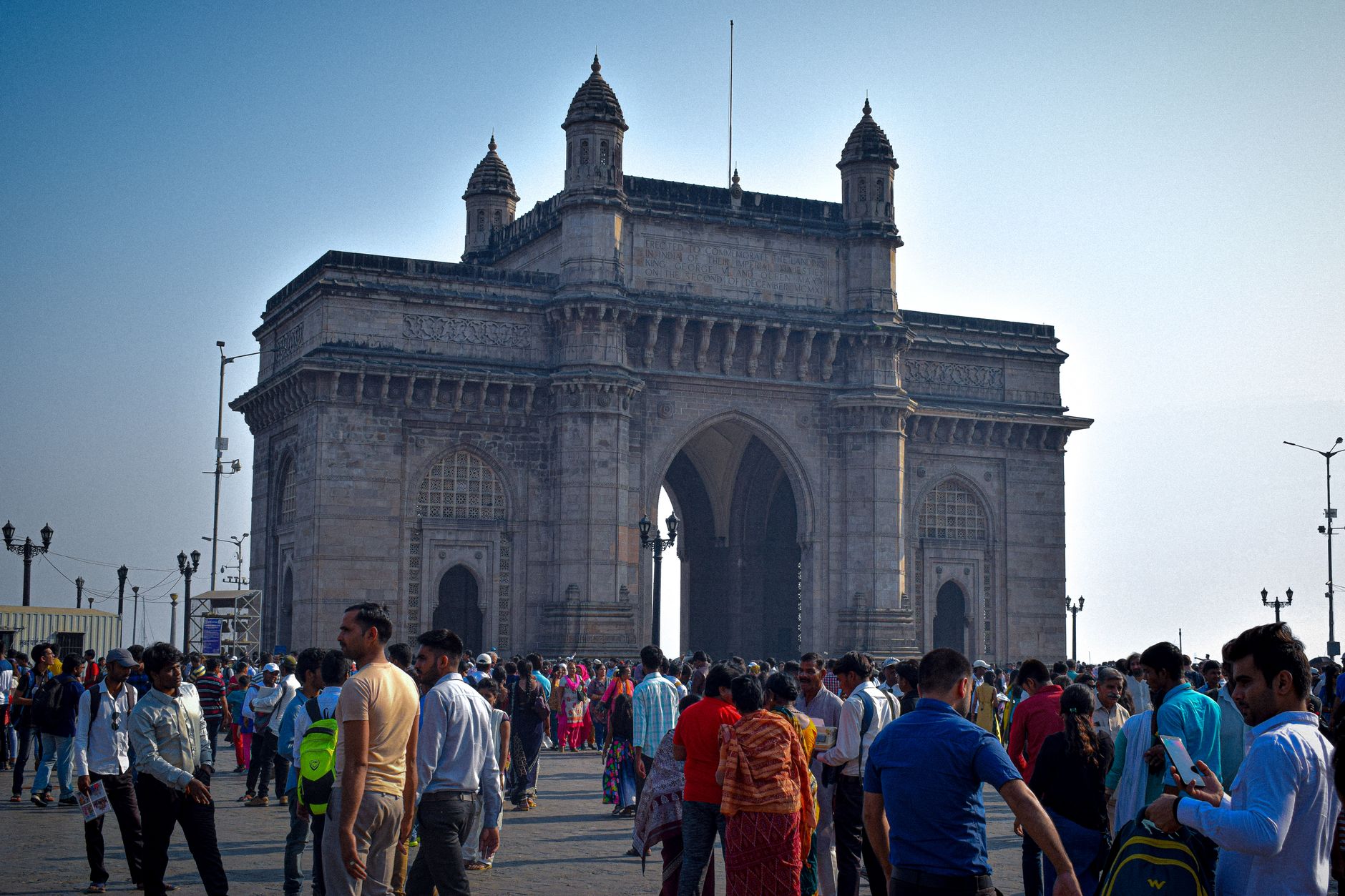
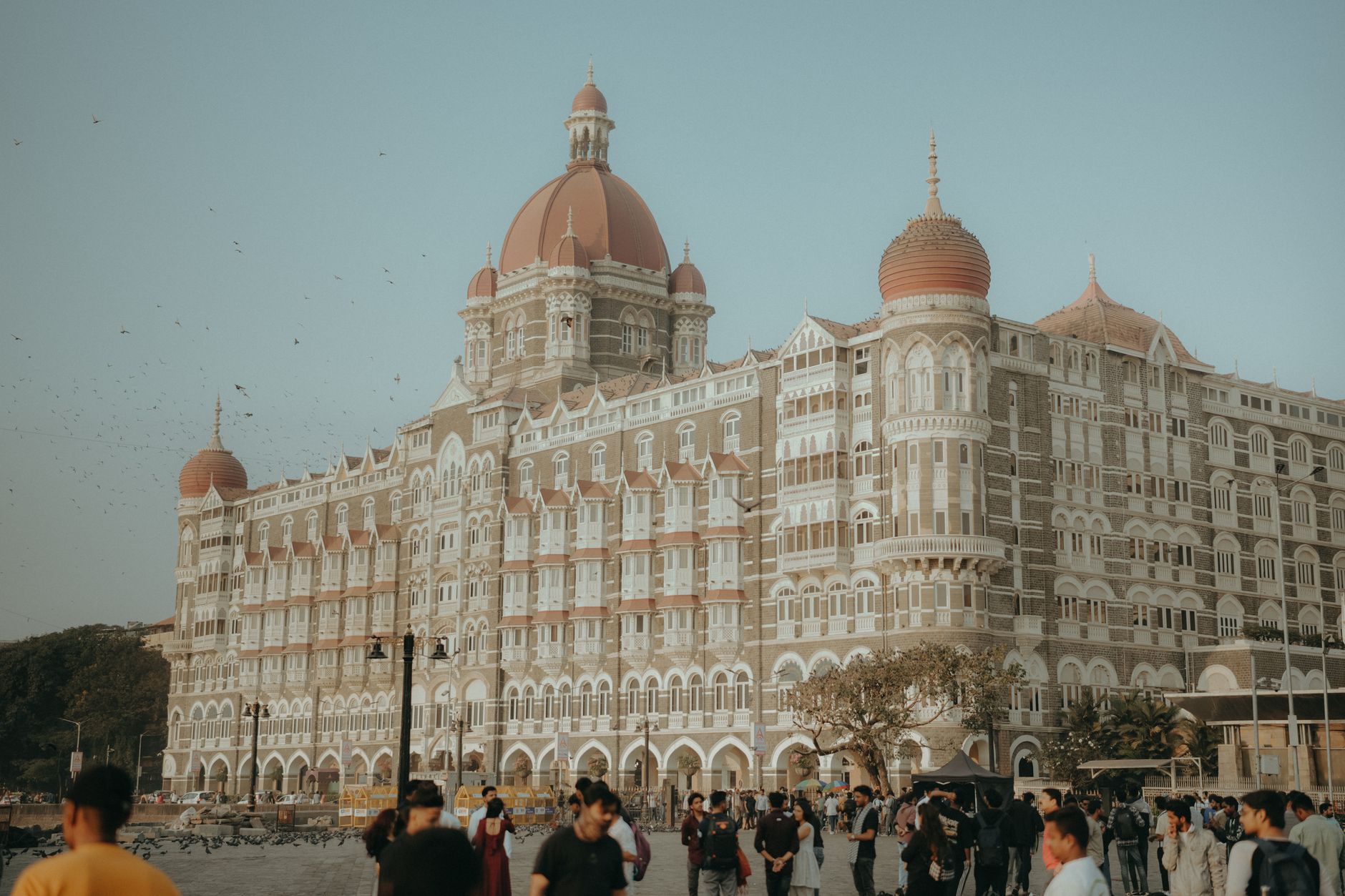
Colaba begins at the water. Stand at the Gateway of India — that basalt arch that went up in 1924 to mark King George V's visit — and you have the Arabian Sea at your back and one of Mumbai's most compressed, consequential neighbourhoods stretching ahead of you. The Taj Mahal Palace sits to your left, the Afghan Church a kilometre south, Sassoon Docks further still. Everything that made Bombay a port city and a colonial project is legible here, in stone and salt air.
The peninsula carries its layers without apology. Koli fishermen named it. The Portuguese called it Candil. The British East India Company formalised it, built the causeway in 1838, and turned Cotton Green into a trading hub. The Parsis settled and stayed — their fire temple dates to 1836, and Cusrow Baug, a walled compound of 1,540 apartments, remains exclusively theirs. All of that is still present, and still in use.
💛 What travellers fall for
People who return to Colaba tend to mention the same morning ritual: coffee at Café Mondegar before the street fills, then a walk down to Sassoon Docks around six or seven when the catch comes in and the whole dock smells of the sea. The Afghan Church on a quiet afternoon is worth the detour — the steeple wasn't finished until 1865 and the interior rewards the walk.
Deals in Colaba
Book directly at the provider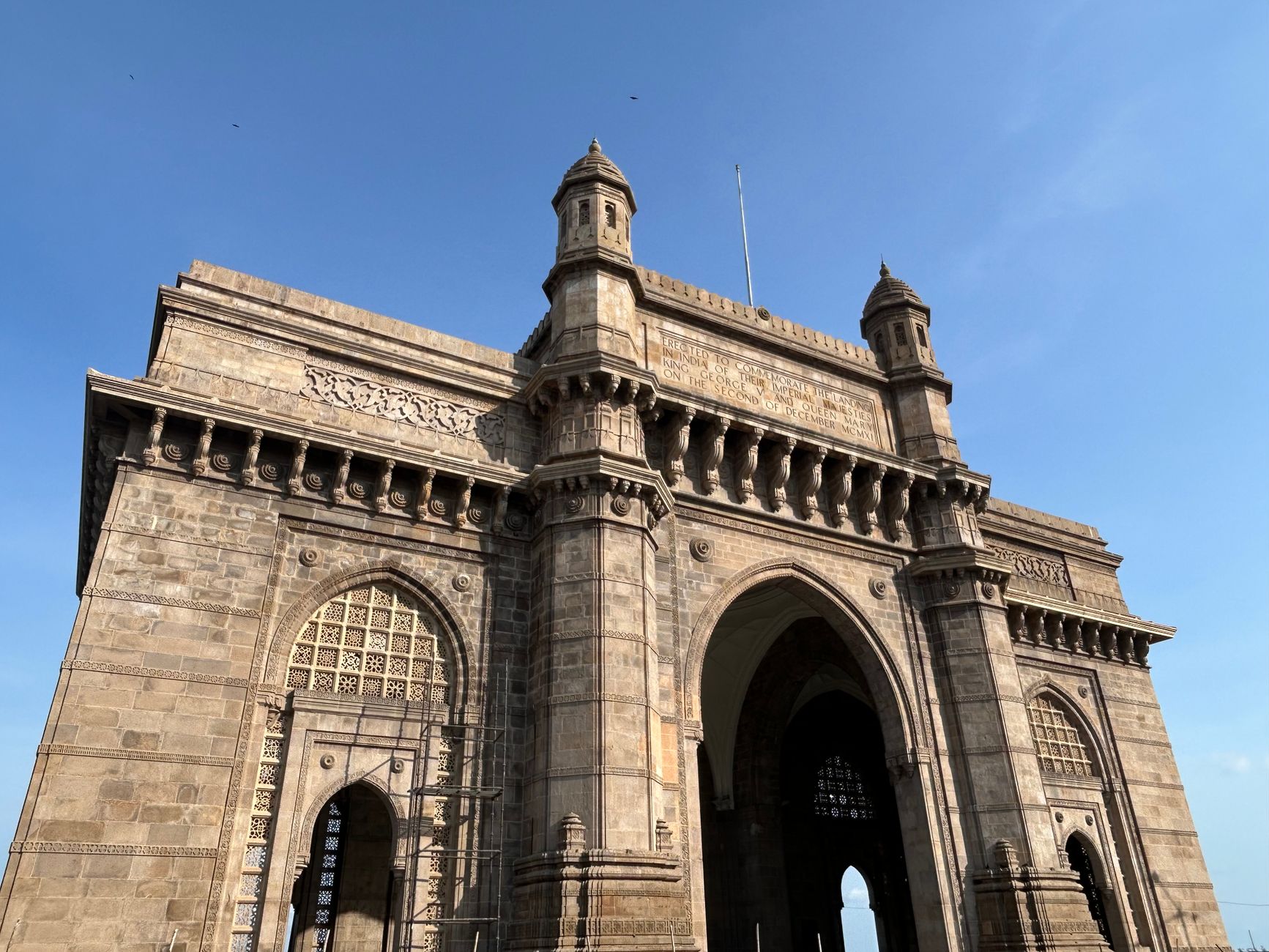

How Colaba came to be
The name traces back to the Kolis, the island's original inhabitants, whose word Kolabhat became Colaba. The Portuguese held the island through the sixteenth century, calling it Candil. In 1675, Governor Gerald Aungier took possession on behalf of the British East India Company. Portugal retained Little Colaba for nearly another century before ceding it around 1762.
The British built methodically: the causeway connecting Colaba to the mainland was completed in 1838 under Governor Sir Robert Grant, the Cotton Exchange opened at Cotton Green in 1844, and land reclamation on the western shore finished in 1905. A seafront promenade, Cuffe Parade, followed in 1906. The night of 26 November 2008 left a mark that residents still carry — coordinated attacks struck the Taj Mahal Palace, Leopold Café, and Mumbai Chabad House, killing over a hundred people.
Who and what shaped it
People who shaped it
Landmark buildings
See Colaba in motion
Plan your visit
On the map
When to go
Winters (December to February) are the most comfortable for walking — minimums around 18°C, with dry air and manageable heat. Summer builds toward 32°C before the monsoon breaks in June and doesn't fully release until September; if you visit then, the rain is serious, not decorative.
Right now
Background & history adapted from Wikipedia (CC BY-SA) · specs from Wikidata (CC0) · weather from Open-Meteo · map data © OpenStreetMap contributors · photos from Wikimedia Commons / Unsplash with per-image credit. No third-party reviews or social posts reproduced.