
Powai
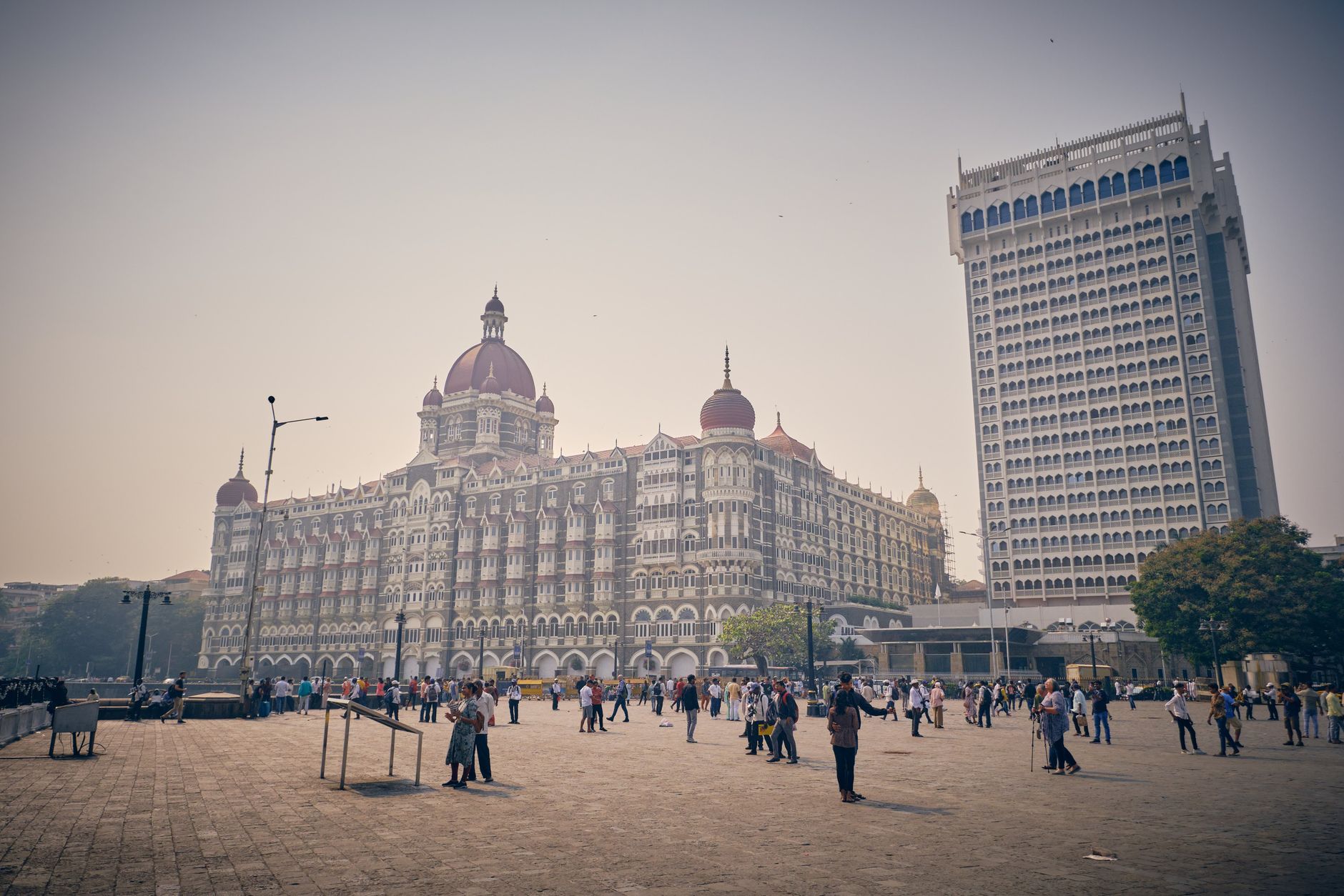
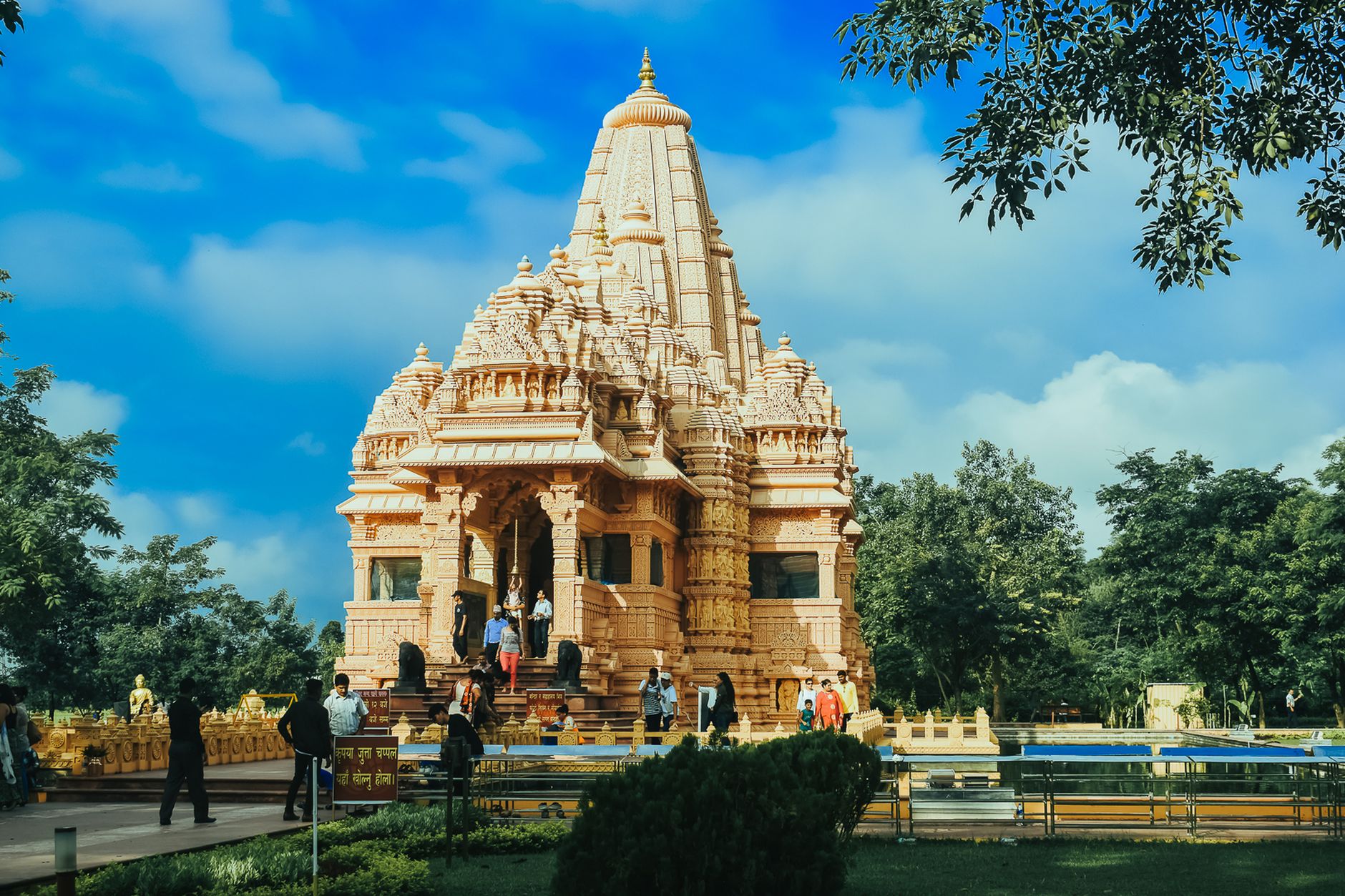
Powai sits at the eastern edge of Mumbai's suburbs with a lake at its centre and two of India's most consequential institutions on its doorstep. The water — roughly 520 acres of it, dammed from the Mithi River in 1890 — was originally meant to slake the city's thirst, but was eventually found too polluted to drink. It stayed anyway, and the neighbourhood grew around it: IIT Bombay's 545-acre campus on one shore, the neoclassical towers of Hiranandani Gardens on another, and a five-kilometre paved path circling the whole thing.
Today Powai reads as a city within a city — research labs beside coffee shops, a superspeciality hospital a short walk from park lawns where children play by the water. The crocodiles are real, the lake views are better at dusk, and the airport is only five kilometres away.
💛 What travellers fall for
People who return to Powai tend to converge on the same habits: an early circuit of the lake path before the heat arrives, a slow afternoon at Nirvana Park when the light softens, and at least one evening watching the Renaissance Hotel's facade catch the last sun across the water. The lake garden's synchronized fountains are better than they sound.
Deals in Powai
Book directly at the provider


How Powai came to be
The name traces back to Padmavati, a Hindu deity worshipped in a village that once occupied this land. By 1826 the estate had passed to Parsi merchant Framji Kavasji on lease. The British built Powai Lake in 1890 to expand Mumbai's water supply, but repeated studies found the water unfit for drinking and the project was eventually abandoned.
In 1943 — four years before independence — freedom fighters Chandrabhan Sharma and Ram Nath Grover bought the estate from its then-owner Sir Yusuf for what was described as a modest sum; the area then comprised five villages. The real pivot came in 1958 with the founding of IIT Bombay, followed by NITIE in 1963. Then, in the 1980s, Dr. Niranjan Hiranandani began transforming former quarry land into the township that now defines the neighbourhood's skyline.
Who and what shaped it
People who shaped it
Landmark buildings
See Powai in motion
Plan your visit
On the map
When to go
Mumbai's three seasons shape Powai distinctly: the monsoon (roughly June to September) turns the lake full and the air thick with humidity, while the cooler months from November through February are the most comfortable for walking the lakefront. March to May can be intensely hot and hazy — early mornings are the only viable option if you visit then.
Right now
Background & history adapted from Wikipedia (CC BY-SA) · specs from Wikidata (CC0) · weather from Open-Meteo · map data © OpenStreetMap contributors · photos from Wikimedia Commons / Unsplash with per-image credit. No third-party reviews or social posts reproduced.