
Worli
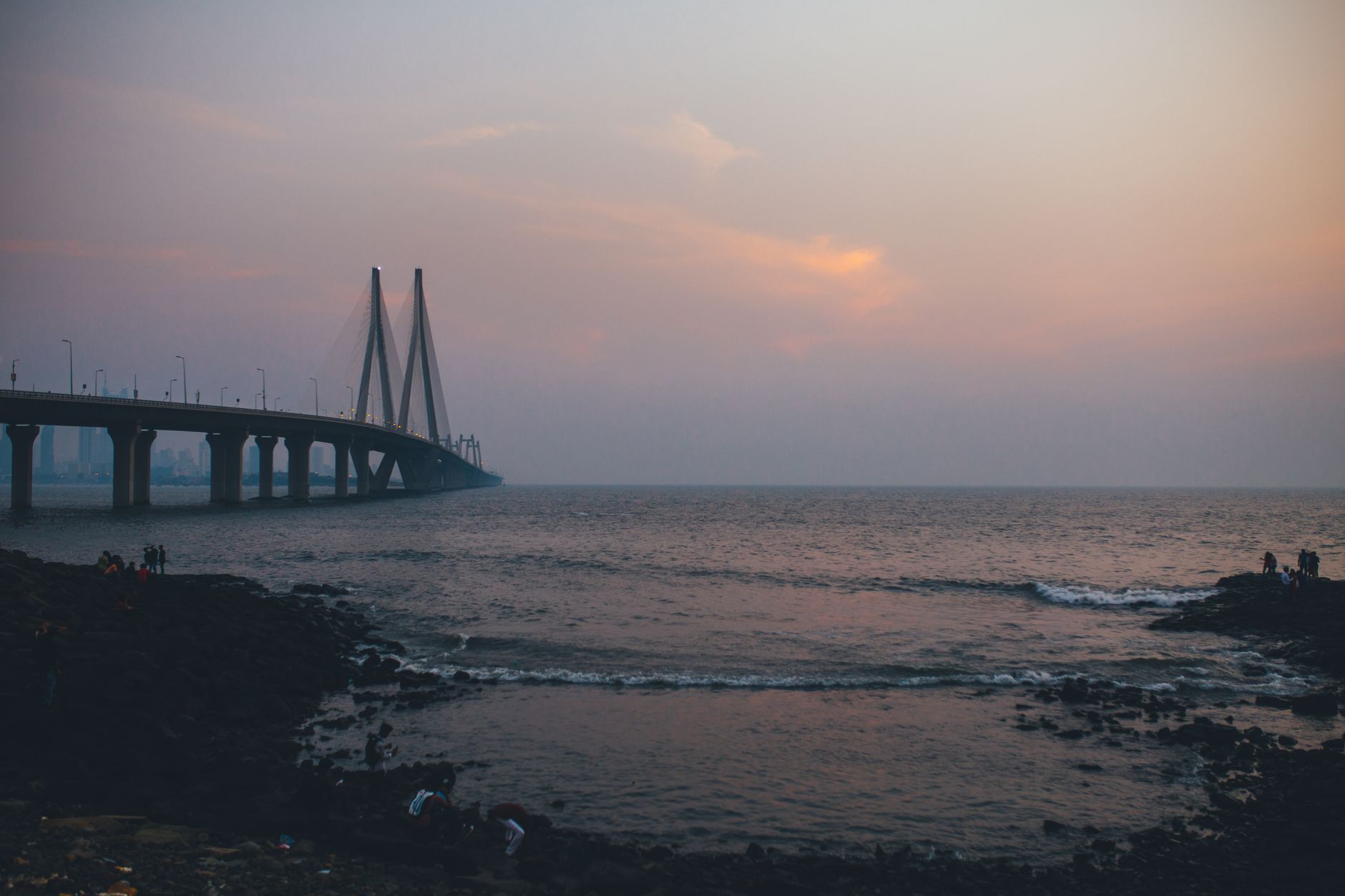
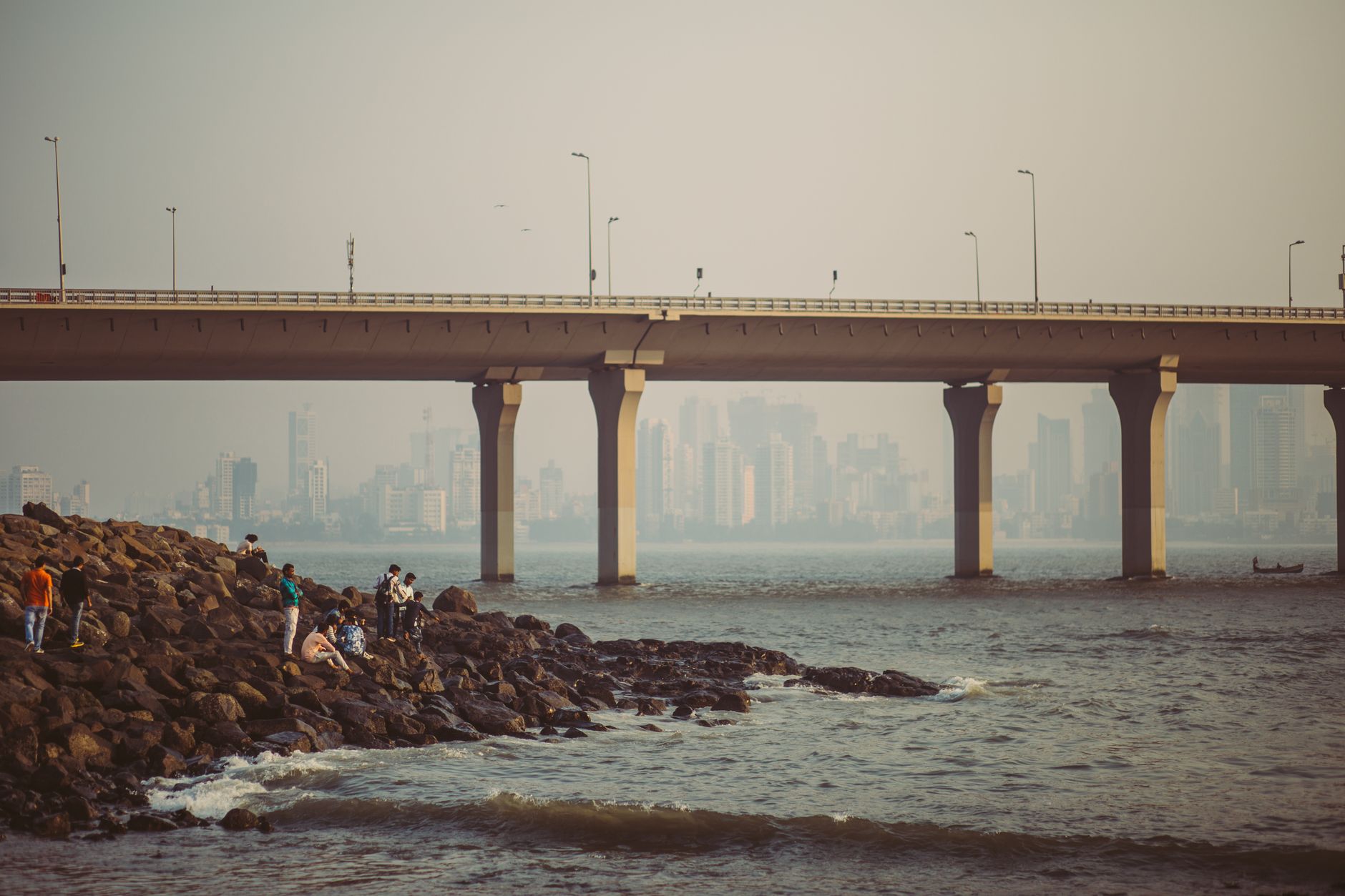
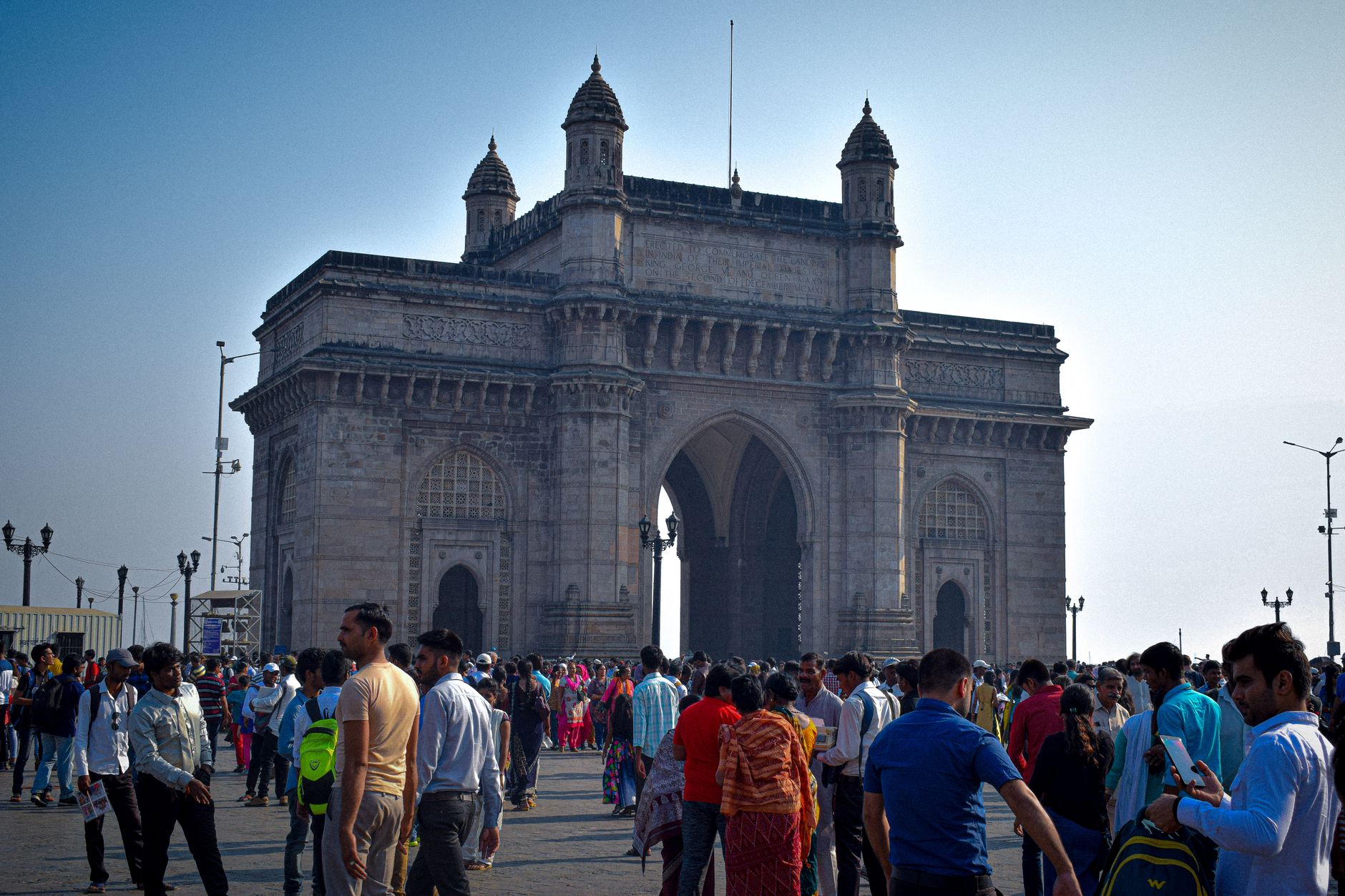
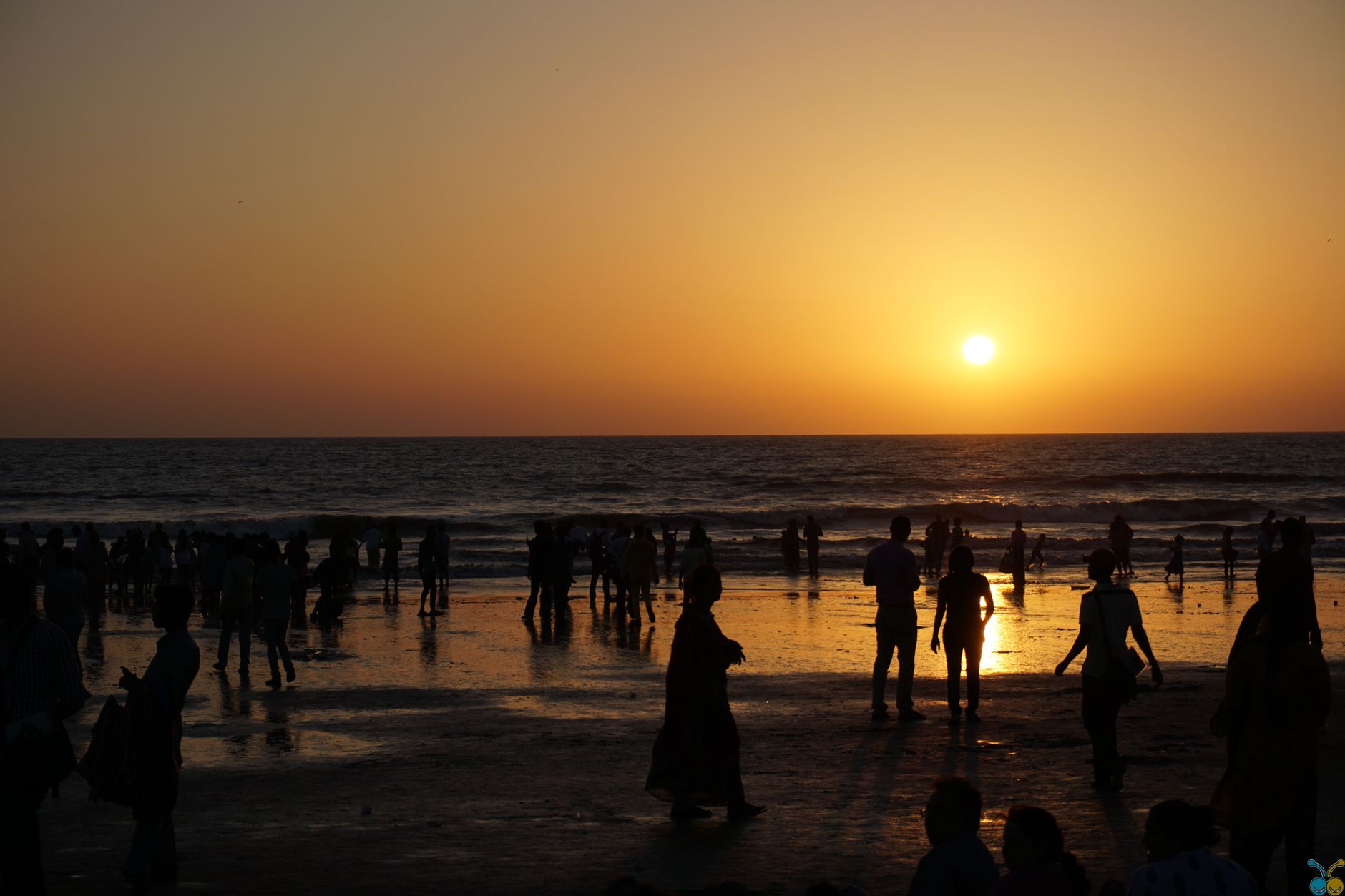
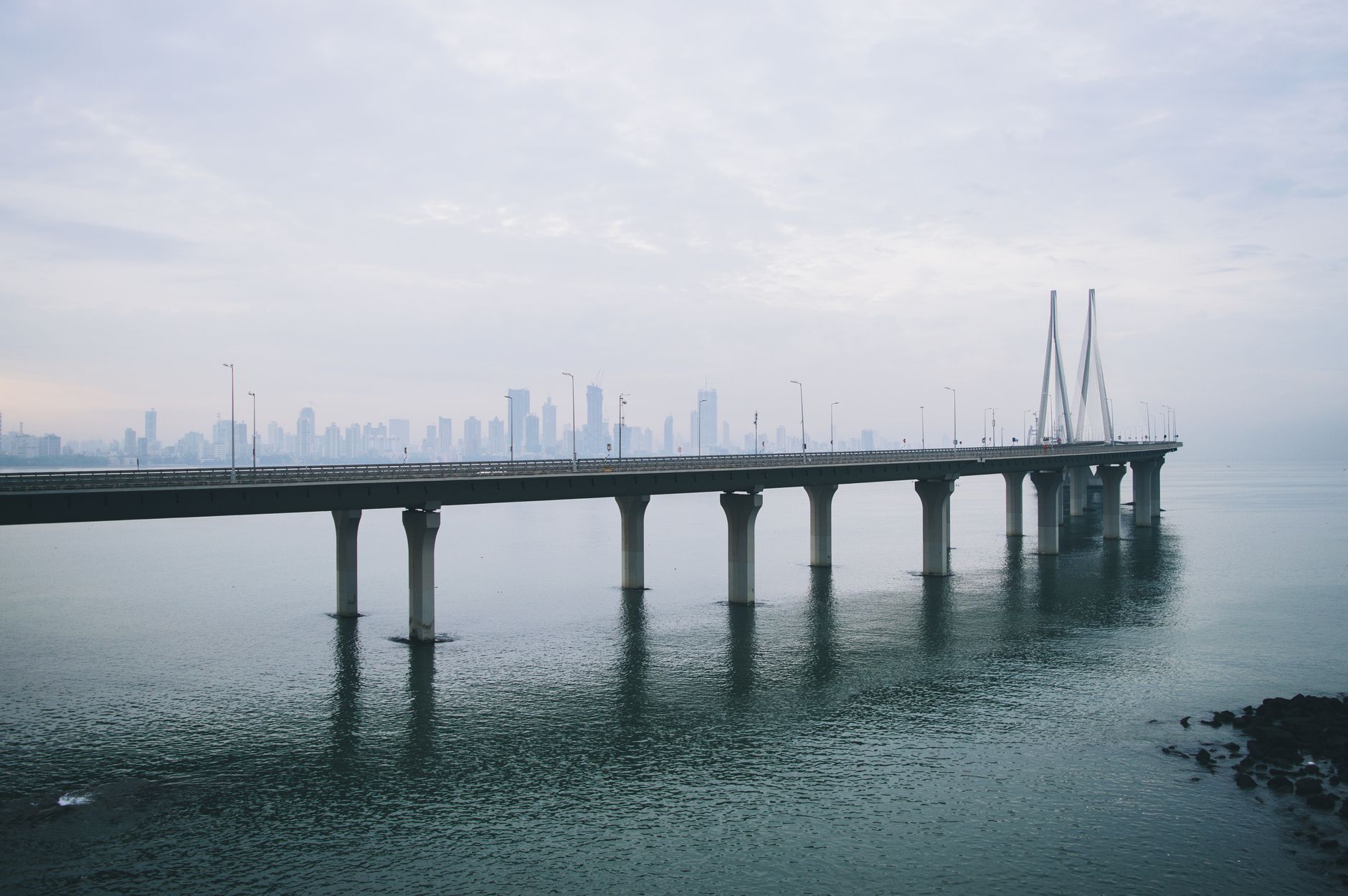
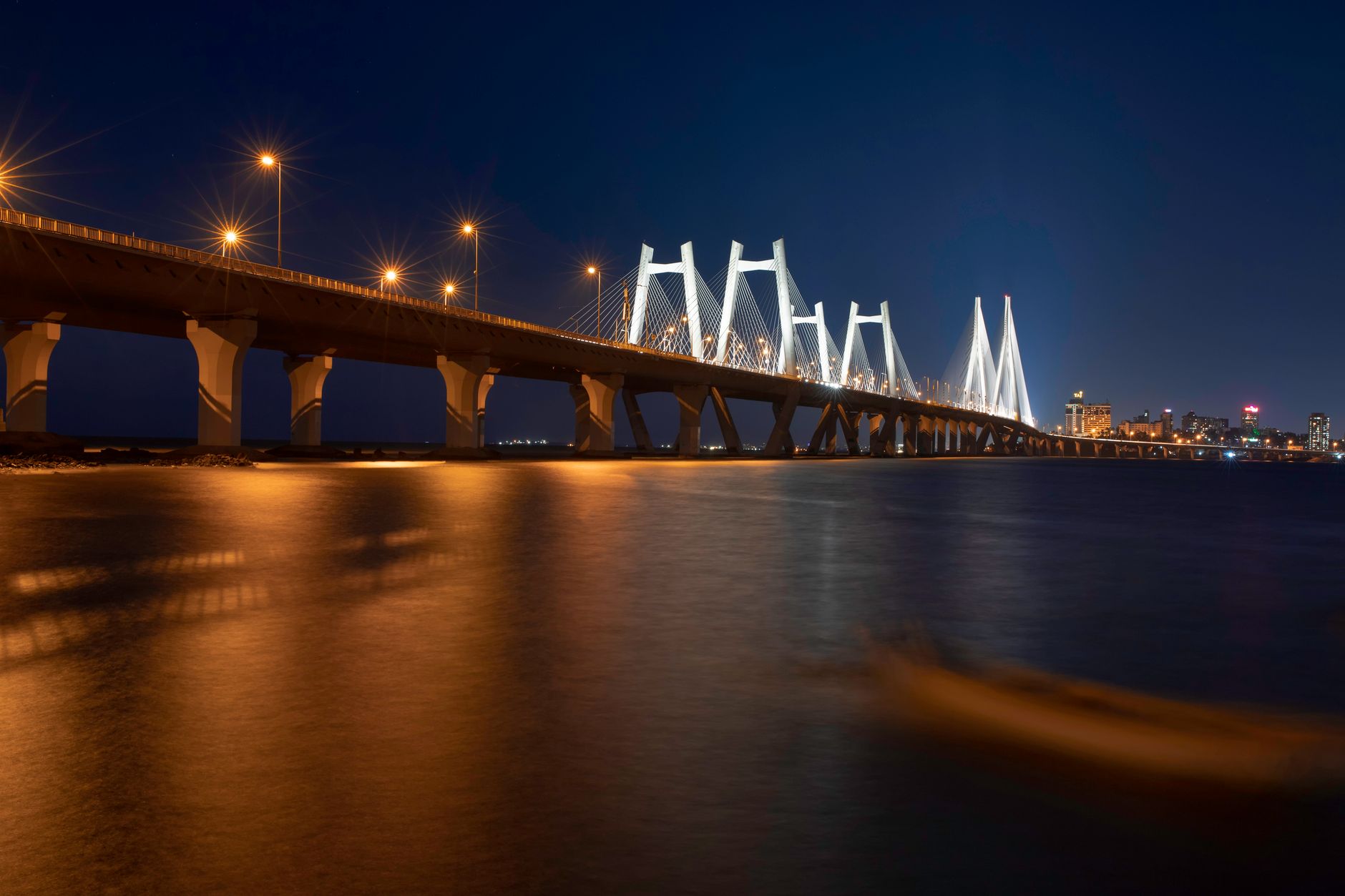
Stand at Worli Seaface around dusk and you get two Mumbais at once: the Bandra-Worli Sea Link curving out across the Arabian Sea, its cables lit against the last of the light, and somewhere behind you, the Koli fishing community still hauling nets from the same stretch of coast their ancestors worked long before this was a city at all.
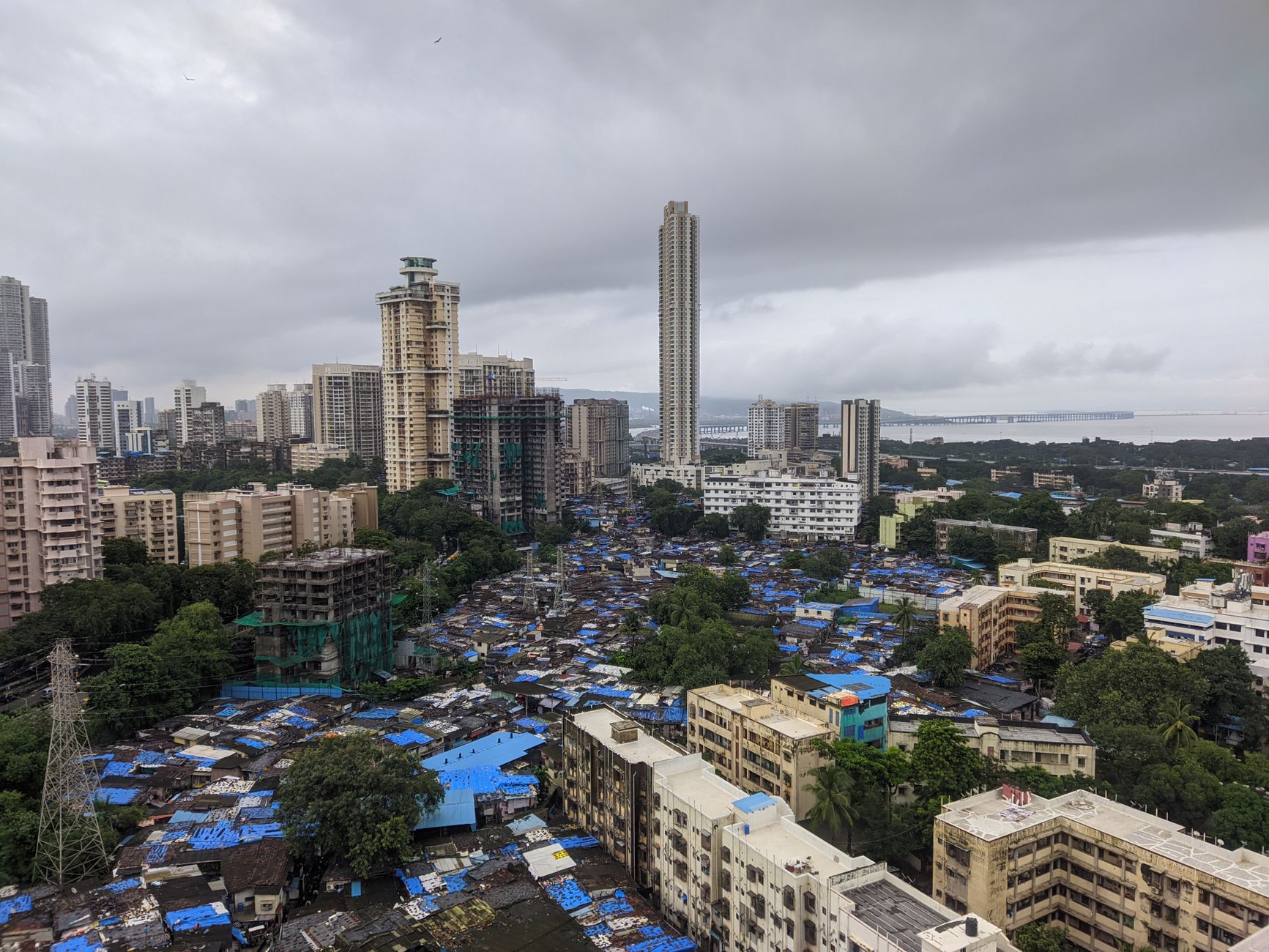
Worli sits on the western flank of the peninsula, where old mill-district money has given way to glass towers and the sea is never more than a few minutes' walk. It runs at a different pace from the rest of central Mumbai — not quieter, exactly, but more layered.
💛 What travellers fall for
People who come back tend to start at Worli Fort early, before the heat sets in — entry is free and the views over Mahim Bay are worth the short climb. Then down to the seaface for a walk along Khan Abdul Gaffar Khan Road, with the Haji Ali Dargah sitting out on its rock in the water. Late afternoon light on the sea link is something regulars plan around.
Deals in Worli
Book directly at the provider
How Worli came to be
Worli began as one of the Seven Islands of Bombay, ceded by the Portuguese to England in 1661. The British built a fort here around 1675 on Worli Hill, positioned to watch for enemy ships crossing Mahim Bay. The island's connection to the rest of Mumbai came in 1784 with the completion of the Hornby Vellard embankment, after which the East India Company developed the area for rice cultivation — a reminder that this now-corporate quarter was once farmland.
The Love Grove sewage pumping station followed in 1842, and by the late 19th century Worli had been absorbed into the expanding city. It became one of Mumbai's busier office districts from the 1970s onward, and the opening of the Bandra-Worli Sea Link in July 2009 remade its skyline and its geography in a single stroke.
Who and what shaped it
People who shaped it
Landmark buildings
See Worli in motion
Plan your visit
On the map
When to go
October to February is the most livable stretch — warm and mostly sunny, with daily temperatures between 18°C and 32°C. March through May turns genuinely hot, sometimes exceeding 40°C, and June to September brings the southwest monsoon: near-daily rain, high humidity, and in July alone up to 710mm of rainfall.
Right now
Background & history adapted from Wikipedia (CC BY-SA) · specs from Wikidata (CC0) · weather from Open-Meteo · map data © OpenStreetMap contributors · photos from Wikimedia Commons / Unsplash with per-image credit. No third-party reviews or social posts reproduced.