
Bandra
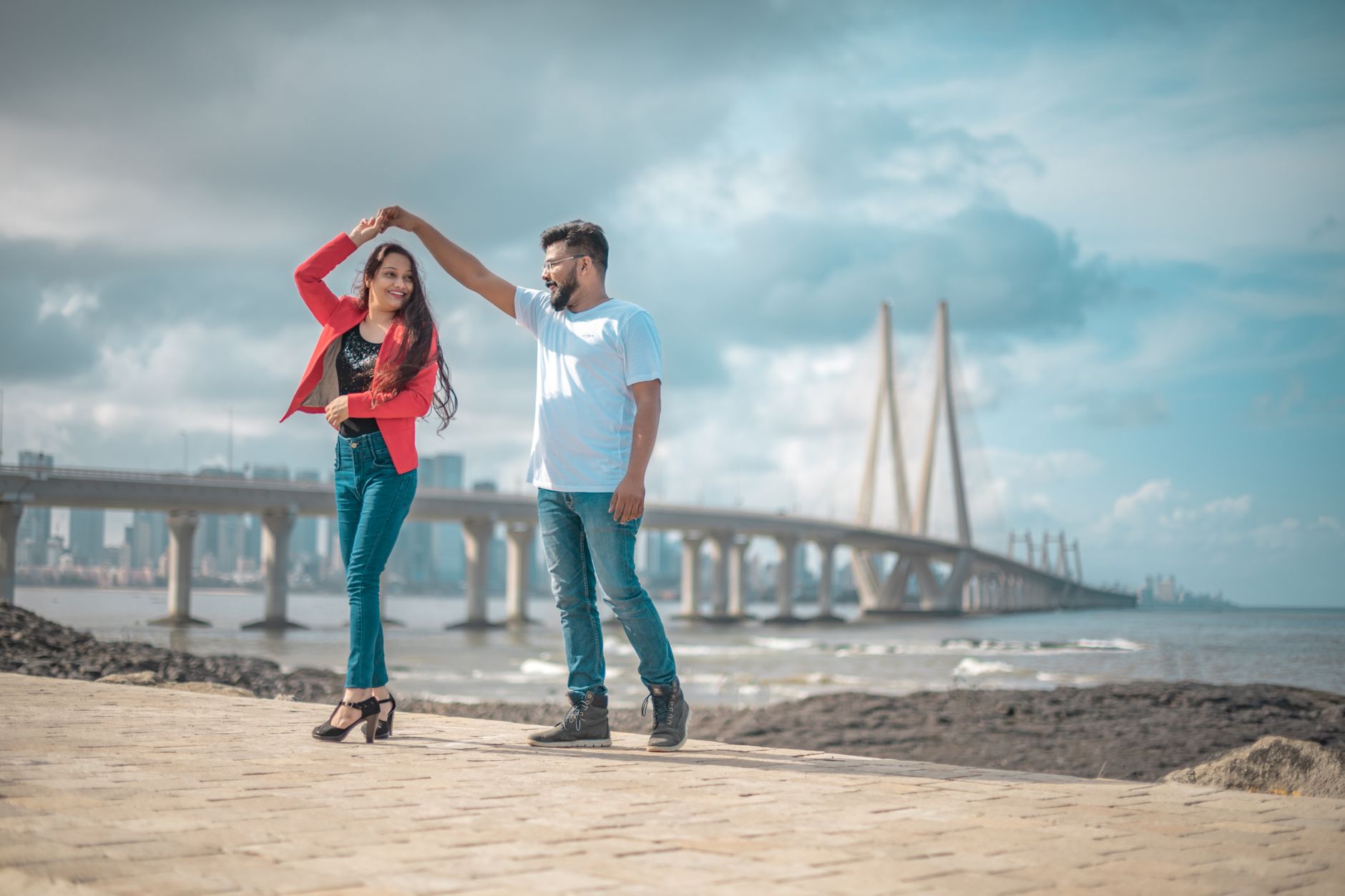
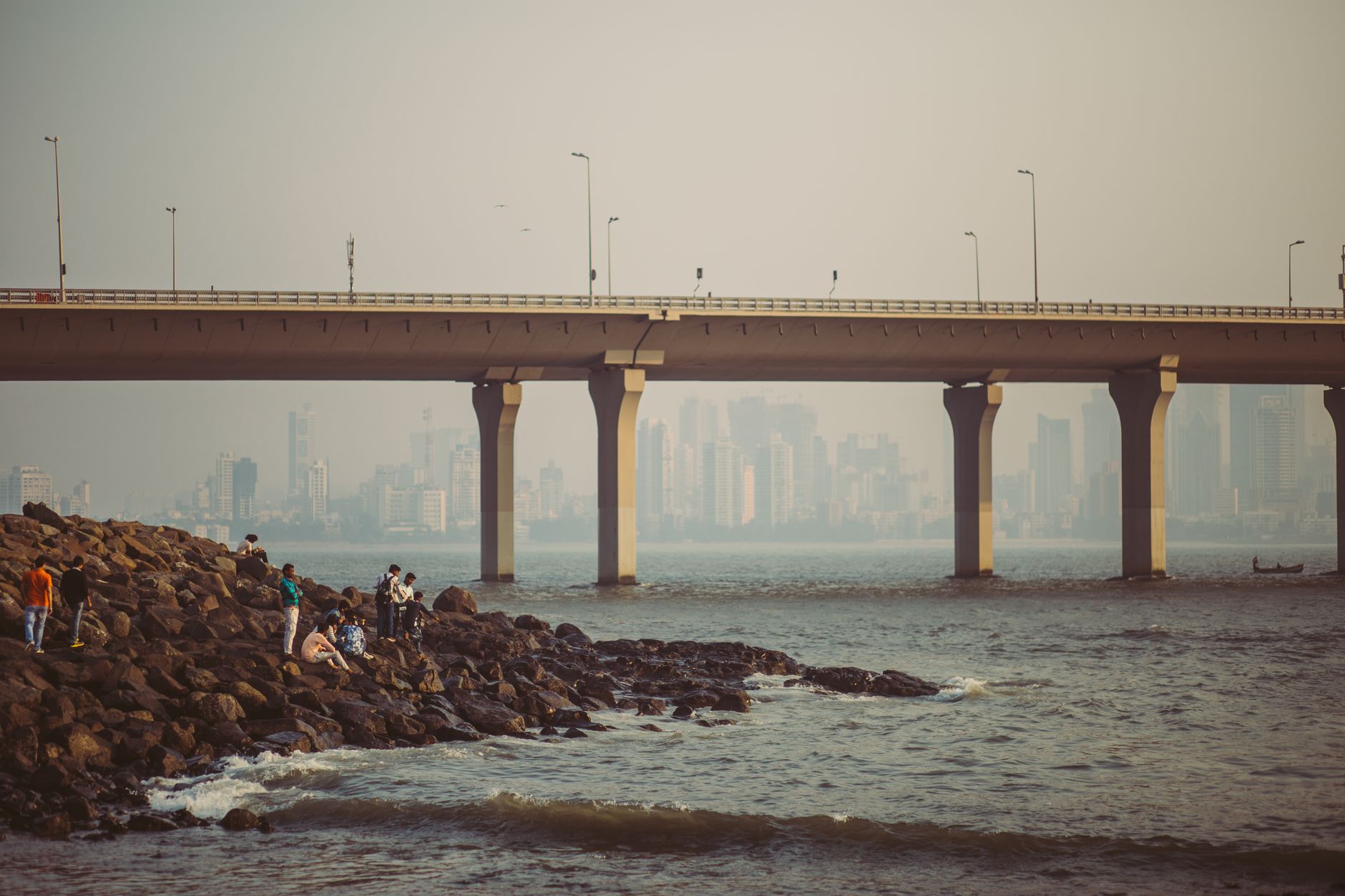
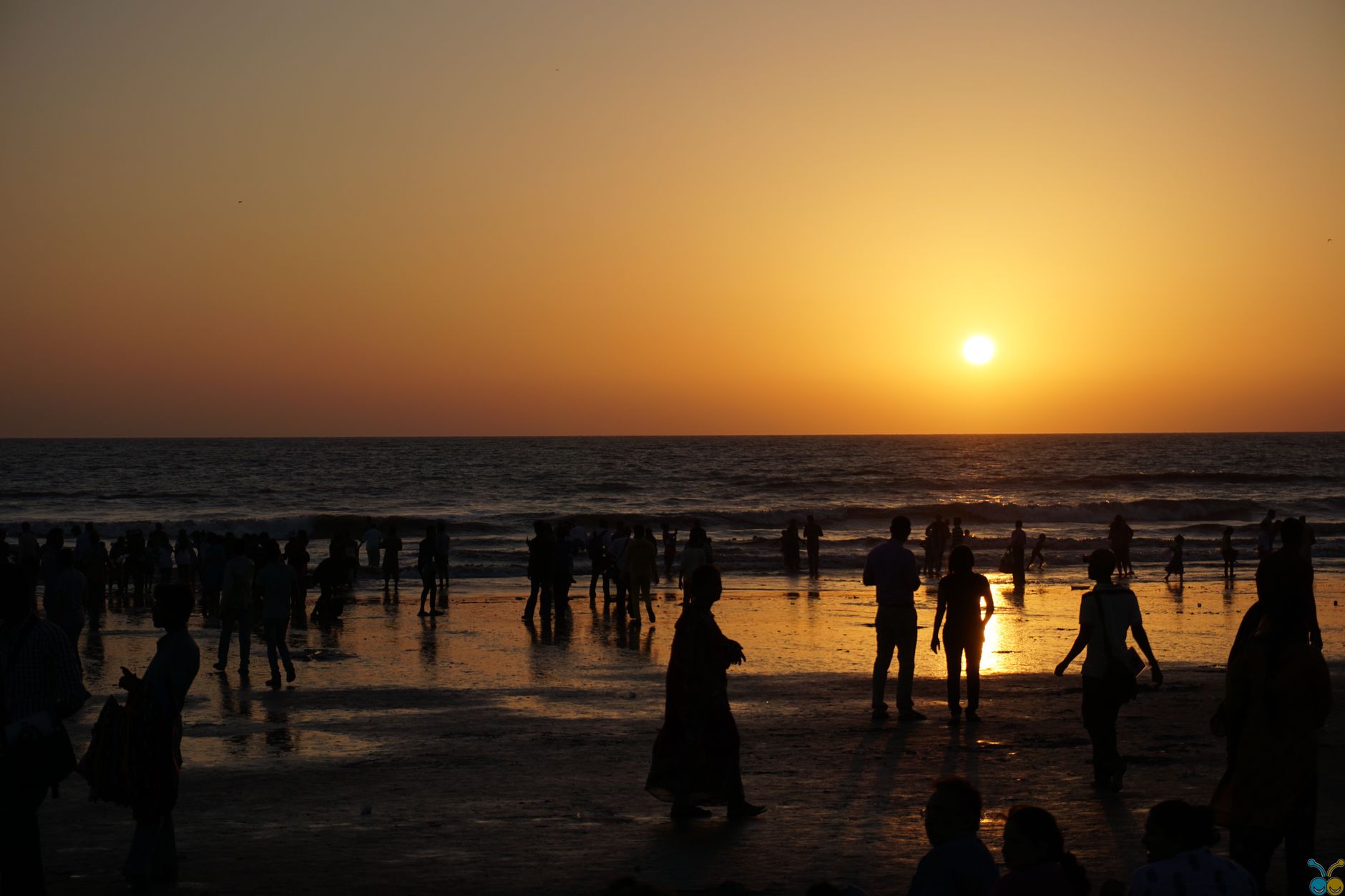
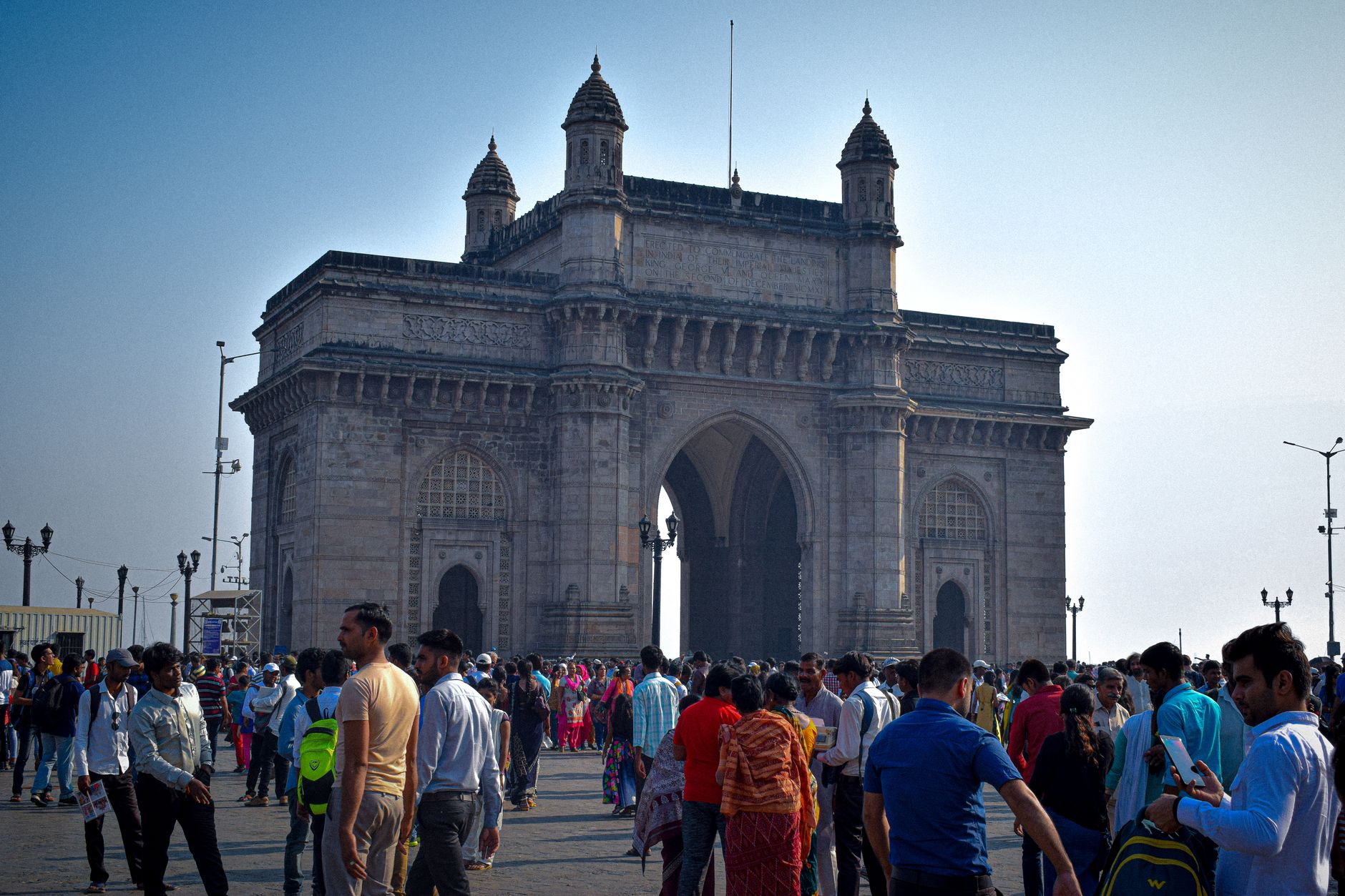
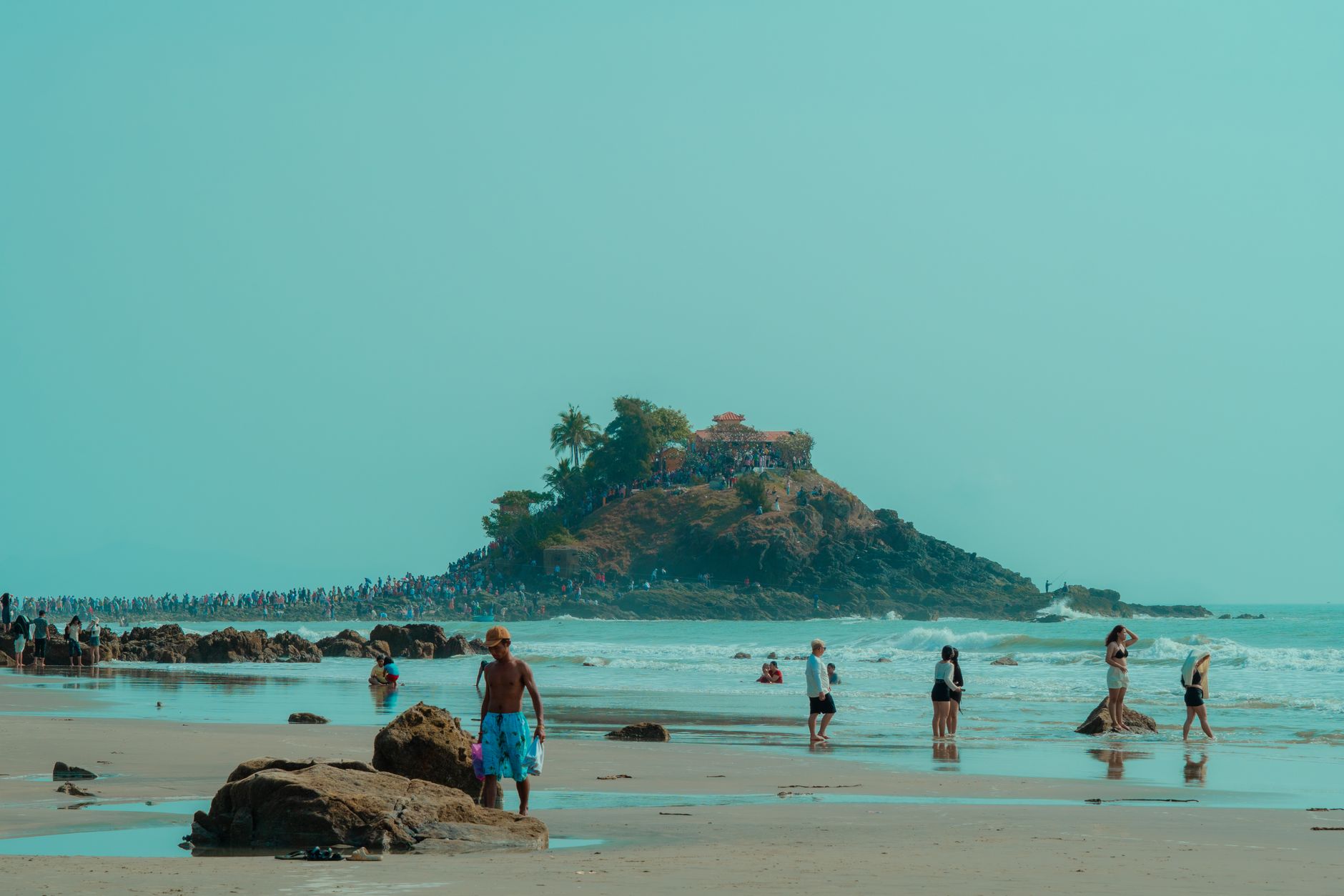
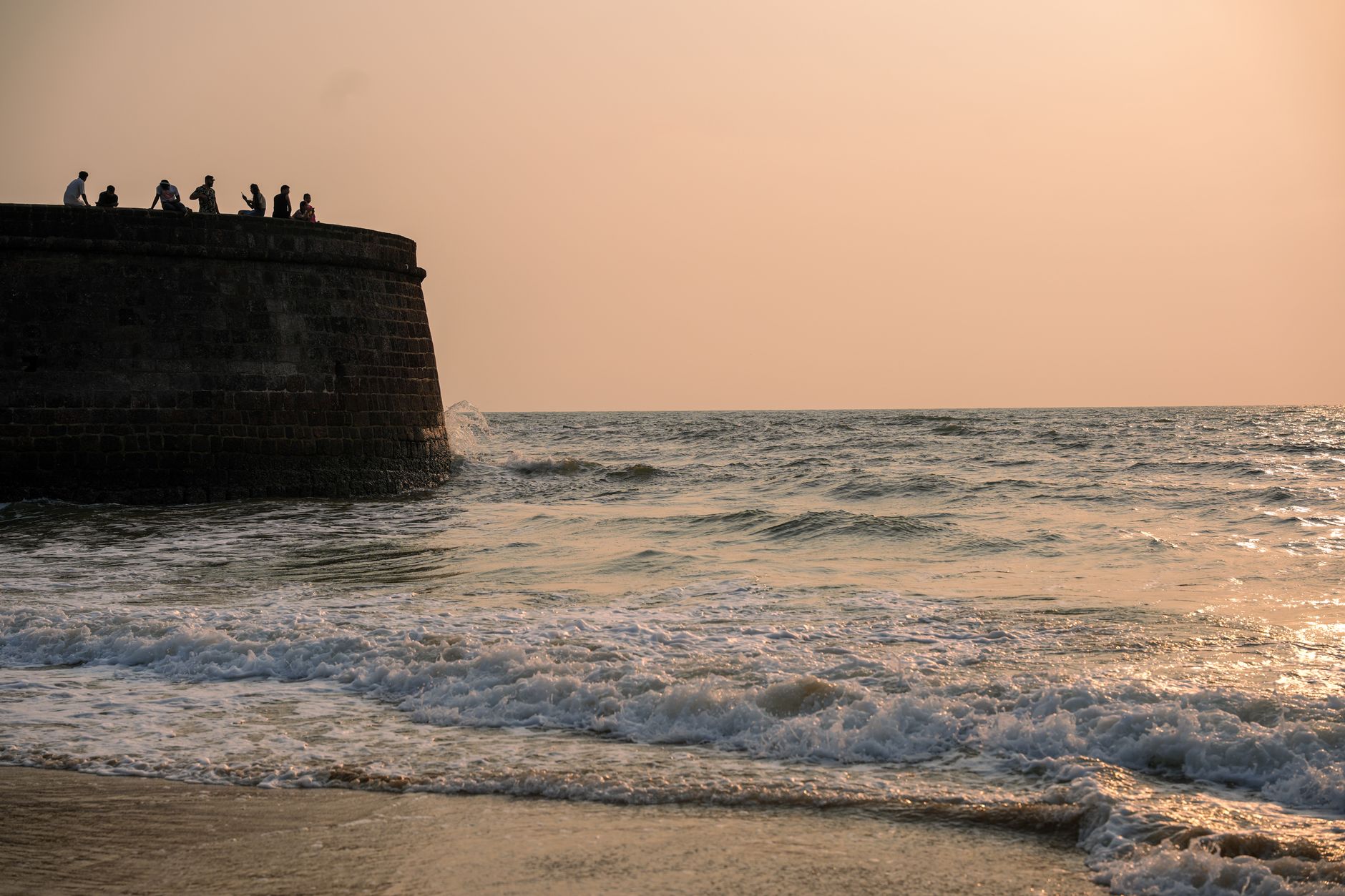
Stand at the top of Bandra Fort — Castella de Aguada, the Portuguese called it — and you get the whole argument for this place in one view: the Arabian Sea below, the Bandra-Worli Sea Link curving north, and a skyline that has been rewritten every decade. Bandra is where Mumbai's fishing villages, Catholic heritage, and film-industry money have been layered on top of each other for four centuries, and the seams are still visible if you know where to look.
The suburb runs from the sea-facing Bandstand promenade inland to the lanes of Ranwar and Pali villages, where East Indian Catholic families have lived for roughly 400 years. That tension — between old stone churches and new-money restaurants, between kolis and Bollywood — is what makes the place worth more than a single afternoon.
💛 What travellers fall for
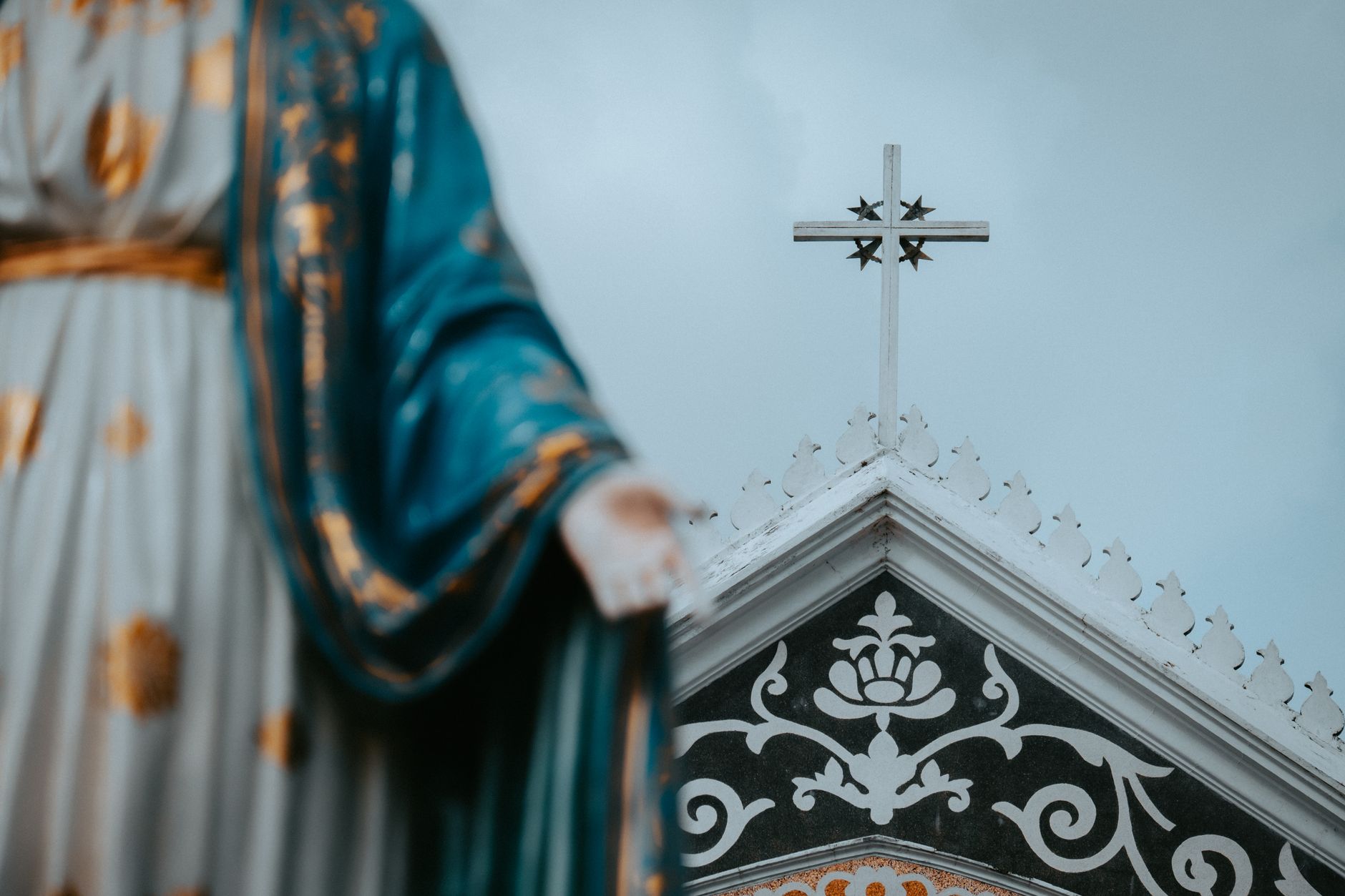
People who keep coming back tend to do Sunday mornings at Artists Court on Bandstand, where informal jam sessions have been running for years. They cut through Ranwar Village on foot rather than taking a rickshaw — the lane scale changes everything. And they time at least one visit to the Bandra Fair in September, when the Mount Mary Church steps fill with candle vendors and the whole neighbourhood shifts register.
Experiences you don't want to miss



Deals in Bandra
Book directly at the provider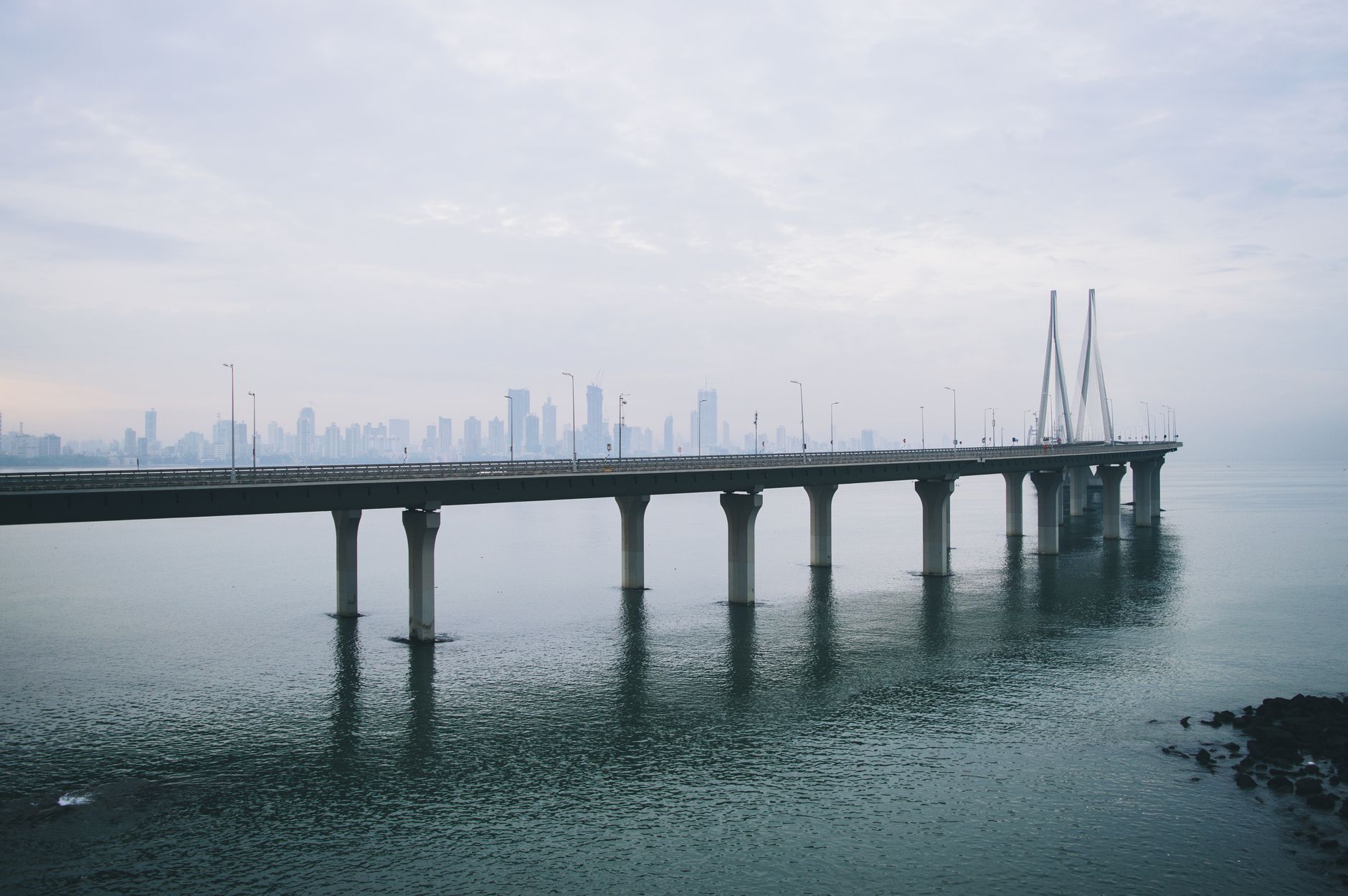
How Bandra came to be
In 1534, a Portuguese pirate named Diego da Silveira sailed into Bandra's creek and burned the fishing settlement. The same year, the Treaty of Bassein transferred the territory from the Sultanate of Cambay to the Portuguese East Indies. What followed was a systematic Catholicisation of the coast: by 1580, Father Conceicao Rodrigues had baptised roughly 2,000 local fishermen, and churches began to fix themselves into the landscape. St. Andrew's went up in 1575; the fort at the estuary mouth in 1640.
The Portuguese hold ended with the 1775 Treaty of Surat, which handed Salsette — Bandra included — to the English, though it briefly reverted to the Marathas before returning to British control under the 1802 Treaty of Bassein. The suburb's modern shape arrived later: a 1927 Town Planning Scheme cleared smallholder plots for housing, and in 1954, film director Mehboob Khan opened the studio on Hill Road that still bears his name.
Who and what shaped it
People who shaped it
Landmark buildings
See Bandra in motion
Plan your visit
On the map
When to go
October to February is the clearest window — dry, mild, and comfortable for walking the fort or the promenade. Monsoon from June through September brings heavy, sustained rain that turns the sea dramatic and the streets slow; it's worth experiencing once, but plan accordingly.
Right now
Background & history adapted from Wikipedia (CC BY-SA) · specs from Wikidata (CC0) · weather from Open-Meteo · map data © OpenStreetMap contributors · photos from Wikimedia Commons / Unsplash with per-image credit. No third-party reviews or social posts reproduced.